Whether Victorian Breeders Crossed Borzoi Into the Collie
It's a question that often comes up when we look at those beautiful, noble-headed Collies in old photographs from the late 19th century: did Victorian breeders actually cross Borzoi into the Collie lines? The idea certainly captures the imagination, suggesting a deliberate and perhaps even audacious move by breeders striving for a particular aesthetic. It highlights the sometimes-fraught relationship between a breed's working origins and the evolving demands of the show ring, and it’s a valid question because the Collie certainly underwent a dramatic transformation during that period. This guide is going to dig deep into this intriguing historical claim, examining why such a theory even gained traction, what evidence (or lack thereof) supports it, and what other factors truly shaped the magnificent Collie we know and love today.
The Evolving Collie Aesthetic in Victorian England
The Collie, as a breed, didn't always boast the refined, elongated head and elegant profile we typically associate with it today. Before the Victorian era, Collies were rugged, functional working dogs, bred for their intelligence, stamina, and herding prowess on the harsh Scottish landscape. Their appearance was secondary to their ability to manage livestock. Yet, by the end of the 19th century, the Collie had become a symbol of grace and aristocratic beauty. This shift wasn't accidental; it was the result of a powerful combination of royal endorsement and the burgeoning world of competitive dog shows.
From Working Dog to Royal Companion
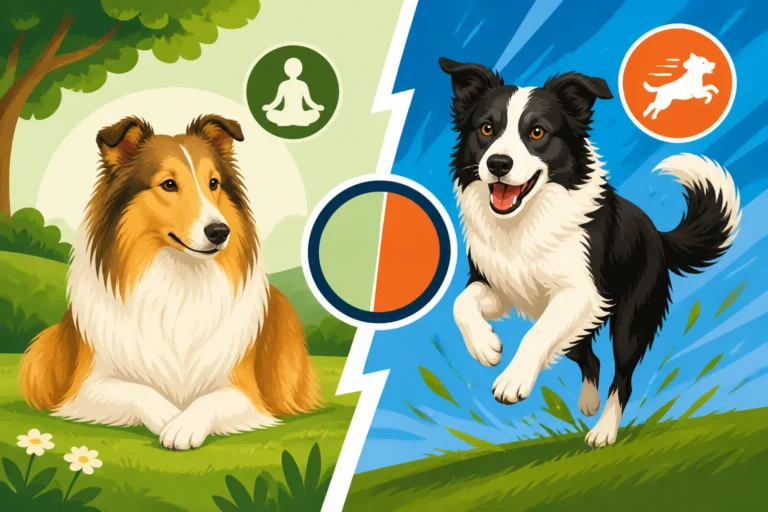
Imagine the Collie before it caught the eye of royalty. These dogs were found mostly in the Scottish Highlands, valuable assets to shepherds, indispensable for their keen instincts and tireless work ethic. They were robust, medium-sized dogs with broader skulls, often with more moderate muzzles, built for endurance and practicality rather than delicate beauty. Their coats were certainly thick, providing protection from the elements, but their overall conformation was more rustic. You can imagine them trotting across the moors, their intelligence shining in their eyes, utterly focused on their flock.
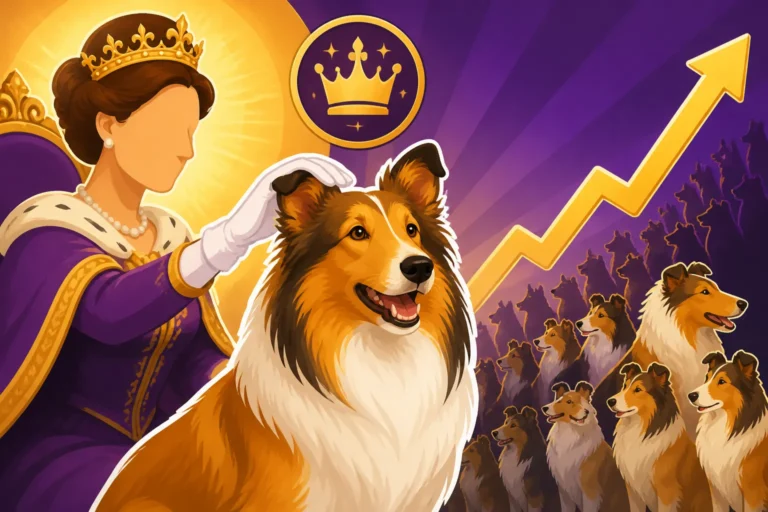
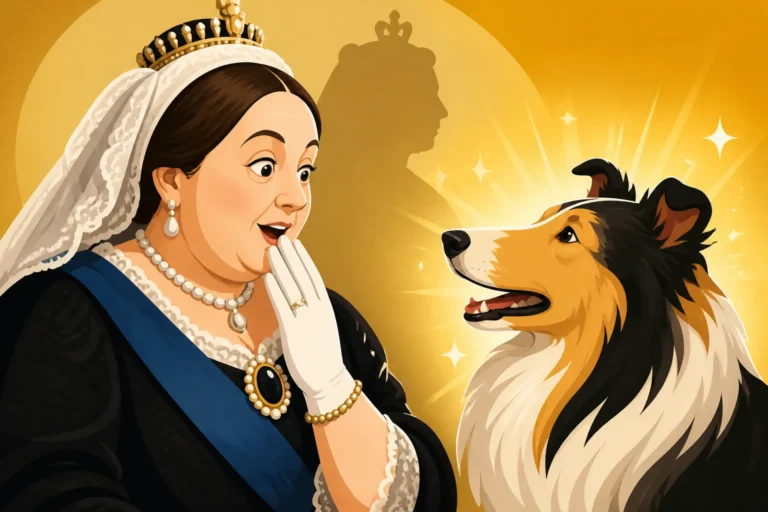
Then came Queen Victoria, who, after acquiring Balmoral Castle, became enchanted with these intelligent, loyal dogs. Queen Victoria Made the Collie Fashionable in the 1860s Her admiration for the breed had an almost instantaneous effect, catapulting the humble herding dog into the fashionable drawing rooms of the elite. Suddenly, owning a Collie became a status symbol. This newfound popularity meant that breeders, no longer solely focused on working ability, began to look at the Collie with a different eye—the eye of aesthetics and refinement. The demand shifted from a hardy sheepdog to an elegant companion suitable for a royal court.
The Rise of the Dog Show and Breed Standards
The establishment of formal dog shows further accelerated this transformation. These events, which really took off in the mid-19th century, introduced the concept of breed standards, defining the ideal physical characteristics for each breed. For the Collie, these standards began to emphasize qualities like a long, lean head, a refined muzzle, and an elegant overall outline. Breeders were no longer just selecting for the best herding dog; they were selecting for the dog that could win ribbons in the show ring.
This pursuit of a specific "look" meant intense selective breeding. Features that were once considered perfectly acceptable for a working dog might now be seen as undesirable in the context of a show standard. A broader skull, for instance, might have been linked to greater brain capacity or bite strength in a working dog, but in the show ring, it was deemed less elegant than a narrow, chiseled head. This aesthetic shift was so pronounced that many wonder if the changes could have occurred purely within the existing gene pool, leading to speculation about outcrosses. Whether the Collie's Long Head Came From Show Breeding The pressure to conform to an ideal, often exaggerated, appearance was immense, and breeders were eager to produce dogs that met these new, evolving criteria.
Exploring the Borzoi Theory: Myth or Method?
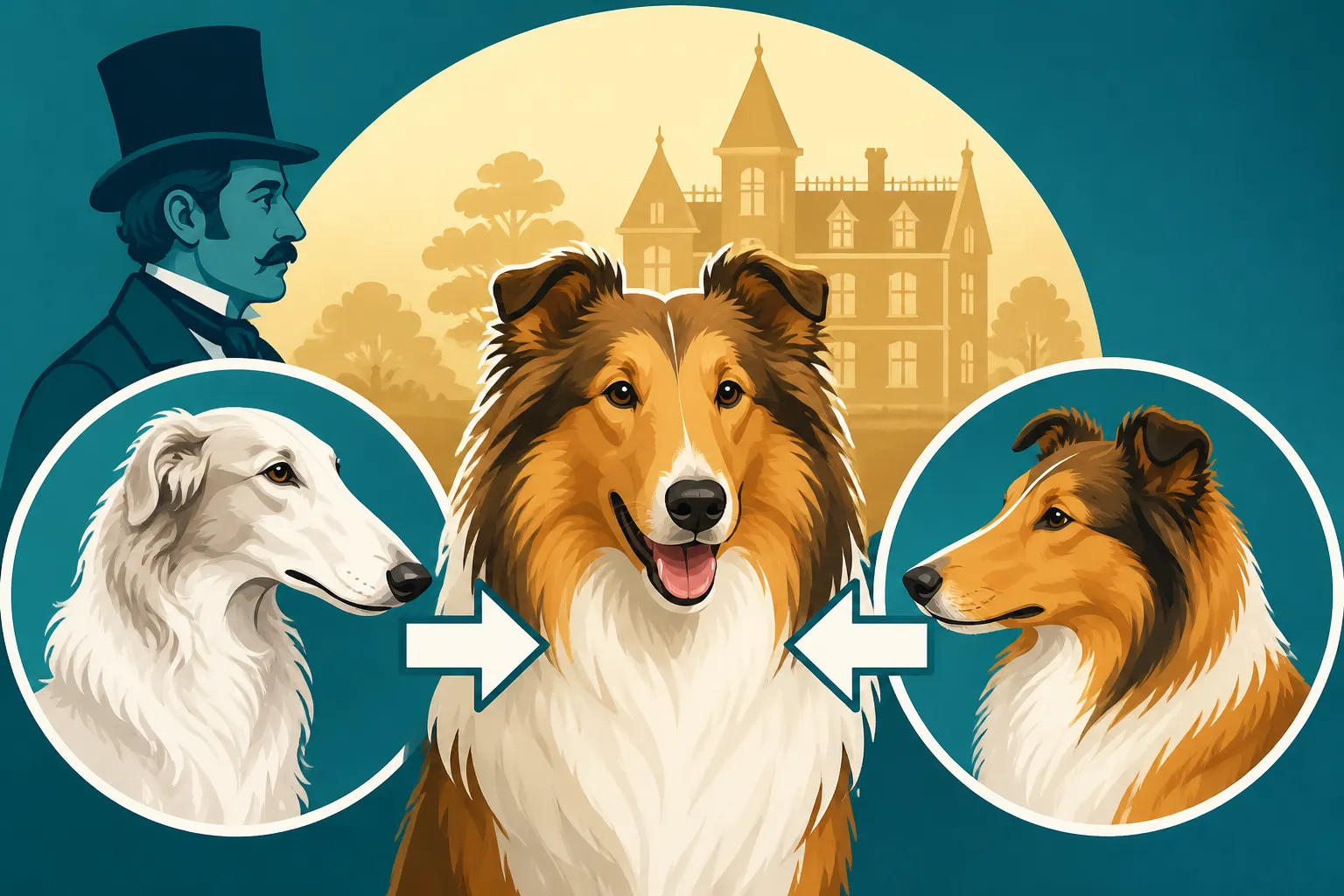
The theory that Victorian breeders introduced Borzoi blood into Collie lines isn't just an idle rumor; it stems from a noticeable change in the Collie's physical appearance during a specific historical period. If you look at early photographs of Collies compared to those from the late Victorian era, the difference can be striking. The "old type" Collie often appears stockier, with a shorter muzzle and a less exaggerated stop, while the "new type" developed a distinctly more elongated and refined profile.
Why Borzoi? The Desired Traits
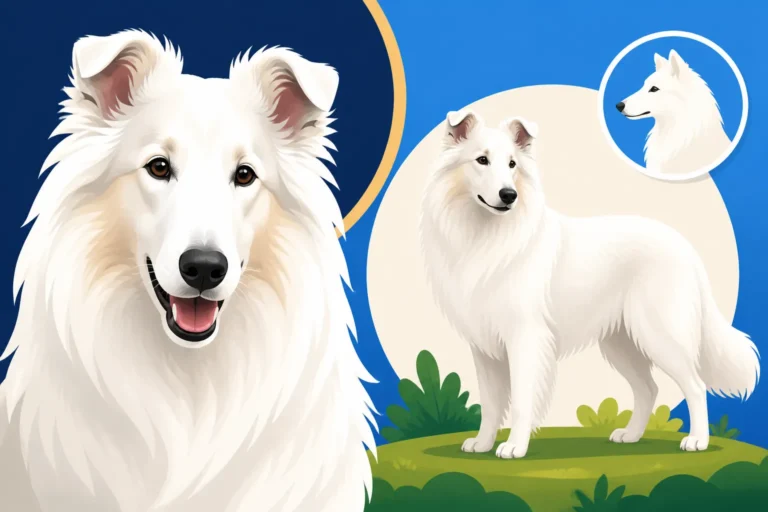
So, why would Borzoi be singled out as the potential "secret ingredient" in this transformation? The answer lies in the very distinct physical characteristics of the Borzoi itself. Borzoi, originally bred as sighthounds for hunting wolves in Russia, are renowned for their incredible elegance, their long, narrow heads, fine bone structure, and graceful, flowing lines. They possess a quality of aristocratic beauty that was highly prized in the Victorian era.
If a breeder wanted to quickly introduce or enhance traits like a dramatically lengthened skull, a more refined muzzle, and a general air of sophistication into their Collie lines, the Borzoi would appear to be a logical candidate. The idea was to infuse the Collie with that distinctive "noble head" and streamlined silhouette that became so fashionable. It was believed that pure selective breeding within the existing Collie stock simply couldn't produce such a radical change in a relatively short period, at least not to the degree seen in some show Collies of the time. This desire for specific traits drove many breeding decisions, sometimes leading to controversial methods.
The Evidence (or Lack Thereof)
Despite the persistent nature of this theory, concrete, documented evidence of widespread Borzoi crosses into Collie lines during the Victorian era is remarkably scarce. While individual breeders might have experimented quietly, there's no official record or widespread acknowledgment from prominent Collie kennels or historical breed clubs of such a practice. This doesn't mean it absolutely didn't happen in isolated instances, but it suggests it wasn't a standard or openly accepted method for evolving the breed.
Historians and breed experts generally point to intense selective breeding within the Collie gene pool as the primary driver of the changes. Victorian breeders were highly skilled and incredibly focused on achieving the desired "type." They understood genetics, even if they didn't have the scientific tools we do today, and they were relentless in their pursuit of specific traits. They would meticulously choose breeding pairs, sometimes engaging in inbreeding or line-breeding to concentrate desirable features like a longer head and a more elegant expression. The changes, while dramatic, could indeed be achieved through careful and persistent selection over several generations, magnifying existing variations within the breed. Whether the Collie's Skull Has Narrowed Over Time The lack of undeniable proof, combined with the known dedication of these early breeders, leans against the widespread Borzoi cross theory.
Other Influences and the Collie's Unique Development
While the Borzoi theory is intriguing, it's important to consider other, perhaps more plausible, factors that contributed to the Collie's transformation during the Victorian age. The drive to refine the breed was powerful, and breeders explored various avenues to achieve their aesthetic goals without necessarily resorting to outcrosses with a breed as distinct as the Borzoi.
Selective Breeding for "Type"
The most significant factor in the Collie's evolving appearance was undoubtedly intense selective breeding. Think of it like this: within any large population of dogs, there will always be natural variations. Some Collies might have naturally longer muzzles, some might have slightly more refined bone structure, even if the majority look more like the traditional working type. What Victorian breeders did was identify these subtle variations that aligned with their emerging ideal of beauty and then amplify them. They would consistently choose dogs exhibiting these desirable traits for breeding, and even more importantly, they would actively discard or avoid breeding dogs that didn't fit the mold.
This kind of focused breeding can lead to rapid changes in a breed's appearance, especially when the selection pressure is high. It's not about introducing entirely new genes from another breed, but rather about maximizing and consolidating the genetic material already present within the existing Collie population. Over several generations, consistently breeding for a longer head, a more defined stop, and a graceful neck could dramatically alter the breed's silhouette. It was a painstaking process, requiring a keen eye and a clear vision, but it was entirely achievable using the dogs available at the time. This relentless pursuit of the "ideal type" is what truly shaped the breed.
The Influence of Other Herding Breeds
While the Borzoi theory focuses on a dramatic outcross, it's also worth considering that some subtle influences from other, more closely related herding or even early pastoral breeds might have played a minor role in the Collie's development. In the informal breeding practices of earlier centuries, strict breed boundaries were not always as rigid as they are today. It's plausible that some of the ancestral "collie dogs" might have had regional variations or even shared common ancestry with other types of pastoral dogs or even some of the early setting breeds that were being developed around the same time. These might have contributed certain traits that breeders then selectively enhanced.
However, any such influences would have been much more subtle and likely integrated earlier in the breed's history, rather than a deliberate, wholesale outcross in the Victorian era to a completely different type of dog. The emphasis in the later Victorian period was on refining the existing Collie, pushing its inherent qualities towards an exaggerated ideal. The establishment of kennel clubs, like the Collie Club of America, and formal breed standards aimed to create a distinct, recognizable breed profile, discouraging random outcrossing in favor of predictable inheritance of traits. When the Collie Club of America Was Founded The focus was largely on perfecting what they already had, making the Borzoi theory less likely to be a widespread practice.
Here's a quick look at the perceived differences that fueled the Borzoi theory:
| Trait | Traditional Working Collie (Pre-Victorian) | Victorian Show Collie (Late 1800s) | Borzoi (for comparison) |
|---|---|---|---|
| Head Shape | Broader skull, more moderate muzzle | Longer, narrower head, refined | Very long, narrow, aristocratic |
| Stop | More pronounced | Shallower, less abrupt | Almost imperceptible |
| Overall Build | Robust, utilitarian | Elegant, refined | Extremely graceful, fine-boned |
| Purpose | Herding livestock | Show ring, companion | Hunting large game, companion |
| Perceived Origin | Scottish sheepdog | Scottish sheepdog (refined) | Russian sighthound |
The Lasting Legacy of Victorian Breeding on the Modern Collie
The passion and vision of Victorian breeders, whether through selective breeding or unconfirmed whispers of outcrosses, irrevocably shaped the Collie. While the Borzoi theory largely remains unsubstantiated in a widespread context, the era's focus on aesthetics left an undeniable mark on the breed, establishing many of the characteristics we still cherish today.
The Enduring "Noble Head"
One of the most profound legacies of Victorian breeding is the establishment of the "noble head" as a hallmark of the Collie. This distinctive feature, characterized by a long, well-chiseled skull and a refined muzzle, became the quintessential Collie look. It’s what many people first notice and admire about the breed, setting it apart from other herding dogs. This aesthetic was deliberately cultivated, often to extremes in the pursuit of show ring success, but it stuck. Even today, a balanced, expressive head is highly prized in the breed standard, reflecting centuries of dedicated breeding.
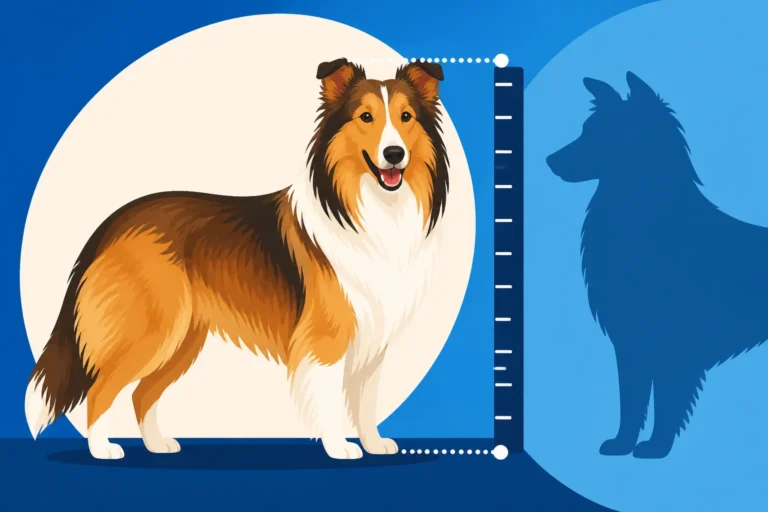
This emphasis on head type has been passed down through generations of Collies. When you see a Rough or Smooth Collie today, with its intelligent eyes and elegantly tapering muzzle, you are looking at the direct result of those Victorian ideals. While modern breeders strive for moderation and overall balance, the foundation was laid in an era when every nuance of the head, from the placement of the eyes to the length of the foreface, was scrutinized and enhanced. What a Collie Weighs and How Tall It Stands This particular feature is so integral that it’s almost impossible to imagine a Collie without it.
Health Implications and Genetic Diversity
While the Victorian era brought about aesthetic refinement, it also inadvertently introduced challenges related to genetic diversity. When breeders focus intensely on a very specific set of physical traits, often using a limited pool of highly successful show dogs, the overall gene pool can shrink. This reduction in genetic diversity can, over time, make a breed more susceptible to certain inherited health conditions. It's a trade-off that many purebred dogs have faced throughout history.
For the Collie, this intense focus meant that certain desirable traits, like the long head, were sometimes pursued at the expense of other considerations. While there's no direct link proven between the Borzoi cross theory and specific modern health issues, the general practice of narrow selective breeding can always have long-term consequences. Responsible modern breeders, therefore, balance the pursuit of the ideal breed standard with a deep commitment to health testing and maintaining genetic diversity. They understand that a beautiful dog should also be a healthy one. This means using available DNA tests and being mindful of lineage, ensuring that the elegance of the breed does not come at the cost of its well-being. Whether Show Collies Are Healthier Than Working Ones The history of the Collie is a fascinating interplay of utility, beauty, and the ongoing commitment to breed health.
Disclaimer
This article is for general informational purposes only and does not constitute professional advice. Laws, prices and regulations vary by location and change over time. Consult a qualified professional for guidance on your specific situation.