How Dermatomyositis Risk Is Scored in a Collie
It can be incredibly disheartening to notice strange skin lesions, hair loss, or scabbing on your beloved Collie, especially when they appear on prominent areas like the face or legs. This isn't just a cosmetic issue; it's often a sign of something more profound, and for many Collie owners, it raises the dreaded question: could this be dermatomyositis? Understanding this complex genetic condition and how its risk is scored is crucial for both current owners and those considering bringing a Collie into their lives, offering a roadmap to proactive care and informed breeding decisions.
Demystifying Dermatomyositis in Collies: More Than Just Skin Deep
Dermatomyositis (DMS) in Collies is one of those breed-specific health concerns that can throw even experienced owners for a loop. It's an immune-mediated inflammatory disease that primarily affects the skin, muscle, and sometimes blood vessels. While it’s not exclusive to Collies, they, along with Shetland Sheepdogs and some other breeds, have a well-documented genetic predisposition. The early signs can be subtle, making it easy to overlook or mistake for other common skin ailments, adding to the owner's frustration and the dog's discomfort.
What is Dermatomyositis and What Does It Look Like?
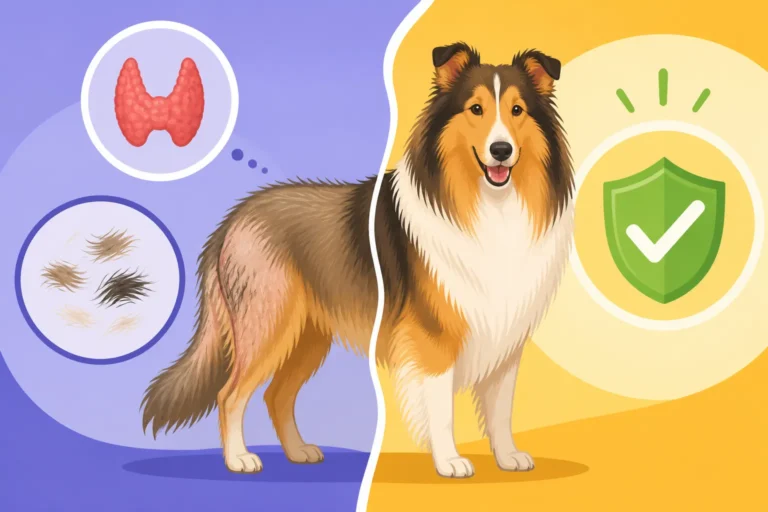
At its core, dermatomyositis is characterized by inflammation, but its outward manifestations are what most owners will first notice. Typically, you'll see skin lesions appearing on specific parts of the body that experience trauma or friction. These "hot spots" often include the bony prominences of the face, like around the eyes, lips, and muzzle, as well as the tips of the ears, and sometimes the tail or the outer surfaces of the limbs. The lesions can vary quite a bit in appearance. You might initially spot redness, scaling, or crusting, which can progress to patches of hair loss (alopecia), ulcers, or even permanent scarring if left untreated. Sometimes the skin can look thinned and fragile, almost like cigarette paper, making it more prone to injury. The intensity can wax and wane; one day your Collie might look relatively clear, and the next, a new flare-up emerges, often seemingly out of nowhere. It's a frustrating cycle that can leave both you and your vet scratching your heads if you're not aware of the breed-specific risk.
The Frustration of Misdiagnosis: Why Early Recognition Matters
One of the most challenging aspects of DMS is its uncanny ability to mimic other dermatological conditions. Imagine taking your Collie to the vet for what looks like a persistent rash, only to go through rounds of antibiotics for presumed bacterial infections, antifungals for ringworm, or steroids for allergies, with little to no lasting improvement. This scenario is all too common. The lesions can resemble everything from staph infections and mange to allergic reactions or even certain autoimmune diseases like pemphigus. This diagnostic merry-go-round not only costs precious time and money – you might find yourself frequently checking What a Collie's Dermatologist Referral Costs – but it also prolongs your dog's discomfort and allows the disease to potentially progress. Early and accurate diagnosis is absolutely vital. The sooner you recognize the possibility of DMS, the quicker you can pursue appropriate genetic testing and management strategies, potentially preventing more severe skin damage and improving your Collie's quality of life. Informing your vet about your Collie's genetic predispositions, including DMS, is as important as discussing their MDR1 status, truly. Learning how to effectively How a Collie Owner Tells the Vet About MDR1 can provide a good framework for communicating other genetic concerns.
Beyond the Skin: Potential Internal Impacts
While the visible skin lesions are the hallmark of dermatomyositis, it's important to remember that this condition isn't always just skin deep. In some Collies, especially those with more severe forms, the inflammation can extend to the muscles, leading to myositis. When this occurs, you might start noticing signs like muscle atrophy, particularly on the head, which can manifest as sunken temples. This muscle wasting can impact your Collie's ability to chew, swallow, or even move comfortably. While less common, in very severe cases, there can be systemic effects impacting overall health and well-being. This is why keeping an eye out for more subtle changes, beyond just the skin, is so important. A Collie with dermatomyositis losing muscle mass is a concerning sign that requires immediate veterinary attention. These broader impacts underscore why managing the condition effectively and understanding its genetic underpinnings are so important for the overall health and lifespan of your beloved Collie.
Unraveling the Genetic Blueprint: The Genes Behind Collie Dermatomyositis
Understanding DMS risk isn't about blaming the dog; it's about understanding the complex interplay of genetics that makes Collies susceptible. Unlike some conditions caused by a single, straightforward gene mutation, dermatomyositis is considered a polygenic disorder. This means it's influenced by multiple genes acting together, making the inheritance pattern a bit more intricate than a simple dominant or recessive trait. Researchers have worked tirelessly to pinpoint these specific genetic markers, giving us a clearer picture of an individual Collie's risk.
The 'Risk Loci': Identifying the Key Genetic Players
Thanks to dedicated research, primarily funded by organizations like the Collie Health Foundation and carried out by institutions like Clemson University, we now know that several specific genetic regions, or "loci," contribute to DMS risk in Collies. The most significant of these are often referred to as A, B, and C. These aren't just random letters; they represent distinct gene markers that, when present in certain combinations, significantly increase a Collie's likelihood of developing the condition.
- DLA-DRB1 (Locus A): This gene is part of the Dog Leukocyte Antigen (DLA) system, which is canine equivalent of the Major Histocompatibility Complex (MHC) in humans. The MHC plays a critical role in the immune system, helping it recognize foreign invaders and distinguishing "self" from "non-self." Certain variants (alleles) at this locus have been strongly associated with increased risk for several autoimmune diseases, including DMS.
- MAP3K7CL (Locus B): This gene is involved in signaling pathways within cells, particularly those related to inflammation and immune responses. Specific variations here also contribute to the overall risk profile.
- PVR (Locus C): The Poliovirus Receptor gene (PVR) is another key player, involved in various cellular processes, including immune regulation and cell adhesion. Certain alleles at this locus are linked to a higher propensity for developing DMS symptoms.
It’s the combination of these three loci that creates the most accurate picture of a Collie's genetic risk, rather than any single one in isolation.
How Genes Interact to Create Risk
Since DMS is polygenic, it means that the risk isn't determined by inheriting just one "bad" gene. Instead, it's a cumulative effect. Imagine it like a hand of cards: having one high-risk card might slightly increase your chances, but having a full hand of several high-risk cards significantly ups the ante. Each of the identified risk loci (A, B, and C) has different alleles (variants) that a Collie can inherit from its parents. For example, at Locus A, a Collie might inherit two "A" alleles (AA), or one "A" and one "G" allele (AG), or two "G" alleles (GG). The "A" allele at this locus is generally considered the higher risk variant for DMS.
The same principle applies to Locus B and Locus C, each with their own risk-associated alleles. A Collie's overall genetic risk score is essentially a snapshot of which specific alleles they carry at all three of these loci. It's not a simple dominant/recessive inheritance model where one copy of a gene guarantees a condition. Instead, the more risk alleles a Collie inherits across these three distinct loci, the higher their overall genetic predisposition to developing clinical signs of dermatomyositis. This complex interaction explains why some Collies might carry a few risk alleles but never show symptoms, while others with a higher concentration of these alleles are more likely to be affected.
Why Some Dogs with Risk Genes Don't Show Symptoms
This is perhaps one of the most puzzling aspects of dermatomyositis for owners: you might test your Collie, find they have a higher risk score, yet they never develop a single lesion. Conversely, a Collie with a moderate risk might exhibit severe symptoms. This phenomenon is known as "incomplete penetrance" and "variable expressivity."
- Incomplete Penetrance: This means that even if a dog inherits the genetic predisposition, they may not actually express the disease clinically. The genes load the gun, but something else pulls the trigger. This is common in polygenic disorders and those with an immune-mediated component.
- Variable Expressivity: Among dogs that do express the disease, the severity can vary widely. One Collie might only have mild, infrequent scabbing on the ear tips, while another might suffer from widespread lesions, severe hair loss, and even muscle atrophy.
What are these "other factors" that influence whether a genetically predisposed Collie develops DMS, and how severely? Environmental triggers play a significant role. Things like sun exposure, stress (from changes in routine, new pets, or even loud noises), and physical trauma to the skin (like friction from collars or rough play) can all act as catalysts, bringing latent genetic predisposition to the surface. It's a reminder that genetics is often just one piece of a larger health puzzle, and proactive care can often mitigate genetic risks.
Decoding the Dermatomyositis Risk Score: What the Letters Mean
For years, diagnosing DMS was largely based on clinical signs and skin biopsies, which meant the condition had to manifest before it could be confirmed. The development of a genetic risk test has been a game-changer, allowing breeders and owners to assess a Collie's predisposition long before any symptoms appear. This proactive approach helps in making informed decisions about breeding and care.
The DNA Test: How Samples Are Collected and Processed
Getting your Collie tested for DMS risk is a relatively simple and non-invasive process. Reputable laboratories specializing in canine genetic testing, such as OptiGen or VetGen, offer comprehensive health panels that include the DMS risk factors. The process typically involves collecting a buccal swab – essentially a gentle cheek swab – from your dog. This swab collects epithelial cells containing your dog's DNA. Some labs might also accept blood samples, especially if they are already processing other tests.
Once collected, the sample is sent to the laboratory. There, skilled technicians extract the DNA and perform genetic analysis using specialized techniques like PCR (Polymerase Chain Reaction) to identify the specific alleles present at the three key loci (A, B, and C). The results are then compiled into a report that details your Collie's genetic makeup for these markers and provides an overall risk score. This can often be done as part of a larger panel, like What the Collie DNA Health Panel Covers, which looks at multiple health issues relevant to the breed. It’s a small investment for a wealth of information that can guide your choices for your Collie’s health.
Understanding the A/B/C Scoring System
The genetic test for dermatomyositis provides results for three distinct genetic loci: A, B, and C. Each locus has different alleles, and your Collie inherits one from each parent. The combination of these inherited alleles at each locus determines your Collie's individual genetic makeup. Here's a breakdown of how the scoring works:
- Locus A (DLA-DRB1): The key alleles here are "A" (considered the risk allele) and other alleles (often denoted as "G" or simply non-A). A Collie can be A/A, A/G (or A/non-A), or G/G (or non-A/non-A).
- Locus B (MAP3K7CL): Similar to Locus A, there are risk alleles and protective alleles.
- Locus C (PVR): Again, distinct risk and protective alleles exist here.
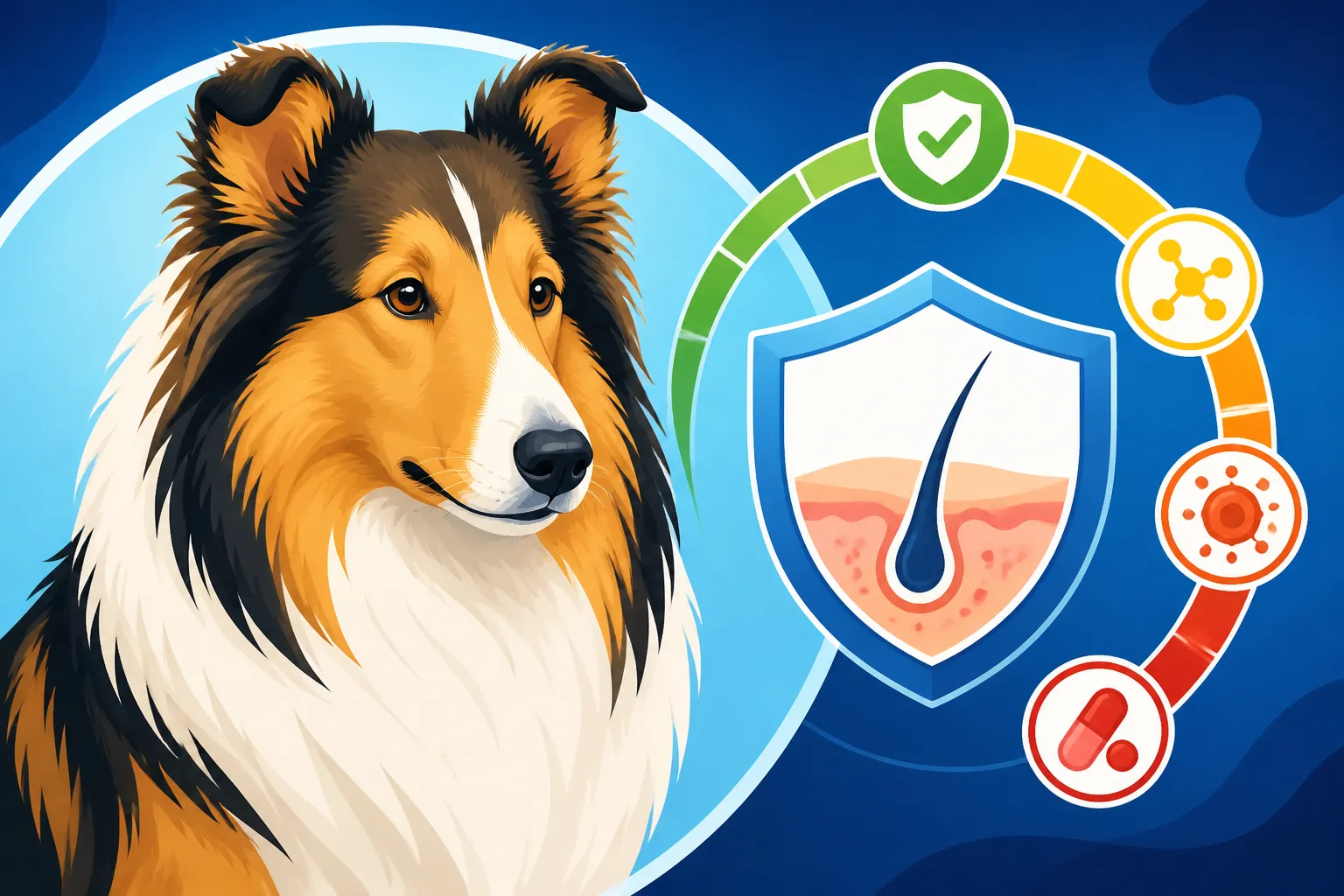
The overall DMS risk score is then assigned based on the cumulative combination of these alleles. The scoring system usually categorizes dogs into different risk levels, often using a descriptive system like "Low Risk," "Moderate Risk," or "High Risk," or more specifically, by grouping the allele combinations. For example, a Collie with a low number of risk alleles across all three loci would receive a "Low Risk" score, while a Collie with multiple risk alleles at each locus would fall into the "High Risk" category. This comprehensive approach considers the additive effect of these genetic factors.
Interpreting Your Collie's Specific Risk Score
Once you receive your Collie's genetic test results, it's crucial to understand what the specific scores mean for their health and any potential breeding plans. The most commonly accepted scoring system, developed by researchers at Clemson University, classifies Collies into three main risk categories based on their genotypes at the A, B, and C loci:
| Risk Category | Locus A Genotype | Locus B Genotype | Locus C Genotype | Interpretation |
|---|---|---|---|---|
| A/A | No Risk Allele | No Risk Allele | No Risk Allele | Low Risk: These Collies have the lowest genetic predisposition to developing DMS. The estimated risk of developing clinical signs is very low (less than 5%). Ideal for breeding. |
| A/B | One or more risk | One or more risk | No risk allele | Moderate Risk: These Collies carry some risk alleles. The estimated risk of developing clinical signs is moderate (around 30-50%). Can be bred carefully to A/A dogs. |
| B/C | One or more risk | One or more risk | One or more risk | High Risk: These Collies have the highest genetic predisposition, carrying multiple risk alleles across all three loci. The estimated risk of developing clinical signs is high (over 50%, potentially up to 90%). Breeding to A/A dogs is recommended. |
Important Considerations:
- A/A (Low Risk): A Collie scoring A/A is considered genetically clear or "low risk." This means they carry the least number of risk alleles and have a very low probability of developing DMS in their lifetime. They are excellent candidates for breeding, as they will not pass on high-risk alleles from these specific loci.
- A/B (Moderate Risk): A Collie with an A/B score carries some risk alleles, but not the highest combination. They have a moderate chance of developing clinical signs of DMS, particularly if exposed to environmental triggers. While not ideal, they can still be part of a responsible breeding program when carefully paired with an A/A dog to produce offspring with lower overall risk.
- B/C (High Risk): A Collie with a B/C score has the highest genetic predisposition to DMS. They are significantly more likely to develop clinical signs, and often at an earlier age and with more severe symptoms. Breeding a B/C dog is generally discouraged, or if done, only with an A/A dog and with full transparency, always aiming to reduce the risk in the next generation. These dogs definitely need careful monitoring for any signs of the disease and proactive management to mitigate environmental triggers.
It's vital to remember that these scores indicate genetic predisposition, not a guarantee of disease or health. Environmental factors, as discussed earlier, still play a significant role. A high-risk dog might never show symptoms if well-managed, while a moderate-risk dog might have a flare-up under extreme stress or sun exposure. The scores are a tool to inform decisions, not a definitive fate.
Navigating the Breeding Landscape with DMS Scores
The availability of genetic testing for dermatomyositis has provided Collie breeders with an invaluable tool for making more informed decisions. The goal isn't to eliminate every dog with a risk allele from the gene pool, as that could severely narrow genetic diversity. Instead, it's about strategically managing risk to reduce the incidence of clinical DMS while preserving the wonderful qualities of the Collie breed.
Responsible Breeding: Using Scores to Make Informed Choices
Responsible breeders understand that their role extends beyond producing beautiful puppies; it's about safeguarding the future health of the breed. DMS genetic testing allows them to assess potential breeding pairs and predict the risk profile of their offspring. The ideal scenario is to breed an A/A (low risk) Collie with another A/A Collie. This pairing will consistently produce A/A puppies, ensuring the lowest possible genetic risk for DMS. This is a clear path forward for those aiming to improve the health of their lines.
However, the reality of breeding is often more complex. Many excellent Collies, otherwise outstanding in temperament, conformation, or working ability, might carry moderate (A/B) or even high (B/C) risk alleles. In these cases, a truly responsible breeder will use the DMS score to guide their choices. For instance, an A/B Collie might be bred to an A/A Collie, with the expectation that some offspring will be A/A and some A/B, but none will be B/C. The breeder can then test the puppies and place them accordingly, informing prospective owners about their pup's individual risk. The key is transparency and a commitment to reducing disease prevalence over time. This approach aligns with the broader goals of comprehensive health testing, similar to how breeders approach other genetic conditions in the breed, knowing that The Three Genetic Tests a Collie Breeder Owes You extend beyond just MDR1 and CEA.
The Dilemma of Breeding Affected or High-Risk Dogs
The decision to breed a Collie that has actually developed clinical signs of dermatomyositis, or one with a B/C (high risk) genetic score, is a significant ethical consideration. Most veterinary dermatologists and geneticists strongly advise against breeding dogs that have exhibited clinical DMS, regardless of their genetic score, because they have demonstrated susceptibility. For high-risk (B/C) dogs that remain asymptomatic, the decision becomes more nuanced. While breeding them to A/A dogs can still produce some lower-risk offspring, it's a practice that requires careful thought and a deep understanding of population genetics. The risk of producing affected or high-risk puppies is still substantial.
Breeders must weigh the benefits of a particular dog's other qualities (e.g., exceptional temperament, conformation, working drive) against the risk of perpetuating DMS. Some might choose to "test breed" such a dog, producing a small litter and genetically testing the puppies to understand the transmission patterns. This is usually done with the understanding that affected puppies will be placed in pet homes with full disclosure and support for managing their potential condition. It's a challenging balance, striving to eliminate a disease without inadvertently creating other problems by severely bottlenecking the gene pool. Organizations like the Collie Health Foundation actively promote research and responsible breeding practices to help navigate these complex decisions, making transparent Whether a Collie Breeder Should Publish Results an important step.
The Goal: Reducing DMS Prevalence While Preserving the Breed
The ultimate objective of genetic testing for DMS is not to make breeding impossible but to significantly reduce the incidence of the disease in the Collie population. This is a long-term strategy that requires a collaborative effort from breeders, owners, and researchers. By selectively breeding dogs with lower risk profiles, or by carefully pairing higher-risk dogs with clear mates, breeders can gradually shift the genetic makeup of the breed towards healthier outcomes. This doesn't mean aiming for 100% A/A dogs overnight, as such a drastic measure could inadvertently reduce genetic diversity, potentially making the breed vulnerable to other diseases in the future.
Instead, the focus is on informed choices: understanding each dog's genetic contribution, prioritizing health, and educating the community. The Collie Health Foundation, for example, funds ongoing research into DMS and other Collie-specific health concerns, striving for a future where Collies can live full, healthy lives free from these preventable conditions. It's a testament to the dedication of the Collie community that What the Collie Health Foundation Funds often targets conditions like DMS, pushing for continuous improvement in breed health.
Living with a Collie at Risk: Proactive Care and Management
Even if your Collie has a genetic predisposition to dermatomyositis, it doesn't mean they are doomed to suffer. Understanding their risk allows you to be proactive, minimizing triggers and watching for early signs. Living with a Collie at risk for DMS means being an attentive owner, ready to adapt their routine and environment to support their skin health.
Environmental Triggers: What Can Worsen DMS Symptoms
For Collies with a genetic predisposition to DMS, environmental factors often act as the "on" switch for clinical signs. The three main culprits are often:
- Sun Exposure: UV radiation is a well-documented trigger for DMS flares. Think of it like a really bad sunburn that sparks an autoimmune reaction. Areas with sparse hair, like the muzzle, ear tips, and around the eyes, are particularly vulnerable. Extended time outdoors, especially during peak sun hours, can significantly exacerbate lesions or trigger new ones.
- Stress: Just like in humans, stress can have a profound impact on a dog's immune system. Changes in routine, new environments, separation anxiety, or even perceived threats can lead to increased cortisol levels, which can, in turn, trigger a DMS flare-up. Collies are intelligent and sensitive dogs, and household tension or significant life changes can impact them more than you might realize.
- Trauma/Friction: Physical irritation to the skin can also initiate lesions. This includes prolonged rubbing from collars or harnesses, minor cuts or scrapes from playing, or even vigorous grooming. Any area that experiences repeated friction or minor injury can become a site for a DMS lesion in a predisposed dog.
Being aware of these triggers empowers you to take preventative measures. It’s about creating an environment that minimizes risk and keeps your Collie comfortable, even if they have a higher genetic score.
Monitoring and Early Intervention: Watching for the First Signs
If your Collie has a known genetic risk for dermatomyositis, diligent monitoring becomes a crucial part of your routine. Regularly inspect the common trouble spots: the bridge of the nose, around the eyes and mouth, the ear tips, and the bony prominences of the legs and tail. Look for:
- Redness or inflammation: Any unusual pink or red patches.
- Scaling or crusting: Dry, flaky skin or small scabs.
- Hair loss (alopecia): Patches of thinning or missing fur.
- Thinning skin: Areas where the skin appears unusually fragile or delicate.
- Ulcers or sores: Open wounds, even small ones.
- Changes in muscle mass: Particularly noticeable as sunken areas on the head.
Catching these signs early is key. The moment you notice anything suspicious, contact your veterinarian. Don't wait for it to get worse or try to self-diagnose. Early intervention can prevent minor lesions from becoming severe and can help manage discomfort more effectively. Be prepared to discuss your Collie's DMS genetic test results with your vet, ensuring they understand the breed's specific vulnerabilities. Maintaining a clear record of any skin changes, including photos, can also be incredibly helpful for your vet in assessing the progression of the condition.
Supportive Care and Treatment Options for Affected Collies
For Collies that do develop clinical signs of dermatomyositis, management often involves a multi-faceted approach aimed at reducing inflammation, promoting healing, and preventing recurrence. There's no single cure, but various treatments can effectively control the symptoms and improve quality of life.
- Sun Protection: This is paramount. Limit sun exposure during peak hours (10 AM to 4 PM). Use dog-safe sunscreen (check with your vet for recommendations) on vulnerable areas like the nose and ear tips. Dog hats or rash guards can also provide physical barriers.
- Medication: Your vet may prescribe medications to manage the immune response and reduce inflammation. Common options include pentoxifylline, which improves blood flow to the skin, and various corticosteroids or other immunomodulatory drugs like cyclosporine. These are often used to get initial flare-ups under control. Sometimes, Whether a Collie's Dermatomyositis Needs Lifelong Medication is a real concern, and a vet will help you understand the long-term plan.
- Topical Treatments: Medicated shampoos, ointments, or sprays can help soothe irritated skin, prevent secondary infections, and promote healing of lesions.
- Dietary Support: While not a primary treatment, some owners find that a diet rich in omega-3 fatty acids (like fish oil) or other skin-supportive nutrients can help improve overall skin health and reduce inflammation. Always discuss dietary changes with your vet.
- Stress Reduction: Minimizing stress through consistent routines, a calm home environment, and positive reinforcement training can make a significant difference.
- Preventing Trauma: Ensure collars and harnesses fit well and don't cause friction. Avoid rough play that might injure the skin.
It’s also wise to consider pet insurance, especially for a breed with known genetic predispositions. Companies like Healthy Paws offer plans that can help cover the costs of diagnostics, medications, and veterinary visits associated with managing chronic conditions like dermatomyositis. Having a good insurance plan, like those offered by Healthy Paws, can provide immense peace of mind, allowing you to focus on your Collie's health without constantly worrying about the financial burden of ongoing treatment. When choosing a plan, remember to inquire Whether a Collie Policy Covers Genetic Disease to ensure comprehensive coverage.
The Future of DMS Research and Collie Health
The journey to understand and manage dermatomyositis in Collies is ongoing. While significant strides have been made with genetic testing and risk scoring, researchers, breeders, and owners continue to collaborate, striving for even better outcomes. The dedication within the Collie community to improving the health of the breed is truly inspiring.
Ongoing Research: What Scientists Are Still Learning
Despite the breakthroughs in identifying the primary genetic loci (A, B, C) for DMS risk, research continues to evolve. Scientists are exploring several avenues to deepen our understanding of this complex condition:
- Identifying additional genetic modifiers: While the A, B, and C loci account for a significant portion of the risk, there may be other genes or genetic interactions that influence disease expression or severity. Researchers are continuously scanning the Collie genome for new markers that could refine risk predictions or reveal novel treatment targets.
- Understanding environmental interplay: There's still much to learn about precisely how environmental triggers interact with genetic predispositions to cause clinical disease. Studies are looking into specific stressors, UV light mechanisms, and even dietary factors that might modulate the immune response in predisposed Collies.
- Developing new therapies: Beyond current anti-inflammatory and immunomodulatory drugs, scientists are investigating novel therapeutic approaches, including advanced immunotherapies or gene-editing techniques, although these are typically further down the line. The goal is to find treatments that are not only effective but also have fewer side effects, offering better long-term management for affected dogs.
- Long-term studies: Longitudinal studies tracking large populations of Collies with known genetic scores and varying environmental exposures can provide invaluable data on disease progression, treatment efficacy, and overall prognosis.
This ongoing commitment to research is vital for improving the health and welfare of Collies worldwide, and it's often supported by dedicated organizations and individual contributions.
The Role of Owners and Breeders in Advancing Knowledge
The advancements in understanding DMS wouldn't be possible without the active participation of Collie owners and breeders. Their willingness to engage in genetic testing, share health data, and participate in research studies is absolutely critical.
- Genetic Testing: By routinely testing their breeding stock and even pet Collies, owners and breeders contribute to larger databases that help researchers validate findings, identify new markers, and refine risk models. If you're wondering Whether an Adult Collie Can Be Tested for MDR1, the answer is yes, and the same applies to DMS – any Collie can be tested at any age.
- Health Registries: Submitting health information, including DMS test results and any clinical diagnoses, to breed-specific health registries (like those managed by the Orthopedic Foundation for Animals – OFA, or directly by the Collie Club of America) creates a centralized resource. This data allows researchers to identify trends, study incidence rates, and understand the real-world impact of genetic predispositions.
- Participation in Research: Sometimes researchers put out calls for samples from affected or unaffected Collies, or for detailed medical histories. Owners who respond to these calls directly contribute to scientific discovery, providing the raw material for breakthroughs. For instance, if you notice The Weeks a Collie Puppy First Shows Dermatomyositis, sharing that detailed observation with researchers can be invaluable.
- Advocacy and Funding: Supporting organizations like the Collie Health Foundation through donations or volunteering directly fuels research projects. Every dollar contributes to finding answers and improving the health of future generations of Collies.
This collaborative spirit ensures that the knowledge gained from research is directly applied to the breed, leading to healthier dogs and happier families.
Collaborative Efforts: How Organizations Support Collie Health
The effort to combat dermatomyositis and other breed-specific health issues in Collies is a true testament to collaboration. Several key organizations play instrumental roles in supporting research, educating the public, and promoting responsible breeding practices.
- The Collie Health Foundation (CHF): This non-profit organization is perhaps the most prominent player. Founded by dedicated Collie fanciers, the CHF's primary mission is to fund research projects focused on improving the health and longevity of Collies. They have been instrumental in funding the DMS genetic research that led to the current risk test. They also provide educational resources for owners and breeders.
- Collie Club of America (CCA): As the national breed club, the CCA works closely with the CHF to promote health screening and responsible breeding. They often host educational seminars and provide platforms for breeders to connect with health experts. While the CCA itself does not directly conduct research, its support and advocacy are invaluable for disseminating information and encouraging health initiatives.
- University Research Institutions: Institutions like Clemson University have been at the forefront of DMS research, housing the genetic data and leading the scientific investigations. Their researchers work in conjunction with breed clubs and foundations to translate scientific discovery into practical tools for breeders and owners.
- Veterinary Specialists: Dermatologists, geneticists, and general practice veterinarians who have a deep understanding of breed-specific conditions are crucial for accurate diagnosis, treatment, and counseling for owners of Collies with DMS. They apply the research findings in real-world clinical settings.
These organizations, working together, create a robust support system that not only helps individual Collies affected by dermatomyositis but also safeguards the overall health and well-being of the breed for generations to come. It’s a collective passion that continues to drive progress in canine health.
Disclaimer
Please remember that the information provided in this guide is for educational purposes only and should not be considered a substitute for professional veterinary advice. Always consult with a qualified veterinarian or veterinary dermatologist for any health concerns or before making any decisions related to your Collie's care, treatment, or breeding. Genetic test results should always be interpreted in consultation with a genetic counselor or your veterinarian.