Whether Anesthesia Is Riskier for an MDR1 Collie
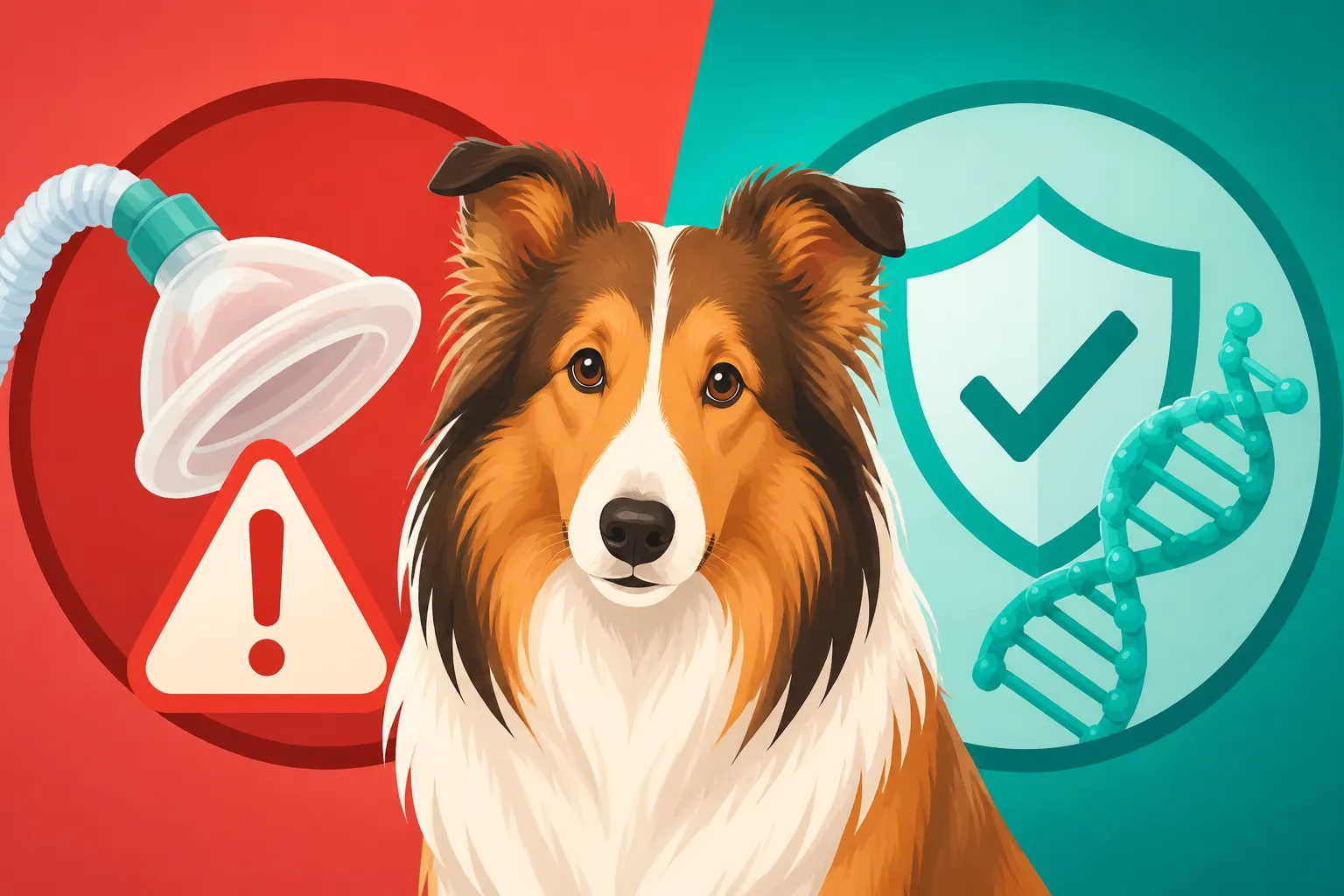
It’s a terrifying thought: your beloved Collie needs surgery or a diagnostic procedure, and suddenly you’re faced with the anxiety of anesthesia. For owners of Collies, this fear is often amplified by the knowledge of the MDR1 gene mutation, a genetic quirk that can make common veterinary drugs, including some anesthetics, potentially dangerous. This guide aims to demystify the risks, empower you with knowledge, and outline how you can work with your vet to ensure the safest possible outcome for your precious Collie.
Understanding MDR1 and Its Impact on Drug Metabolism
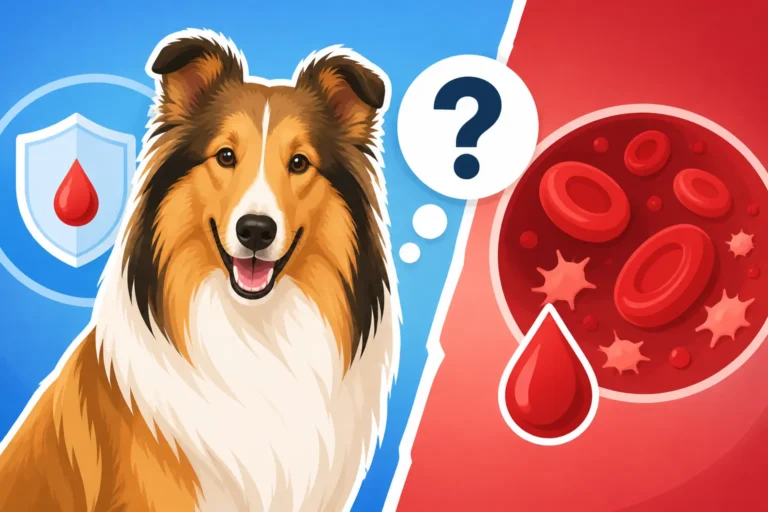
If you own a Collie, the term MDR1 mutation has likely caused you some sleepless nights. This isn't just a fancy genetic term; it's a real and significant factor that dictates how your dog's body processes certain medications. The MDR1 gene (Multidrug Resistance 1) is responsible for producing a protein called P-glycoprotein, which acts like a tiny bouncer at the "blood-brain barrier" – a protective shield that prevents many substances from entering the brain. For Collies with the MDR1 mutation, this P-glycoprotein pump doesn't work correctly, or sometimes not at all.
This faulty pump means that certain drugs, which would normally be quickly escorted out of the brain by the P-glycoprotein, can accumulate to toxic levels. Think of it like a clogged drain; the water (drugs) keeps flowing in but can't get out, leading to an overflow. When these drugs, especially those used for sedation and anesthesia, build up in the central nervous system, they can cause severe neurological symptoms, ranging from prolonged sedation and disorientation to tremors, seizures, coma, and even death. It’s a profound difference in drug metabolism that can turn a routine procedure into a life-threatening event. To truly grasp the specifics, understanding What the MDR1 Mutation Actually Does to a Collie is paramount.
The mutation can be present in one copy (heterozygous, N/M) or two copies (homozygous, M/M). Even one copy can significantly impair drug elimination, though two copies generally lead to more severe reactions. This is why knowing your Collie's MDR1 status is absolutely critical, not just for anesthesia, but for many other medications they might encounter throughout their life. Many Collies, along with other herding breeds like Australian Shepherds and Shetland Sheepdogs, carry this mutation, making it a widespread concern that every Collie owner must be vigilant about.
Anesthetic Agents to Approach with Caution
When it comes to anesthesia, not all drugs are created equal, especially for an MDR1-affected Collie. Certain pre-anesthetic medications and sedatives are known to pose a significant risk due to their interaction with the faulty P-glycoprotein pump. The consequences of using these drugs can be devastating, resulting in protracted recovery periods, severe depression of the central nervous system, and other life-threatening complications that no owner ever wants to witness. This is a critical conversation to have with your veterinarian long before any procedure.
One of the most widely recognized problematic drugs for MDR1 Collies is Acepromazine. This commonly used tranquilizer and pre-anesthetic can cause profound and prolonged sedation, hypotension (low blood pressure), and even collapse in affected dogs. While effective for many breeds, it's generally recommended to avoid or use extremely reduced doses in Collies, if at all, to prevent severe reactions. It's a prime example of a drug that accumulates in the brain when the P-glycoprotein pump isn't doing its job.
Other drugs that warrant extreme caution include certain opioids like Butorphanol (especially at higher doses, though some vets consider lower doses safer with careful monitoring) and morphine. While opioids are crucial for pain control, their metabolism and potential to cross the blood-brain barrier can be altered in MDR1-affected dogs. Even some anti-diarrheal medications, like Loperamide (Imodium), are on the watch list, showing just how broad the impact of this genetic mutation can be. A comprehensive understanding of The Drug List That Can Kill a Collie and Which Drugs an MDR1 Collie Must Never Have will help you advocate for your dog's safety. Knowing what to avoid is half the battle; the other half is understanding the subtle Signs an MDR1 Collie Is Having a Drug Reaction so you can act quickly if an unexpected situation arises.
Safer Anesthesia Protocols for Your MDR1 Collie
The good news is that an MDR1 mutation does not mean your Collie can't have safe anesthesia. It simply means your veterinary team needs to be aware of the mutation and adjust their protocols accordingly. The key is communication, careful drug selection, and vigilant monitoring. A veterinarian who is knowledgeable about the MDR1 mutation and its implications is an invaluable partner in ensuring your Collie's safety. Many vets now regularly test Collies for MDR1, or at least operate under the assumption that a Collie could be affected, which is a great starting point.
When planning an anesthetic procedure, your vet will likely opt for a multi-modal approach, using smaller doses of several safer drugs rather than high doses of one potentially risky one. For pre-medication, instead of acepromazine, they might choose a benzodiazepine like midazolam or diazepam combined with an opioid such as buprenorphine or fentanyl. These combinations can provide excellent sedation and pain control with a much lower risk profile for MDR1-affected dogs. This is precisely why it's vital to discuss Whether an MDR1 Collie Can Take Any Sedative with your vet.
For induction, intravenous agents like Propofol or Alfaxalone are generally considered safe as they are rapidly metabolized by the liver, bypassing the P-glycoprotein pump concerns. Maintenance of anesthesia is typically achieved using inhalant anesthetics like Isoflurane or Sevoflurane, which are exhaled from the body and also considered safe for MDR1 Collies. During the procedure, your Collie will be closely monitored with advanced equipment tracking heart rate, breathing, blood pressure, oxygen saturation, and temperature. This vigilance allows the veterinary team to respond immediately to any adverse reactions. Many owners find peace of mind knowing that providers like Healthy Paws may cover unforeseen complications, providing a crucial safety net for these specialized care needs.
Here's a simplified comparison of common anesthetic-related drugs:
| Drug Category | Generally Safer for MDR1 Collies | Approach with Caution/Avoid for MDR1 Collies |
|---|---|---|
| Pre-medication/Sedation | Midazolam, Diazepam, Buprenorphine, Fentanyl, Dexmedetomidine (use with caution/lower dose) | Acepromazine, Butorphanol (high doses), Morphine (high doses) |
| Induction | Propofol, Alfaxalone | Barbiturates (e.g., Thiopental, though rarely used now) |
| Maintenance | Isoflurane, Sevoflurane | (Primarily concerns with pre-meds and induction agents affecting CNS) |
| Pain Relief (Post-op) | Carprofen, Meloxicam (NSAIDs), Gabapentin, Buprenorphine | Certain long-acting injectable opioids with CNS penetration |
Preparing for Your Collie's Procedure
Preparation is key when your MDR1 Collie needs any procedure involving anesthesia. The very first step, even before scheduling, is to have an open and thorough discussion with your veterinarian about your Collie's MDR1 status. Don't assume they know, even if it's in their records. Policies can change, new staff might be involved, and a direct conversation ensures everyone is on the same page. This is a perfect opportunity to use resources like How a Collie Owner Tells the Vet About MDR1.
Ideally, your Collie should be tested for the MDR1 mutation if you haven't already done so. Labs like Washington State University (WSU) offer a reliable, non-invasive cheek swab test that can definitively determine your dog's genotype (N/N, N/M, or M/M). Having these results in hand allows your vet to make informed decisions about drug choices and dosages, eliminating any guesswork. If testing isn't feasible or results aren't available, it's always safest to proceed as if your Collie has two copies of the mutation (M/M), meaning the most conservative approach should be taken.
Before the scheduled procedure, make sure your vet is aware of any other medications your Collie is currently taking, as drug interactions can complicate anesthesia. Ask for a detailed anesthesia plan, including which drugs will be used at each stage, and why those particular choices are considered safe for an MDR1-affected dog. Don't hesitate to ask questions; an informed owner is a powerful advocate. For those unexpected moments, consider having a medical tag for your Collie, detailing their MDR1 status; it's a simple, yet effective way to communicate critical information in an emergency. Whether a Collie Should Wear a Medical Tag is a question worth considering for all Collie owners. Similarly, knowing What a Collie Owner Should Carry to an Emergency Visit can make all the difference when time is of the essence, especially if it includes their MDR1 test results. Having pet insurance, like a plan from Healthy Paws, can be invaluable for the peace of mind knowing you're covered for unexpected medical needs, especially when specialized care or emergency procedures might be required for an MDR1 Collie.
Post-Anesthesia Care and Monitoring
The journey doesn't end when your Collie wakes up. The post-anesthesia period is crucial, especially for an MDR1-affected dog. Even with the safest protocols, vigilance is still required as your dog metabolizes and eliminates the anesthetic agents from their system. It's common for Collies to be a bit groggy or disoriented after anesthesia, but with an MDR1 mutation, these effects can be more pronounced or prolonged if any drugs that cross the blood-brain barrier were used, even at reduced doses.
When you bring your Collie home, ensure they have a quiet, comfortable, and safe space to recover. Keep them warm and monitor their breathing, gum color, and overall responsiveness. It's important to keep an eye out for any signs that might indicate a delayed or adverse reaction, such as excessive drowsiness that doesn't improve, ataxia (uncoordinated gait), tremors, difficulty standing, or unusual vocalizations. While serious reactions are rare with appropriate precautions, knowing what to look for allows you to intervene quickly. Understanding Whether an MDR1 Collie Recovers From a Reaction can provide some reassurance, but careful observation is still your best tool.
Your veterinarian will provide specific post-operative instructions, which might include guidelines on feeding, activity levels, and medication administration. Adhere to these instructions carefully. If you notice any concerning symptoms that seem beyond normal post-anesthesia grogginess, do not hesitate to contact your vet immediately. It's always better to be overly cautious than to regret not calling. Many pet owners, especially those with breeds like Collies that have specific genetic sensitivities, find significant benefit in pet insurance plans from providers like Healthy Paws, which can help cover follow-up care or emergency interventions should complications arise during recovery.
Disclaimer
This article is intended for informational purposes only and does not constitute veterinary advice. Always consult with a qualified veterinarian regarding your Collie's specific health concerns, diagnosis, and treatment plan, especially concerning anesthesia and the MDR1 gene mutation.