Whether Collie Eye Anomaly Gets Worse Over Time
It's completely natural to worry about your Collie's health, especially when you hear about conditions like Collie Eye Anomaly (CEA). Many of us dread the thought of our beloved dogs losing their sight or experiencing worsening health issues. This guide is here to shed light on whether Collie Eye Anomaly truly progresses over time, what that means for your dog, and how you can best care for them.
Understanding What Collie Eye Anomaly Really Is
Collie Eye Anomaly, or CEA, is a congenital, inherited eye disease that affects Collies and several related breeds. It's a developmental abnormality, meaning it happens while the puppy is still in the womb. What's crucial to understand is that it's present at birth. It's not something a dog "catches" later in life, nor does it typically appear out of nowhere. The spectrum of how it affects a Collie can range from very mild, almost unnoticeable issues, to severe conditions that significantly impact vision.
The Genetic Basis of CEA
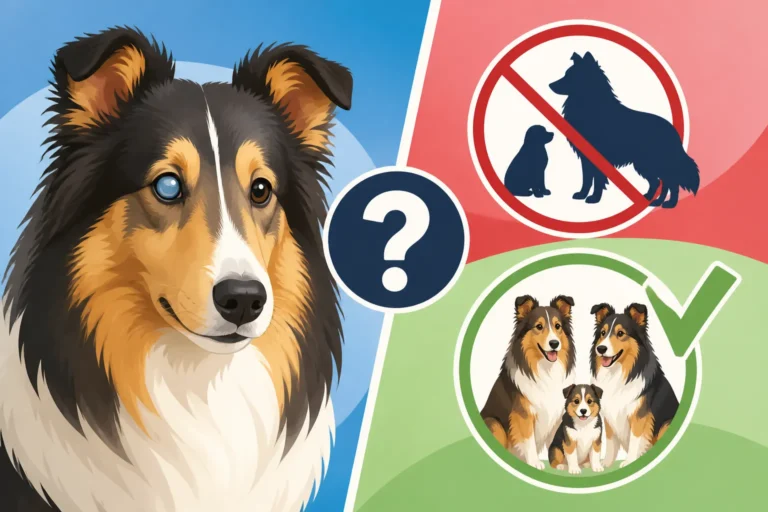
CEA is caused by a specific genetic mutation. This means that if a Collie puppy inherits two copies of the abnormal gene (one from each parent), they will be affected by CEA. If they inherit one abnormal and one normal gene, they are carriers and can pass it on, but usually won't show severe signs, if any. The beauty of modern veterinary science is that we can now test for this gene, allowing responsible breeders to make informed decisions. Knowing your Collie's genetic status is the first step in understanding and managing this condition. This is why getting your The Three Genetic Tests a Collie Breeder Owes You is so important, as it helps identify carriers and affected dogs before breeding.
Different Forms and Grades of CEA
CEA isn't a single condition; it's a collection of related abnormalities that can affect different parts of the eye. Veterinarians, especially board-certified veterinary ophthalmologists, grade CEA based on its severity and the structures it impacts.
- Choroidal Hypoplasia (CH): This is the most common and generally mildest form. It involves an underdeveloped choroid, a layer of blood vessels and connective tissue that nourishes the retina. It's usually found in both eyes. Dogs with only CH often have perfectly normal vision, or very slight, unnoticeable deficits.
- Colobomas: These are more serious. A coloboma is a pit or hole in one of the eye structures, most commonly the optic disc (where the optic nerve connects to the retina). Colobomas can vary greatly in size. Small ones might not cause major problems, but larger ones can significantly impair vision.
- Retinal Detachment: This is the most severe manifestation of CEA. It occurs when the retina, the light-sensitive tissue at the back of the eye, separates from the underlying choroid. This can be partial or complete and leads to severe vision loss or complete blindness in the affected eye.
- Intraocular Hemorrhage: Bleeding inside the eye can also occur, particularly with large colobomas, further compromising vision.
It's important to remember that a Collie can have one or a combination of these issues. A vet doing an eye exam on a puppy at five to seven weeks will be looking for these specific signs. For a deeper dive into the specific parts of the eye affected, you might want to read about What Collie Eye Anomaly Does to the Back of the Eye.
Why Early Diagnosis is Crucial
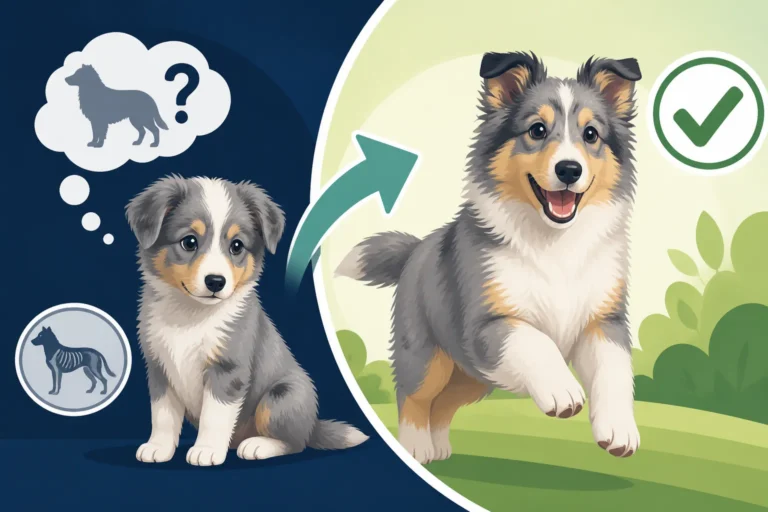
The term "Collie Eye Anomaly" implies a fixed state, but understanding its potential for secondary complications is key. That's why early diagnosis, typically through an eye exam by a veterinary ophthalmologist at 6-8 weeks of age, is paramount. At this age, the puppy's tapetum lucidum (a reflective layer behind the retina) hasn't fully developed its pigment, making it easier for the specialist to visualize the choroid and identify choroidal hypoplasia. As the puppy gets older, this pigmentation can obscure mild CH, leading to what's often called "go normal" where the mild CEA signs are hidden. This doesn't mean the CEA is gone; it just means it's harder to see. Knowing early allows you and your vet to understand the severity and discuss any potential future risks, even if What Go Normal Means in a Collie's Eye Exam makes it seem like nothing is wrong later.
Understanding the Progression: Does CEA Get Worse?
This is the million-dollar question for many Collie owners, and it's a really good one. The answer, unfortunately, isn't a simple yes or no. It depends largely on which specific manifestation of CEA your Collie has.
Choroidal Hypoplasia: A Non-Progressive Condition
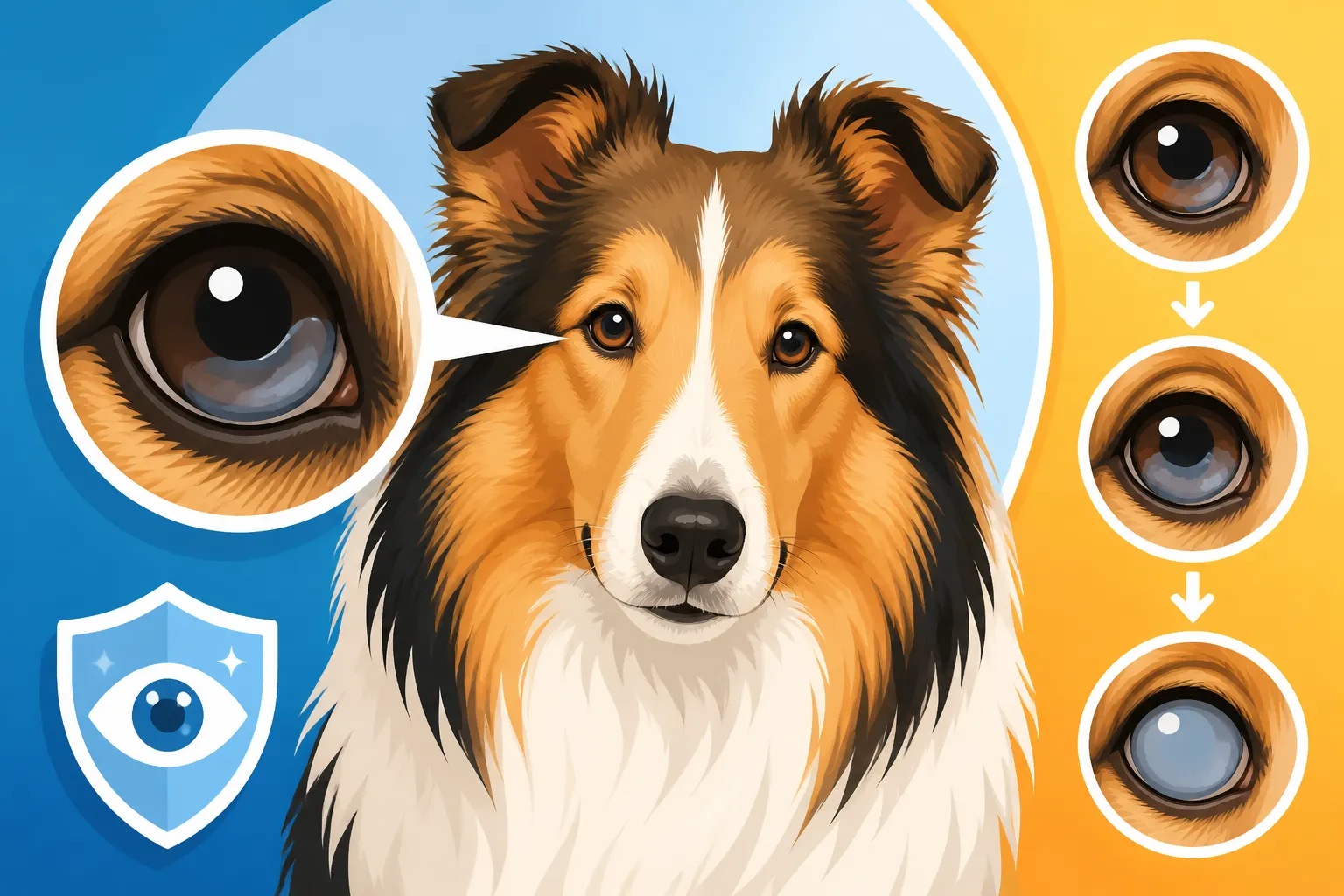
Let's start with the good news for the majority of affected Collies. If your dog has only choroidal hypoplasia (CH) – the mildest form where the choroid is underdeveloped – then no, it generally does not get worse over time. The defect is congenital, meaning it developed before birth, and it remains static. The abnormal structure of the choroid doesn't typically degenerate or worsen with age. Your Collie's vision, if it's slightly impaired due to CH, will usually remain consistent throughout their life. Many Collies with mild CH live full, happy lives with perfect functional vision, completely unaware they have any eye anomaly at all. This is often the case for Collies diagnosed with a mild "grade 1" CEA.
The Risk of Colobomas and Retinal Detachments Progressing
This is where the nuance comes in. While the underlying genetic defect that caused the coloboma or the predisposition to retinal detachment doesn't "worsen," the consequences of these more severe forms of CEA can certainly manifest or become more pronounced over time.
- Colobomas: A coloboma itself is a structural defect, a hole or pit. This hole doesn't typically grow larger, but its presence creates a weak spot in the eye. Over time, especially if the coloboma is large and involves the optic disc, it significantly increases the risk of a secondary retinal detachment or intraocular hemorrhage. These complications can appear later in life, even if the coloboma was present from birth. So, while the coloboma itself doesn't "worsen" in size, the risk of severe vision loss due to secondary issues is much higher and can occur at any age. This is why Whether Colobomas Are Worse Than Choroidal Hypoplasia in a Collie is such an important distinction.
- Retinal Detachment: If a Collie is born with a very mild, partial retinal detachment due to CEA, it's possible for that detachment to progress to a more complete detachment later. More often, however, a retinal detachment is a sudden, acute event that can happen because of a large coloboma or weak retinal attachment points created by CEA. This isn't a slow, degenerative process in the same way some other eye diseases are. It's more like a structural integrity issue finally giving way. So, if your vet notes a predisposed eye, they will caution you about the risk of a future detachment, which would indeed cause a sudden and severe worsening of vision. It's a scary thought, and one that makes regular check-ups vital. Learning Whether a Collie's Retina Can Detach Later can help you understand the risks.
When Does It Get Worse?
The progression isn't about the original genetic anomaly degrading. Instead, it's about the potential for secondary complications arising from those anomalies.
- Acute Events: Retinal detachments, for example, often happen suddenly. It's not a gradual deterioration of the retina in the months leading up to it but rather a tearing or separation that can be triggered by seemingly minor trauma, vigorous play, or even spontaneously in eyes with severe underlying structural weaknesses caused by CEA. This is why knowing if your Collie has a large coloboma is so important for prognosis.
- Bleeding: Intraocular hemorrhages can also occur, sometimes associated with a retinal detachment or due to fragile vessels near a coloboma. While the eye can sometimes reabsorb the blood, it can cause temporary or permanent vision impairment.
- Trauma: An eye with severe CEA, especially one with a large coloboma, is structurally weaker and more susceptible to injury from blunt force trauma or even just rough play. What might be a minor bump for a healthy eye could lead to a significant complication like a retinal detachment in an eye compromised by CEA.
Essentially, CEA is largely non-progressive in its most common form (CH). However, more severe forms, particularly those involving colobomas, carry a higher risk of secondary, acute complications like retinal detachment, which can indeed cause a sudden and severe "worsening" of vision. It's not that the CEA itself is getting worse, but that its presence creates a vulnerability that can lead to other, more serious problems.
Managing Life with a CEA-Affected Collie
Living with a Collie diagnosed with CEA can bring its own set of anxieties, but with proper management and understanding, most Collies lead perfectly normal lives. The key is knowing what to expect and how to be proactive.
Regular Veterinary Check-ups and Monitoring
Even if your Collie has a mild form of CH and seems to see perfectly fine, regular veterinary check-ups are always a good idea. For those with more severe forms, such as colobomas, routine visits to a veterinary ophthalmologist are absolutely essential. These specialists can monitor any changes, assess the structural integrity of the eye, and look for early signs of potential complications like retinal detachment. They might recommend specific diagnostic tools or imaging, such as ocular ultrasound, to get a clearer picture of the eye's internal structures, especially if visualization is difficult due to other issues.
Think of it like this: if you have an older house with a known structural flaw, you wouldn't just ignore it. You'd have a professional check it periodically to ensure it's still sound. The same applies to your Collie's eyes. Your vet can advise you on the appropriate frequency of these specialized visits.
Protecting Your Collie's Vision
While you can't prevent CEA, you can certainly take steps to protect your Collie's existing vision, especially if they have a more severe form.
- Avoid Head Trauma: This sounds obvious, but dogs can be clumsy! Try to minimize activities that could result in a hard bump to the head or eyes. Supervise rough play, especially with other dogs or boisterous children. If your dog is prone to running into things, ensure your home environment is safe and clear of obstacles.
- Safe Environments: For Collies with significant vision impairment or those at high risk of retinal detachment, it's wise to ensure their environment is safe and predictable. This means keeping furniture in consistent locations and creating clear pathways, especially if they spend time outdoors.
- Recognizing Changes: Be vigilant for any signs of vision changes, such as bumping into objects, reluctance to navigate stairs, or changes in pupil dilation. Sudden blindness, head tilting, or pain around the eye should warrant an immediate veterinary visit. These could be indicators of a retinal detachment or other acute problem.
Considering Pet Insurance for Eye Conditions
The thought of specialized vet visits, potential surgeries, or long-term medication can be daunting financially. This is where pet insurance, like policies offered by Healthy Paws, can provide a significant safety net. While most pet insurance plans won't cover pre-existing conditions (and CEA, being congenital, is generally considered one), it's crucial to understand the specifics of your policy.
Some plans, like those from Healthy Paws, might cover secondary conditions that arise later if they are not explicitly excluded. For instance, if your Collie has a coloboma from birth, the coloboma itself might not be covered, but a sudden retinal detachment that occurs years later (and wasn't evident at the time of policy inception) might be. It's a complex area, and it's always best to thoroughly read the fine print and speak directly with insurance providers about their coverage for inherited or congenital conditions. Investing in pet insurance early in your Collie's life, before any diagnosis, gives you the best chance of comprehensive coverage for unforeseen issues down the line. It's worth exploring What Insuring a Collie Costs Monthly to see how it fits into your budget.
Living with a Collie with Severe CEA
If your Collie has a severe form of CEA that has led to significant vision impairment or blindness, it can be a challenging adjustment for both of you. However, Collies are incredibly resilient and adaptable, and with your help, they can still live rich, fulfilling lives.
Adapting Your Home Environment
The first and most critical step is to create a safe and predictable environment.
- Consistency is Key: Avoid moving furniture, dog beds, and food/water bowls. Your Collie will create a mental map of their home, and consistency helps them navigate confidently.
- Clear Pathways: Keep pathways clear of clutter. No tripping hazards for your dog (or for you!).
- Sensory Markers: Use different textures on the floor to help them identify areas. A small rug at the bottom of the stairs, a mat by their food bowl, or a distinct path from their bed to the door can act as invaluable sensory cues.
- Baby Gates: These can be lifesavers, preventing access to dangerous areas like stairs or rooms where they might get disoriented.
- Outdoor Safety: Always supervise your blind Collie outdoors, ideally in a securely fenced yard. Leash walks are essential for safety outside the home. Consider a "blind dog" harness or vest to alert others.
Remember, a familiar and consistent environment builds confidence and reduces anxiety for a visually impaired dog. They rely heavily on their other senses – hearing and smell – to understand their surroundings. For more ideas, looking into How a Blind Collie Learns a House can offer practical tips.
Training and Communication Strategies
Communication becomes even more vital when your Collie can't rely on visual cues.
- Verbal Cues: Rely heavily on clear, consistent verbal cues. "Step up," "step down," "wait," "stop," "right," "left" can be incredibly useful commands to help them navigate obstacles.
- Sound Cues: Use bells on your shoes so your dog knows where you are, or a consistent sound (like a clap or a gentle whistle) to guide them.
- Touch Cues: Gentle taps on their shoulder or hip can guide them in the right direction. For example, a tap on the left hip means "turn left."
- Scent Work: Engage their powerful sense of smell! Scent games or simple treat searches can provide mental enrichment and build confidence.
- Positive Reinforcement: Always use positive reinforcement. A visually impaired dog needs to trust you completely, and harsh corrections can erode that trust and make them more fearful.
Emotional Support for Owners
It's okay to grieve the loss of your Collie's vision, or the vision you hoped they would have. Many owners feel overwhelmed or sad, and that's a valid emotion. Reach out to other owners of blind dogs through online forums or local groups. They can offer practical advice and much-needed emotional support. Your Collie relies on your calm, confident leadership. If you're stressed, they'll pick up on it. Take care of yourself so you can be the best advocate and companion for your special Collie. Remember, your vet isn't just there for medical advice; they can also offer guidance and support for living with a visually impaired pet. When considering costs, remember that ongoing care can add up, and even for existing conditions like severe CEA, some pet insurance companies, like Healthy Paws, might offer wellness plans or accident-only coverage that could still be beneficial for other potential health issues.
No matter the severity of your Collie's CEA, understanding the condition is the first step toward providing them with the best possible life. The condition itself may not "get worse," but staying informed about potential complications and being proactive in their care ensures your Collie thrives.
Disclaimer
This article is intended for informational purposes only and does not constitute veterinary medical advice. Always consult with a qualified veterinary professional for any health concerns or before making any decisions about your Collie's care.