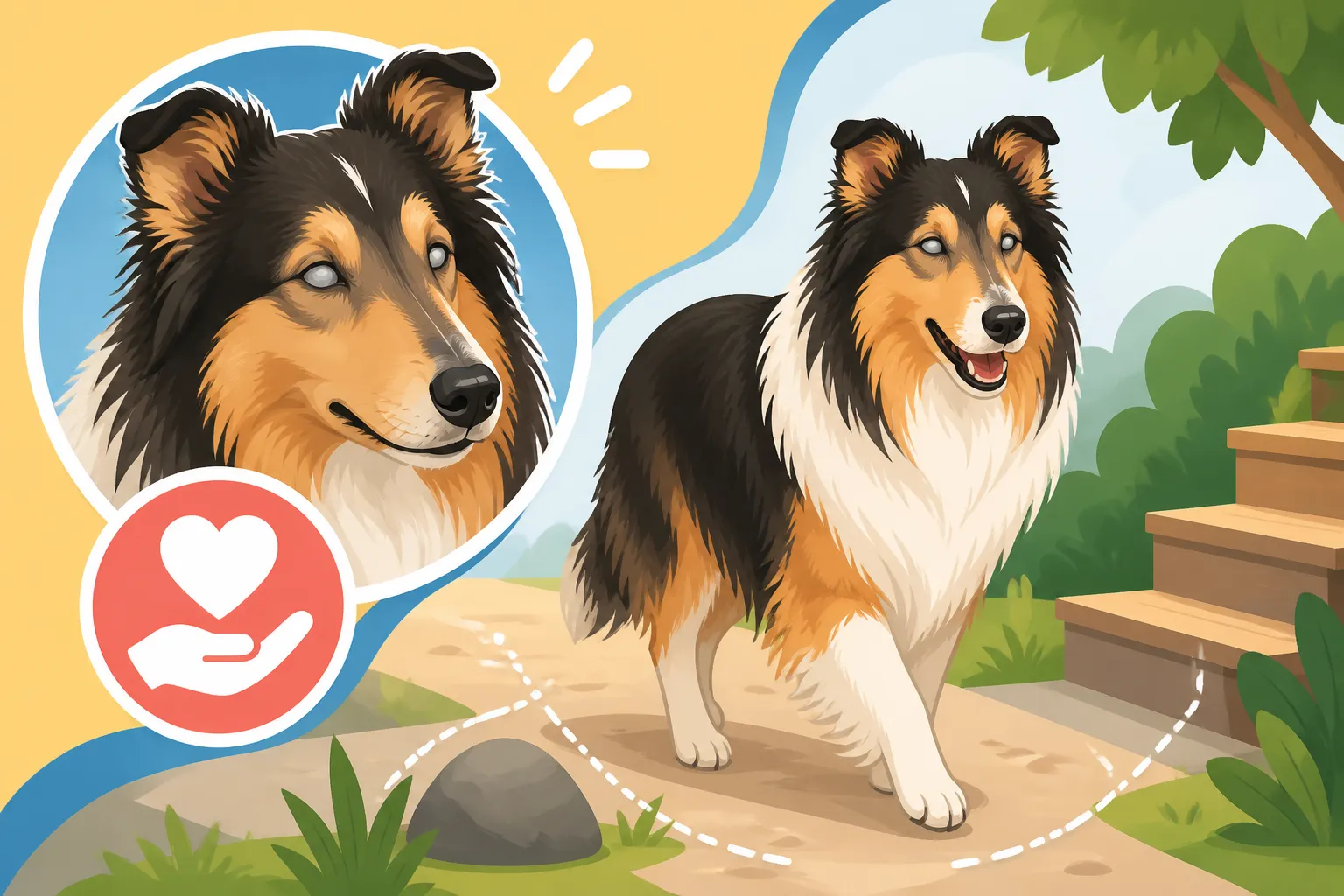
Whether a Blind Collie Copes Well
Watching your beloved Collie lose its sight can be absolutely heartbreaking. You worry endlessly about their quality of life, whether they’ll be safe, and if they’ll ever truly be happy again. It’s a natural fear, and one that many Collie owners face. This guide is here to reassure you and provide practical, empathetic advice on how blind Collies not only cope, but often thrive, with the right support and understanding.
Understanding Why a Collie Might Lose Its Sight
It’s a tough reality that, just like us, our Collies can face vision challenges as they age or due to inherited conditions. Knowing what might be behind the loss of sight can help you prepare and understand the journey ahead.
Genetic Conditions Leading to Blindness
Collies, unfortunately, are predisposed to a few specific eye conditions that can lead to partial or complete blindness. One of the most common is Collie Eye Anomaly (CEA). While many Collies with CEA only have mild vision impairment, severe cases, especially those with colobomas or retinal detachments, can lead to significant vision loss or total blindness. It’s critical to understand that even if your Collie has a mild form of CEA, changes can sometimes progress. To learn more about this prevalent issue, you might want to read about Collie Eye Anomaly Affects Most Collies, So Ask How Badly. Understanding What Collie Eye Anomaly Does to the Back of the Eye can give you a clearer picture of the disease's mechanics.
Another concern is Progressive Retinal Atrophy (PRA), a group of degenerative diseases that affect the photoreceptor cells in the retina. Initially, you might notice your Collie struggling in low light conditions, often bumping into furniture in dimly lit rooms. As the disease progresses, it leads to complete blindness. It’s a gradual process, which often gives dogs more time to adapt. For more in-depth information, consider researching Whether a Collie Gets Progressive Retinal Atrophy. Glaucoma, characterized by increased pressure within the eye, is another painful condition that can lead to rapid blindness if not managed aggressively. Early detection and treatment are paramount to preserving any remaining vision.
Age-Related and Acquired Eye Issues
Beyond genetics, Collies can also experience vision loss due to age or acquired conditions. Just like people, senior Collies can develop cataracts, where the lens of the eye becomes cloudy, obstructing light. While some cataracts are mild and only slightly impair vision, others can cause significant vision loss. It's important to differentiate between age-related nuclear sclerosis, which is a normal hardening of the lens that doesn't usually affect vision drastically, and true cataracts.
Sudden Acquired Retinal Degeneration Syndrome (SARDS) is another heartbreaking condition that can cause abrupt blindness over a matter of days or weeks, often with no prior warning signs. This rapid onset can be particularly challenging for both the Collie and their family, as there's less time for gradual adaptation. Trauma to the eye, severe infections, or underlying systemic diseases can also, in some cases, lead to vision impairment or loss. For a deeper dive into the health changes that come with age, it's beneficial to know Caring for a Collie Past Nine and What Changes in a Collie After Nine.
Spotting the Early Signs of Vision Loss
Catching vision loss early can help immensely in setting up a safe and adaptable environment for your Collie. They are incredibly stoic animals, and often, their primary instinct is to mask pain or weakness. This means you might need to be a keen observer. Look for subtle changes: perhaps your Collie starts bumping into furniture they previously navigated with ease, or they hesitate before jumping onto a familiar couch. They might become more clumsy, misjudging steps, or be startled more easily by unexpected touches.
You might notice changes in their behavior during walks, such as shying away from unfamiliar objects or becoming more reliant on the leash. In low light, their confidence might visibly drop. Some Collies might start clinging closer to you, following your scent rather than leading the way. Their eyes might appear cloudy or have a bluish haze, which could indicate cataracts. If you suspect any changes, don't wait; a visit to your veterinarian or a veterinary ophthalmologist is the best course of action to get a proper diagnosis and discuss options.
The Collie's Amazing Capacity for Adaptation
It's truly remarkable how resilient dogs are, and Collies are no exception. They might lose one sense, but their incredible ability to lean on their others allows them to continue living rich, fulfilling lives.
How Other Senses Compensate for Lost Vision
When a Collie loses its sight, its other senses don't just pick up the slack – they go into overdrive. Their sense of smell, already incredibly powerful, becomes their primary tool for navigation and information gathering. They use it to map their environment, identify people and other animals, and understand what's happening around them. Familiar scents become beacons, guiding them through the house and yard. Think of it like a personalized scent trail, indicating where their water bowl is, where the door to the outside is, or even where you’ve recently walked.
Their hearing also sharpens dramatically. They become acutely aware of footsteps, voices, and even the subtle creaks and groans of a familiar house. Verbal cues become more important than ever, and they can distinguish the approach of different family members just by the sound of their walk. Touch, too, plays a crucial role. Their whiskers, paws, and even the sensitivity of their fur act as sensory guides, helping them detect obstacles and changes in surface texture. They learn to feel the edge of a rug, the transition from carpet to hardwood, or the cool feel of a kitchen floor versus a warm bed. This sensory shift is truly profound and allows them to rebuild their understanding of their world.
The Power of Routine and Familiarity
For a blind Collie, predictability is paramount. A consistent routine and an unchanged environment are the cornerstones of their ability to cope and thrive. Imagine trying to navigate your own home blindfolded if the furniture was constantly being rearranged; it would be incredibly disorienting and stressful. For your Collie, keeping their food and water bowls in the same spot, maintaining their walking schedule, and even sticking to familiar routes on walks provides immense comfort and builds their confidence.
They build a mental map of their home based on the layout, textures, and scents. Every deviation from this map can create anxiety and confusion. So, avoid moving furniture, don't leave unexpected obstacles in their path, and try to keep their bedding and resting spots consistent. This doesn't mean their life needs to be rigid and boring, but within a familiar framework, you can introduce new experiences safely. This consistency helps them predict what comes next, reducing stress and allowing them to move with greater assurance. For practical tips on creating this safe space, check out How a Blind Collie Learns a House.
Reading Your Collie's Emotional State
It's easy to project our human feelings of sadness or pity onto a blind dog, but Collies are incredibly resilient. However, they will still communicate their emotional state, and it’s up to us to learn their new language. A blind Collie might show anxiety through increased panting, pacing, hiding, or excessive licking. They might become more vocal, using barks or whines to seek reassurance or express confusion. Conversely, a confident and content blind Collie will move with purpose, tail wagging, engaging with their environment through scent and sound.
They will also lean on you more for emotional support. Your calm demeanor, consistent voice, and reassuring touch become vital anchors in their world. If you’re feeling stressed or anxious about their blindness, they will pick up on that, which can in turn make them more anxious. Remember, your Collie is still the same loving companion, and providing them with continued affection, gentle praise, and patience will reinforce their sense of security and belonging. This emotional connection is just as important as the physical adaptations you make.
Creating a Supportive Environment for a Blind Collie
Supporting a blind Collie goes beyond just sympathy; it requires proactive steps to make their world safe, navigable, and enriching. With a few thoughtful adjustments, you can help them regain their confidence and independence.
Making Your Home a Safe Haven
Your home, once navigated by sight, now needs to be re-evaluated from your Collie's perspective. The goal is to eliminate hazards and create consistent pathways. First and foremost, avoid rearranging furniture. Their mental map is based on fixed points, and moving things around can be incredibly disorienting and lead to painful bumps. If you must move something, do it gradually and help your Collie relearn the new layout.
Consider using baby gates to block off staircases, fireplaces, or rooms that might be unsafe when unsupervised. Placing different textured rugs at doorways or at the top and bottom of stairs can act as sensory markers, signaling changes in terrain. Scent markers, like a drop of essential oil (safe for dogs, like lavender or vanilla) or a spritz of a specific air freshener, can be applied to certain objects or areas – just be consistent with which scent means what. For instance, one scent by the food bowl, another near the back door. It's a small change for you, but a huge navigation aid for them. Remember, any sharp corners on furniture can be cushioned with child-proofing guards.
Navigating the Outdoors Safely
Outdoor excursions are still vital for your Collie's physical and mental health. Leashed walks become even more important. Use a comfortable harness, not just a collar, to give you better control and prevent strain on their neck. When walking, describe your surroundings to your Collie: "Step up," "Watch the curb," "Big tree on your left." Use consistent verbal cues. Let them sniff and explore at their own pace; their nose is their guide now. Avoid busy, unpredictable areas at first, opting for quiet parks or familiar routes.
In your backyard, ensure it's fully fenced and secure. Remove any garden tools, hoses, or other trip hazards. Consider creating a designated "potty area" that is easily accessible and always kept clean, perhaps with a specific texture or scent to help them locate it. Supervise outdoor play closely, especially if there are unfamiliar objects or uneven terrain. You can even create a small, contained "sensory garden" with different textures (smooth stones, soft grass, mulch) and dog-safe aromatic plants for them to explore safely.
Enhancing Communication Through Training
Training doesn't stop when a Collie loses its sight; it merely adapts. Your voice becomes their compass. Start using clear, consistent verbal cues for everything. "Step up," "Wait," "Left," "Right," "Forward" are all incredibly valuable commands. Practice these in a safe, familiar environment. You can also incorporate touch cues. For instance, a gentle tap on their left shoulder could mean "turn left," or a light touch on their rear could mean "stop." Consistency is key for these new cues to be effective.
Reward-based training works beautifully. Use high-value treats and enthusiastic verbal praise to reinforce positive responses. Scent work and puzzle toys become fantastic tools for mental stimulation, engaging their powerful nose. Playing fetch with a jingle ball or a scent-infused toy can still be a joyful activity. Remember that your tone of voice conveys a lot of information. A calm, reassuring voice will build confidence, while an anxious tone might increase their stress.
Living a Full Life: Beyond Just Coping
The ultimate goal for a blind Collie isn't just to cope, but to continue living a rich, happy life. This involves a holistic approach that considers their mental, physical, and emotional needs.
Maintaining Mental and Physical Enrichment
A blind Collie still needs plenty of mental stimulation to prevent boredom and maintain cognitive function. Don't let their lack of sight restrict their world to just sleeping. Engage them with puzzle feeders like the Kong Wobbler or snuffle mats, which leverage their strong sense of smell and problem-solving skills. Hide-and-seek with treats around the house is a fantastic game. You can also play verbal games, asking them to "find the toy" or "come to the kitchen."
Physical exercise is equally important, even if it looks a little different. Regular, guided walks help maintain muscle tone and provide vital sensory input from the outside world. If you have a secure, familiar yard, let them explore under supervision. Some blind Collies even enjoy off-leash time in truly secure, private areas, guided by their owner's voice. Gentle games of tug or scent-driven retrieving can also provide good physical activity within a controlled space.
Medical Management and Veterinary Support
Regular veterinary check-ups are paramount for a blind Collie. Even if their blindness is stable, other age-related conditions can emerge. Your vet can monitor for signs of pain, especially in their joints, which might be exacerbated if they're moving less or bumping into things. If your Collie has glaucoma, ongoing medication might be necessary to manage the intraocular pressure and prevent discomfort.
It’s always a good idea to discuss preventive care and potential supplements that might support overall health as your Collie ages. For any new or worsening symptoms, do not hesitate to consult your vet. Specialized care, such as from a veterinary ophthalmologist, can offer advanced diagnostics and management strategies, especially for complex cases. These specialized visits can be costly, so it's worth knowing about What a Collie's Ophthalmology Exam Costs. This is where having pet insurance can be incredibly beneficial. Companies like Healthy Paws often cover unexpected illnesses and accidents, which can alleviate the financial stress of specialized veterinary care. Looking into Insuring a Collie Against Inherited Disease might provide peace of mind for future health concerns.
The Emotional Journey for Owners
Let's be honest, it's not just the Collie who needs to adapt; their human family does too. It's completely normal to feel a range of emotions: sadness, grief, frustration, and even a sense of loss for the independent dog you once knew. Allow yourself to feel these emotions, but remember that your Collie senses your feelings. Your unwavering love and positive attitude will be their greatest comfort and support.
Be patient with yourself and your Collie. There will be good days and challenging days. Celebrate small victories, like when they confidently navigate a new part of the house or learn a new verbal cue. Seek support from other owners of blind dogs; online forums and local groups can offer valuable advice and emotional understanding. Remember, your Collie is still capable of immense joy, affection, and connection. By adjusting your expectations and focusing on their remaining capabilities, you'll find that your bond with your blind Collie can become even deeper and more meaningful. They can absolutely live fulfilling lives, and with your help, they'll show you just how resilient and loving they truly are.
Key Tips for Supporting a Blind Collie
To recap, here's a table summarizing key actions you can take to help your blind Collie cope and thrive:
| Category | Action Item | Detailed Explanation |
|---|---|---|
| Home Environment | Maintain Consistency | Avoid moving furniture, food bowls, or beds. A stable environment helps your Collie build a reliable mental map of their surroundings. |
| Safety Proofing | Install baby gates at stairs, cushion sharp furniture corners, and keep floors clear of clutter and tripping hazards. | |
| Sensory Markers | Use different textured rugs at key locations (e.g., doorways, stairs) or consistent, safe scents to mark important spots like water bowls or exits. | |
| Outdoor Activities | Leashed Walks | Always walk your blind Collie on a leash and harness. Use verbal cues to guide them around obstacles and changes in terrain. |
| Secure Yard | Ensure your backyard is fully fenced and free of hazards. Supervise outdoor time closely to prevent accidents or disorientation. | |
| Communication & Training | Consistent Verbal Cues | Develop clear, consistent verbal commands for navigation ("Step up," "Wait," "Left," "Right") and always use a calm, reassuring tone. |
| Touch Signals | Introduce gentle touch cues to guide movement, such as a tap on the shoulder for direction. | |
| Scent & Sound Engagement | Incorporate scent games, puzzle feeders, and toys with bells or crinkles to provide mental stimulation and engage their heightened senses. | |
| Well-being | Regular Vet Check-ups | Continue routine veterinary visits to monitor overall health, manage any pain, and address other age-related conditions. Consider pet insurance from providers like Healthy Paws to manage potential specialist costs. |
| Patience & Positive Reinforcement | Be patient with your Collie and yourself. Celebrate small successes and offer abundant praise and affection to reinforce confidence and strengthen your bond. | |
| Mental & Physical Exercise | Ensure daily activities include both mental challenges (puzzle toys, scent games) and appropriate physical exercise (guided walks, supervised yard time) to prevent boredom and maintain health. |
Disclaimer
The information provided in this article is for general informational purposes only and is not a substitute for professional veterinary advice. Always consult with a qualified veterinarian or veterinary ophthalmologist for any health concerns or before making any decisions related to your Collie's care.