Whether Cyclic Neutropenia Has a DNA Test in Collies
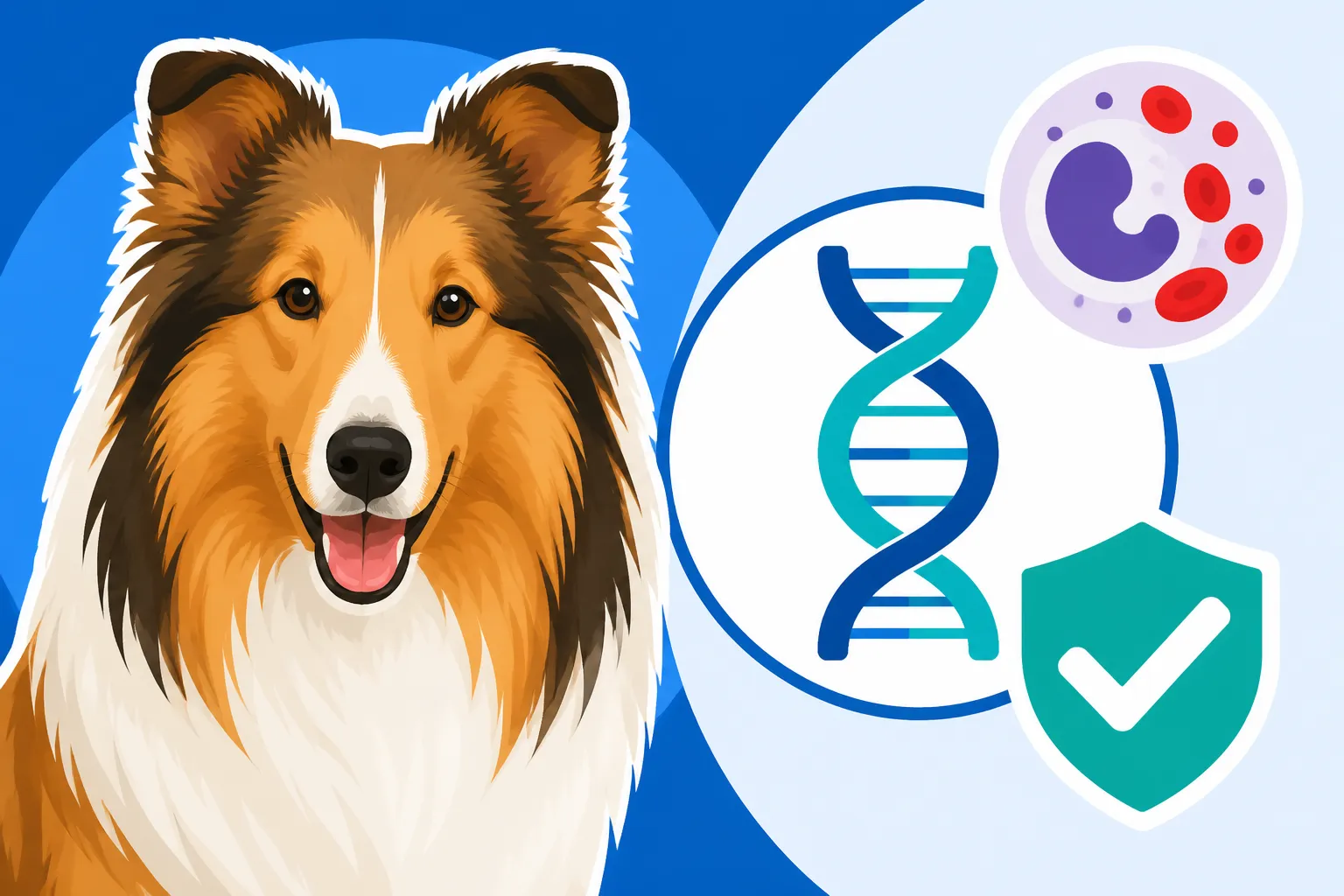
It's incredibly distressing to think about a beloved Collie puppy facing a serious genetic illness, especially one as devastating as Cyclic Neutropenia. As responsible owners and caring breeders, we all want to do everything in our power to ensure our Collies live long, healthy lives, free from preventable suffering. Thankfully, for Cyclic Neutropenia, there's a powerful tool at our disposal: a reliable DNA test that can identify affected dogs and carriers, offering immense peace of mind and guiding critical decisions.
Understanding Cyclic Neutropenia and Its Impact on Collies
Before we dive into the specifics of the DNA test, it's crucial to grasp what Cyclic Neutropenia (CN), often referred to as Gray Collie Syndrome, truly is and why it's such a significant concern specifically for our beautiful Collies. It's a condition that not only causes immense suffering but also tragically shortens the lives of affected puppies.
What is Cyclic Neutropenia?
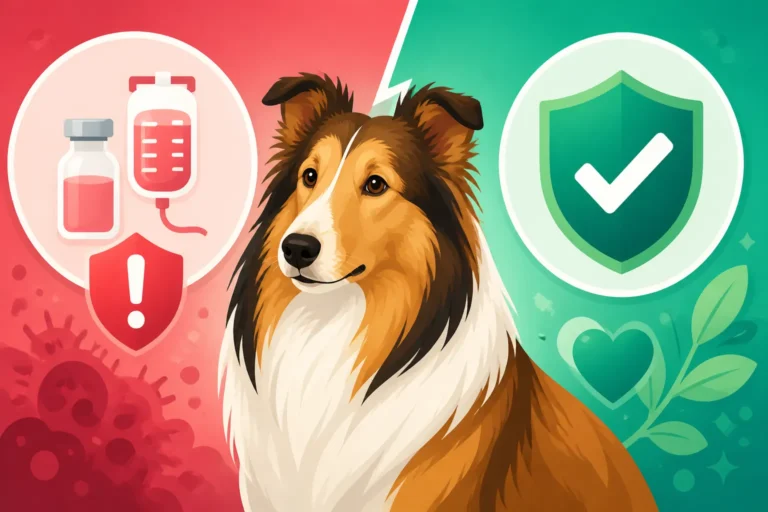
At its heart, Cyclic Neutropenia is a severe genetic disorder that profoundly impacts a Collie's immune system. Specifically, it's a condition where the production of neutrophils – a type of white blood cell critical for fighting off bacterial infections – fluctuates in a 10 to 12-day cycle. For about three days during each cycle, the neutrophil count plummets to dangerously low levels. Imagine trying to fight off a constant barrage of germs with your body's primary defense system periodically shutting down; that's the reality for a puppy with CN.
During these periods of extremely low neutrophil counts, affected puppies are incredibly vulnerable to opportunistic infections. They can develop fevers, diarrhea, joint pain, and severe respiratory issues, even from common bacteria that a healthy dog would easily shrug off. These cycles repeat throughout their short lives, leading to chronic illness, pain, and eventually, often fatal infections. It's a heartbreaking reality that no Collie family should ever have to endure, and it highlights why understanding and preventing this disease is paramount.
Why Collies Are Uniquely Affected Gray Collie Syndrome
Cyclic Neutropenia is, as the name suggests, a Collie problem. This isn't a disease you'll commonly find in other breeds; it's a specific genetic mutation prevalent within the Collie gene pool. This genetic quirk causes affected puppies to have a dilute, silver-gray coat color, regardless of their intended base coat (sable, tricolor, or blue merle). This distinctive coat color is why the condition is often known as "Gray Collie Syndrome." It’s a visible marker of a devastating internal struggle. To learn more about this distinctive coat, you might want to read about Why Gray Collie Syndrome Puppies Are Silver.
The recessive nature of the gene means that a puppy must inherit two copies of the affected gene – one from each parent – to develop the disease. If a puppy inherits only one copy, it becomes a "carrier," meaning it doesn't show symptoms of Cyclic Neutropenia itself but can still pass the gene on to its offspring. This genetic inheritance pattern is vital for breeders to understand, as it underscores the importance of testing breeding stock to avoid unknowingly producing affected puppies.
The Availability and Importance of the DNA Test
Given the severity of Cyclic Neutropenia, the development of a reliable DNA test has been nothing short of a lifesaver for the Collie breed. This test has empowered breeders and owners to make informed decisions, preventing unnecessary suffering and working towards eradicating this cruel disease from future generations.
Yes, a DNA Test Exists!
The excellent news is, yes, a highly accurate and accessible DNA test for Cyclic Neutropenia does exist! This isn't a speculative test or one still in the research phase; it's a well-established diagnostic tool that has been available for many years. Its existence means that no Collie puppy should ever have to suffer from CN if responsible breeding practices, guided by testing, are followed.
This test specifically identifies the genetic mutation responsible for Cyclic Neutropenia. It allows for definitive identification of Collies who are clear (meaning they do not carry the gene), carriers (meaning they carry one copy of the gene but are not affected), or affected (meaning they carry two copies of the gene and will develop the disease). The availability of this test fundamentally changed the landscape of Collie health, allowing for proactive rather than reactive management of the disease.
How the DNA Test Works The Process
The process for getting your Collie tested for Cyclic Neutropenia is straightforward and minimally invasive. Typically, the test requires either a buccal swab (a simple cheek swab) or a small blood sample. Both methods are equally effective at collecting the necessary DNA.
Once the sample is collected, it's sent to a specialized veterinary genetics laboratory. One prominent laboratory known for offering this and other crucial Collie genetic tests is VetGen, though others like OptiGen or OFA may also facilitate testing or list clear/affected dogs. These labs analyze the DNA sample to pinpoint the specific gene mutation associated with Cyclic Neutropenia. The results are usually returned within a few weeks, providing a clear genetic status for your dog. For breeders, incorporating this into your routine health screenings is non-negotiable, often done in conjunction with What the Collie DNA Health Panel Covers.
Who Should Be Tested and When
Ideally, all Collies destined for breeding should be DNA tested for Cyclic Neutropenia before they are ever bred. This proactive approach ensures that breeders can make informed mating decisions, preventing the tragic outcome of producing affected puppies. Even if one parent is known to be clear, testing the other parent is still crucial. Remember, Whether Both Collie Parents Must Carry Cyclic Neutropenia is a key factor in producing an affected pup.
Furthermore, if there's any uncertainty about the parents' status, or if a breeder wants to be absolutely sure, testing individual puppies from a litter is also an option. This is especially pertinent if a puppy exhibits any "gray" or dilute coloring that might be indicative of the syndrome. While heartbreaking, knowing a puppy's status early allows for difficult but necessary decisions regarding its care and future. This could even extend to Whether a Collie Breeder Should Test the Whole Litter in certain circumstances.
Interpreting Your Collie's Genetic Test Results
Receiving your Collie's genetic test results can feel a bit daunting, but understanding the terminology and what each designation means is key to making the best decisions for your dog and the breed. There are three possible outcomes for a Cyclic Neutropenia DNA test, each with distinct implications.
Clear, Carrier, and Affected Designations
When you receive your Collie's Cyclic Neutropenia DNA test results, they will fall into one of three categories:
- Clear (N/N or Homozygous Normal): This is the best possible outcome. A "Clear" Collie does not have the gene mutation for Cyclic Neutropenia and cannot pass it on to any offspring. These dogs are genetically free of the disease.
- Carrier (N/CN or Heterozygous): A "Carrier" Collie has one copy of the gene mutation but is not affected by the disease itself. These dogs are perfectly healthy and will not develop Cyclic Neutropenia. However, they can pass the gene on to approximately 50% of their offspring if bred. They are silent carriers of the trait.
- Affected (CN/CN or Homozygous Affected): An "Affected" Collie has inherited two copies of the gene mutation (one from each parent) and will develop Cyclic Neutropenia. These puppies will exhibit the characteristic silver-gray coat color and, tragically, will suffer from the recurring immune deficiencies that define the syndrome.
This table provides a quick overview of the results:
| Result Category | Genetic Status | Health Status | Breeding Implications |
|---|---|---|---|
| Clear (N/N) | Homozygous Normal | Does not have the gene; fully healthy | Can be bred to any dog without risk of producing affected puppies. |
| Carrier (N/CN) | Heterozygous | Healthy; does not show symptoms | Can be bred to a Clear dog; 50% chance of offspring being carriers, 0% affected. Should NOT be bred to another carrier or affected dog. |
| Affected (CN/CN) | Homozygous Affected | Will develop Cyclic Neutropenia; often fatal | Should absolutely NOT be bred. |
Breeding Considerations for CN Status
For responsible Collie breeders, these test results are invaluable. The goal should always be to avoid producing affected puppies. This is achievable through careful pairing of breeding dogs based on their CN status.
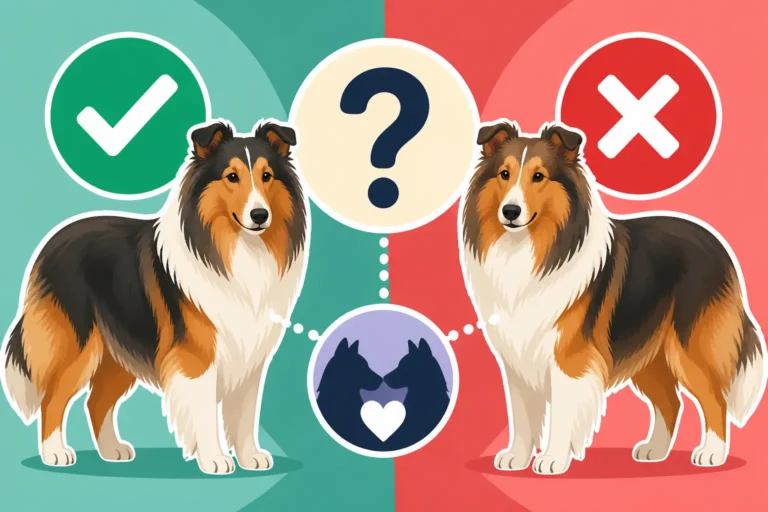
- Clear x Clear: This pairing will produce 100% clear puppies. This is the ideal scenario for eliminating CN from a breeding program.
- Clear x Carrier: This pairing will produce approximately 50% clear and 50% carrier puppies. None of the puppies will be affected. This allows breeders to safely utilize a valuable carrier dog in their program while slowly breeding out the gene over generations, assuming offspring are tested and only clear or carrier (bred to clear) dogs are continued in the breeding line.
- Clear x Affected: This pairing is highly discouraged for ethical reasons, but theoretically, it would produce 100% carrier puppies.
- Carrier x Carrier: This pairing has a 25% chance of producing clear puppies, a 50% chance of producing carrier puppies, and a 25% chance of producing affected puppies. This is the breeding combination that should be avoided at all costs if both parents' status is known.
- Carrier x Affected: This pairing would produce 50% carrier and 50% affected puppies. Absolutely to be avoided.
- Affected x Affected: This pairing would produce 100% affected puppies. Never to be done.
Understanding these genetic probabilities is fundamental to ethical breeding. Breeders committed to the health of the Collie breed make sure to perform The Three Genetic Tests a Collie Breeder Owes You, and CN is certainly one of them.
Managing an Affected or Carrier Collie
If you find that your Collie is a carrier, there's truly nothing to "manage" in terms of their health. Carriers are completely healthy and live normal, full lives. The only management aspect is in responsible breeding decisions, as outlined above. They make wonderful pets, just like any other Collie.
For an affected puppy, the situation is far more challenging. Puppies with Cyclic Neutropenia typically do not survive past two or three years of age, often succumbing to overwhelming infections. Their lives are characterized by repeated illness, antibiotic treatments, and constant vigilance from their owners. While supportive care can help manage symptoms, there is no cure for Cyclic Neutropenia. Knowing a puppy is affected early allows veterinarians and owners to provide compassionate care, focus on comfort, and make difficult decisions without prolonged suffering. The primary focus here shifts from prevention to compassionate end-of-life care.
The Broader Benefits of DNA Testing for the Collie Breed
The ability to DNA test for Cyclic Neutropenia is not just about individual dogs; it's about the health and integrity of the entire Collie breed. This single test offers profound benefits, from preventing immediate suffering to securing the breed's long-term well-being.
Preventing Suffering and Financial Strain
The most immediate and impactful benefit of CN DNA testing is the prevention of suffering. By eliminating the breeding combinations that produce affected puppies, we spare these innocent lives from a short, painful existence. This alone is a powerful motivator for any compassionate breeder or owner.
Beyond the emotional toll, managing an affected Collie puppy is an immense financial strain. Constant veterinary visits, emergency care for severe infections, medications, and specialized diets quickly add up. A puppy with Cyclic Neutropenia can rack up tens of thousands of dollars in veterinary bills within its short lifespan, all while battling a condition that ultimately claims their life. Testing breeding stock costs a fraction of that and prevents the problem entirely. While pet insurance can be a fantastic tool for managing unexpected health issues, such as a sudden illness or accident, conditions like Cyclic Neutropenia are best prevented outright through genetic screening. However, for all the other unpredictable challenges, comprehensive pet insurance plans, like those offered by Healthy Paws, can be a real lifeline, covering a significant portion of eligible vet bills and giving you peace of mind knowing you can provide the best care.
Securing the Future Health of Collies
By actively testing breeding dogs and making informed choices, breeders are playing a critical role in reducing the prevalence of the Cyclic Neutropenia gene within the Collie population. Over generations, this conscientious effort can significantly decrease the number of carrier dogs and virtually eliminate affected puppies. This systematic approach is vital for the genetic health of the breed as a whole.
The Collie Health Foundation and other breed-specific organizations strongly advocate for DNA testing for CN. Their work supports research and educates breeders on the importance of these tests, helping to ensure that the Collie remains a robust and healthy breed for years to come. By using tools like the CN DNA test, we are actively contributing to a healthier future for all Collies. This proactive genetic stewardship is crucial, especially when considering How Long a Collie Lives and What Ends It – we want to maximize those healthy years.
Partnering with Your Veterinarian and Breeder
If you're considering bringing a Collie into your home, or if you're a current owner concerned about your dog's lineage, partnering with your veterinarian and your dog's breeder is essential. A reputable breeder will always be transparent about the health testing they've conducted on their breeding stock, including Cyclic Neutropenia. They should be able to provide documentation of their dogs' CN status. Don't be shy about asking for these records. They are a sign of a responsible breeder committed to the welfare of their puppies.
Your veterinarian is also an invaluable resource. They can help you understand genetic test results, discuss the implications for your specific Collie, and guide you on responsible breeding practices if you are considering it. They can also advise on other important health screenings that Collies benefit from, such as those for Collie Eye Anomaly or MDR1 sensitivity. For instance, knowing if you have an MDR1 carrier or affected Collie is critical information for your vet, as it dictates specific drug protocols; you can learn more about this in The Drug List That Can Kill a Collie. By working together, we can ensure every Collie has the best possible start in life and continues to thrive.
Disclaimer
This article is intended for informational purposes only and does not constitute veterinary advice. Always consult with a qualified veterinarian for any health concerns or before making any decisions about your dog's medical care or breeding program. Genetic testing results should be interpreted in conjunction with professional veterinary guidance.