Whether a Collie’s Skin Lesions Scar Permanently
It's incredibly distressing to find skin lesions on your beloved Collie. Those crusty patches, areas of hair loss, or even open sores can be alarming, and the worry about whether your dog will be permanently disfigured is a very real concern for any owner. This comprehensive guide aims to unpack the complex topic of Collie skin lesions, focusing specifically on their potential for permanent scarring and what you, as an owner, can do to manage and mitigate this outcome.
Understanding the Causes of Collie Skin Lesions
When your Collie develops skin lesions, it's rarely a simple scratch or isolated bump. Collies, like many purebred dogs, have certain predispositions that make them more susceptible to specific dermatological issues. Understanding the root cause is the first crucial step in predicting and preventing permanent scarring.
The Role of Dermatomyositis in Collie Skin
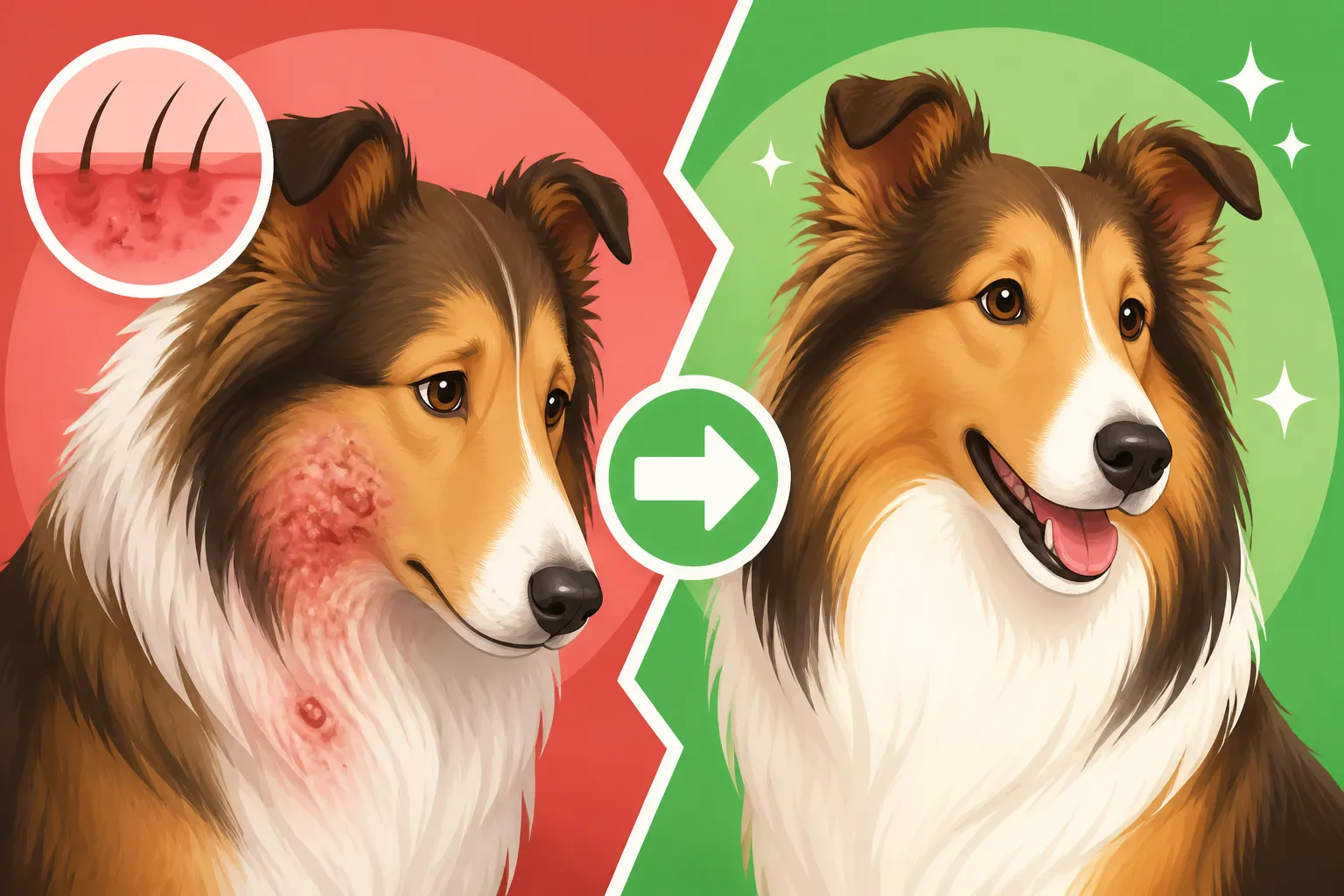
One of the most significant and breed-specific causes of skin lesions in Collies is Dermatomyositis (DMS). This is an immune-mediated disease that affects the skin, and sometimes the muscles, blood vessels, and other organs. It's truly heartbreaking to see, especially when it manifests in young puppies. The typical lesions associated with DMS often appear on the face – around the eyes, ears, and muzzle – as well as on the limbs (especially the forelegs), tail tip, and bony prominences. You might notice thinning hair, scaling, crusting, and even ulcerations. For a deeper dive into this condition, you can read our article on Dermatomyositis and the Collie Risk Panel.
The challenge with DMS is that it’s not just a superficial problem. The inflammation can be deep-seated, affecting hair follicles and the underlying connective tissue. This kind of deep inflammation is a prime candidate for leaving lasting marks. The severity of the lesions can vary wildly from dog to dog, and even within the same dog over time, with some experiencing mild, transient issues and others suffering from persistent, severe outbreaks. The earliest signs of this condition can often be observed when the dog is still a puppy, with lesions appearing around The Weeks a Collie Puppy First Shows Dermatomyositis.
Other Common Skin Issues and Their Scarring Potential
While DMS is a major concern, Collies aren't immune to other general canine skin problems. These can include:
- Allergies: Environmental allergies (atopy) or food allergies can lead to intense itching, which in turn causes your Collie to scratch, chew, and lick at their skin. This self-trauma can break the skin barrier, leading to secondary bacterial or yeast infections. Chronic inflammation and repeated trauma from scratching can certainly lead to thickening of the skin, hyperpigmentation (darkening), and even scarring over time.
- Pyoderma (Bacterial Skin Infections): These infections can occur secondary to allergies, parasites, or other underlying conditions. They manifest as pustules, crusts, redness, and hair loss. Deep pyoderma, which goes beyond the superficial layers of the skin, is particularly notorious for causing scarring as the body tries to heal significant tissue damage.
- Trauma: Simple cuts, scrapes, or burns can also leave scars, just like in humans. The depth and extent of the injury determine the severity of the scar.
- Parasites: Fleas, mites (like Demodex or Sarcoptes), and ticks can cause intense irritation, leading to severe scratching and skin damage that, if left untreated, can result in secondary infections and scarring. You might find it useful to know Whether Fleas Are Hard to Spot on a Collie with their abundant coats.
- Nasal Dermatitis (Collie Nose): This condition specifically affects the Collie's nose, causing depigmentation, crusting, and ulceration, often exacerbated by sun exposure. While typically not as deeply scarring as severe DMS, repeated ulceration can lead to changes in the texture and appearance of the nose leather.
Each of these conditions, if not managed promptly and effectively, has the potential to leave a lasting mark on your Collie's skin. The longer the inflammation or trauma persists, the higher the risk of permanent scarring.
The Nature of Scarring in Collie Skin
Scarring is essentially the body's way of repairing damaged tissue. When the skin is injured, whether by trauma, inflammation, or infection, it rushes to close the wound and restore integrity. However, this repair process often results in fibrous tissue that differs from the original skin in appearance and function.
How Scar Tissue Forms
Imagine a cut on your own skin. The body first stops the bleeding, then sends in inflammatory cells to clean up debris and fight off infection. Next, fibroblasts start laying down collagen fibers to knit the wound edges together. This new collagen is initially disorganized and abundant, forming a raised, often red, scar. Over time, if all goes well, the scar matures, becoming flatter, paler, and softer as some collagen is reabsorbed and rearranged.
In Collies, particularly with conditions like DMS, this process can be complicated by ongoing inflammation. The areas most prone to scarring are those where the damage goes deep into the dermis (the thicker layer of skin beneath the epidermis) or where repeated cycles of inflammation, breakdown, and healing occur. For example, lesions on the muzzle, around the eyes, or on bony prominences like the hocks and elbows, are often subject to more friction and exposure, increasing the likelihood of deeper damage and subsequent scarring. This is especially true if the condition involves significant [ulceration or loss of muscle tissue].
Factors Influencing Permanent Scarring
The permanency and visibility of a scar depend on several critical factors:
- Depth and Severity of the Lesion: Superficial abrasions or mild inflammation affecting only the epidermis typically heal without scarring, or with very minimal, often imperceptible changes. Deeper wounds that penetrate the dermis or subcutaneous tissue, however, almost always result in some form of scar tissue. Ulcerative lesions, common in severe DMS, are prime candidates for permanent scarring.
- Duration of Inflammation: Chronic or prolonged inflammation prevents the skin from healing cleanly. Instead, the continuous inflammatory cycle stimulates excessive collagen production, leading to more prominent, sometimes thickened (hypertrophic) scars.
- Infection: Secondary bacterial infections can significantly worsen tissue damage. The body's immune response to infection can cause further breakdown of healthy tissue, leading to larger, deeper wounds that are more likely to scar.
- Location of the Lesion: Areas of high movement (joints), thin skin (ears, eyelids), or constant friction are more prone to irritation and re-injury, which can exacerbate scarring. The bridge of a Collie's nose and their ear tips are classic examples where delicate skin is often affected by DMS.
- Individual Healing Response: Just like in people, individual dogs can have different healing capacities. Some might heal remarkably well even from severe injuries, while others might scar more readily. Genetic factors can play a role here, too.
In the case of DMS, many owners observe that early, mild lesions may resolve with little to no lasting effect. However, more severe or chronic outbreaks, especially those involving deeper skin layers or leading to open sores, frequently leave behind noticeable changes such as hair loss, thinner skin, or altered pigmentation. These changes are often permanent.
Here's a quick overview of how different lesion types might scar:
| Lesion Type | Depth of Damage | Scarring Potential | Common Appearance of Scar |
|---|---|---|---|
| Superficial (Erosion) | Epidermis only | Low to None | May heal completely, slight pigment change |
| Deep (Ulceration) | Dermis, subcutaneous tissue | High | Hair loss, thin skin, depigmentation, thickened patches |
| Chronic Inflammation | Dermis, affecting hair follicles | Moderate to High | Hair loss, hyperpigmentation, thickened skin |
| Traumatic Injury | Variable, often deep | Variable, often high | Hair loss, discolored, raised or pitted |
Managing Lesions to Minimize Scarring
The good news is that while some scarring may be inevitable, especially with a condition like DMS, aggressive and proactive management can significantly minimize its extent and severity. Early intervention is truly key here.
Prompt Diagnosis and Treatment
As soon as you notice any suspicious skin lesions on your Collie, get to your veterinarian. Do not delay. What might seem like a minor patch could quickly escalate into something more serious. Your vet will perform a thorough examination and may recommend diagnostic tests such as skin scrapes, fungal cultures, cytology (looking at cells under a microscope), or even a biopsy. A skin biopsy is often crucial for definitively diagnosing conditions like DMS and can provide invaluable information on prognosis and treatment. For information on costs, you might want to review What a Collie's Skin Biopsy Costs.
Once a diagnosis is made, treatment can begin. For DMS, this often involves medications to modulate the immune system, such as pentoxifylline, niacinamide, or corticosteroids in severe cases. Secondary infections, which can dramatically worsen skin damage and scarring, will need to be addressed with appropriate antibiotics or antifungals. Your vet might also refer you to a veterinary dermatologist, especially if the case is complex or not responding to initial treatments. A specialist can offer advanced diagnostic techniques and more targeted therapies. You can find more information about these costs in What a Collie's Dermatologist Referral Costs.
Supportive Care and Prevention
Beyond specific medications, supportive care plays a huge role in minimizing scarring:
- Prevent Self-Trauma: If your Collie is itchy, they will scratch. An Elizabethan collar (cone) might be necessary to prevent them from worsening lesions. Keep nails trimmed short to reduce damage if they do scratch.
- Keep Lesions Clean: Gently clean crusty or oozing lesions with vet-approved antiseptic wipes or solutions. This prevents bacterial buildup and promotes healing.
- Sun Protection: For conditions like DMS and Collie Nose, sun exposure can be a major trigger and exacerbating factor. Limit sun exposure during peak hours, apply vet-approved sunscreen to vulnerable areas like the nose and ear tips, or even consider lightweight clothing to protect the body. We delve more into this in Whether Sun Makes a Collie's Dermatomyositis Worse.
- Nutrition and Supplements: A high-quality diet is fundamental for skin health. Some vets might recommend supplements like omega-3 fatty acids, which have anti-inflammatory properties that can support skin integrity and healing.
- Regular Grooming: While not directly treating the lesions, consistent, gentle grooming helps maintain overall coat and skin health, making it easier to spot new lesions and preventing mats that could trap moisture and worsen existing issues. Ensure you are brushing correctly to avoid skin irritation.
Remember, the goal is to reduce inflammation, prevent infection, and allow the skin to heal as smoothly as possible. Consistent, long-term management is often required, and for many Collies with DMS, [lifelong medication] and vigilance may be necessary.
Living with a Collie and Permanent Scars
Even with the best care, some skin lesions, particularly severe or chronic ones, can leave permanent marks. This is a tough reality for many Collie owners, but it’s important to understand what to expect and how to continue providing the best quality of life for your companion.
The Appearance of Permanent Scars
Permanent scarring in Collies can manifest in several ways:
- Hair Loss (Alopecia): This is one of the most common and noticeable forms of scarring. Hair follicles are often destroyed or permanently damaged during deep inflammation, leading to areas where hair simply won't grow back. These patches can range from small, localized spots to larger areas of the body, creating an uneven coat.
- Hypopigmentation or Hyperpigmentation: Scars may appear lighter (hypopigmented) or darker (hyperpigmented) than the surrounding skin. This is particularly noticeable on the nose or around the eyes.
- Thinning or Thickening of Skin: Scar tissue can be thinner and more delicate than normal skin, making it more vulnerable to future injury. Conversely, chronic inflammation can lead to thickened, leathery patches of skin.
- Altered Texture: The scarred skin might feel different – rougher, smoother, or more rigid – compared to the soft, pliable skin of a healthy Collie.
While these changes can affect your Collie's aesthetic appearance, it's crucial to remember that they don't diminish your dog's spirit or personality. Your Collie is still the loving, intelligent companion you adore, regardless of a few scars.
Long-Term Care and Quality of Life
Living with a Collie who has permanent skin scars primarily means continuing vigilant skin care and monitoring.
- Ongoing Monitoring: Regularly check your Collie's skin for any new lesions, signs of irritation, or changes in existing scars. Early detection of a flare-up can prevent further damage.
- Sun Protection: If sun sensitivity is a factor, continue protective measures like specialized sunscreens or sun shirts, especially on scarred or hairless areas which are more prone to sunburn.
- Moisturizing and Skin Health: Consult your vet about topical emollients or specialized shampoos that can help keep scarred skin supple and prevent dryness or cracking, particularly in thin or rigid areas.
- Veterinary Check-ups: Regular vet visits are essential, not just for general health, but specifically to discuss any ongoing dermatological concerns and adjust treatment protocols as needed. Your vet can advise on the best ways to keep [a Collie's coat healthy even after illness].
It’s also worth considering pet insurance, especially for breeds with known predispositions to chronic conditions like DMS. Providers like Healthy Paws offer coverage that can help offset the costs of ongoing treatment, diagnostics, and specialist visits. Having a plan with Healthy Paws can provide peace of mind, knowing that you can afford the best care without financial strain. Look into options for Insuring a Collie Against Inherited Disease.
Emotional Impact on Owners
It's natural to feel disheartened or even guilty when your Collie develops permanent scars, especially if you feel you could have done something more. However, it's vital to let go of that guilt. You are doing your best, providing love and care. What truly matters is your Collie's comfort and happiness.
Focus on their overall well-being. A Collie with some hair loss or altered skin texture is still a wonderful, active dog. If they are no longer in pain and can enjoy their daily life – walks, playtime, cuddles on the couch – then you are succeeding. Sometimes, we project our own aesthetic concerns onto our pets, but for a Collie, the greatest joy comes from companionship and feeling loved, not from a perfectly unblemished coat. Remember, their scars are a testament to their resilience and your dedication.
Disclaimer
This article is intended for informational purposes only and does not constitute medical advice. Always consult with a qualified veterinarian for any health concerns or before making any decisions about your pet's health or treatment plan.