Whether a Hypothyroid Collie Loses Coat
It’s truly disheartening to look at your beautiful Collie and notice their once magnificent coat thinning, becoming dry, or even falling out in patches. This isn't just a cosmetic issue; it's often a red flag from their body, signaling that something deeper is amiss. This comprehensive guide will walk you through the frustrating reality of hypothyroidism in Collies, explaining how it impacts their coat and overall health, how to spot the signs, and what steps you can take to help your beloved companion.
The Link Between Hypothyroidism and Coat Loss in Collies
When you picture a healthy Collie, you immediately think of that glorious, flowing double coat – a hallmark of the breed. So, when that coat starts to look lackluster or disappear, it’s a big deal. Hypothyroidism, a common endocrine disorder in dogs, is frequently the culprit behind these troubling changes.
Understanding the Canine Thyroid Gland
Your Collie's thyroid gland, located in its neck, might be small, but it plays an absolutely monumental role in almost every bodily function. Think of it as the master regulator of metabolism. It produces two crucial hormones, thyroxine (T4) and triiodothyronine (T3), which dictate how quickly cells convert nutrients into energy. These hormones are essential for everything from heart rate and body temperature regulation to digestion, energy levels, and, you guessed it, the health and growth of hair and skin. When this delicate system falters, and the thyroid gland doesn't produce enough of these hormones, the dog becomes hypothyroid.
How Low Thyroid Levels Impact Coat Health
The connection between low thyroid hormone levels and coat problems is very direct. When T3 and T4 levels drop, the body's entire metabolic rate slows down. This deceleration directly impacts the hair follicles, which are constantly in a cycle of growth, rest, and shedding. With insufficient thyroid hormones, these cycles are disrupted. Hair follicles become dormant for longer periods, and when new hair does grow, it's often weaker, more brittle, and prone to breaking.
You might notice that the hair doesn't shed as it should, leading to a dull, "puppy-like" coat in adult dogs, or conversely, areas where the hair seems to fall out and simply not grow back. The skin itself also suffers, becoming dry, flaky, and sometimes thicker or darker. This isn't just a cosmetic problem; a compromised skin barrier can make your Collie more susceptible to secondary bacterial or yeast infections, adding another layer of discomfort and health concerns.
Beyond Just Hair Loss: Other Visible Symptoms
While coat loss is a prominent symptom, it’s rarely the only one. Hypothyroidism affects the entire body, leading to a host of other signs that often appear gradually, making them easy to dismiss individually until they accumulate. You might observe a significant dip in your Collie's energy levels, making them less interested in walks, playtime, or even just interacting with the family. They might sleep more, seeming generally lethargic.
Another common sign is unexplained weight gain, even if their diet and exercise haven't changed. This is directly due to the slowed metabolism – their body isn't burning calories efficiently. Collies with hypothyroidism also often develop an intolerance to cold, seeking out warm spots more frequently, or shivering even in mild temperatures. Some owners even report a "tragic" facial expression due to thickening skin around the eyes and brow. These subtle, creeping changes often leave owners puzzled, wondering if their once vibrant dog is just "getting old" or sad.
Recognizing the Subtle Signs in Your Collie
One of the challenges with hypothyroidism is that its onset is often insidious. The early signs can be so subtle and non-specific that they're easily brushed off as normal aging or minor behavioral quirks. However, as a dedicated Collie owner, knowing what to look for can make all the difference.
Early Indicators That Might Be Missed
Before obvious coat loss or significant weight gain sets in, there are often more nuanced shifts in your Collie's demeanor and physical state. You might notice your typically playful companion is just… less enthusiastic. Their morning zoomies are shorter, or they might even skip them altogether. They might seem more subdued during family activities, preferring to nap in a quiet corner rather than being at the center of attention. Perhaps their response time to commands is a little slower, or they seem less alert to household happenings. Their once bright, intelligent eyes might appear a bit duller, lacking that characteristic Collie sparkle. It's these small, cumulative changes that, when viewed together, can paint a clearer picture of an underlying issue. These subtle changes can sometimes be confused with other age-related issues, so it's important to know Caring for a Collie Past Nine.
The Specifics of Collie Coat Changes
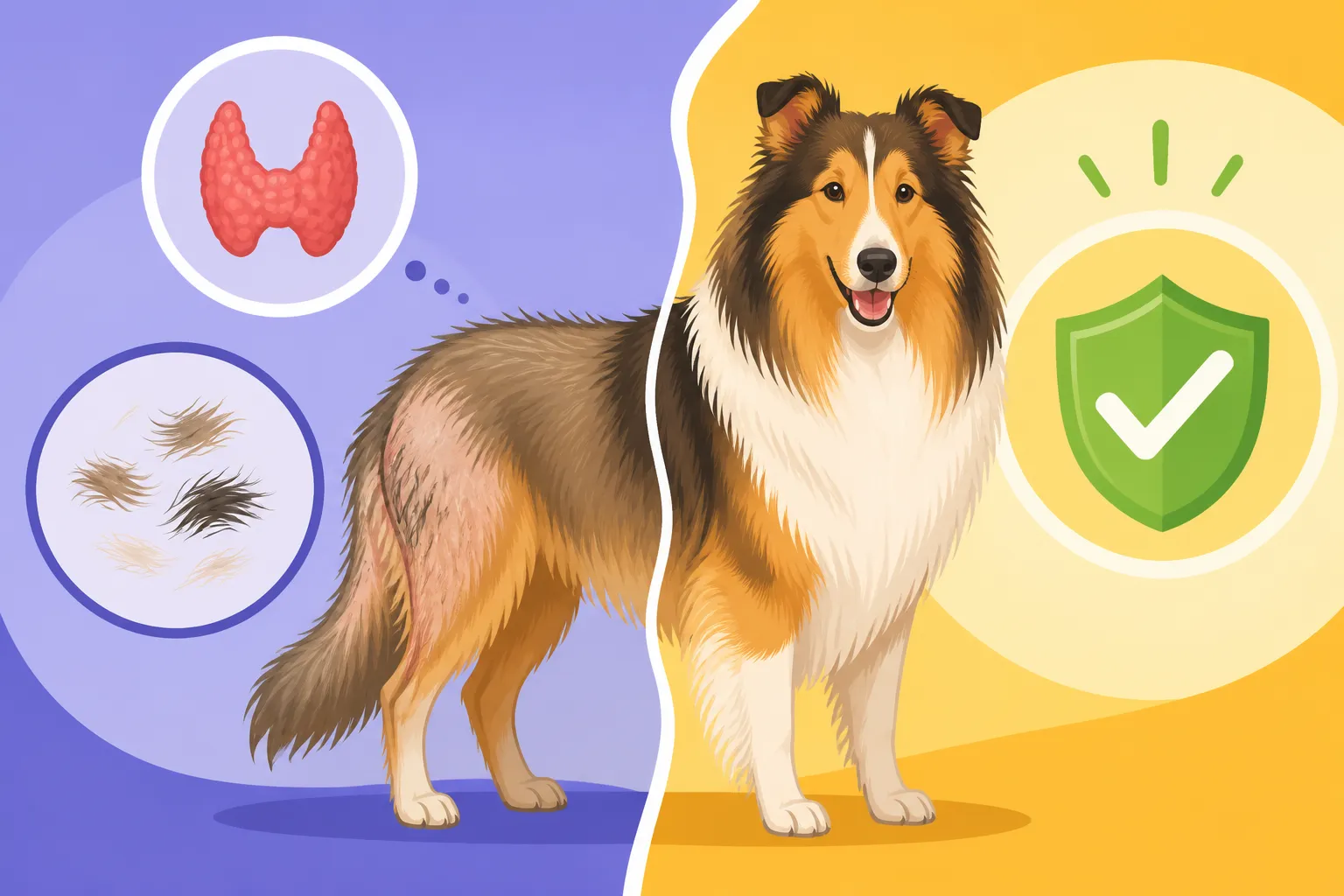
When it comes to coat loss, hypothyroidism tends to follow a particular pattern in Collies. It's often symmetrical, meaning you'll see it on both sides of the body in similar areas. Common spots include the flanks (sides of the torso), the chest, the back of the thighs, and the bridge of the nose. A particularly classic sign is a "rat tail" – where the hair on the tail becomes noticeably thin and sparse. The coat itself becomes dry, brittle, and breaks easily, losing its characteristic soft texture and sheen. It might also become sparse, making it easier to see their skin underneath. While all Collies shed, this isn't just normal shedding; it's a failure of the coat to regrow properly or an unhealthy condition of the existing hair.
Other Physical Manifestations
Beyond the coat, your Collie's skin can tell a story. You might observe hyperpigmentation, where the skin in affected areas darkens, taking on a gray or blackish hue. The skin can also become noticeably thicker, sometimes described as "elephant skin," especially in chronic cases. Because the skin barrier is compromised, secondary infections are incredibly common. You might notice recurring ear infections, skin rashes, scabs, or a yeasty smell. These secondary issues often lead owners to the vet first, thinking it’s primarily a skin problem, and indeed, a dermatologist referral might be part of the diagnostic journey, the costs of which can vary. If you ever have to consult with a specialist, it's good to know What a Collie's Dermatologist Referral Costs.
Here’s a quick overview of how a healthy Collie might differ from one suffering from hypothyroidism:
| Symptom Category | Healthy Collie | Hypothyroid Collie |
|---|---|---|
| Coat | Thick, lustrous, sheds seasonally | Dry, brittle, sparse, symmetrical loss (flanks, tail) |
| Skin | Supple, clear, healthy color | Thickened, flaky, hyperpigmented, prone to infections |
| Energy Level | Energetic, playful, good stamina | Lethargic, sleeps more, reduced stamina, reluctant to play |
| Weight | Healthy, active, appropriate for size | Unexplained weight gain despite normal eating or diet |
| Temperament | Alert, responsive, engaged | Dull, less engaged, slower reactions, withdrawn |
| Temperature | Normal body temperature | Seeks warmth, cold intolerance, easily chilled |
| Facial Expression | Bright, alert, keen | "Tragic" or sad expression due to skin changes |
Diagnosing Hypothyroidism in Your Beloved Collie
If you’re noticing these persistent changes in your Collie, the next crucial step is a visit to your veterinarian. Self-diagnosis or simply waiting to see if things improve is never the right approach when dealing with a potentially systemic issue like hypothyroidism.
Initial Vet Visit and Physical Examination
Your vet will start with a thorough physical examination, which includes feeling your Collie's thyroid gland (though it's often not palpable even when enlarged), checking their weight, listening to their heart, and, critically, examining their skin and coat. They’ll be looking for the classic signs we’ve discussed: symmetrical hair loss, poor coat quality, thickened or darkened skin, and any signs of secondary infections. They'll also assess your Collie's overall demeanor and energy level, asking you questions about changes in appetite, thirst, activity, and behavior. Be prepared to discuss these observations in detail, as your insights are invaluable.
The Importance of Comprehensive Blood Tests
Diagnosing hypothyroidism isn't usually a matter of a single test. While a basic T4 (total thyroxine) screening can give a preliminary indication, it's often not definitive on its own. Many factors can temporarily suppress T4 levels, including other illnesses, medications (like steroids), or even stress. This is why a comprehensive thyroid panel is essential. This panel typically includes:
- Total T4 (TT4): A measure of total thyroxine in the blood, both bound and unbound.
- Free T4 (fT4): Measures only the unbound, biologically active form of thyroxine. This is often a more accurate indicator than TT4 alone.
- Thyroid-Stimulating Hormone (TSH): Produced by the pituitary gland, TSH signals the thyroid to produce more hormones. In hypothyroid dogs, TSH levels are often high because the pituitary is working overtime trying to stimulate a failing thyroid.
- Thyroid Autoantibodies (TgAA, T3AA, T4AA): These tests check for antibodies that attack the thyroid gland itself. Their presence indicates an autoimmune form of thyroiditis, which is a common cause of hypothyroidism in Collies. Even if T3 and T4 levels are normal, the presence of these antibodies suggests the dog is on its way to becoming hypothyroid.
It’s vital to get a full picture. Some veterinarians might opt for just a T4 test, but if the results are borderline or confusing, always advocate for a full panel. There are specialized veterinary laboratories, like those affiliated with Michigan State University's Animal Health Diagnostic Laboratory, that offer comprehensive canine thyroid profiles and are highly regarded for their expertise. Remember, consistent monitoring through bloodwork is often needed, and knowing whether a Collie needs bloodwork twice a year is important for managing this condition.
Differentiating from Other Conditions
It's also important to remember that many other health conditions can mimic the symptoms of hypothyroidism, particularly coat loss and skin issues. Allergies, Cushing's disease (hyperadrenocorticism), skin parasites like sarcoptic mange, or even nutritional deficiencies can all cause similar signs. This is why your vet's thorough diagnostic process is so crucial. They need to rule out these other possibilities to ensure your Collie receives the correct diagnosis and, therefore, the most effective treatment. Getting a precise diagnosis is key to avoiding unnecessary treatments or prolonged suffering, which can also be a financial burden. Having a robust pet insurance plan, such as those offered by Healthy Paws, can really provide a safety net for unexpected diagnostic tests and ongoing treatments.
Managing Hypothyroidism and Restoring Your Collie's Lustrous Coat
The good news about hypothyroidism is that it’s highly manageable, though it does require a lifelong commitment to medication and monitoring. Once diagnosed, your Collie can usually return to a full, healthy life.
Lifelong Medication and Dosage Adjustments
The primary treatment for canine hypothyroidism is daily oral supplementation with synthetic thyroid hormone, typically levothyroxine. This medication effectively replaces the hormones your Collie’s body isn’t producing enough of. It’s crucial to administer the medication consistently, usually once or twice a day, exactly as prescribed by your vet. Do not skip doses or alter the amount without veterinary guidance.
Initially, your vet will prescribe a starting dose. Then, a few weeks later (often 4-6 weeks), they'll recommend a recheck blood test to measure your Collie's T4 levels again. This allows them to assess how well your dog is responding to the medication and to fine-tune the dosage. It might take a few adjustments to find the optimal dose, but once stable, routine monitoring might be less frequent, perhaps every 6-12 months, or as your vet advises. These regular check-ups are also a good time to discuss any new concerns, for instance, if you are wondering Whether a Collie Gets Thyroid Disease.
What to Expect During Treatment
Seeing improvements in your Collie can be incredibly rewarding. Here’s a general timeline for what you might observe:
- Energy and Mental Alertness: Many owners report a noticeable increase in energy and a return to their Collie's normal, engaged personality within a week or two of starting medication. They might be more eager for walks, more playful, and seem generally happier.
- Weight Management: Weight loss, if your Collie was overweight, will happen more gradually as their metabolism normalizes. This can take several weeks or even a few months, and still requires appropriate diet and exercise. If you are concerned about your Collie's weight, it's worth considering Whether a Collie's Weight Shortens Its Life.
- Coat Regrowth and Skin Health: This is usually the slowest improvement to see. Hair follicles need time to complete their growth cycles. You might start noticing new hair growth within 1-2 months, but it can take 4-6 months, or even longer, for your Collie’s coat to return to its former glory. The new coat should be softer, shinier, and healthier. Skin issues, like thickening or darkening, will also gradually resolve, and secondary infections should clear up more easily with treatment. Patience is truly a virtue here.
Supporting Your Collie's Overall Well-being
While medication is paramount, supporting your Collie’s overall health can further aid their recovery and well-being. A high-quality, balanced diet is essential. Ensure they’re getting appropriate exercise for their age and condition, gradually increasing activity levels as their energy returns. Regular grooming, especially for a Rough Collie, is always important to prevent mats and keep their coat healthy, but be gentle during periods of active coat regrowth. If you're a long-time dog owner, you know that managing chronic conditions can add up in vet bills. This is where pet insurance can be a game-changer. Many owners find peace of mind with a robust pet insurance policy from a company like Healthy Paws, which can help cover the costs of ongoing medications and regular blood work.
Long-Term Outlook and Prevention for Collie Owners
Living with a hypothyroid Collie might sound daunting at first, but with proper management, it’s a very positive prognosis.
The Good News About Management
Once diagnosed and on the correct dosage of levothyroxine, most Collies with hypothyroidism go on to live perfectly normal, healthy, and happy lives. They regain their energy, their coats become lustrous again, and any other associated symptoms resolve. The key is strict adherence to the medication schedule and regular veterinary check-ups to ensure the dosage remains appropriate throughout their life. It's a journey, but one where your Collie will thrive under your attentive care.
What You Can Do to Be Proactive
While you can't entirely prevent genetic predispositions to hypothyroidism, there are things you can do to be proactive as a Collie owner:
- Choose a Reputable Breeder: Responsible breeders will screen their breeding stock for various health issues, including thyroid problems. While a specific DNA test for autoimmune thyroiditis isn't widely available yet, breeders might test their dogs' thyroid levels regularly and track health in their lines. Ask about the health history of the parents and their broader lineage.
- Regular Veterinary Check-ups: Don't wait until your Collie is visibly ill. Annual wellness exams, including routine bloodwork as your Collie ages, can help detect changes early. Remember, What Most Collies Die Of can sometimes be related to complications of undiagnosed or poorly managed conditions.
- Be Aware of Symptoms: As we've detailed, being vigilant for even subtle changes in your Collie’s energy, weight, coat, and behavior is crucial. The earlier hypothyroidism is diagnosed, the sooner treatment can begin, preventing more severe complications.
- Consider Pet Insurance: As mentioned earlier, pet insurance can be a lifesaver. Discussing a pet insurance plan with a provider like Healthy Paws early on can be a wise choice for Collie owners, as it can help mitigate the financial impact of long-term conditions. Regular check-ups and prescribed medications, which can be part of an ongoing plan, might even be covered or partially reimbursed by a good pet insurance policy, like those offered by Healthy Paws. This can free you up to focus on your Collie's health without the added worry of exorbitant veterinary costs.
Disclaimer
This article is intended for informational purposes only and does not constitute veterinary advice. Always consult with a qualified veterinarian for any health concerns or before making any decisions about your pet's medical care.