What Changes in a Collie After Nine
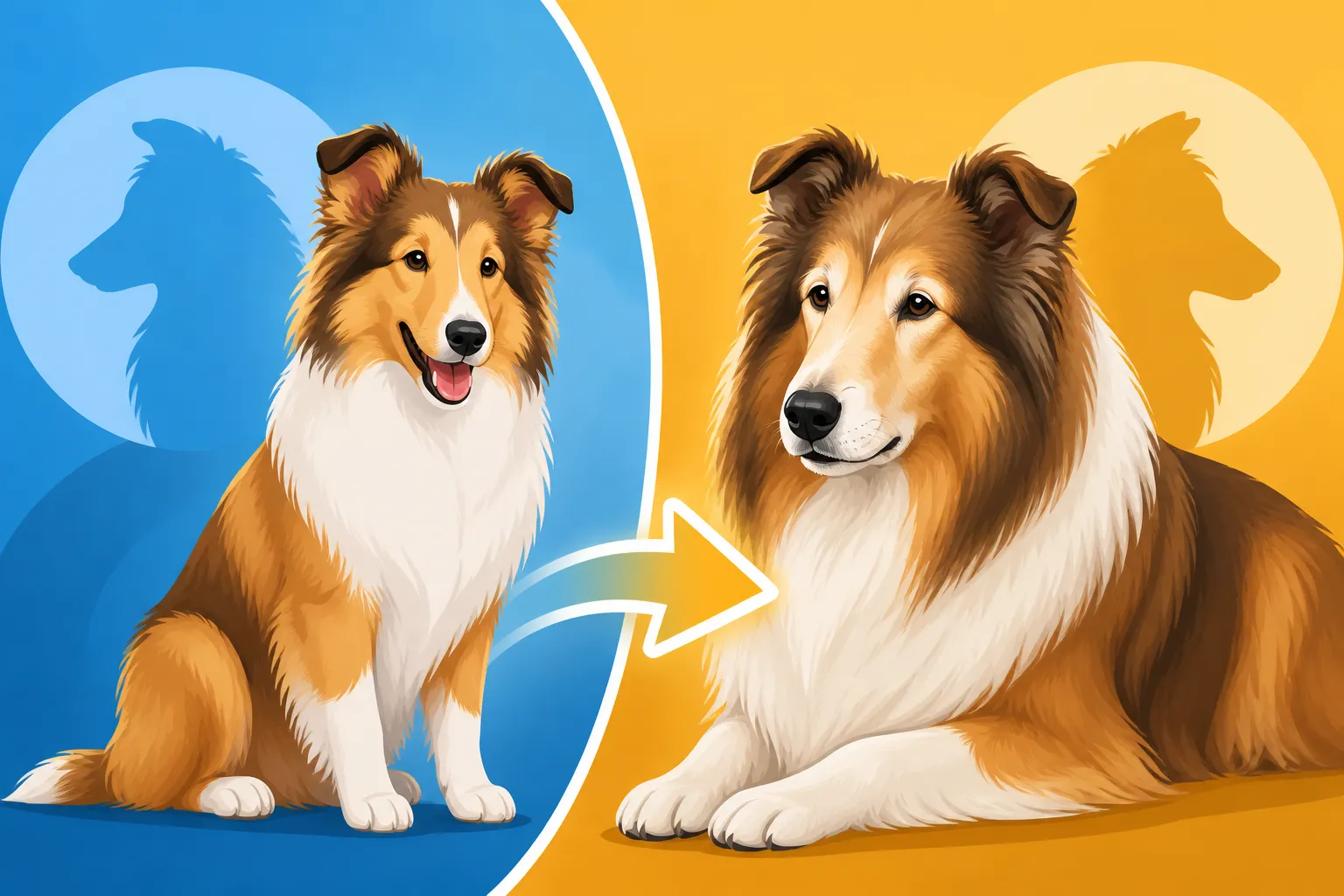
Watching your beloved Collie cross the threshold into their senior years can bring a mix of emotions – joy for all the wonderful memories, but also a quiet apprehension about the changes that lie ahead. It's tough to see your once-spry companion start to slow down, or notice subtle shifts in their personality. This guide is here to walk you through the common physical, behavioral, and health transformations you might observe in your Collie once they reach about nine years old, helping you understand what's normal, what needs attention, and how to best support them in their golden years.
Physical Transformations as Your Collie Ages
Just like us, our Collies experience a range of physical changes as they get older. It's not always easy to spot these under all that glorious fur, but a keen eye and a gentle hand during grooming can reveal a lot. Understanding these shifts is key to knowing when to simply adapt and when to call the vet.
Changes in Coat and Skin
One of the most noticeable, yet often overlooked, changes in a senior Collie is in their magnificent coat and the skin beneath. Where once it might have been thick, lustrous, and vibrant, you might start to see it thinning, especially over the hips, back, and around the tail. The texture can become coarser or, conversely, feel softer and more sparse, losing some of its youthful resilience. The once-bright colors, particularly in sables, might dull or show more gray around the muzzle and eyes, extending to other areas of the body.
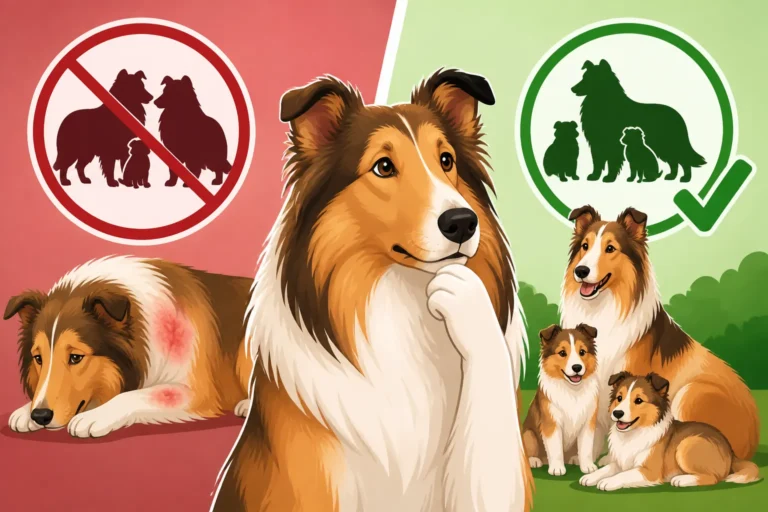
Beyond the visible coat, the skin itself undergoes changes. It can become thinner, less elastic, and more prone to dryness or irritation. You might notice new lumps and bumps appearing – benign fatty tumors (lipomas) are quite common in older dogs, but any new growth should always be checked by your veterinarian. Older Collies can also be more susceptible to skin infections or hot spots, particularly if they have underlying allergies or if their immune system isn't as robust as it once was. Regular, gentle grooming, perhaps even more frequent brushing if the coat is prone to matting or if shedding patterns change, becomes even more important to monitor their skin health and distribute natural oils. You might even want to check out information on What Changes in an Old Collie's Coat for more detailed insights.
Vision and Hearing Decline
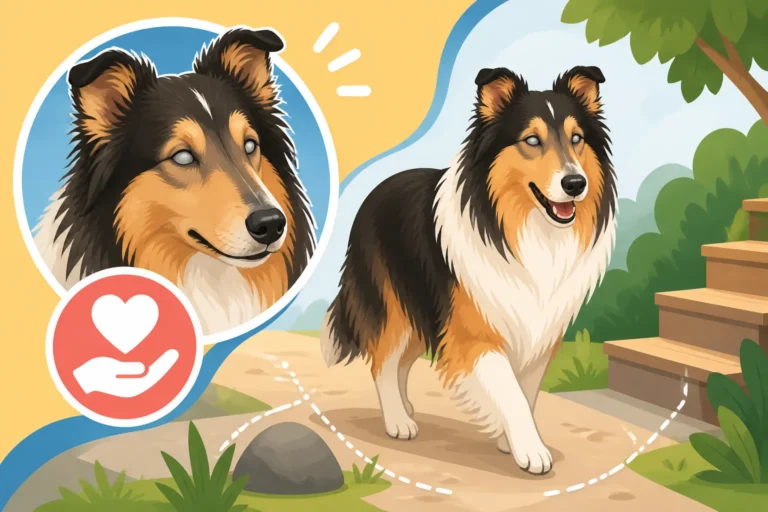
It’s heartbreaking to realize your loyal friend might not see or hear you quite as clearly as they used to, but it's a very common part of aging. Vision changes often manifest as a cloudiness in the eyes, which is usually nuclear sclerosis – a benign hardening of the lens that doesn't significantly impair vision. However, cataracts, which truly obstruct vision, are also a concern and can worsen over time. Your Collie might start bumping into furniture in dimly lit rooms, hesitate on stairs, or be more startled when approached from their blind side. You might also notice their pupils dilating more slowly in response to light.
Hearing loss can be even more insidious, often starting subtly. Perhaps your Collie doesn't come when called from another room, or they sleep through the doorbell that once sent them into a frenzy. They might seem less responsive to verbal commands, leading owners to mistakenly believe they're becoming stubborn. This isn't stubbornness; it's simply that they can't hear you as well. It’s important to adjust your communication – using more hand signals, tapping the floor, or using vibrations (like stomping gently) to get their attention. Never sneak up on a Collie with hearing loss, as it can cause them to become startled and react defensively. For a deeper dive into this, you might find our article on Whether an Old Collie Loses Its Hearing helpful.
Mobility and Joint Health
The graceful movement and tireless energy of a younger Collie often give way to a slower, more deliberate pace in their senior years. This is largely due to age-related changes in their joints, most commonly arthritis. You might observe stiffness, particularly after resting, or a noticeable lameness in one or more limbs. Getting up from a lying position might become a slow, sometimes painful, process, and they might hesitate before jumping into the car or climbing stairs. Their gait can change, becoming more stiff or wobbly, and they may show less enthusiasm for long walks or their favorite games of fetch.
Weight gain can exacerbate joint issues, putting extra strain on already compromised cartilage. It's crucial to maintain a healthy weight for your senior Collie, even as their metabolism slows down. Regular, gentle exercise is still important to keep joints mobile and muscles strong, but intense, high-impact activities should be swapped for shorter, more frequent strolls or swimming, if they enjoy it. There are many supportive measures you can take, from joint supplements to comfortable, orthopedic bedding, all aimed at improving their quality of life. If you're concerned about joint issues, understanding Signs a Collie Has Hip Dysplasia can be a useful starting point, even if hip dysplasia itself is more typically diagnosed at a younger age.
Behavioral and Cognitive Shifts in Senior Collies
Beyond the physical, our Collies also experience internal shifts that can affect their daily behavior and mental acuity. It’s part of the aging process, but understanding these changes helps us provide the patience and support they need to navigate this new stage of life with dignity.
Altered Energy Levels and Sleep Patterns
The boundless energy that once defined your Collie, allowing them to herd imaginary sheep for hours, will naturally begin to wane after nine. You'll likely notice them needing more rest throughout the day, often choosing quiet naps over boisterous play sessions. Their endurance on walks will decrease, and while they still enjoy going out, the length and intensity of those outings might need to be adjusted. It's important not to push them too hard, allowing them to set the pace and enjoy their environment without overexertion.
Interestingly, while they sleep more during the day, their nighttime sleep can sometimes become disrupted. Some senior Collies might start waking more frequently at night, wander aimlessly, or even vocalize. This can be a sign of discomfort, needing to relieve themselves more often, or it could be an early indicator of cognitive decline. Establishing a consistent evening routine, ensuring they have had a final potty break, and providing a comfortable, accessible sleeping area can help. It's a good idea to bring this up with your vet, as sometimes simple changes or even medication can improve their sleep quality and, by extension, yours.
Cognitive Dysfunction Syndrome CDS
This is perhaps one of the most challenging aspects of senior dog ownership, often compared to Alzheimer's in humans. Cognitive Dysfunction Syndrome (CDS) is a progressive neurodegenerative condition that affects memory, learning, and comprehension in older dogs. It's not just "old age" – it's a diagnosable condition that can be managed. The acronym DISHA is often used to describe the primary signs:
- Disorientation: Your Collie might get "stuck" in corners, stare blankly at walls, or seem confused about their surroundings, even in familiar places. They might wander aimlessly or struggle to navigate around furniture they've known their whole life.
- Interaction changes: They might seek less interaction with family members, or conversely, become more clingy. Some Collies may become irritable or withdrawn, while others might appear anxious or restless.
- Sleep/wake cycle alterations: As mentioned, they might sleep more during the day but be restless, awake, and confused at night, sometimes pacing or vocalizing. This can be one of the first signs many owners notice.
- House soiling: Despite being perfectly house-trained for years, a Collie with CDS might start having accidents indoors. This isn't defiance; it's often due to forgetfulness, a loss of bladder/bowel control, or not remembering how to signal they need to go out.
- Activity level changes: This can range from a decrease in overall activity and interest in play to an increase in repetitive behaviors like pacing, licking, or barking at nothing.
If you observe these signs, it's crucial to consult your veterinarian. Early diagnosis and intervention can significantly improve your Collie's quality of life. There are dietary changes, supplements, and even medications available that can help slow the progression of CDS and manage its symptoms. For insights into related issues, consider reading Whether an Old Collie Gets Confused at Night.
Social and Emotional Adjustments
As Collies age, their social and emotional landscape can also shift. Some might become more sensitive to loud noises, busy environments, or even the boisterous play of younger children or pets. They may prefer quiet companionship over lively gatherings and might seek out familiar, safe spaces to rest. Their tolerance for handling, especially if they have arthritic pain, can decrease, making grooming or vet visits more challenging. Patience and understanding become paramount during these interactions.
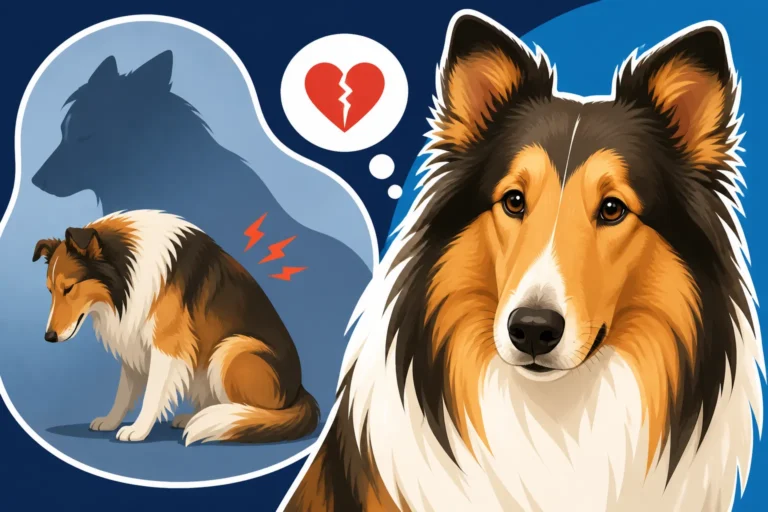
On the other hand, many senior Collies become more affectionate and clingy, seeking comfort and reassurance from their primary caregivers. They might follow you more closely around the house or demand more petting and attention. This heightened need for connection is often a response to their declining senses or increasing cognitive confusion, as they rely more heavily on familiar presences. It's a poignant reminder of their deep bond with you, and offering them extra comfort and security can make a world of difference to their emotional well-being.
Health Concerns and Preventive Care for Older Collies
The golden years often bring with them a greater propensity for certain health issues. Proactive care, regular veterinary check-ups, and a vigilant eye for subtle changes are your best tools to ensure your Collie stays as healthy and comfortable as possible.
Increased Risk of Chronic Illnesses
As their immune systems naturally weaken, senior Collies become more susceptible to a range of chronic health conditions. Cancer, unfortunately, becomes a more significant concern, with various types affecting older dogs. Regular physical exams and keeping an eye out for new lumps, unexplained weight loss, changes in appetite, or persistent coughing are vital. Many Collies also develop thyroid issues, specifically hypothyroidism, which can manifest as lethargy, weight gain, and coat changes. Understanding Whether a Collie Gets Thyroid Disease can help you spot the signs early.
Kidney disease and heart conditions are also prevalent in older dogs. Signs of kidney disease might include increased thirst and urination, decreased appetite, or vomiting. Heart disease can present as coughing, reduced exercise tolerance, or difficulty breathing. Regular veterinary check-ups, often twice a year for senior Collies, become incredibly important. These visits allow your vet to perform blood work, urinalysis, and physical examinations that can detect these conditions early, often before noticeable symptoms appear. Early detection frequently means more effective management and a better quality of life for your furry friend. If you're concerned about potential vet bills for such conditions, a pet insurance plan like those offered by Healthy Paws can provide peace of mind by helping to cover unexpected costs.
Nutritional Needs and Weight Management
A Collie's nutritional requirements change considerably as they age. Their metabolism slows down, meaning they need fewer calories to maintain a healthy weight. Continuing to feed them the same amount of their adult food can easily lead to obesity, which, as we discussed, puts extra strain on their joints and increases their risk for other health problems. Look for senior-specific dog foods that are lower in calories, sometimes higher in fiber, and often contain joint-supporting ingredients like glucosamine and chondroitin.
Dental health also becomes increasingly critical. Older Collies are more prone to dental disease, which can lead to pain, infection, and even impact their overall health. If chewing hard kibble becomes difficult due to painful teeth or a sore mouth, switching to a softer kibble, adding water to their food, or feeding wet food might be necessary. Regular dental cleanings under anesthesia might still be recommended by your vet, but for senior dogs, the risks of anesthesia need to be carefully weighed. Maintaining a healthy weight through appropriate diet and gentle exercise is one of the most impactful ways to contribute to your older Collie's longevity and comfort, making a huge difference in their lifespan.
Adapting Your Home for an Aging Collie
Making small modifications around your home can significantly improve your senior Collie's comfort, safety, and independence. If stairs are becoming a challenge due to arthritis or reduced vision, consider blocking access to certain floors or providing a ramp. Non-slip runners or rugs on hardwood or tile floors can prevent painful slips and falls, especially for dogs with wobbly gaits or weakness in their hindquarters.
Providing easily accessible, orthopedic dog beds in several locations throughout the house gives them comfortable places to rest their aching joints. Raised food and water bowls can make eating and drinking more comfortable, preventing them from having to stoop down too far. If your Collie is experiencing cognitive decline and having accidents, washable pee pads or more frequent potty breaks, especially right before bed and first thing in the morning, can help. Remember, your Collie has given you years of unconditional love; these simple adjustments are a small way to return that kindness as they enter their twilight years. For more general advice on managing the final years, take a look at Caring for a Collie Past Nine.
Senior Collie Health Considerations Summary
Navigating the senior years with your Collie means being prepared for a shift in their needs. Here's a quick overview of what to expect and what you can do:
| Aspect | Younger Collie (1-8 years) | Senior Collie (9+ years) | Owner Action |
|---|---|---|---|
| Coat/Skin | Thick, lustrous, few issues | Thinning, dullness, new lumps, drier skin | Increased gentle grooming, vet check for new growths |
| Vision | Clear, sharp | Nuclear sclerosis (cloudiness), potential cataracts | Monitor for bumping, provide consistent environment, vet check-ups |
| Hearing | Acute | Gradual decline, less responsiveness | Use hand signals, avoid startling, discuss with vet |
| Mobility | Energetic, agile | Stiffness, slower gait, difficulty rising, arthritis | Gentle exercise, orthopedic beds, ramps, vet for pain management |
| Energy Levels | High, long play sessions | More napping, shorter walks, reduced stamina | Adapt exercise, encourage rest, maintain routine |
| Cognition | Alert, easily learns | Potential disorientation, sleep cycle changes, house soiling (CDS) | Mental enrichment, structured routine, vet for CDS diagnosis/treatment |
| Social Behavior | Tolerant, outgoing | Can be more clingy or withdrawn, sensitive to noise | Provide comfort, quiet spaces, respect boundaries, gentle interactions |
| Vet Visits | Annual wellness exams | Biannual check-ups, blood work, specific screenings | Schedule regular vet visits, consider pet insurance (e.g., Healthy Paws) |
| Nutrition | High energy, growth-focused | Lower calories, joint support, dental health focus | Senior-specific food, monitor weight, address dental issues |
This table highlights the transition, but remember, every Collie is an individual. What one experiences, another might not. The key is attentiveness and a proactive approach to their care. When it comes to managing the financial aspects of these increased vet visits and potential treatments, looking into a comprehensive pet insurance plan from a provider like Healthy Paws can be incredibly beneficial. It allows you to focus on your Collie's health decisions without being overwhelmed by the costs. After all, the goal is to give them the best possible quality of life, especially in their golden years. Remember to look into How Long a Collie Lives and What Ends It to understand the broader picture of their lifespan.
Disclaimer
The information provided in this guide is intended for general informational purposes only and does not constitute veterinary advice. Always consult with a qualified veterinarian for any health concerns or before making any decisions about your Collie's medical care or treatment. Individual needs may vary.