Whether a Collie’s Weight Shortens Its Life
It’s a concern many Collie owners grapple with, often quietly – the worry that the beautiful, abundant coat of our beloved companions might be hiding a little too much cushion underneath. It’s easy to dismiss a few extra pounds when it’s not immediately visible, but the truth is, excess weight can silently chip away at your Collie’s health and longevity. This guide aims to pull back the curtain on the real risks an overweight Collie faces and provide practical, empathetic advice to help them live their longest, happiest lives.
The Hidden Toll: How Excess Weight Impacts Your Collie's Lifespan
We adore our Collies for their gentle nature, their intelligence, and yes, their glorious coats. But that magnificent fur can be a double-edged sword when it comes to assessing their physical condition. Unlike breeds with short, sleek coats where every curve and angle is visible, a Collie can carry a significant amount of extra weight before it becomes glaringly obvious to the untrained eye. This hidden weight, however, doesn't stay hidden from their internal organs and joints.
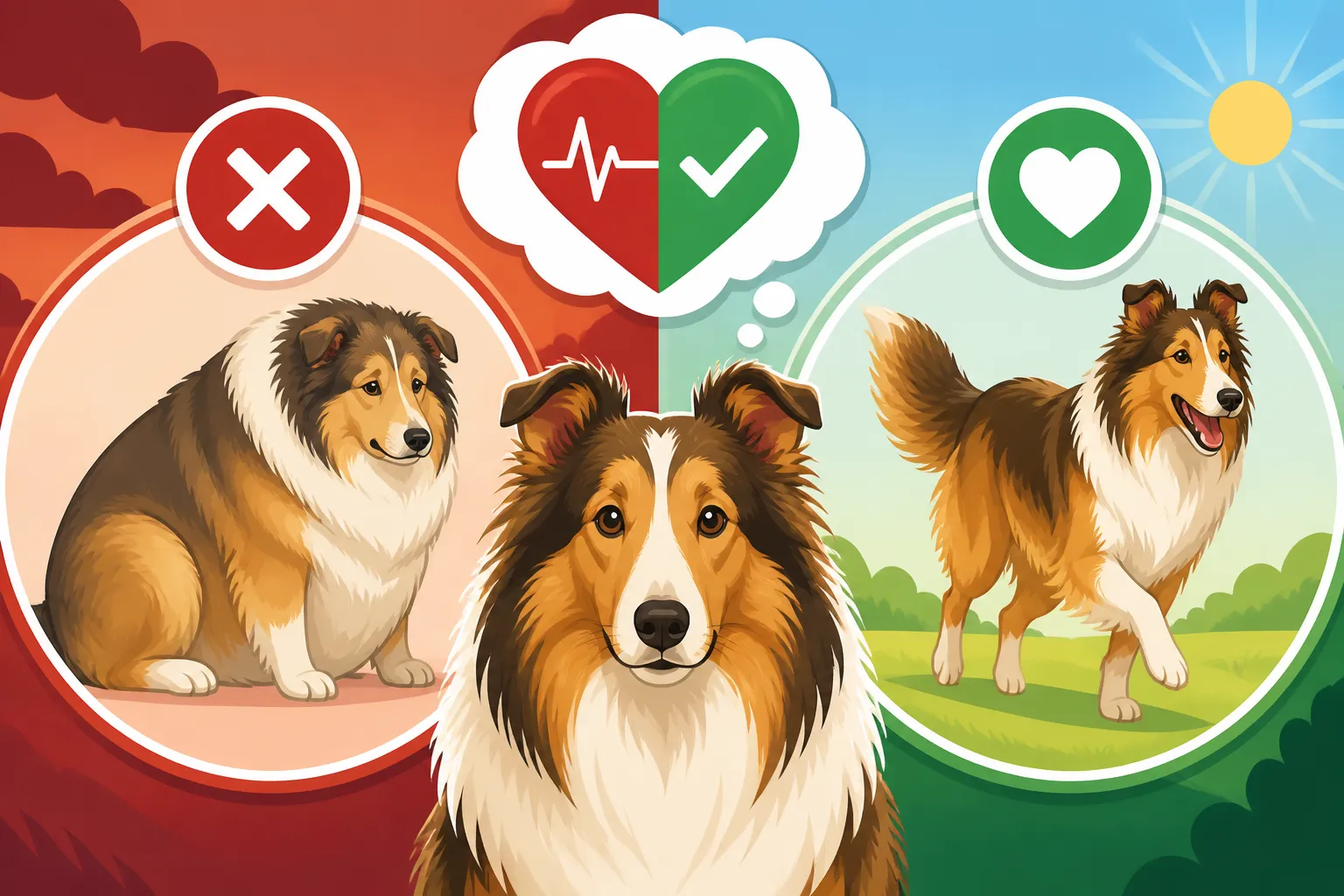
The simple, difficult truth is that carrying too much weight absolutely shortens a Collie's life. It's not just about aesthetics; it's about a cascading series of health issues that put strain on almost every system in their body. Think of it like a small car constantly carrying an overloaded trailer; eventually, something is going to give. For Collies, this manifests in several serious ways that can drastically reduce their quality of life and ultimately, their time with us.
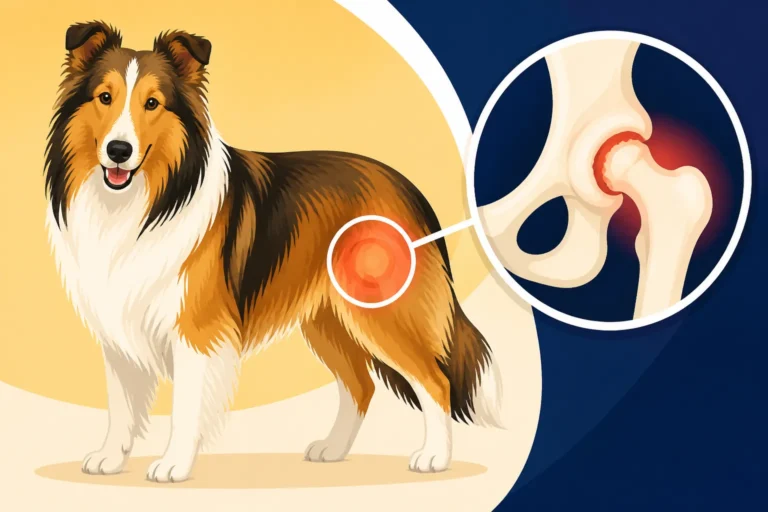
One of the most common and heartbreaking impacts is on their joints. Collies, like many larger breeds, can be predisposed to conditions like Hip Dysplasia in a Collie or elbow dysplasia. Add extra weight to already compromised or genetically weaker joints, and you accelerate the degeneration of cartilage, increase inflammation, and intensify pain. A heavier Collie will develop arthritis earlier, suffer more acutely, and have reduced mobility. This pain can then lead to a vicious cycle: pain reduces their willingness to move, which in turn leads to more weight gain and further joint stress. It's a downward spiral that significantly impacts their comfort and activity levels, making those joyful, bouncy moments harder to come by.
Beyond the musculoskeletal system, an overweight Collie is at a much higher risk for a whole host of other medical problems. Their cardiovascular system works harder to pump blood through a larger body mass, increasing the likelihood of heart disease. Their lungs have to work against more pressure, making breathing more difficult, especially in warm weather or during exercise. You might notice them panting more heavily, even after minimal exertion. This extra strain also affects their metabolic processes, making them more susceptible to conditions like diabetes. Imagine an engine running hot all the time; it's simply not built to sustain that level of stress indefinitely.
Furthermore, being overweight can complicate other necessary medical procedures. If your Collie ever needs surgery, even a routine one, extra weight significantly increases anesthetic risks. The body takes longer to metabolize drugs, and there's more strain on the heart and lungs during the procedure. Recovery can be slower and more complicated. Even if you have excellent pet insurance, like a plan from Healthy Paws, which can help cover unexpected medical costs, preventative measures like weight management are always the best first line of defense against these kinds of complications. It’s not just about treating illness, but proactively protecting their health.
Decoding the Fluff: How to Tell if Your Collie is Overweight
It's one thing to know that excess weight is bad, but it's another entirely to recognize it in your own beautiful, fluffy Collie. Their glorious double coat is designed to protect them from the elements, but it's also remarkably effective at masking subtle changes in body condition. This can make it incredibly challenging to realize your Collie has packed on a few extra pounds until it becomes a more significant issue. Many owners find themselves asking, "How can I tell if my Collie is actually overweight, or just wonderfully fluffy?"
The visual cues that work for a Labrador or a Doberman simply don't apply directly to a Rough Collie. You won't easily see a tucked waist or prominent ribs through that dense mane and petticoat. This is where hands-on assessment becomes absolutely crucial. You need to get tactile with your Collie, feeling through their coat to understand what's underneath. Don't be shy; your hands are your best tool here.
Start by feeling along your Collie's rib cage. You should be able to easily feel individual ribs with just a light layer of fat covering them, similar to feeling the knuckles on your hand with your palm flat. If you have to press firmly to feel them, or if you can't feel them at all, that's a red flag. Next, move to their waist. While you won't see a dramatic tuck from above, you should be able to feel a slight indentation behind their ribs when you run your hands along their sides. In an overweight Collie, this area will feel cylindrical or even bulge outwards. Finally, feel along their spine and hips. You should be able to feel these bony prominences without them being sharply defined, but also without them being entirely buried under fat.
A valuable tool used by veterinarians is the Body Condition Score (BCS) system. This is a standardized way to assess a pet's fat reserves, usually on a scale of 1 to 5 or 1 to 9. While a vet is best equipped to give you an accurate BCS, you can learn the basics yourself to get a good idea. A healthy Collie should typically fall into the "ideal" range, where ribs are easily palpable without being visible, there's a visible and palpable waist, and abdominal tuck. We have a whole article dedicated to this topic, Signs a Collie Is Overweight Under All That Coat, which goes into more detail about what to look for and how to perform these checks at home.
Beyond physical assessment, pay close attention to behavioral changes. Is your Collie less enthusiastic about walks? Do they tire more quickly than they used to? Are they struggling to jump into the car or onto the couch (if they're allowed)? These can all be subtle indicators that their weight is impacting their comfort and energy levels. While some changes can be attributed to age, a sudden or significant drop in activity without other obvious causes warrants a weight check. Don't wait until these issues become pronounced, as early intervention is always best. A quick chat with your veterinarian during a routine check-up is always a good idea if you have any doubts. They can give you an objective assessment and guide you on the next steps.
Charting a Course to Health: Effective Weight Management for Collies
So, you've realized your beloved Collie is carrying a little too much weight. The good news is, you've taken the crucial first step: recognition. Now comes the proactive part – implementing a thoughtful and consistent weight management plan. This isn't about crash diets or extreme exercise; it's about sustainable lifestyle changes that prioritize your Collie's long-term health and well-being. Remember, slow and steady wins the race when it comes to canine weight loss.
The foundation of any successful weight management strategy for a Collie lies in dietary adjustments. It sounds simple, but it's often the hardest part because we love to spoil our dogs. First and foremost, you need to accurately measure your Collie's food portions. Eyeballing it, even if you’ve done it for years, can lead to overfeeding. Always refer to the feeding guidelines on your dog food bag, but use it as a starting point. Many guidelines are set for intact, highly active dogs, and your individual Collie may need less, especially if they are neutered or less active. For a deeper dive into appropriate portions, you might find our article How Much an Adult Collie Eats helpful.
Consider switching to a weight-management formula dog food, which is typically lower in calories and higher in fiber to help your Collie feel full without overeating. More importantly, eliminate or drastically reduce table scraps and high-calorie treats. Those little bites from your plate or extra cookies add up incredibly fast and derail even the most carefully measured meals. If you use treats for training or just because you love to give them, switch to low-calorie options like small pieces of plain cooked chicken, green beans, or specially formulated low-calorie training treats. Think about Whether a Collie Should Be Fed Twice a Day as well; splitting their daily ration into two smaller meals can help manage hunger and metabolism.
Next to diet, exercise is paramount. A Collie might not need to run a marathon every day, but they do require consistent, moderate activity. Aim for at least 45-60 minutes of active exercise daily, broken into one or two sessions. This could be a brisk walk, a game of fetch in the yard, or even some structured playtime. The article How Much Exercise a Collie Needs Daily provides excellent ideas for keeping your Collie active. Consistency is key; a few long walks on the weekend won't counteract a week of minimal activity. If joint pain is an issue due to their weight, consult your vet about appropriate, low-impact exercises like swimming, which can provide excellent conditioning without stressing their joints.
Don't underestimate the power of mental stimulation, either. Boredom can often lead to excessive eating or "pacing" behaviors in dogs. Engage your Collie with puzzle feeders, scent work, or short training sessions to keep their minds active. Whether Puzzle Feeders Tire a Collie is a great resource for ideas on how to incorporate mental challenges into their day. These activities burn mental energy, which can be just as tiring as physical exertion, and can reduce the urge for food-seeking behaviors.
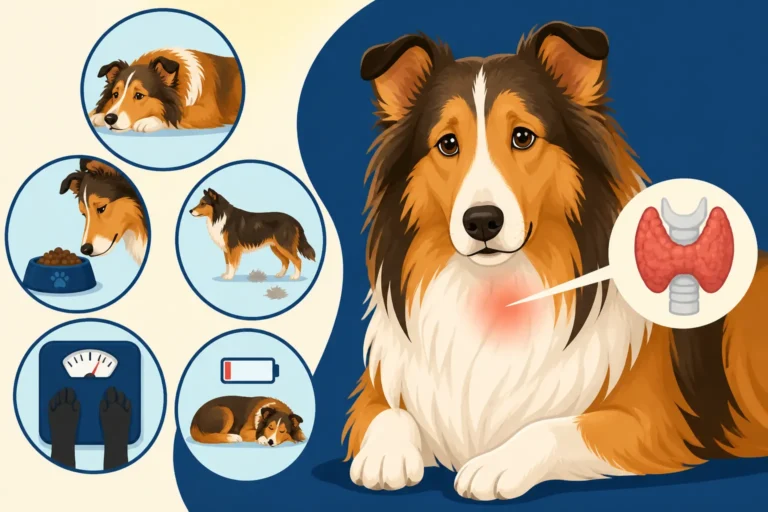
Regular weigh-ins are crucial to track progress and make adjustments. Your vet can weigh your Collie during routine check-ups, but you can also purchase a pet scale or weigh yourself, then weigh yourself holding your Collie, and subtract the difference. Aim for a gradual weight loss of 1-2% of their body weight per week. Rapid weight loss can be unhealthy and unsustainable. Remember, this is a journey, and patience is essential. A trusted veterinarian is your best partner in this endeavor. They can rule out underlying medical conditions (like thyroid issues, which can contribute to weight gain, as discussed in Signs a Collie's Thyroid Is Low) and help you create a personalized plan. Having pet insurance, such as from Healthy Paws, can be incredibly reassuring if any medical issues are uncovered during this process, allowing you to focus on your Collie's recovery without added financial stress.
Preventing Future Struggles: Maintaining a Healthy Weight for Life
Achieving a healthy weight for your Collie is a fantastic accomplishment, but the journey doesn't end there. Maintaining that ideal weight throughout their life is an ongoing commitment that requires vigilance, consistency, and a deep understanding of your Collie's changing needs. Just like with humans, weight can fluctuate, and preventing a relapse is far easier than trying to lose weight all over again.
The key to long-term weight maintenance is establishing a routine and sticking to it. This means consistent portion control with their meals, continuing to limit high-calorie treats, and ensuring they get their regular daily exercise. It's easy to become complacent once the initial weight goal is met, but that's when the pounds can creep back on. Remember the lessons learned during the weight loss phase and apply them every single day.
One area where owners often face new challenges is as their Collie ages. Their metabolism naturally slows down, and activity levels may decrease. An older Collie might not be able to do the same long walks or intense play sessions they once enjoyed. This means their caloric needs will likely decrease, even if they still seem hungry. Keeping an eye on What Changes in an Old Collie's Coat or their overall energy levels can give you clues that their needs are shifting. It's vital to adjust their diet and exercise regimen accordingly to prevent senior weight gain. For instance, an older Collie might benefit from several shorter, gentler walks throughout the day rather than one long, strenuous one.
Regular veterinary check-ups are more important than ever for maintaining a healthy weight. Your vet can monitor their weight, assess their body condition, and catch any subtle changes that you might miss. They can also recommend dietary adjustments or suggest supplements that might support joint health as they age. Conditions like low thyroid function, which can be a factor in weight gain, might become more prevalent in senior dogs, making regular bloodwork, as detailed in Whether an Old Collie Needs Bloodwork Twice a Year, an important preventative measure. Proactive care is truly the best defense against age-related weight challenges and other health issues. Pet insurance providers like Healthy Paws are there to support your Collie's health journey, offering peace of mind for unexpected health issues that might arise, but a focus on prevention is always the goal.
Finally, it's about partnership. You and your veterinarian are a team, working together to give your Collie the best possible life. Don't hesitate to ask questions, voice concerns, or seek advice on managing their weight. Being informed and proactive about your Collie's nutrition and exercise is one of the greatest gifts you can give them. It ensures they stay agile, comfortable, and happy, maximizing their potential lifespan and allowing you more precious years together. Understanding What Most Collies Die Of can also highlight the importance of proactive health management, as many common causes of death can be exacerbated by obesity. A healthy weight is a cornerstone of a long, vibrant life for your cherished Collie.
Disclaimer
This article is for general informational purposes only and does not constitute professional advice. Laws, prices and regulations vary by location and change over time. Consult a qualified professional for guidance on your specific situation.