What a Collie Puppy Costs in 2026
Bringing home a Collie puppy is a dream for many, filled with visions of gentle companionship and that iconic, flowing coat. But before you fall head over heels for those intelligent, soulful eyes, it's crucial to have a realistic understanding of the financial commitment involved. This comprehensive guide will walk you through the various costs associated with acquiring and caring for a Collie puppy, helping you budget wisely for a lifetime with your new best friend.
The Initial Investment: Puppy Purchase Price
The very first financial hurdle you'll encounter is the price tag on the puppy itself. This isn't just about what you pay the breeder; it reflects a multitude of factors, from the breeder's dedication to health to the puppy's lineage and potential. It's easy to be swayed by a lower price, but remember, sometimes a low upfront cost can hint at skipped steps that lead to much higher vet bills down the line.
Understanding Breeder Costs and Value
When you purchase a Collie puppy from a reputable breeder, you're not just paying for a cute face. You're investing in years of experience, genetic health testing, proper prenatal care for the mother, and early socialization for the puppies. Breeders who are truly dedicated to the breed will incur significant costs long before their puppies ever find homes. This includes stud fees, veterinary check-ups for the breeding pair, genetic screening for common Collie issues, and even specialized nutrition for the pregnant dam and her litter.
A responsible breeder performs a battery of health screenings on their breeding stock to minimize the risk of passing on hereditary conditions. They'll have invested in tests for things like the MDR1 gene mutation, which can make Collies sensitive to certain common medications, and will be transparent about the results. They'll also typically provide initial vaccinations, deworming, and a veterinary health certificate for each puppy. All these steps contribute to a higher initial price, but they also offer peace of mind and potentially save you thousands in future medical expenses. Don't be shy about asking a breeder about their The Genetic Testing a Collie Breeder Has Already Paid For or what screening they do beyond the absolute minimum.
Differences Between Show and Pet Quality Puppies
You might notice a difference in pricing between "show quality" and "pet quality" puppies from the same litter. A show quality puppy is one that closely adheres to the breed standard in terms of conformation, temperament, and movement, and has the potential to excel in the show ring. These puppies often command a higher price due to their perceived value for breeding programs or competitive exhibition. However, even within a show-bred litter, there will be puppies designated as "pet quality." These puppies might have a minor fault that disqualifies them from showing, like an ear set that isn't quite right, or a marking that's slightly off standard.
Crucially, "pet quality" does not mean "less healthy" or "less loving." It simply means they aren't destined for the show ring. For a family looking for a wonderful companion, a pet quality Collie is often an excellent choice and typically comes with a slightly lower price point. Most reputable breeders will sell pet quality puppies on a spay/neuter contract, ensuring they go to loving homes and aren't used for irresponsible breeding.
Rescue and Adoption Fees
For those who are open to giving a second chance, adopting a Collie from a rescue organization or shelter is another fantastic option. The adoption fees are typically much lower than buying from a breeder, but they still help cover significant costs. These fees usually include spay/neuter surgery, up-to-date vaccinations, microchipping, and any necessary medical treatment or rehabilitation the dog received while in rescue. Often, rescue groups will have already performed initial health assessments and may even have information on whether a rescue Collie has been MDR1 tested.
Adopting a rescue Collie means you're not only saving money but also giving a deserving dog a loving home. The fees usually range from a moderate amount for an adult dog to slightly more for a young puppy, reflecting the higher demand and the additional vet care puppies often require. While you might not get a puppy from a rescue, many wonderful adolescent or adult Collies are seeking homes, and they often come with the added bonus of being house-trained and past the most destructive puppy stages. Don't forget, sometimes Why Collies Are Surrendered has nothing to do with their behavior or health.
Setting Up for Success: Initial Supplies and Vet Care
Once you've secured your Collie puppy, the spending doesn't stop there. Before your furry friend even sets a paw in your home, you'll need to gather essential supplies. Beyond that, the first few months involve a flurry of veterinary visits and preventative care to ensure a healthy start.
Essential Puppy Supplies
Bringing a puppy home requires quite a shopping list. Think of it as preparing a nursery, but for a dog. You'll need a good quality crate or dog bed – something comfortable and appropriately sized for your growing Collie. Don't forget food and water bowls, which should be sturdy and easy to clean. Toys are essential for mental stimulation and to redirect puppy chewing away from your furniture. Consider a variety: soft toys, chew toys, and puzzle toys to keep that intelligent Collie mind engaged.
On the practical side, a leash and collar or harness are non-negotiable for walks and training. You'll also need puppy-friendly shampoo, a brush suitable for a Collie's developing coat, and nail clippers. Puppy pads can be a lifesaver for house training, especially in the early days. And, of course, don't forget a supply of high-quality puppy food specifically formulated for large breeds to support healthy growth. Many owners find value in ordering these supplies from online retailers like Chewy, where you can often find competitive prices and convenient delivery.
Initial Veterinary Visits and Vaccinations
The first few months of your Collie's life involve a series of crucial vet visits. Your puppy will need a complete series of vaccinations to protect against common canine diseases. This typically involves several rounds of shots given a few weeks apart. Beyond vaccines, your vet will perform physical exams to ensure your puppy is developing normally, check for parasites, and provide deworming treatments. This is also the perfect time to discuss heartworm and flea/tick prevention, which will be ongoing costs.
During these early visits, your veterinarian will also discuss spaying or neutering, a procedure that's highly recommended for pet Collies. This surgery, while routine, is a significant upfront cost. Remember to also ask your vet about Whether a Collie Should Be Vaccinated on a Normal Schedule and any specific considerations for the breed. These initial health investments are vital for establishing a strong foundation for your Collie's long-term well-being.
Microchipping and Registration
Microchipping is a relatively small but incredibly important one-time cost. This tiny chip, implanted just under your puppy's skin, vastly increases the chances of being reunited if your Collie ever gets lost. The microchip itself usually comes with a registration fee, which ensures your contact information is linked to the chip in a national database. It's a small price to pay for such vital security and peace of mind.
Beyond microchipping, many owners choose to register their Collie with organizations like the American Kennel Club (AKC) if their puppy came from registered parents. This often involves a small fee but provides a pedigree certificate and opens doors to various AKC-sponsored events and resources. While not strictly necessary for a companion dog, it's a way to acknowledge your Collie's heritage and connect with the broader breed community.
The Regular Rhythm: Ongoing Care Costs
Owning a Collie isn't a one-and-done financial transaction; it's an ongoing commitment. Throughout your Collie's life, you'll have recurring expenses related to their diet, grooming, preventative health, and general well-being. These regular costs form the backbone of responsible pet ownership.
Food and Nutrition
Feeding a Collie, a large and active breed, will be one of your most consistent expenses. The type and quality of food you choose significantly impact the cost. Premium kibbles, raw diets, or fresh food options will naturally be more expensive than generic brands, but they can offer superior nutrition that contributes to your Collie's overall health and coat quality. You'll need to consider how much an adult Collie eats and factor that into your monthly budget. Many owners choose to buy larger bags of kibble or subscribe to fresh food delivery services like Ollie for convenience and potential savings.
Beyond the main meals, don't forget treats! Training treats, dental chews, and recreational bones all add up. While it's tempting to cut corners on food, remember that good nutrition is a cornerstone of good health, potentially reducing vet bills in the long run. If your Collie has specific dietary needs, such as allergies or sensitivities, specialized foods can further increase this expense.
Grooming Requirements
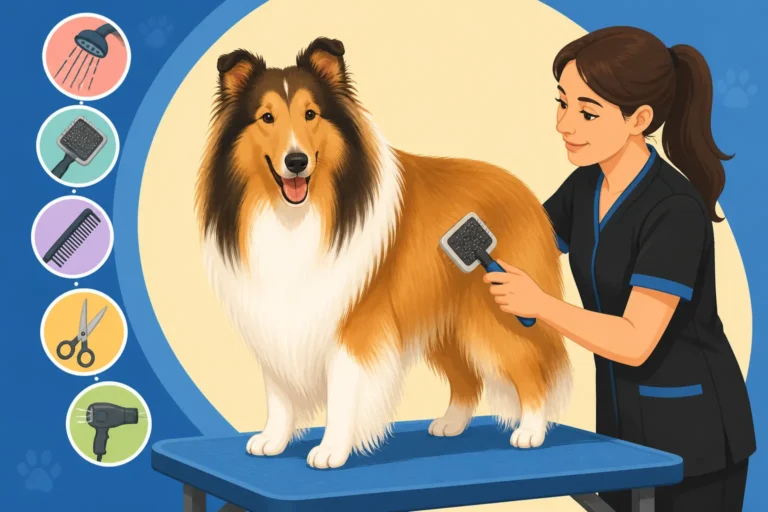
The Collie's stunning coat is a defining feature, but it doesn't maintain itself. Regular grooming is essential, and this can be a significant ongoing cost, particularly for Rough Collies. While a Smooth Collie's coat is less demanding, it still requires attention. If you opt for professional grooming, expect to schedule appointments every 6-8 weeks, especially during shedding seasons. These sessions include thorough brushing, bathing, drying, nail trims, and ear cleaning, all designed to keep the coat healthy and mat-free.
Many Collie owners choose to do some or all of the grooming themselves to save money. This requires an upfront investment in quality grooming tools, such as pin brushes, slicker brushes, combs, nail clippers, and a high-velocity dryer. Learning to properly line brush a Collie and manage their shedding when they blow their coat twice a year is a skill that takes time and practice. Even if you groom at home, you'll still need to replenish shampoos, conditioners, and potentially detangling sprays. This is truly where A Collie's Coat Is the Bill That Arrives Every Eight Weeks can feel like a very real statement.
Annual Veterinary Check-ups and Preventatives
Even the healthiest Collie needs annual veterinary check-ups. These visits allow your vet to monitor your dog's overall health, update vaccinations as needed, and conduct routine screenings. During these appointments, you'll also renew prescriptions for crucial preventatives.
Here's a breakdown of common annual preventative costs:
- Heartworm medication: Given monthly, this protects against a potentially fatal parasitic infection.
- Flea and tick prevention: Also typically administered monthly, these treatments protect against external parasites that can transmit diseases.
- Routine deworming: While often included in puppy visits, adult dogs may still need occasional deworming based on lifestyle and fecal test results.
Your vet might also recommend annual bloodwork, particularly as your Collie ages, to screen for early signs of common conditions like Whether a Collie Gets Thyroid Disease or kidney issues. These proactive measures are key to catching problems early and maintaining your Collie's health.
Beyond the Basics: Training, Enrichment, and Insurance
A well-adjusted Collie is one that is properly trained, mentally stimulated, and adequately protected against unforeseen circumstances. These aspects, while not always considered "basic" expenses, are integral to responsible ownership and contribute significantly to your dog's quality of life and your peace of mind.
Training Classes and Socialization
Even though a Collie is highly intelligent, positive reinforcement training is essential from puppyhood. Puppy kindergarten classes are a fantastic investment, providing vital socialization with other dogs and people, and teaching you the fundamentals of basic obedience. As your Collie grows, you might consider advanced obedience, rally, or even sports like agility. These activities provide mental stimulation and physical exercise, which are critical for a herding breed. Remember, Forty Five Minutes a Day, and Half of It in Its Head means they need mental engagement as much as physical.
The cost of training varies depending on group classes versus private sessions, and the reputation of the trainer. Investing in good training early can prevent behavioral issues down the road, which can be far more expensive and stressful to correct later. Moreover, consistent positive training helps build a strong bond between you and your Collie, making them a more harmonious member of the family.
Toys and Enrichment
Collies are bright dogs who thrive on mental stimulation. A rotation of engaging toys and enrichment activities is vital to prevent boredom, which can lead to destructive behaviors. Puzzle toys, KONGs stuffed with treats, and interactive feeders can keep their minds busy. Regular walks are great, but incorporating scent work, fetch, or even simply new routes can turn a routine outing into an enriching adventure.
Consider subscription boxes for dogs, like those you might find through Chewy, which deliver new toys and treats regularly, keeping things fresh for your Collie. While these might seem like discretionary spending, they are an investment in your dog's happiness and mental health. A bored Collie is often a mischievous Collie, and replacing chewed furniture is a much greater expense than a new toy.
Pet Insurance
This is an area where proactive financial planning can truly pay off. Veterinary medicine has advanced dramatically, offering incredible treatments for serious illnesses and injuries, but these treatments can be costly. Pet insurance helps mitigate the financial impact of unexpected accidents or illnesses. While routine wellness care might not always be covered, insurance plans are designed to help with emergency vet visits, surgeries, medications, and specialized treatments.
When choosing a policy, compare different providers like Healthy Paws, look at deductibles, reimbursement percentages, and annual limits. It’s also wise to research what inherited conditions, common in Collies like Collie Eye Anomaly Affects Most Collies, So Ask How Badly, might be covered or excluded. Purchasing pet insurance when your Collie is a young puppy often results in lower premiums and ensures coverage before any pre-existing conditions develop. It’s peace of mind, knowing you won't have to make difficult decisions based solely on cost if your beloved companion faces a medical crisis.
Preparing for the Unexpected: Emergency Funds and Other Variables
No matter how well you plan, life with a pet inevitably throws curveballs. From sudden illnesses to unforeseen accidents, having a financial buffer for emergencies is just as important as budgeting for daily needs. Furthermore, various lifestyle choices and regional differences can impact your overall Collie ownership costs.
Emergency Veterinary Care
A sudden illness, an accident, or an unexpected drug reaction (especially for Collies with the MDR1 mutation, as described in The Drug List That Can Kill a Collie) can lead to significant, unplanned veterinary bills. Emergency vet visits, diagnostic tests, overnight stays, and surgeries can quickly run into the hundreds or even thousands of dollars. While pet insurance can help, it often involves a deductible and reimbursement period, meaning you might still need funds upfront.
It's highly advisable to set aside an emergency fund specifically for your Collie's health needs. Even a few hundred dollars can make a difference in a critical situation. This fund acts as a safety net, ensuring you can provide immediate, necessary care without having to scramble for funds or make agonizing financial choices during a stressful time.
Boarding, Pet Sitting, and Travel
If you travel without your Collie, you'll need to budget for their care while you're away. Boarding kennels, pet sitters, or dog walkers all come with their own costs. The price can vary significantly based on your location, the services provided (e.g., individual playtime, specialized diets, medication administration), and the duration of your trip. Some Collies may do well in a boarding facility, while others thrive better with a pet sitter who comes to your home, maintaining their routine.
If your Collie travels with you, there might be associated costs as well, such as pet fees for airlines or hotels, or specialized car safety equipment. While not a constant expense, these intermittent costs should be factored into your overall budget if you anticipate traveling.
Miscellaneous Costs and Hidden Expenses
There are always those little things that add up. Think about new leashes, replacement toys that get destroyed, a sturdy bed, or specialized cleaning supplies for inevitable puppy accidents. Licensing fees, if required by your municipality, are another small but necessary annual expense. You might also find yourself buying additional gear, like a cooling mat for summer, or a warm coat for winter if you live in a colder climate and have an older dog whose coat might thin.
Another often overlooked cost is the time commitment. While not monetary, the hours spent on training, grooming, exercising, and simply being present with your Collie are invaluable. Consider these "hidden costs" as an investment in your dog's happiness and your shared bond.
Here's a simplified table comparing typical initial versus ongoing costs for a Collie:
| Expense Category | Initial Costs (First Few Months) | Ongoing Costs (Per Year, after initial) | Notes |
|---|---|---|---|
| Acquisition | Puppy Price/Adoption Fee | – | Breeder vs. Rescue, Show vs. Pet Quality |
| Vet Care | Puppy Vaccinations, Deworming, Microchip, Spay/Neuter | Annual Exam, Vaccinations, Preventatives | Emergency fund recommended for unexpected vet bills |
| Supplies & Equipment | Crate, Bed, Bowls, Leash, Collar, Initial Toys, Grooming Tools | Replacement Toys, Beds, Collars, Cleaning Supplies, Grooming Products | Durable, high-quality items last longer |
| Food & Treats | Initial Puppy Food | High-Quality Adult Dog Food, Treats | Varies significantly by brand, type (kibble, fresh, raw) |
| Grooming | Initial brushes, combs, nail clippers | Professional Grooming (optional), Shampoos, Conditioners | Essential for Rough Collies, can be done at home to save money |
| Training & Enrichment | Puppy Classes | Advanced Classes (optional), Puzzle Toys, Scent Work items | Helps prevent behavioral issues, provides mental stimulation |
| Pet Insurance | First premium payment | Monthly/Annual Premiums | Highly recommended for financial protection against large vet bills |
| Miscellaneous | License Fee (first year) | License Renewal, Boarding/Sitting (as needed), Travel fees | Consider lifestyle impacts |
Long-Term Financial Planning for Your Collie
A Collie can live a long and fulfilling life, often well into their early to mid-teens. This means your financial commitment extends far beyond puppyhood. Thinking about the long-term allows you to better prepare for the changing needs and associated costs as your Collie transitions from energetic youth to comfortable senior status.
Planning for Senior Years
As your Collie ages, their veterinary needs often increase. Senior Collies may require more frequent check-ups, specialized diets for age-related conditions, or medications for arthritis, heart conditions, or other common ailments that come with age. Just like in humans, caring for an elderly dog can involve higher medical expenses. For example, Caring for a Collie Past Nine often involves managing chronic conditions.
Setting aside funds specifically for senior care or ensuring your pet insurance policy offers good coverage for age-related issues can be incredibly beneficial. Early detection and management of senior health problems can significantly improve your Collie's quality of life in their golden years, but these interventions come with a cost.
Unexpected Life Changes
Life happens. Job loss, unexpected moves, or changes in family structure can impact your ability to provide for your Collie. While it's impossible to predict everything, having a general financial buffer for emergencies, not just related to your dog's health, can offer security. Thinking about your Collie's well-being during such times is part of responsible ownership.
This might mean evaluating if your current budget can realistically accommodate a Collie through various life stages. It's not about being pessimistic, but rather about being realistic and prepared to ensure your Collie always receives the care and attention they deserve, regardless of life's ups and downs.
The True Cost: Time, Love, and Dedication
While we've focused heavily on the monetary costs, it's vital to remember that the true investment in a Collie goes far beyond dollars and cents. The time you dedicate to training, grooming, exercise, and simply being present with your dog is immeasurable. The love, companionship, and joy a Collie brings into your life are priceless.
Understanding the financial aspects allows you to approach Collie ownership with confidence and responsibility. By planning ahead and being realistic about the expenses, you can ensure that your beautiful, intelligent companion lives a healthy, happy, and well-cared-for life by your side. Bringing home a Collie is a significant commitment, but for many, it's one of the most rewarding decisions they will ever make.
Disclaimer
This article is for general informational purposes only and does not constitute professional advice. Laws, prices and regulations vary by location and change over time. Consult a qualified professional for guidance on your specific situation.