Whether an MDR1 Collie Needs a Specialist Pharmacy
It’s a deeply unsettling moment when you learn your beloved Collie has the MDR1 mutation. Suddenly, every trip to the vet, every new prescription, or even a simple over-the-counter remedy becomes a minefield of anxiety. The fear of unknowingly administering a dangerous drug is real, and the question of whether standard pharmacies can truly cater to such a specific, critical need often weighs heavily on a Collie owner's mind. This guide aims to demystify the process, helping you understand how to safely navigate your Collie's medication needs and whether a specialist pharmacy is truly necessary.
Understanding the MDR1 Mutation and Medication Risks
The MDR1 mutation, or Multi-Drug Resistance 1, is a genetic anomaly that affects many herding breeds, Collies prominently among them. It’s not just a genetic curiosity; it fundamentally changes how your dog’s body processes certain medications. For owners, this translates into a heightened sense of vigilance and a constant worry about drug interactions.
What the MDR1 Mutation Actually Does
At its core, the MDR1 mutation impairs the function of a protein called P-glycoprotein. Think of P-glycoprotein as a diligent bouncer at the blood-brain barrier and other vital organs, actively pumping out drugs and toxins. In Collies with the MDR1 mutation, this bouncer isn't doing its job effectively. This means that certain medications, which would normally be quickly expelled from the brain or other sensitive tissues, can accumulate to toxic levels. This isn't a subtle difference; it can be life-threatening. The seriousness of the situation is why understanding What the MDR1 Mutation Actually Does to a Collie is so vital for every owner.
This isn't just about high doses either. Even standard, seemingly safe doses of certain drugs can become lethal for an MDR1-affected Collie because their body can't clear them properly. The drugs can linger, causing severe neurological symptoms, organ damage, or even death. It’s a silent, invisible threat that requires constant awareness from owners and veterinary professionals alike.
The Stakes: Which Drugs an MDR1 Collie Must Never Have
The list of drugs that are dangerous for an MDR1 Collie is extensive and includes common medications you might find in any veterinary practice or even over-the-counter. Ivermectin, often used for deworming, is perhaps the most well-known culprit, but it's far from the only one. Loperamide, a common anti-diarrheal, can be incredibly dangerous. Certain chemotherapy drugs, sedatives, and even some antibiotics pose significant risks. For a comprehensive overview, I always recommend owners familiarize themselves with The Drug List That Can Kill a Collie.
The challenge often lies in the fact that many veterinary professionals, while highly skilled, may not encounter MDR1 Collies frequently enough to have the entire drug list memorized. It becomes the owner's responsibility to be the primary advocate for their dog, a task that can feel overwhelming when your dog is already sick or injured. This is where the concept of a "specialist pharmacy" or proactive communication comes into play, ensuring that every medication administered is double-checked for safety.
Standard Veterinary Practices vs. Specialist Pharmacies for MDR1 Collies
When it comes to medication, you might wonder if your regular vet is enough, or if a specialized service is truly needed. It's a valid question, and the answer often depends on your vet's specific experience and your own comfort level.
How Traditional Veterinary Clinics Handle MDR1 Medication
Most modern veterinary clinics are aware of the MDR1 mutation, especially if they see a fair number of herding breeds. Many will flag your Collie's chart with an MDR1 alert once you inform them. This is a crucial first step, and honestly, it can make all the difference. When you first bring your Collie to a new vet, one of the most important things you can do is proactively explain How a Collie Owner Tells the Vet About MDR1. This proactive communication ensures they are aware of the mutation and the potential for adverse drug reactions.
However, the level of vigilance can vary. Some clinics might have specific protocols, such as using a reference chart for every prescription, while others might rely more on the individual veterinarian's memory. For routine medications, like yearly heartworm preventives, vets often prescribe products known to be safe for MDR1 Collies, such as milbemycin oxime or selamectin-based options. But what happens if your Collie needs an emergency surgery, or develops a chronic condition requiring daily medication? The sheer volume of drugs and potential interactions means that even the most dedicated vet might benefit from a second layer of scrutiny or access to specific formulations.
The Benefits and Limitations of a Specialist Pharmacy
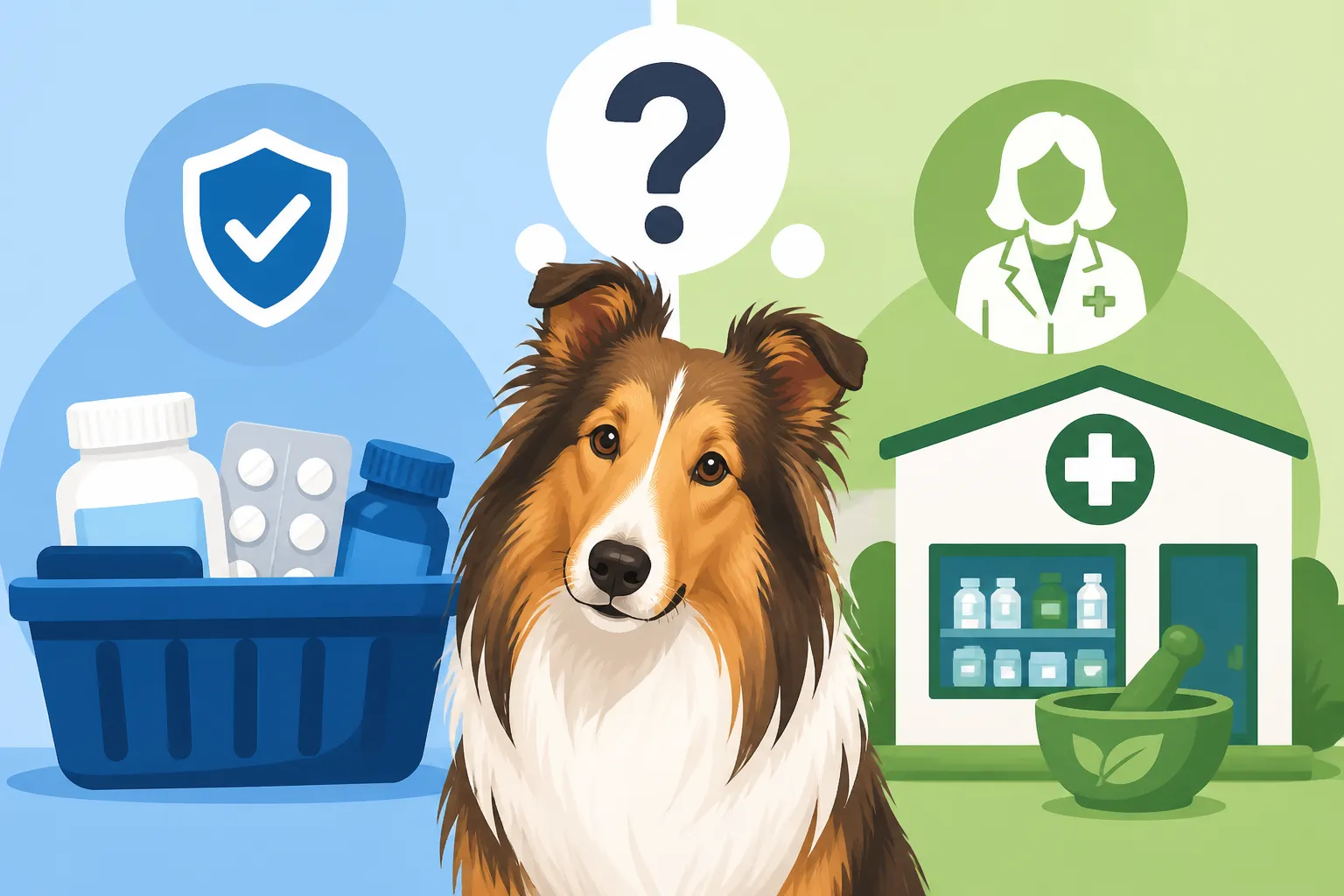
A "specialist pharmacy" in this context usually refers to a veterinary compounding pharmacy or one that has extensive experience with breed-specific genetic sensitivities. The primary benefit is their deep knowledge of drug formulations, alternative medications, and precise dosing for animals, especially those with unique needs like MDR1 Collies. They can often provide medications in specific strengths or forms (e.g., liquid, flavored chews) that are not commercially available, which can be invaluable for accurate dosing and ease of administration. This is particularly relevant if you've ever wondered Whether an MDR1 Collie Needs Compounded Medication.
The limitation, however, is often access and cost. Not every area has a dedicated veterinary compounding pharmacy, and even if they do, the cost of compounded medications can be significantly higher than standard prescriptions. This is where online pet pharmacies, like Chewy's pharmacy service, can sometimes bridge the gap, offering a wider selection of medications and sometimes better pricing, though they may not offer compounding services themselves. The key is that any pharmacy, specialist or not, must communicate closely with your veterinarian and understand the critical nature of the MDR1 mutation.
Navigating Prescriptions and Drug Sourcing for Your MDR1 Collie
The responsibility of ensuring your MDR1 Collie receives safe medication ultimately rests with you, the owner. It can feel like a heavy burden, but with a clear strategy, you can confidently navigate the world of prescriptions and drug sourcing.
Steps to Ensure Safe Prescriptions
The first step, and perhaps the most important, is comprehensive genetic testing for the MDR1 mutation. If you haven't done this, make it a priority. Assume Your Collie Has the MDR1 Mutation until proven otherwise. Knowing your dog's status (N/N clear, M/N carrier, or M/M affected) provides definitive guidance. Once you know, ensure this information is prominently displayed on your Collie's veterinary chart. Ask your vet if A Collie's Chart Should Be Flagged at the Clinic with a visible alert for MDR1. A medical alert tag for your Collie, detailing their MDR1 status, is also a wise precaution, especially for emergencies.
Before any new medication is dispensed, always ask your vet, "Is this safe for an MDR1 Collie?" Don't assume. Even if you've told them a dozen times, a quick reminder can prevent a devastating mistake. For routine preventives like heartworm medication, ask specifically about the active ingredients. Many modern heartworm and flea/tick preventives are perfectly safe, but it's essential to confirm Whether Heartworm Preventive Is Safe for a Collie and Whether Flea Treatment Is Safe for an MDR1 Collie. If your vet is ever unsure, politely request they consult a comprehensive drug list or contact a specialist. It’s your dog's life, and a moment of awkwardness is worth it.
Sourcing Medications: Online Pharmacies vs. Local Dispensaries
For standard, non-compounded medications, you have a few options. Your vet's in-house pharmacy is often the most convenient, but sometimes not the most cost-effective. Local human pharmacies may fill some common veterinary prescriptions, but always ensure they are aware of the MDR1 implications and double-check the exact formulation and dosage.
Online pet pharmacies, like Chewy's pharmacy, have become incredibly popular. They can offer competitive pricing and home delivery, which is a huge convenience. When using an online pharmacy, you'll still need a prescription from your vet, and they will usually verify it directly with your clinic. While convenient, it's still your responsibility to scrutinize the medication upon arrival and cross-reference it with what your vet prescribed, ensuring it matches the safe options for an MDR1 Collie. Be cautious about third-party sellers on large marketplaces, and always stick to reputable, verified online pharmacies.
The Role of Compounding Pharmacies in MDR1 Collie Care
Compounding pharmacies truly step into a specialist role when standard medications just won't do. For an MDR1 Collie, this can be a lifesaver, allowing precise control over what goes into your dog's system.
When Compounded Medications Become Necessary
There are several scenarios where a compounding pharmacy becomes not just convenient, but essential. Firstly, if a necessary drug is on the dangerous list for MDR1 Collies, a compounding pharmacy might be able to formulate a safer alternative if one exists, or provide the drug in an ultra-low, precisely measured dose that a standard pharmacy can't offer. Secondly, some medications simply don't come in pet-friendly dosages or forms. Imagine trying to split a tiny tablet for a precise micro-dose needed for an MDR1-sensitive dog – it’s almost impossible to do accurately at home. Compounding pharmacies can create liquid suspensions or smaller, accurately dosed capsules.
Thirdly, palatability is a real concern. If your Collie flat-out refuses to take a bitter pill, a compounding pharmacy can often flavor medications, making administration much less stressful for both of you. This is especially important for long-term medications, where compliance is key to managing a chronic condition. While it might sound like an extra step, sometimes a compounded medication is the only way to ensure your MDR1 Collie gets the treatment they need safely and effectively.
What Compounded Medication Involves and Costs
When your vet prescribes a compounded medication, they will send the prescription to a compounding pharmacy. These pharmacies have specialized equipment and trained pharmacists who create medications from scratch or modify existing ones. They can remove inactive ingredients that might be problematic, create specific concentrations, or combine multiple medications into one dose.
The cost of compounded medication is generally higher than commercially available drugs due to the individualized labor and specialized ingredients involved. What Compounded Medication Costs for a Collie can vary widely depending on the drug, the complexity of the formulation, and the quantity. It's not uncommon for a compounded medication to cost significantly more than a standard prescription. However, for a life-saving or quality-of-life improving drug that isn't safe or available otherwise, it's often a cost Collie owners are willing to bear. Discussing these costs upfront with your vet and the pharmacy is always a good idea.
Here's a quick comparison of medication sourcing options:
| Feature | Veterinary Clinic Pharmacy | Human Pharmacy (with vet script) | Online Pet Pharmacy (e.g., Chewy) | Veterinary Compounding Pharmacy |
|---|---|---|---|---|
| MDR1 Knowledge | Variable, vet-dependent | Generally low, requires owner vigilance | Low to moderate, depends on specific drug | High, often specialized |
| Convenience | High (in-house) | Moderate (local pick-up) | High (home delivery) | Low (fewer locations, shipping) |
| Cost | Moderate to high | Low to moderate | Low to moderate | High |
| Customization/Dosing | Standard formulations only | Standard formulations only | Standard formulations only | High (precise dosing, flavors) |
| Range of Drugs | Limited to common vet meds | Wide for human meds, limited for vet | Wide for common vet meds | Wide, custom-made |
| Vet Communication | Direct and immediate | Requires vet's office to send script | Requires vet's office to verify | Direct from vet or owner |
Cost Considerations and Insurance for MDR1 Medications
The ongoing care for an MDR1 Collie, especially if it involves non-standard medications or a reaction, can certainly impact your wallet. Understanding these financial aspects and how pet insurance can help is crucial for long-term planning.
The Financial Impact of MDR1-Specific Care
Beyond the regular costs of owning a Collie, having an MDR1-affected dog can add unexpected expenses. As mentioned, compounded medications are often pricier. Should your Collie accidentally receive a dangerous drug, the cost to treat What an MDR1 Reaction Costs to Treat in a Collie can be substantial, involving emergency vet visits, hospitalization, and intensive care. This is a very real scenario that many owners fear. It’s not just about the cost of the drug itself, but the downstream effects if something goes wrong.
Furthermore, some vets might charge a small fee for the extra vigilance required, such as consulting drug lists or making multiple phone calls to a compounding pharmacy. While Whether a Vet Charges to Flag a Collie's File might not be common, the time and effort involved are part of the equation. Even preventative measures, like ensuring your Collie has a medical tag indicating their MDR1 status, add to the initial investment in their safety.
How Pet Insurance Can Help with MDR1-Related Costs
Pet insurance is a topic that comes up frequently when discussing breed-specific health concerns. For an MDR1 Collie, a good pet insurance policy can be an absolute lifesaver. Most comprehensive accident and illness plans will cover the costs associated with drug reactions, emergency care, specialist consultations, and prescribed medications, including compounded ones, provided the MDR1 mutation wasn't a pre-existing condition before you enrolled. Companies like Healthy Paws are known for their comprehensive coverage, but it's essential to read the fine print of any policy to understand what is covered and what isn't, especially regarding genetic conditions.
It’s generally advisable to enroll your Collie in pet insurance as early as possible, ideally as a puppy, before any conditions or concerns are diagnosed. If your Collie already has an MDR1 diagnosis, it's worth checking if the specific mutation itself would be considered a pre-existing condition, though drug reactions are typically covered as accidents/illnesses. Knowing that you have a financial safety net can significantly alleviate the stress of seeking the best care for your MDR1 Collie, allowing you to focus on their well-being rather than the bill.
Empowering Yourself as an MDR1 Collie Owner
Living with an MDR1 Collie requires you to be an informed, proactive, and persistent advocate for your dog's health. It’s a journey that builds a strong bond and a deep understanding of your furry friend's unique needs.
Communicating Effectively with Your Veterinary Team
You are your Collie's first line of defense. Always bring up the MDR1 mutation at every single vet visit, even for routine check-ups. Don't assume they remember, especially if you see different vets or techs. Carry a printout of the common drugs to avoid, and consider providing your vet with a copy for your dog's file. Be prepared to ask questions about every new prescription. If a medication is prescribed that you have concerns about, don't hesitate to voice them and ask for alternatives or for your vet to double-check.
It's also important to consider Whether a Collie Owner Should Choose a Vet Who Knows the Breed. While not always feasible, a vet with experience in Collies or other herding breeds might already be more attuned to MDR1 concerns, which can provide a significant peace of mind. However, even if your vet isn't a breed specialist, open and consistent communication can make any veterinary team proficient in handling your Collie's needs.
Proactive Management and Emergency Preparedness
Beyond communication, proactive management is key. Regularly review your Collie's health records and medication list. Ensure all family members and anyone who might care for your dog (pet sitters, boarders) are aware of the MDR1 mutation and the critical drug sensitivities. Provide them with a concise list of emergency contacts and instructions.
In case of an emergency, time is often of the essence. Have a "go bag" ready with your Collie's MDR1 information, a list of known safe medications, and your vet's contact info. This can be crucial in situations where you might be too stressed to remember all the details. Being prepared not only helps your Collie but also reduces your anxiety, knowing you've done everything you can to protect them. Remember, knowledge is power, and your diligence is the best safeguard for your precious MDR1 Collie.
Disclaimer
This article is for general informational purposes only and does not constitute professional advice. Laws, prices and regulations vary by location and change over time. Consult a qualified professional for guidance on your specific situation.