Why Collies Are Surrendered
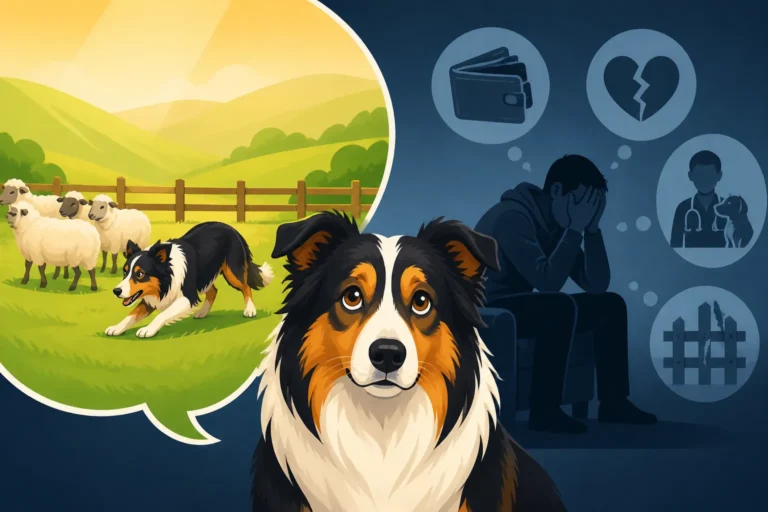
It's a heartbreaking reality: beautiful, intelligent Collies, often seen as symbols of loyalty and companionship, sometimes end up in shelters or rescue organizations. Often, these surrenders aren't due to a lack of love, but a fundamental misunderstanding of the breed's specific needs and characteristics. This guide aims to shed light on the most common reasons Collies are surrendered, helping prospective and current owners understand potential pitfalls and ensure a "forever home" truly lasts forever.
The Overwhelming Demands of the Collie Coat
One of the most frequent and perhaps least anticipated reasons Collies find themselves in need of a new home is the sheer magnitude of their coat care. The image of a majestic Rough Collie with its flowing mane is undeniably beautiful, but many new owners underestimate the relentless commitment required to maintain it. This often leads to frustration, neglected coats, and ultimately, surrender.
Unprepared for the Shedding Volume
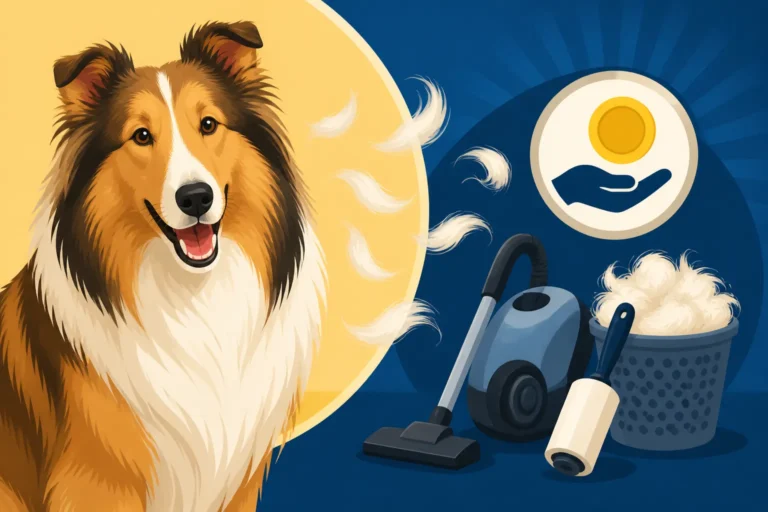
Many people adore the luxurious appearance of a Rough Collie but are simply not prepared for the reality of living with a double-coated breed that sheds. It's not just a little hair here and there; Collies have significant seasonal coat blows that can feel like a blizzard of fur indoors. Twice a year, often in spring and fall, the undercoat releases in massive quantities, coating furniture, clothes, and every corner of the home. This period can last for several weeks, and even outside of these major blows, regular shedding is a constant.
Owners who live in apartments or smaller homes, or those with pristine house-keeping standards, can quickly become overwhelmed. They might have imagined a bit of brushing would suffice, only to find themselves vacuuming multiple times a day and still discovering tumbleweeds of dog hair. This constant battle with fur can sour the joy of owning such a lovely dog, leading to feelings of inadequacy or resentment, culminating in the difficult decision to rehome. For a deeper dive into this, you might find The Three Weeks Twice a Year When a Collie Buries Your House enlightening.
The Reality of Grooming Demands
Beyond shedding, the actual grooming process for a Rough Collie is a serious time commitment. It’s not just a quick brush-through; it requires dedicated, thorough line brushing to prevent mats and keep the coat healthy. Owners quickly learn that skipping a week can lead to tangled nightmare behind the ears, in the armpits, and on the "petticoat" and "frill," areas where mats form quickly and pull painfully on the skin. Attempting to de-mat a neglected coat can be a frustrating and painful experience for both dog and owner.
Many owners initially plan to handle grooming themselves, only to discover it's far more involved than anticipated. Professional grooming for a Rough Collie can be a significant expense, often required every 6-8 weeks, adding a recurring "bill" that some budgets simply aren't ready for. When faced with matted fur and the inability or unwillingness to provide proper care, some owners see surrender as the only option to ensure the dog receives the necessary attention. It really does become A Collie's Coat Is the Bill That Arrives Every Eight Weeks, metaphorically speaking.
Undiagnosed Allergies and Sensitivities
Sometimes, the surrender isn't about a lack of willingness to groom, but an unexpected personal or familial reaction. A new owner might develop allergies they weren't aware of, or a family member's existing allergies might worsen considerably once a Collie, with its substantial coat, moves in. While no dog is truly hypoallergenic, Collies, especially the Rough variety, certainly aren't suitable for those prone to canine allergies.
Furthermore, an owner or family member might discover a sensitivity to the constant presence of dog hair, leading to chronic respiratory issues or discomfort. This unforeseen health conflict, whether human allergies or simply the environmental impact of constant shedding, can create an untenable living situation, forcing a family to make the heartbreaking choice to rehome their beloved Collie for the sake of human health and comfort.
Behavioral Traits That Catch Owners Off Guard
Collies are known for their intelligence and gentle nature, but they are also herding dogs with distinct behavioral traits. When these inherent instincts are misunderstood or not properly managed, they can lead to frustration for owners and distress for the dog, making them prime candidates for surrender.
The Persistent Bark
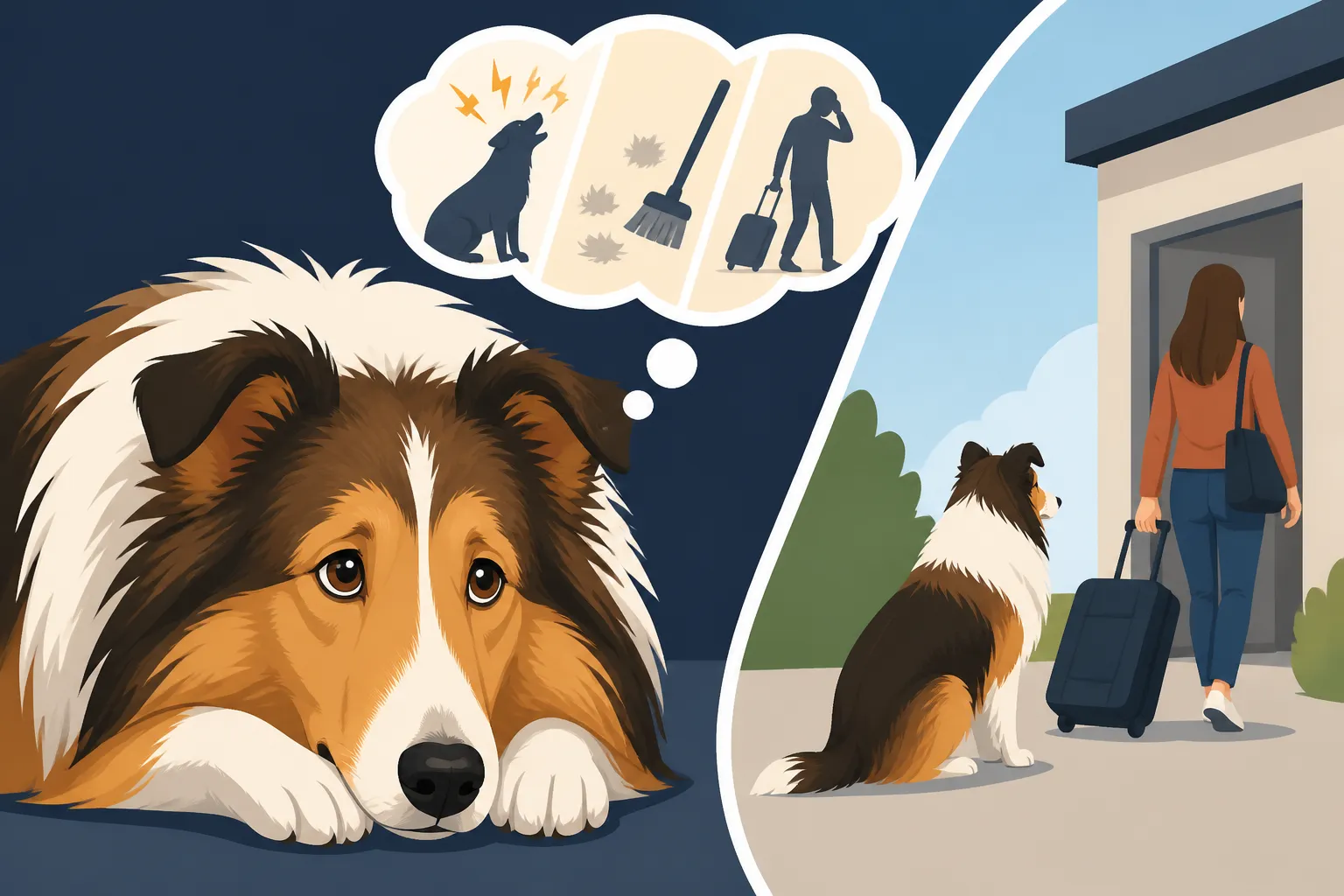
Perhaps one of the most underestimated traits in a Collie is their propensity to bark. They are alert dogs, bred to guard flocks and signal anything out of the ordinary. This translates into a modern household as a tendency to bark at everything: the mailman, squirrels, passing cars, neighbors walking by, even a leaf blowing past the window. While an initial "alert" bark is acceptable, for many Collies, it can escalate into prolonged, sustained barking that drives owners, and their neighbors, absolutely batty.
Owners often try various methods to curb the barking, from scolding to "quiet" commands, but without understanding the root cause—often an unfulfilled need for mental stimulation, perceived threats, or simply being over-alerted—the barking can feel incessant. This constant noise can strain relationships with neighbors, make living in attached housing unbearable, and exhaust the owners, pushing them to the point where they feel they can no longer cope. The truth is, The Bark Is the Trait Collie Owners Underestimate, and it's a common factor in rehoming.
Unmanaged Herding Instincts
While modern Collies are primarily companion animals, the herding instinct runs deep. This can manifest in ways that are charming in a working dog but problematic in a pet home. A Collie might nip at the heels of running children, herd family members into a group in the living room, or try to "manage" other pets. While rarely aggressive, these behaviors can be startling or even frightening for small children or other animals, and difficult for owners to understand or control.
Owners might interpret these actions as aggression or misbehavior, rather than an instinctual drive. Without appropriate outlets for their herding energy, such as formal herding classes, obedience training, or engaging mental games, Collies can become frustrated and escalate these behaviors. When children are constantly being "herded" or other pets are stressed, the family environment can become tense, leading to the difficult decision that the Collie isn't a good fit for their dynamic home. Learning Why a Collie Herds Your Children is vital for successful integration.
Sensitivity to Harsh Handling and Environment
Collies are highly intelligent and sensitive dogs. They respond best to positive reinforcement and gentle, consistent training. Owners who employ harsh training methods, use punitive corrections, or lack consistency often find their Collies become withdrawn, anxious, or even shut down. These dogs do not thrive under pressure and can quickly lose trust in an owner who isn't patient and understanding.
Moreover, Collies can be sensitive to chaotic or loud environments. A home with constant arguments, frequent loud noises, or a lack of routine can be incredibly stressful for a Collie. An owner might misinterpret the dog's resulting anxiety, fear, or withdrawn behavior as stubbornness or disobedience, when in reality, the dog is simply reacting to an environment that overwhelms its sensitive nature. This mismatch between an owner's handling style or home environment and the Collie's temperament can lead to a breakdown in the bond, making surrender seem like the only solution.
The Financial Realities of Collie Ownership
Beyond the daily care and behavioral management, the financial commitment of owning a Collie can be a significant, often underestimated, burden. Unexpected health issues or simply the cumulative cost of routine care can quickly become overwhelming for unprepared owners, leading to difficult choices when budgets are stretched thin.
Genetic Predispositions and Health Costs
Collies, like many purebred dogs, are prone to certain genetic health conditions that can lead to substantial veterinary bills. The MDR1 mutation is a prime example, making them sensitive to common drugs like ivermectin, loperamide, and certain chemotherapy agents. While a simple DNA test can identify this, not all owners are aware, and an accidental exposure can lead to a severe, life-threatening reaction requiring emergency and expensive veterinary intervention. Owners who haven't been informed, or haven't done their research, can be blindsided by the cost and severity of such an event. You really do need to Assume Your Collie Has the MDR1 Mutation until proven otherwise.
Another concern is Collie Eye Anomaly (CEA), a hereditary condition affecting the development of the eye. While many cases are mild, severe forms can lead to blindness or retinal detachment, requiring specialized care from a veterinary ophthalmologist. Such specialist visits, diagnostic tests, and potential treatments are costly. Without adequate savings or pet insurance, owners facing a major health crisis might feel they cannot provide the necessary care, leading them to surrender the dog to a rescue that can. Understanding Collie Eye Anomaly Affects Most Collies, So Ask How Badly is crucial.
Unexpected Emergency and Chronic Care
Even beyond breed-specific genetic issues, any dog can face unexpected emergencies or develop chronic conditions. A sudden illness, an accident, or the onset of conditions like epilepsy or bloat can result in thousands of dollars in veterinary expenses. Collies are deep-chested and can be at risk for bloat, a life-threatening condition requiring immediate surgery. Such an emergency can easily deplete an owner's savings or max out credit cards.
For those without pet insurance from providers like Healthy Paws or a substantial emergency fund, these unforeseen costs can become insurmountable. When faced with the choice between a massive vet bill and financially crippling their family, some owners tragically choose to surrender their dog, hoping a rescue can fund the necessary treatment. The long-term costs of managing chronic conditions, from daily medications to regular vet check-ups, can also accumulate, silently eroding an owner's ability to provide for their Collie.
The Cumulative Cost of Routine Care and High-Quality Food
While not as dramatic as an emergency, the cumulative cost of routine Collie care can also surprise owners. This includes high-quality dog food – especially for a seventy-pound dog with specific dietary needs, perhaps even fresh options like Ollie offers – along with regular parasite preventives, annual vaccinations, occasional professional grooming, and supplies like durable toys and bedding. Many new owners budget for the initial What a Collie Puppy Costs in 2026 but fail to factor in the ongoing, consistent expenses for the dog's entire lifespan.
A change in an owner's financial situation, such as job loss, unexpected medical bills, or general economic hardship, can quickly make these routine expenses feel unmanageable. When an owner can no longer afford to provide quality food, veterinary care, or even adequate flea and tick prevention, they might feel that surrendering the dog is the most responsible option to ensure its well-being.
Major Life Changes and Unrealistic Expectations
Life is unpredictable, and sometimes, even the most well-intentioned owners find themselves in situations where they can no longer adequately care for their Collie. These major life changes, coupled with a lack of understanding about the breed's adaptability, are common drivers for surrender.
Owner's Changing Life Circumstances
One of the most heartbreaking reasons for surrender often has nothing to do with the dog itself, but rather significant, unforeseen changes in the owner's life. This could include:
- Job Relocation: Moving to a new city or country, especially to an area with breed restrictions, smaller living spaces, or exorbitant pet rent, can make keeping a Collie impossible.
- New Baby or Children: The arrival of a baby can shift household dynamics dramatically. While Collies are often good with children, the sheer time commitment and exhaustion of new parents can lead to the dog being neglected or feeling displaced, especially if the herding instincts haven't been properly managed.
- Divorce or Relationship Breakdown: Splitting up a household can mean financial strain, smaller living arrangements, or conflicting priorities about pet ownership, often leaving the Collie without a stable home.
- Illness or Death: An owner's serious illness, hospitalization, or passing often leaves pets without a caretaker, forcing family members to find them new homes, sometimes through rescue organizations.
- Foreclosure or Loss of Housing: Losing a home can mean transitioning to rental properties that may not allow large dogs or specific breeds, forcing a difficult choice.
In these scenarios, owners are often distraught but feel they have no other viable option but to surrender their beloved companion, hoping a rescue can find them a stable, loving home.
Underestimated Time and Activity Commitment
Many individuals acquire a Collie expecting a calm, easy-going family dog, sometimes influenced by media portrayals. However, Collies, even though they may seem "calmer" than a Border Collie, are still intelligent working dogs that require more than just a walk around the block. They need mental stimulation, consistent training, and quality companionship. Owners who work long hours, travel frequently, or have demanding schedules may quickly realize they simply don't have the Forty Five Minutes a Day, and Half of It in Its Head that a Collie truly thrives on.
A Collie left alone for extended periods without adequate mental or physical outlets can develop behavioral issues like excessive barking, destructive chewing (even if you get them plenty of toys from Chewy), or anxiety. These behaviors, stemming from boredom and understimulation, are often misunderstood by owners as defiance or "bad dog" behavior, rather than a cry for engagement. When the dog's needs are consistently unmet, and the resulting behaviors become too much to handle, surrender often follows.
Lack of Understanding of Breed Specific Needs
A significant factor contributing to surrenders is a general lack of in-depth research into the Collie breed before acquisition. People often fall in love with their majestic appearance or gentle reputation, without understanding the nuances of their care, temperament, and health needs. They might not realize the extent of grooming required for a Rough Collie, the prevalence of conditions like MDR1, or the fact that while Collies are intelligent, they can also be sensitive and require a consistent, positive approach to training.
This gap in understanding means that when common Collie challenges inevitably arise – whether it’s the seasonal coat blow, alert barking, or the need for mental engagement – owners are unprepared, frustrated, and quickly overwhelmed. The beautiful dog they envisioned turns into a source of stress and difficulty, leading to the decision that the dog would be "better off" with someone who truly understands the breed.
The "Lassie" Factor: Unrealistic Media Portrayals
For decades, the image of Lassie, the heroic, impossibly intelligent, and always-there-to-save-the-day Collie, has shaped public perception of the breed. While charming, this idealized portrayal has unfortunately led to unrealistic expectations among potential owners, setting both dog and human up for disappointment and, at times, surrender.
The Myth of the Perfect Dog
Lassie was a fictional character, an icon of loyalty and uncanny intelligence. Many people who adopt a Collie, consciously or subconsciously, expect a dog that is equally flawless: intuitively understanding commands, effortlessly house-trained, perfectly behaved, and requiring minimal effort. They expect a dog that will instantly bond and fulfill every emotional need without any challenges. The reality, of course, is that Collies are dogs – wonderful, intelligent, and loving dogs, but dogs nonetheless. They are not mind-readers, they have instincts, they have needs, and they require consistent effort, training, and understanding from their owners.
When the real-life Collie barks excessively, sheds profusely, requires training for basic manners, or doesn't instantly comprehend every unspoken desire, owners can become disillusioned. This gap between the fantasy and reality can lead to frustration and disappointment, creating a rift in the bond. Whether Lassie Gave the Collie a False Reputation is a discussion worth having when considering this breed.
Lack of Research Beyond the Image
The "Lassie" effect often means that potential owners skip the crucial step of thoroughly researching the breed's actual requirements. They might be drawn in by the romanticized image, overlooking the practicalities of a large, double-coated herding dog. This superficial understanding means they don't delve into important aspects like genetic health predispositions, grooming intensity, or the specific type of exercise and mental stimulation that a Collie needs to thrive.
Without this foundational knowledge, owners are ill-equipped to handle the predictable challenges of Collie ownership. They might not know about The Drug List That Can Kill a Collie due to MDR1, or the extent of training required to manage barking. When these realities hit, the owners, feeling overwhelmed and unprepared, may conclude that the dog isn't suitable for them, rather than realizing they simply didn't do their homework. This lack of informed decision-making is a significant contributor to surrenders.
The Consequence of Impulse Adoption
Sometimes, the allure of the Collie image, especially when seeing an adorable puppy, leads to impulse adoptions. People fall in love with the look without truly considering if their lifestyle, finances, or living situation aligns with the needs of a Collie. They might purchase a puppy from a casual breeder or even a pet store, without the benefit of a reputable breeder's guidance, health testing information, or a robust adoption screening process that a rescue organization would provide.
These impulse decisions often lead to a realization, months or even a year down the line, that the dog is simply too much to handle. The "puppy cuteness" wears off, the true demands of the breed become apparent, and the unprepared owner makes the difficult choice to rehome. This is particularly sad because these dogs often end up in rescues needing significant rehabilitation to overcome the behavioral issues that developed due to inadequate care in their first home. It's why rescues screen adopters hard, even for What a Collie Rescue Charges to Adopt.
Conclusion
The reasons Collies are surrendered are complex and multifaceted, rarely stemming from malicious intent on the part of the owner. More often, it's a perfect storm of underestimated care demands, unmanaged behavioral instincts, unforeseen financial burdens, and unrealistic expectations fueled by media portrayals. For those considering adding a Collie to their family, understanding these common pitfalls is the first step towards ensuring a harmonious and lifelong relationship. Diligent research, honest self-assessment of one's lifestyle and resources, and a commitment to ongoing training and care are paramount to providing these magnificent dogs with the stable, loving homes they truly deserve.
| Common Reason for Surrender | Owner Misconception / Reality | Collie Need |
|---|---|---|
| Excessive Shedding / Mats | "It's just hair, I can handle it" / Undercoat blows are immense and constant shedding | Regular, thorough grooming, specific tools |
| Persistent Barking | "They only bark at strangers" / Alert barking is natural and pervasive | Training, mental stimulation, environmental management |
| Herding Nips & Chasing | "It's just playing" / Instinctive behavior that can be intense | Redirection, boundaries, appropriate outlets |
| High Vet Bills | "Dogs are generally healthy" / Specific genetic risks (MDR1, CEA) & emergency potential | Proactive health management, emergency fund or pet insurance |
| Underestimated Time/Activity | "They'll entertain themselves" / Bond deeply, need companionship & mental work | Quality time, consistent training, mental enrichment |
| Life Changes | "My life won't change much" / Unforeseen events like moves, new babies, illness | Flexibility, strong support network, contingency planning |
| Lassie Expectation | "My dog will be just like Lassie" / Collies are smart but still dogs with quirks | Realistic expectations, commitment to training |
Disclaimer
This article is for general informational purposes only and does not constitute professional advice. Laws, prices and regulations vary by location and change over time. Consult a qualified professional for guidance on your specific situation.