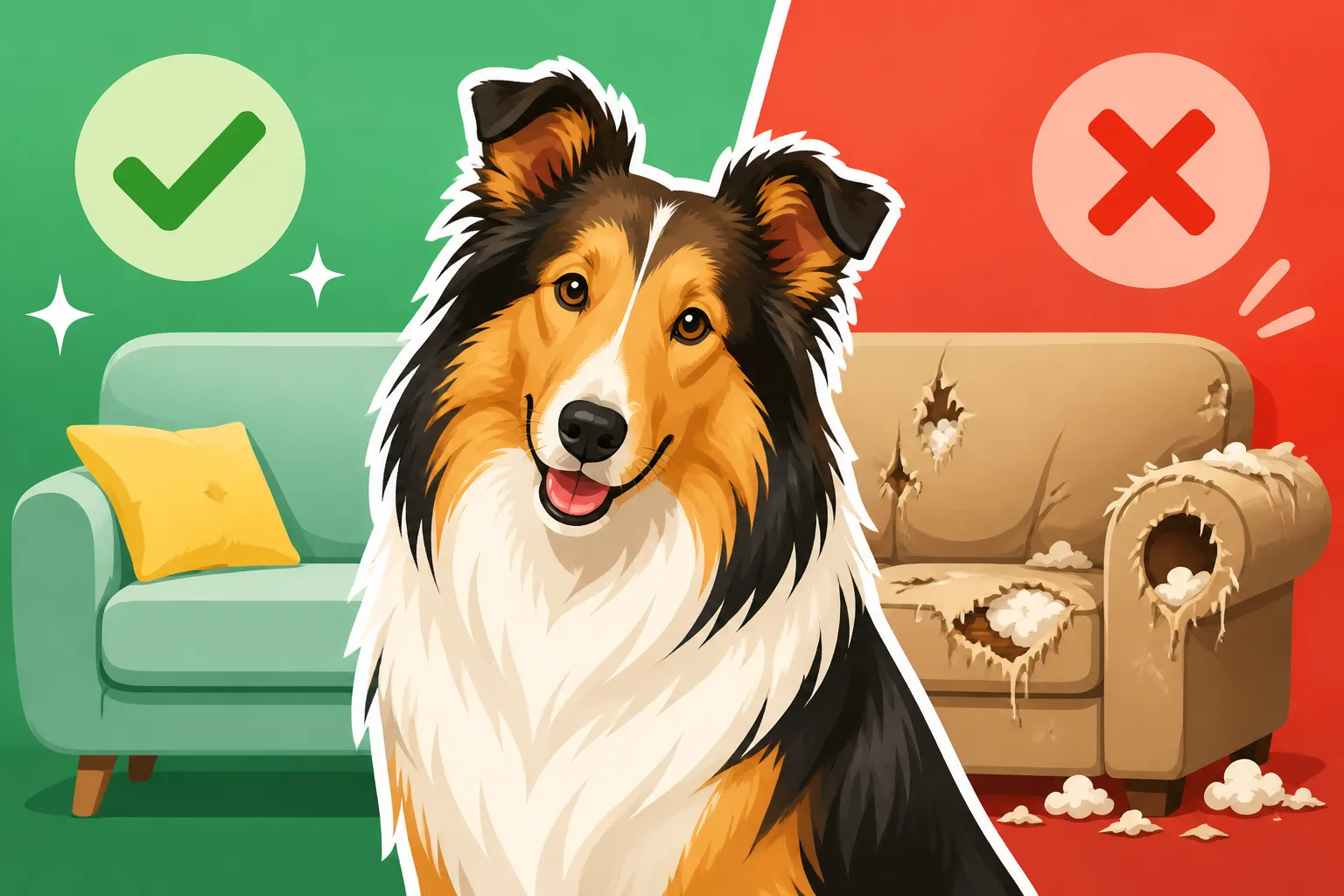
Whether a Collie Ruins Upholstery
The thought of bringing home a magnificent Collie often conjures images of majestic beauty, intelligence, and unwavering loyalty. What might also flash through your mind, however, is a less glamorous picture: a beloved sofa covered in a fine layer of dog hair, or perhaps a suspicious chew mark on a coffee table leg. It's a valid concern for any prospective or current Collie owner – can these beautiful, big-hearted dogs coexist peacefully with your pristine upholstery, or are you signing up for a constant battle against fur and accidental damage? This guide aims to tackle that question head-on, offering realistic insights and practical strategies to keep both your Collie and your furniture happy.
Understanding the Collie's Impact on Your Furniture
Let's be honest, a Collie is not a minimalist, hairless breed. They are glorious creatures with coats to match, and that very glory is often the root of most upholstery-related worries. But it’s not just about the hair; a living, breathing, playful dog interacts with its environment in many ways that can affect your home furnishings.
The Double-Edged Sword of That Beautiful Coat
When we talk about Collies and upholstery, the conversation almost always starts with hair. It's simply unavoidable. Collies possess a magnificent double coat designed to protect them from the elements, and that coat sheds. Not just a little, but often, and sometimes in epic proportions.
Imagine your living room, freshly vacuumed, sun streaming in. Your Collie ambles by, settles down on their favorite rug, and poof – a miniature cloud of undercoat detaches and floats serenely onto your dark velvet couch. This isn't a one-off event; it's a daily reality. The hair, being fine and sometimes quite soft, loves to weave itself into the fibers of fabric, making it surprisingly difficult to remove with a simple lint roller. During their "coat blow" seasons, usually twice a year, this phenomenon escalates dramatically. It's during these times, which can last for weeks, that you'll truly understand why some refer to them as "Collie confetti." If you’re not prepared, your entire home can begin to feel like a fur farm, and your furniture will bear the brunt of it. This seasonal event is so significant, it warrants its own discussion on The Three Weeks Twice a Year When a Collie Buries Your House.
Beyond the visible hair, Collies also bring in dirt, dust, and dander from their outdoor adventures, or simply from existing. Even the cleanest Collie will inevitably track in microscopic particles that can get rubbed into fabric, especially on favorite lounging spots. If your Collie loves to roll in the grass or splash in puddles, that grime can transfer to your sofa cushions, creating a dull film or even staining over time. It’s a constant battle against the invisible as well as the visible, requiring diligence to keep your furniture looking fresh.
Claws, Chewing, and Other Collie Habits
While shedding is the most obvious concern, other typical dog behaviors can also put your upholstery at risk. These aren't usually malicious acts, but rather natural canine instincts or habits that need to be understood and managed.
Firstly, those lovely Collie paws come equipped with claws. Even well-trimmed nails can, over time, cause wear and tear on fabric, especially if your Collie likes to "dig" into the sofa cushions before settling down or uses the armrest as a spring board. On delicate fabrics like silk or loosely woven chenille, a single excited leap can snag threads and create unsightly pulls. Leather furniture, while often lauded for its ease of cleaning when it comes to hair, is highly susceptible to scratches from nails, leaving permanent marks that tell the story of every excited zoomie or hasty dismount. This is why regular nail care is so important, not just for your Collie's comfort, but for your home. You can find useful tools for this from pet supply retailers like Chewy.
Chewing is another potential culprit, especially with younger Collies or those who are bored or anxious. While Collies aren't typically known as extreme chewers of furniture like some larger, more destructive breeds, a puppy going through teething might find the corner of a cushion or a wooden furniture leg quite appealing. An adult Collie, if under-exercised mentally or physically, might resort to destructive chewing out of boredom or stress. Imagine coming home to find the fringe of your throw pillows shredded – a clear sign that your Collie needs more appropriate outlets for their energy. Ensuring your Collie has plenty of engaging chew toys, perhaps from a subscription service like Ollie, can often redirect these urges away from your furniture.
And then there's the more subtle stuff. Collies aren't heavy droolers, but a wet muzzle after a big drink of water can leave a damp spot on fabric. An excited lick on the arm of the sofa can do the same. Playful nips at a dangling throw blanket or a game of tug-of-war with a cushion can also degrade fabric over time. During periods of high excitement, a Collie might inadvertently kick up dirt onto the furniture, or track mud from outside. It’s important to remember that these aren't deliberate attempts to "ruin" your upholstery, but simply the natural consequences of sharing your home with an active, spirited dog.
Proactive Measures to Protect Your Upholstery
The good news is that you don't have to choose between a beautiful Collie and beautiful furniture. With a bit of foresight and consistent effort, you can absolutely have both. It's all about putting proactive measures in place to mitigate the impact of those charming Collie traits.
The Power of Consistent Grooming
The single most effective way to protect your upholstery from Collie hair is to tackle the problem at its source: the Collie's coat. A well-groomed Collie sheds significantly less hair around the house. This means making grooming a regular, almost ritualistic, part of your routine.
Daily brushing, or at least every other day, is non-negotiable for a Rough Collie. This isn't just a quick run-through with a brush; it involves dedicated line brushing to get down to the undercoat and remove all the loose, dead hair before it has a chance to settle on your sofa. Using the right tools, such as an undercoat rake followed by a good pin brush, will make a world of difference. You might be surprised at the sheer volume of hair you can remove during a thorough brushing session. This regular effort can drastically reduce the amount of fur that ends up on your furniture and floors. For more detailed tips, you might want to read How Often a Rough Collie Should Be Brushed.
Beyond regular brushing, consider professional deshedding treatments, especially during those infamous coat blow seasons. A professional groomer has high-velocity dryers and specialized shampoos that can literally blast and wash away loose undercoat, speeding up the shedding process and leaving your Collie's coat cleaner and healthier. This can be a significant investment, but it pays dividends in reduced household fur and can save your sanity during peak shedding times. Understanding What a Collie's Deshedding Treatment Costs might help you budget for this essential service. Regular baths at home, too, using appropriate shampoo and conditioner for a Collie's coat, help to loosen and rinse away dead hair and grime. Just remember to thoroughly dry your Collie afterwards to prevent skin issues. How Often a Collie Needs a Bath covers this in more detail.
Strategic Furniture Protection
While grooming addresses the source of the hair, direct furniture protection strategies create a barrier between your Collie and your beloved upholstery. These are often simple, inexpensive solutions that can save you a lot of headache and keep your furniture looking good for longer.
The absolute easiest and most effective method is to use washable covers, throws, or blankets on your most frequented pieces of furniture. These can range from inexpensive fleece blankets you toss over the sofa to more structured, fitted slipcovers designed for pets. The beauty of these is that they catch the hair, dirt, and potential wet spots, and when they get too furry or dirty, you simply toss them in the washing machine. This is a game-changer for maintaining cleanliness and extending the life of your underlying upholstery. Think of them as sacrificial layers that are easy to replace or refresh.
Another crucial strategy is to provide attractive, comfortable, and designated dog beds. Place these beds strategically in areas where your Collie likes to relax – often right next to your spot on the sofa or in the living room where the family gathers. The goal is to make these dog beds more appealing than the forbidden furniture. You can reinforce this by offering treats or special toys when your Collie chooses their bed. If your Collie loves to be near you, a comfy bed on the floor right beside your armchair can feel just as good to them as being on the chair itself.
When it comes to furniture selection, if you're in the market for new pieces, consider Collie-friendly materials. Tightly woven fabrics like microfiber, canvas, or some durable synthetic blends are often excellent choices. Hair tends to sit on top rather than weave in, making it easier to vacuum or wipe away. These fabrics are also generally more resistant to snags. While leather is easy to wipe clean of hair, remember it's quite susceptible to scratches from nails, so weigh your options carefully. Regular vacuuming, perhaps even daily in high-traffic areas, with a good quality pet-specific vacuum cleaner, is also essential. A powerful suction and brush head are key to extracting embedded hair. You might find our article on Whether a Collie Owner Needs a Better Vacuum helpful in choosing the right tool.
Training and Management Strategies
Beyond grooming and covers, training and consistent management are vital components of protecting your upholstery. These strategies focus on shaping your Collie's behavior and providing appropriate outlets for their natural instincts.
One of the most straightforward training goals is teaching your Collie the "off" command. From a young age, consistently teach your Collie that furniture is off-limits unless specifically invited (if that's a rule you want to establish). Positive reinforcement is key here; reward them lavishly for keeping four paws on the floor or choosing their designated dog bed instead of the couch. Consistency from every family member is crucial for this to stick. If one person allows them on the sofa and another doesn't, your Collie will be confused and training will break down.
Crate training can also be an invaluable management tool. A crate provides a safe, comfortable den for your Collie, especially during times when you can't supervise them directly. This prevents unsupervised chewing or lounging on furniture when you're out of the room or away from home. A properly introduced and positive crate experience means your Collie views it as their private retreat, not a punishment. Our guide on Crate Training a Collie Puppy offers great advice on how to start this process right.
Finally, ensuring your Collie receives adequate physical and mental exercise is paramount. A bored or under-stimulated Collie is far more likely to engage in destructive behaviors, including chewing on furniture. Collies, while not hyper-active like some other herding breeds, still need daily activity and mental engagement. This could be a brisk walk, a game of fetch, or training sessions that challenge their intelligent minds. How Much Exercise a Collie Needs Daily can give you a clearer picture of their needs. Providing plenty of appropriate chew toys and puzzle feeders can redirect any natural chewing instincts away from your furniture. Retailers like Chewy offer a vast selection of durable toys, and many pet parents find subscription boxes convenient for a regular supply of fresh enrichment items that prevent boredom.
Living with a Collie and Accepting the Reality
Despite all the best efforts, let's be realistic: living with a Collie means living with some hair and the potential for some wear and tear. The trick is to find a balance between protecting your home and fully embracing the joy and companionship your Collie brings.
The Inevitable Fur and How to Cope
Even with diligent grooming and protective covers, you will find Collie hair. It's a fact of life. It will appear on your clothes, in corners, and sometimes, mysteriously, in your morning coffee. The key is to develop effective coping mechanisms and, to a certain extent, acceptance.
Stock up on lint rollers – keep one in every room, in your car, and even in your purse or briefcase. They are your first line of defense against the tell-tale signs of Collie ownership. Embrace washable fabrics for cushion covers, throws, and even curtains where possible. The ability to simply strip them off and throw them in the laundry is a huge advantage. If you're considering new furniture, prioritize fabrics that are easy to clean and less likely to trap hair.
Many Collie owners swear by robotic vacuums programmed to run daily. While they won't replace a thorough manual vacuuming, they can significantly reduce the ambient fur floating around and settling on surfaces. Whether a Robot Vacuum Copes With a Collie offers more insights into whether these gadgets are truly up to the task of battling Collie hair. For deeper cleaning of upholstery, consider investing in a portable spot cleaner for pet accidents or scheduling occasional professional upholstery cleaning to refresh and sanitize your furniture.
| Upholstery Material | Collie Hair Accumulation | Scratch/Snag Resistance | Chew/Dirt Visibility | Ease of Cleaning | Overall Collie Friendliness |
|---|---|---|---|---|---|
| Velvet/Chenille | High (traps hair easily) | Low (snags easily) | High (shows dirt) | Difficult | Low |
| Linen/Cotton | Moderate (weaves in) | Moderate | Moderate | Moderate | Moderate |
| Microfiber | Low (hair sits on top) | High | Low | Easy | High |
| Tweed/Textured | High (traps hair easily) | Moderate | Moderate | Difficult | Medium |
| Leather | Very Low (wipes off) | Low (scratches easily) | Moderate | Easy | Medium (scratches) |
| Outdoor Fabrics | Low | High | Low | Very Easy | High |
Weighing the Damage Against the Joy
Ultimately, the question of whether a Collie "ruins" upholstery comes down to perspective and priorities. For some, any visible dog hair or a single scratch on a leather chair is an unacceptable defacement of their home. For others, the slight wear and tear on a sofa is a small price to pay for the warmth, companionship, and love that a Collie brings into their lives.
Collies are generally clean, intelligent, and eager-to-please dogs. They are not typically destructive unless they are bored, anxious, or lack appropriate outlets for their energy. The "damage" they might inflict on upholstery is more often a byproduct of their natural physical attributes (that glorious coat!) or a need for better management and training, rather than intentional mischief.
Think about the trade-off. A pristine, dog-free home might look perfect, but it often feels empty. A home with a Collie might have a few more dust bunnies and require a bit more vacuuming, but it's filled with laughter, comfort, and the unparalleled devotion of a furry best friend. While pet insurance, like Healthy Paws, is primarily for health emergencies, having that safety net can also bring peace of mind if a chewing incident leads to an emergency vet visit for an ingested item, allowing you to focus on your dog's well-being rather than just the cost.
Embrace the reality that a dog lives here. Choose durable, washable fabrics, commit to a consistent grooming routine, provide plenty of mental and physical stimulation, and maybe keep a few extra lint rollers on hand. In the grand scheme of things, the minor inconveniences of managing a Collie's impact on your upholstery are often dwarfed by the immense joy and enrichment they bring to your life. The memories made curled up on that slightly-furry couch with your Collie far outweigh any fleeting concern about perfection.
Disclaimer
This article is for general informational purposes only and does not constitute professional advice. Laws, prices and regulations vary by location and change over time. Consult a qualified professional for guidance on your specific situation.