Whether an MDR1 Collie Needs Compounded Medication
It's an absolute nightmare for any Collie owner to imagine giving their beloved companion a medication that could potentially harm them. The fear and confusion surrounding the MDR1 gene mutation and how it impacts drug choices can feel overwhelming, especially when you hear terms like "compounded medication" and wonder if it's the only way to keep your dog safe. This guide will walk you through the realities of MDR1, explain what compounded medications are, and help clarify whether your Collie truly needs them, or if safer, more conventional alternatives are available.
Understanding MDR1 and Its Impact on Medication Choices
The MDR1 gene mutation is a significant concern for Collie owners, and understanding its implications is the first step in making informed decisions about your dog's health. It's not just a fancy genetic term; it's a fundamental difference in how your Collie's body processes certain vital medications.
What the MDR1 Mutation Actually Means for Your Collie
At its core, the MDR1 (Multi-Drug Resistance 1) gene is responsible for producing a protein called P-glycoprotein. Think of P-glycoprotein as a tiny bouncer or a biological security guard in your dog's body. Its job is to pump certain drugs and toxins out of sensitive areas like the brain, protecting it from harmful accumulation. In Collies with the MDR1 mutation, this P-glycoprotein doesn't work correctly, or doesn't work at all. This means that when your dog is given certain common medications, those drugs aren't effectively pumped out of the brain, leading to a toxic buildup.
The consequences can range from neurological symptoms like lethargy, disorientation, and tremors, to seizures, coma, and even death. It's a truly terrifying prospect, and it underscores why testing for Assume Your Collie Has the MDR1 Mutation is so crucial, and why careful medication management is non-negotiable. It's not just about an increased sensitivity; it's about a complete breakdown in a critical protective mechanism.
The Critical Need for Caution with Standard Medications
Because of this faulty P-glycoprotein, many standard, everyday medications that are perfectly safe for other breeds can be incredibly dangerous for an MDR1-affected Collie. These aren't obscure, experimental drugs either. We're talking about common medications used for pain relief, sedation, diarrhea, and even some parasite preventives. The sheer range of drugs involved can make you feel like you're walking on eggshells every time your Collie needs treatment.
Some of the most well-known culprits include ivermectin (used in some dewormers and heartworm medications), loperamide (a common anti-diarrhea medication), acepromazine (a sedative often used before procedures), and certain chemotherapy drugs. The doses typically prescribed for a dog of a Collie's size can be lethal for an MDR1-affected individual. This is why knowing The Drug List That Can Kill a Collie is paramount for any Collie owner, and for their veterinary team. It's not about being overly cautious; it's about life or death.
Why Your Vet Needs to Know About Your Collie's MDR1 Status
Given the severe risks, open and proactive communication with your veterinarian is your strongest defense. Your vet needs to know your Collie's MDR1 status without a shadow of a doubt, ideally before any medication is prescribed. This isn't just a "good idea"; it's absolutely essential. Many clinics will flag a patient's file with a prominent alert if they know about an MDR1 mutation, but it's always wise to double-check and remind them.
Don't assume they remember from one visit to the next, especially in a busy practice. Carry a printed copy of your dog's MDR1 test results, and explicitly state your Collie's status at every single appointment, even for routine check-ups or nail trims. This vigilance allows your vet to make informed choices, selecting alternative safe drugs or drastically reducing doses of certain medications that might otherwise be problematic. It takes a conscious effort on your part to ensure How a Collie Owner Tells the Vet About MDR1 and that Whether a Collie's Chart Should Be Flagged at the Clinic is truly effective.
When is Compounded Medication Considered for an MDR1 Collie?
The idea of "compounding" can sound very appealing when facing the complexities of an MDR1 Collie's medication needs. It conjures images of pharmacists carefully crafting a bespoke solution just for your dog. But is it always the right answer, or even necessary?
The Role of Compounding in Tailoring Doses and Formulations
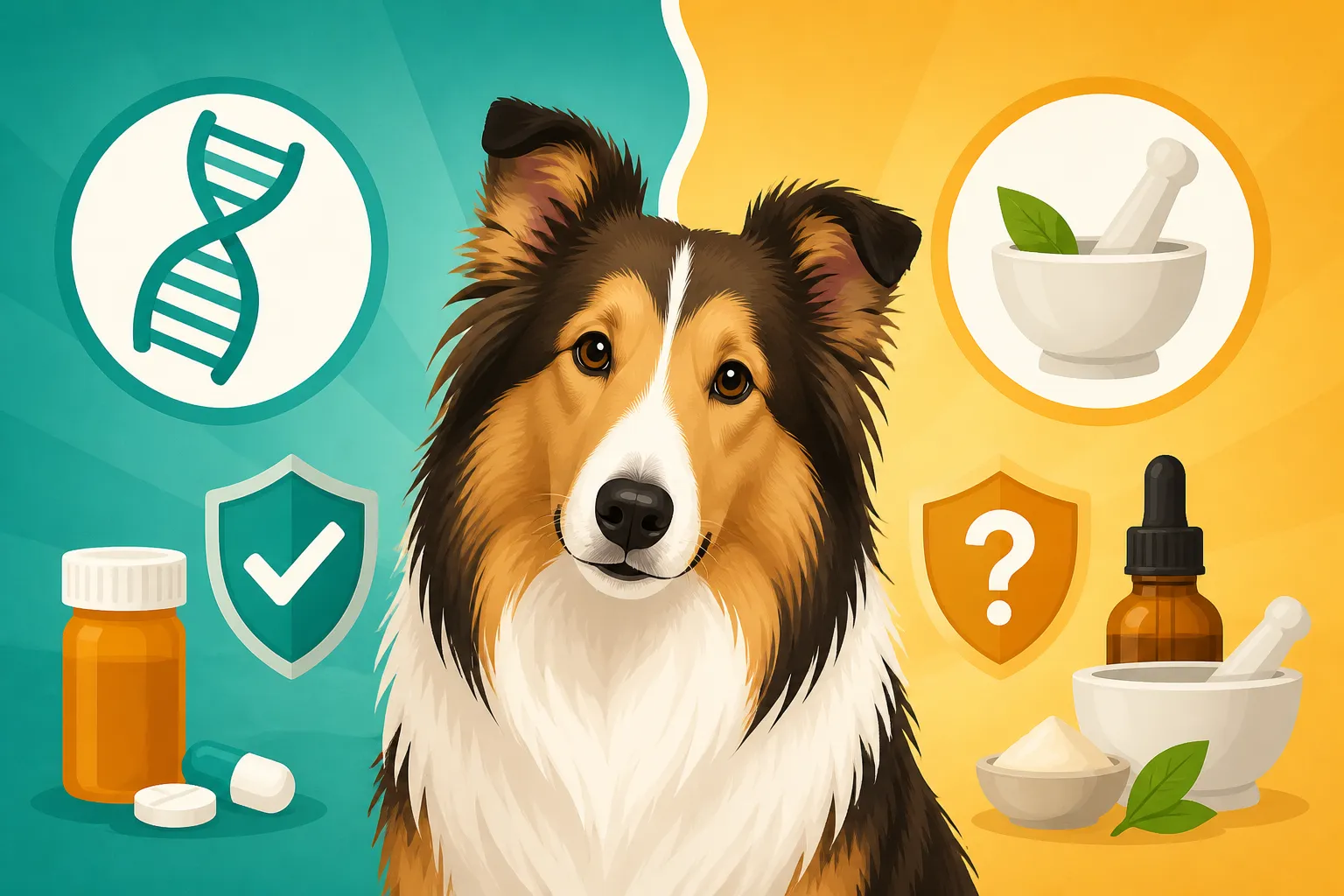
Compounded medication simply means a pharmacist has prepared a customized drug formulation to meet the specific needs of an individual patient – in this case, your Collie. This might involve changing the dosage form (e.g., from a pill to a liquid or flavored chew), removing an inactive ingredient your dog is allergic to, or preparing a drug that isn't commercially available in the exact strength required. For an MDR1 Collie, the thought process often leans towards getting an extremely precise, very low dose of a medication that might otherwise only come in a standard, high-dose pill.
You might think, "Ah, this is it! They can make a tiny dose of any drug for my sensitive Collie!" And in theory, compounding offers flexibility. However, it's crucial to understand that compounding is generally used when there isn't a commercially available product that meets the patient's specific needs. For MDR1 Collies, the primary concern isn't always the formulation of the drug, but the active ingredient itself and its interaction with the P-glycoprotein pump.
Situations Where Compounding Might Be Explored (with caveats)
There are indeed some niche situations where compounded medication might be discussed for an MDR1 Collie, but these are often limited and come with significant caveats. For instance, if a specific, safer alternative drug is only available in a strength far too high for a Collie, a compounded version might be considered to achieve an incredibly precise, micro-dose. Or, perhaps a particular medication (that is known to be safe for MDR1 Collies) is only available in a tablet form that a small puppy struggles to swallow, and a liquid compound could help.
However, these scenarios usually involve drugs that are already known to be safe for MDR1 Collies, and the compounding is primarily for ease of administration or dose precision, not to bypass the fundamental drug-interaction issue. It's very rarely about compounding a problematic drug into a "safer" version, as the underlying sensitivity to the active ingredient remains. The focus should always be on finding a truly safe alternative first.
Weighing the Benefits Against the Risks of Compounded Drugs
While compounding offers customization, it's not without its drawbacks, especially for a breed as sensitive as the Collie.
Let's look at it systematically:
| Feature | Standard Commercial Medication | Compounded Medication (Veterinary) |
|---|---|---|
| Manufacturing Standards | FDA-regulated, strict quality control, potency, and purity testing. | Less direct FDA oversight; quality control can vary significantly between compounding pharmacies. |
| Potency & Consistency | Highly reliable dosage per pill/ml; consistent absorption rates. | Potential for batch-to-batch variation in active ingredient concentration, leading to under- or overdosing. |
| Ingredient Sourcing | Strict regulation of raw materials and inactive ingredients. | Raw ingredient sourcing can be less transparent; risk of contaminants or undeclared allergens. |
| Testing & Efficacy | Extensively tested in clinical trials for safety and effectiveness in target species. | Minimal to no specific efficacy or safety testing for the compounded form in animals. |
| Cost | Generally more predictable pricing, especially with generic options. | Often significantly more expensive due to custom preparation and lack of bulk manufacturing. |
| Availability | Readily available through most pharmacies, often stocked by vet clinics or online retailers like Chewy. | Requires a specialized compounding pharmacy, which may not be local or have fast turnaround times. |
The biggest concern for an MDR1 Collie with compounded medications is the potential for inconsistent potency. If a compounded medication isn't accurately prepared, your Collie could receive too much or too little of the drug. Too much of a drug, even a "safer" one, can still cause adverse effects, and if it's one with a narrow therapeutic window, it could still be dangerous. Too little, and the medication won't be effective, leaving your Collie suffering or untreated. This variability is a huge risk when you're dealing with a genetic sensitivity like MDR1.
Moreover, compounded medications typically cost more. If you're managing a chronic condition, these costs can add up quickly. While some pet insurance providers like Healthy Paws might help with prescription costs, compounded medications can sometimes fall into a gray area for coverage, so it's always wise to check your policy specifics.
Safe Alternatives and Best Practices for MDR1 Collies
The good news is that compounding is often not the primary solution for an MDR1 Collie. Instead, the focus should be on proactive management, choosing the right drugs, and diligent dosing using commercially available, rigorously tested products whenever possible.
Diligent Dosing and Alternative Drug Choices
The cornerstone of safely medicating an MDR1 Collie is selecting drugs that are not substrates for the P-glycoprotein pump, or those that are known to be safe at appropriate dosages. This is where your veterinarian's expertise, combined with your knowledge of your Collie's MDR1 status, becomes invaluable. For many conditions, there are multiple drug options available. Your vet will choose the one least likely to cause an adverse reaction.
For example, when it comes to pain relief, certain NSAIDs (non-steroidal anti-inflammatory drugs) are generally safe, while some opioids might need dose adjustments. For parasite prevention, Whether Heartworm Preventive Is Safe for a Collie is a common concern. Many modern heartworm preventives contain ivermectin or related compounds, but often at such low, microgram doses that they are considered safe even for MDR1-affected Collies. However, high-dose ivermectin used for treating certain mites, for instance, would be absolutely contraindicated. Your vet will be able to guide you to specific brands and formulations that have been tested and proven safe for MDR1 dogs. It’s all about informed choices, not necessarily custom formulations.
The Importance of a Specialist Pharmacy (Not Necessarily Compounding)
While true compounding might be rarely needed, working with a specialist veterinary pharmacy can still be a huge benefit for an MDR1 Collie owner. These pharmacies often stock a wider range of drug strengths, including very low-dose tablets or liquids of standard, commercially manufactured medications. They understand the nuances of veterinary prescribing and can provide accurate, pre-packaged dosages that might not be available at your local human pharmacy.
For example, they might have access to a specific brand of flea and tick preventive that is known to be safer, or a sedative in a strength that allows for a precise, safe dose without you having to cut a pill into tiny, inaccurate fragments. These are still FDA-approved, manufactured medications, just in more specialized strengths or forms. Online retailers like Chewy also often carry a wide selection of veterinary-specific medications and prescription foods, making it easier to access alternatives your vet recommends. Whether an MDR1 Collie Needs a Specialist Pharmacy means finding one that prioritizes safety and accuracy, regardless of whether they compound or not.
Financial Considerations and Insurance Coverage
Let's be realistic: owning a dog with a genetic predisposition to drug sensitivity can add to your vet bills. Even if you're not using compounded medications, the need for specific, often newer, or less common drugs might come with a higher price tag. Diagnostic tests, emergency visits if a reaction occurs, and ongoing vigilance all contribute to the overall cost. What an MDR1 Collie Costs More at the Vet is a valid concern.
This is where pet insurance can be a real lifeline. Companies like Healthy Paws offer various plans that can help cover unexpected veterinary expenses, including emergency treatments and prescription medications. It’s crucial to understand your policy: does it cover genetic conditions? What are the deductibles and reimbursement percentages? Will it cover Whether an Insurer Pays for a Collie's MDR1 Reaction? Planning ahead and having an emergency fund or robust insurance can provide immense peace of mind. While a personalized nutrition plan from someone like Ollie focuses on diet, ensuring your Collie's overall health also requires financial preparedness for medication needs.
Empowering Yourself as an MDR1 Collie Owner
Being an advocate for your Collie with the MDR1 mutation is a continuous job, but one that ensures their safety and well-being. You are your dog's best line of defense.
Advocating for Your Collie's Unique Needs
Never feel shy or apologetic about asserting your Collie's MDR1 status to any veterinary professional, whether it's your regular vet, a specialist, or an emergency clinic technician. You are the expert on your dog, and you hold their genetic information. It's a heavy responsibility, but one you can confidently manage. Carry a small card in your wallet or on your dog's collar that states "MDR1 Mutant. Avoid Ivermectin, Loperamide, Acepromazine, etc." – a condensed version of What a Collie Owner Should Carry to an Emergency Visit.
When you're at the vet, ask specific questions: "Is this medication safe for an MDR1 Collie? What are the alternatives if it's not? What dosage are we considering?" A good vet will welcome your informed participation and work with you.
Staying Informed and Prepared
The world of veterinary medicine is always evolving, and so is our understanding of conditions like MDR1. Stay informed by reading up on current research, discussing with other knowledgeable Collie owners, and asking your vet about any new recommendations or safe drug alternatives. Genetic testing is a powerful tool; ensure you understand the results and their implications. The Three Genetic Tests a Collie Breeder Owes You should always include MDR1 testing, providing clarity from puppyhood.
Being prepared also means having a plan for emergencies. Know where your nearest 24/7 emergency vet is located and confirm they are aware of MDR1 sensitivities in Collies. Having a clear, proactive approach reduces stress and dramatically increases the likelihood of a positive outcome for your beloved companion.
Disclaimer
This article is for general informational purposes only and does not constitute professional advice. Laws, prices and regulations vary by location and change over time. Consult a qualified professional for guidance on your specific situation.