Whether a Collie’s Dental Anesthesia Costs More
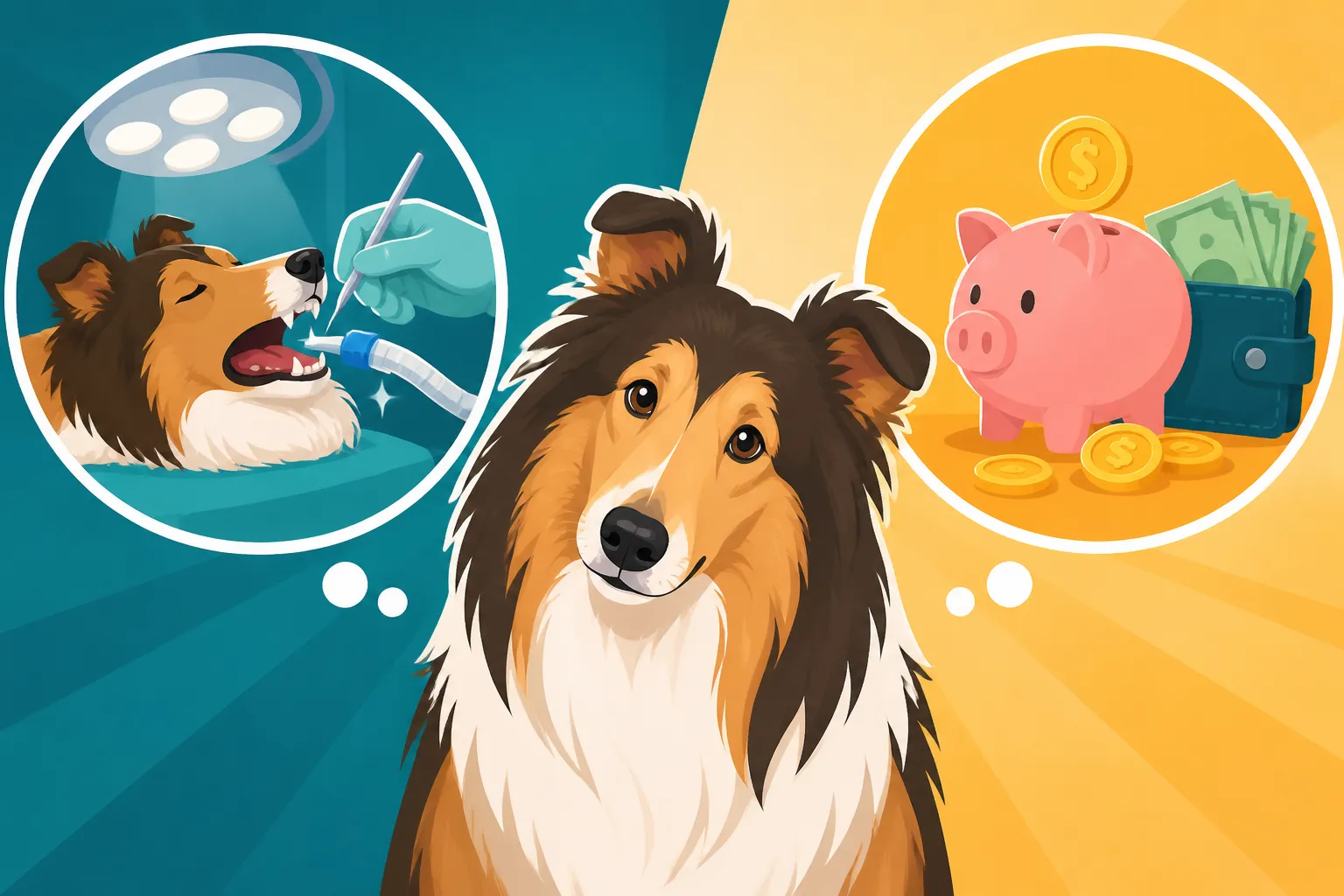
One of the most common worries for Collie owners facing their dog's dental cleaning is whether the anesthesia will be more complicated or expensive because of their breed's unique genetic predispositions. It's a completely valid concern, stemming from a desire to keep our beloved Collies safe and healthy without getting blindsided by unexpected veterinary bills. This guide will walk you through why dental anesthesia might have special considerations for your Collie, what factors influence the cost, and how you can prepare to ensure the best possible care for your furry family member.
Understanding the Basics of Canine Dental Anesthesia
Before we dive into Collie-specific concerns, it's important to understand what goes into a standard dental cleaning under anesthesia for any dog. This isn't just about cleaning teeth; it's a comprehensive oral health procedure that requires your dog to be completely still and pain-free.
The Essential Role of Anesthesia in Canine Dentistry
Many owners wonder why their dog must be anesthetized for a dental cleaning, especially if their dog is generally cooperative. The truth is, a proper dental cleaning goes far beyond what you can see on the surface. Imagine trying to perform a deep scaling, probe for gum pockets, or even extract a painful tooth on an awake animal. It's just not possible to do it effectively, humanely, or safely without general anesthesia. Anesthesia allows the veterinary team to meticulously examine every tooth, clean beneath the gum line where periodontal disease hides, take dental X-rays to assess root health, and perform any necessary extractions without causing stress or pain to your dog. It's a medical necessity, not a convenience. Without it, plaque and tartar would remain, gum disease would progress silently, and painful infections could fester, leading to much more severe health issues down the line.
Components of a Standard Anesthesia Bill
When you receive an estimate for a dental procedure involving anesthesia, you might be surprised by the number of line items. It's not just a flat fee for "being asleep." The cost typically includes several crucial components designed to ensure your dog's safety and comfort. These generally cover pre-anesthetic blood work, which is vital for checking organ function before administering drugs; the anesthesia drugs themselves, which are often tailored to the individual patient; monitoring equipment and personnel, because a trained technician constantly observes vital signs throughout the procedure; intravenous fluids to maintain hydration and blood pressure; pain medication to ensure a comfortable recovery; and the actual dental scaling, polishing, and any necessary X-rays or extractions. Each of these steps contributes to a safe and thorough procedure, and it's important to ask your vet for a detailed breakdown so you understand what you're paying for.
Why Collies Might Have Specific Anesthesia Considerations
This is where the unique aspects of our beloved Collies come into play. While the general components of anesthesia are similar for all dogs, certain traits and genetic factors specific to Collies can mean additional precautions or considerations, which might, in turn, affect the overall cost.
The Impact of the MDR1 Mutation on Anesthesia
If you're a Collie owner, you've likely heard of the MDR1 (Multi-Drug Resistance 1) gene mutation. This genetic quirk is incredibly common in the breed and can make your Collie extremely sensitive to certain medications, including some drugs that might typically be used in anesthetic protocols. The MDR1 gene is responsible for producing a protein called P-glycoprotein, which acts as a pump, moving various drugs out of the brain and other sensitive organs. When a Collie has a mutation in this gene, this pump doesn't work correctly, allowing drugs to accumulate to toxic levels in the brain.
While not all anesthetic agents are affected by MDR1, some commonly used sedatives, pre-anesthetic medications, and pain relievers are on The Drug List That Can Kill a Collie. This means your veterinarian needs to be acutely aware of your Collie's MDR1 status. If your Collie is known to be MDR1 affected (or even if their status is unknown, as it's safer to Assume Your Collie Has the MDR1 Mutation), your vet will need to select alternative medications or adjust dosages significantly for those drugs that are impacted. This careful selection and often specialized drug inventory can sometimes contribute to a slightly higher cost, not because the drugs themselves are always more expensive, but because of the increased time, specific training, and perhaps less common drug choices involved in formulating a safe plan. It's not about the anesthesia itself costing more per se, but the customized, safer protocol for an MDR1 Collie often requiring more thought and potentially different pharmacological choices. This is why it's so critical to How a Collie Owner Tells the Vet About MDR1.
Age, Health, and Temperament as Contributing Factors
Beyond the MDR1 mutation, several other factors common to Collies, or any dog, can influence the safety and thus the potential cost of anesthesia for a dental procedure.
- Age: As Collies get older, just like people, their organ function can decline. An older Collie might have a slower metabolism, making it harder to process anesthetic drugs, or they might have underlying heart, kidney, or liver conditions that aren't apparent on the surface. Vets often recommend more extensive pre-anesthetic blood work, urinalysis, and sometimes even chest X-rays or an ECG for senior dogs to catch any potential issues. These additional diagnostics, while crucial for safety, will naturally add to the overall bill. Caring for a Collie Past Nine often involves more regular health screenings, and a dental procedure is no exception.
- General Health Status: A Collie with pre-existing conditions, such as heart murmurs, kidney disease, or even severe allergies, will require a much more individualized anesthetic plan. A patient with a heart condition, for instance, might need different drugs that put less strain on the cardiovascular system, or more intensive monitoring. Collies, like many breeds, can also be prone to other health issues like bloat or epilepsy, and while not directly impacting dental anesthesia, their general health profile always informs the vet's choices.
- Temperament: While Collies are generally known for their sweet and intelligent nature, some individuals can be anxious or sensitive, especially in a new or clinical environment. A highly stressed dog can be more challenging to induce safely into anesthesia and may require specific calming agents or a slower induction process, which can sometimes impact drug choices or monitoring needs. It's less about direct cost and more about the meticulous care taken to ensure a smooth, fear-free experience.
Navigating the Costs and Making Informed Decisions
Understanding these potential factors is the first step. The next is knowing how to work with your veterinary team to ensure your Collie receives the safest and most appropriate care without breaking the bank.
Pre-Anesthetic Testing and Its Importance for Collies
Pre-anesthetic testing is non-negotiable for Collies, especially given the prevalence of the MDR1 mutation and other breed-specific concerns. This testing typically includes a comprehensive blood panel to evaluate kidney and liver function, blood sugar levels, and red and white blood cell counts. For older Collies, or those with known health issues, additional tests like thyroid panels (Collies can be prone to thyroid disease), urinalysis, or even cardiac evaluations may be recommended.
For Collies specifically, it's absolutely vital to discuss MDR1 testing with your vet. If your dog hasn't been tested, consider getting it done before any procedure requiring anesthesia. While the What an MDR1 Test Costs for a Collie might seem like an extra expense, knowing your Collie's status allows the vet to create the safest drug protocol, avoiding medications that could be deadly. Think of it as an investment in safety that pays dividends in peace of mind. Without this knowledge, vets must err on the side of extreme caution, which could mean more conservative, or potentially more expensive, alternative drug choices.
Getting Estimates and Understanding the Breakdown
Never hesitate to ask for a detailed, written estimate before any procedure. This isn't being cheap; it's being a responsible pet owner. A good veterinary practice will be happy to provide one and walk you through each line item, explaining what it covers.
When reviewing the estimate, pay close attention to:
- Pre-anesthetic diagnostics: Are there different tiers of blood work or other tests? Discuss with your vet which ones are essential for your Collie's specific age and health.
- Anesthesia monitoring: This should include a dedicated technician, blood pressure, heart rate, oxygen saturation, and temperature monitoring. These are critical safety measures.
- Medications: Ask about the specific anesthetic agents and pain relief being used. If your Collie is MDR1 affected, ensure these choices reflect that. Sometimes, alternative, safer drugs might have a different cost profile.
- Dental scaling and polishing: This is the core of the dental procedure.
- Dental X-rays: These are often not optional, as much of dental disease happens below the gum line.
- Extractions: If extractions are anticipated, understand how these are priced (per tooth, by severity, etc.). This can be the most variable part of a dental bill.
Don't be afraid to ask questions. Understanding the "why" behind each cost helps you feel more in control and confident in your Collie's care.
| Anesthesia Component | Standard Practice | Collie-Specific Consideration (Potential Impact) |
|---|---|---|
| Pre-Anesthetic Bloodwork | Essential for all dogs to check organ function. | Often more comprehensive for older Collies or those with suspected conditions. |
| Anesthetic Drugs | Wide range of safe options available. | Must carefully select drugs to avoid those affected by MDR1 mutation (e.g., certain sedatives, opioids). |
| Anesthesia Monitoring | Continuous observation of vital signs (HR, BP, O2). | Potentially more intensive or prolonged monitoring for sensitive Collies or those with conditions. |
| IV Fluids | Standard practice to maintain hydration/blood pressure. | No direct Collie impact, but crucial for all procedures. |
| Pain Management | Essential for post-procedure comfort. | Drug choices must avoid MDR1-sensitive opioids; alternative non-opioid pain relief may be used. |
| Recovery Monitoring | Monitored until fully awake and stable. | May take longer if alternative drugs with different metabolic rates are used for MDR1 Collies. |
How Pet Insurance Can Help with Dental Costs
The reality is, preventative dental care, while incredibly important, can be a significant expense. This is where pet insurance can be a game-changer for many Collie owners. Policies from providers like Healthy Paws often cover non-routine dental care, such as extractions due to injury or disease, gum surgery, and even root canals, once certain waiting periods are met. While routine cleanings might fall under a separate "wellness plan" or not be covered, the larger, unexpected costs of dental disease (like multiple extractions or oral surgery) can be substantially mitigated by a good insurance policy.
It's wise to consider pet insurance when your Collie is young and healthy, as pre-existing conditions are typically not covered. Review different plans carefully; some may have specific exclusions or limits for dental work. Knowing that you have coverage for major dental issues can reduce the stress of making tough medical decisions based solely on cost. Even if it doesn't cover all the nuances of What an MDR1 Collie Costs More at the Vet, it can certainly help with the big ticket items. Many pet owners, especially those with breeds prone to specific health issues, find that Whether Pet Insurance Is Worth It on a Collie is a resounding yes when faced with a significant vet bill. Exploring options from companies like Healthy Paws can provide peace of mind.
Additionally, don't forget the power of preventative care at home. Regular brushing, dental chews (like some available through Chewy), and even specialized dental diets can reduce the frequency of needing extensive dental cleanings under anesthesia. After a dental procedure, if your Collie needs softer food for a while, you might consider fresh food options like Ollie, or simply soaking their regular kibble to make it easier to eat. This proactive approach not only keeps your Collie healthier but can also save you money on future vet bills by preventing severe dental disease.
Disclaimer
This article is for general informational purposes only and does not constitute professional advice. Laws, prices and regulations vary by location and change over time. Consult a qualified professional for guidance on your specific situation.