What Fostering a Collie Asks of a Volunteer
Thinking about welcoming a foster Collie into your home can feel exciting and a little overwhelming, right? You're picturing that beautiful, gentle face, but also wondering about the day-to-day realities and what the rescue organization truly expects from you. This guide is all about breaking down exactly what fostering a Collie asks of a volunteer, covering everything from daily routines to managing unique breed traits and the emotional journey involved.
The Core Commitment: Time, Space, and Patience
Fostering isn't just about providing a roof over a dog's head; it's about offering a temporary haven where they can decompress, learn, and prepare for their forever family. This requires a significant investment of your personal resources – your time, the physical space in your home, and an abundance of patience. These beautiful dogs often come from situations where they haven't experienced consistent care, so your role is foundational.
Daily Routines and Time Investment
Imagine the structure a Collie thrives on: regular meals, consistent potty breaks, and plenty of opportunities to stretch their legs and engage their minds. A foster Collie needs at least two decent walks a day, probably more if they're younger and bursting with energy. These aren't just quick trips to the mailbox; they're chances for mental stimulation, sniffing new scents, and getting some good exercise. Beyond walks, you'll be spending time on feeding, supervising outdoor playtime, and reinforcing any basic training cues the rescue might have started, or teaching new ones from scratch. This can easily add up to several hours throughout the day, woven into your own life. You might find yourself dedicating more time than you initially anticipated, especially during the initial adjustment period when your foster dog is settling in.
Consider the commitment: are you typically out of the house for long stretches, or do you have a flexible schedule that allows for frequent check-ins? Collies are companions, and while they can cope with being alone for reasonable periods, a foster situation often means they need more attention to build trust and assess their true personality. If you have children, you'll also be managing interactions and ensuring both the dog and kids are safe and happy, which adds another layer to your daily time management.
Providing a Safe and Secure Environment
A safe home isn't just about four walls; it’s about creating a secure haven. Many rescue Collies might be escape artists or have an unknown history with fences, so a securely fenced yard is often a huge asset. If you don't have one, then leash walking for every potty break and outdoor exercise becomes even more critical, and you'll need to be vigilant. Inside, you'll need a designated space for your foster Collie, whether it's a crate, a dog bed in a quiet corner, or a room where they can feel safe and unbothered, especially when they first arrive. Crate Training a Collie Puppy talks about the benefits of crate training, which can be invaluable for a foster dog.
Think about the dynamic with your existing pets. Some foster Collies integrate seamlessly, while others might need a slower introduction period. You might need to manage separate feeding times, supervise play, or even keep them in different areas of the house initially. This requires not just physical space but also mental planning to ensure everyone's comfort and safety. It's a bit like having a houseguest who needs extra consideration, and sometimes, a completely separate 'apartment' for a while.
Addressing a Collie's Unique Needs
Collies are magnificent dogs, known for their striking appearance and intelligent, sensitive nature. However, these very qualities come with specific care requirements that foster volunteers need to be ready for. It's not just "any dog"; it's a Collie, with all the charming quirks and practical considerations that entails.
Grooming the Magnificent Coat
Let's be honest: that glorious Rough Collie coat is a commitment. It requires regular, thorough brushing to prevent mats, especially behind the ears, under the elbows, and on the "petticoats" (the long hair on their rear legs). A foster Collie might arrive with a coat that's less than pristine, possibly matted or shedding heavily. You'll need to be prepared for daily brushing, especially if they are blowing their coat. How Often a Rough Collie Should Be Brushed details just how much effort goes into maintaining these luxurious locks.
Even Smooth Collies, while less demanding, still shed and benefit from regular grooming. You’ll need a good set of tools – a pin brush, an undercoat rake, and a slicker brush are usually essential. This isn't just about aesthetics; it's about comfort and preventing skin issues. Imagine trying to relax with a tangled, itchy coat – your foster dog will appreciate your dedication to their comfort. This often involves more than a quick once-over; it's a dedicated session of line brushing to ensure you get all the way down to the skin.
Managing the Collie Bark
Ah, the Collie bark! It’s one of their most well-known traits, and while it's part of their vigilant nature, it can also be a challenge for foster parents. Collies are excellent watchdogs; they will alert you to every squirrel, leaf, and distant siren. They might bark at passersby, at other dogs, or simply to express their opinions. While many can be taught a "quiet" cue, it requires consistent training and patience. Why a Collie Barks delves into the reasons behind their vocalizations.
As a foster, you'll need to understand that this barking isn't usually malicious, but rather a form of communication or a display of their herding instincts. Your role will be to manage it respectfully, perhaps by blocking visual access to windows, using positive redirection, or simply understanding when it's appropriate for them to alert you. If a foster Collie is particularly vocal, it can sometimes test the patience of neighbors, so having strategies in place is important.
Handling the Herding Instinct
Collies are herding dogs at heart, even if they've never seen a sheep. This instinct can manifest in various ways, such as circling family members, gently nudging or "herding" children, or even trying to gather other pets. It's usually a benign behavior, but it's important to understand and manage it, especially in a bustling household. Why a Collie Herds Your Children provides more context on this natural tendency.
You might find your foster Collie trying to "collect" you when you move from room to room. This isn't clinginess; it's their innate drive. Your job as a foster is to redirect this behavior appropriately, offering constructive outlets like puzzle toys, controlled playtime, or even a flirt pole to engage their prey drive in a safe way. Some rescue organizations even look for fosters who have experience with herding breeds for this very reason, as understanding these behaviors is key to a smooth foster experience.
Navigating Behavioral and Health Challenges
Rescue Collies often come with a past, and that past can sometimes mean they bring with them a set of behavioral quirks or underlying health concerns. Being prepared for these challenges is a crucial part of the fostering journey.
Socialization and Confidence Building
Many Collies in rescue have not had the benefit of consistent socialization from an early age. They might be shy, timid around new people or situations, or unsure how to interact with other dogs. Building their confidence requires immense patience, positive reinforcement, and a gentle approach. You might spend weeks simply helping a shy Collie feel comfortable enough to take a treat from your hand or walk confidently on a leash in a new environment. How to Build Confidence in a Nervous Collie offers some great strategies for this.
Your home becomes their safe base where they can learn that the world isn't so scary. This means exposing them gradually to new sounds, sights, and people, always ensuring positive experiences. It's a delicate balance of gentle encouragement and not pushing them too far, too fast. For a Collie, trust is earned, and as a foster, you're the first step in showing them that humans can be kind and reliable.
Medical Care and Special Needs
Rescue Collies often arrive with unknown medical histories. Foster volunteers must be prepared to administer medications, provide post-operative care if needed, and transport the dog to vet appointments. Collies are also prone to certain genetic conditions, such as the MDR1 mutation, which makes them sensitive to common medications. The Drug List That Can Kill a Collie is vital information for any Collie owner or foster. Many rescue groups will have already done some basic health checks and genetic testing, but unexpected issues can arise.
You might find yourself giving daily pills, cleaning wounds, or managing a special diet. It's a significant commitment that requires attention to detail and a willingness to follow veterinary instructions precisely. This is where the rescue organization's support is critical, covering the costs and providing guidance, but the day-to-day care falls squarely on the foster parent. Some Collies might also be recovering from injuries or neglect, requiring extra gentle handling and physical therapy.
Transitioning from Foster to Forever Home
One of the hardest, yet most rewarding, parts of fostering is preparing your Collie for their eventual adoption and then saying goodbye. As a foster, you'll be instrumental in observing their personality, understanding their quirks, and helping the rescue group find the perfect match. This involves communicating regularly with the rescue about the dog's progress, habits, and what kind of home environment would best suit them.
When the time comes for them to move on, it can be incredibly emotional. You've poured your love, time, and energy into this dog, and forming a bond is inevitable. While it's sad to see them go, knowing you've played a direct role in giving them a second chance at a happy life is a unique satisfaction. Rescues often provide support through this transition, but being emotionally prepared for the "goodbye" is a big part of the volunteer commitment.
The Financial and Emotional Investment
Fostering is a labor of love, but it also has practical implications. Understanding who covers what financially and being prepared for the emotional ebb and flow are key to a successful foster experience.
Understanding Financial Responsibilities
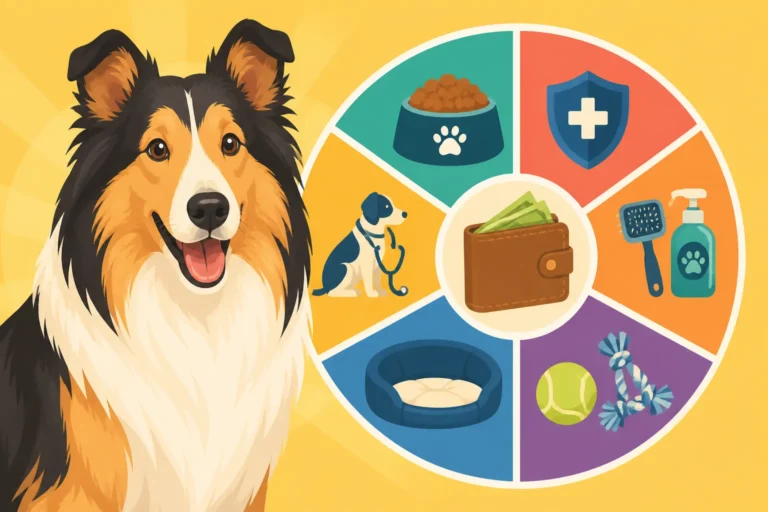
Typically, the rescue organization covers all veterinary care costs for their foster dogs. This usually includes vaccinations, spaying/neutering, microchipping, and any treatments for existing conditions or emergencies. They might have established relationships with specific clinics, so you'd be taking your foster Collie there. Some might even provide food or offer a stipend, though this varies greatly by organization. You should definitely clarify these details upfront.
However, as a foster volunteer, you'll often be responsible for the day-to-day essentials. This can include providing food, treats, toys, a collar and leash (though some rescues provide these), and any incidental costs like replacing a chewed-up bed. While these might seem small, they can add up. Many fosters enjoy picking out special treats for their charges, and brands like Chewy make it easy to order dog food and supplies right to your door. For those interested in more tailored nutrition, services like Ollie offer personalized meal plans that could be considered, though a rescue would usually prefer consistency with food. It’s always best to have a clear discussion with the rescue about what they provide versus what they expect the foster to cover.
The Emotional Rollercoaster of Fostering
Fostering isn't just about the physical care; it's a deep emotional journey. You'll likely experience a wide range of feelings, from the initial joy of welcoming a new furry face into your home, to the frustrations of managing a challenging behavior, and eventually, the bittersweet sadness of saying goodbye. It's common to fall completely in love with your foster dog, and the idea of them leaving can tug at your heartstrings in a way you might not expect.
This emotional investment is what makes fostering so impactful. You're giving a vulnerable dog not just a safe space, but also love, security, and a chance to heal. The emotional support from the rescue group is crucial here; they'll often have a network of fellow fosters who understand these feelings, providing a space to share triumphs and challenges. While it's tough to let them go, the immense pride in seeing them thrive in their forever home makes every tear worthwhile. How a Rescue Collie Learns to Trust touches on the profound bond that forms.
Here's a quick overview of typical financial arrangements for fostering:
| Responsibility Area | Typically Covered by Rescue Organization | Typically Covered by Foster Volunteer (or sometimes rescue) |
|---|---|---|
| Veterinary Care | Exams, vaccinations, spay/neuter, medications, emergency care, genetic testing (e.g., MDR1) | Transport to vet appointments |
| Food & Treats | Sometimes provided or reimbursed | Often provided by foster (e.g., ordering from Chewy) |
| Equipment & Supplies | Microchip, initial collar/leash, sometimes crate | Dog beds, toys, replacement collars, grooming tools |
| Training & Behavioral | Professional trainer consultations (if approved) | Day-to-day positive reinforcement, management |
| Insurance | N/A (rescues usually self-insure or rely on donations for medical bills) | N/A (unless foster chooses to privately insure, e.g., Healthy Paws, which is rare for a foster) |
| Adoption Facilitation | Screening applicants, home visits, paperwork | Sharing updates and observations about the foster dog |
Disclaimer
This article is for general informational purposes only and does not constitute professional advice. Laws, prices and regulations vary by location and change over time. Consult a qualified professional for guidance on your specific situation.