How to Stop a Collie Circling the Family
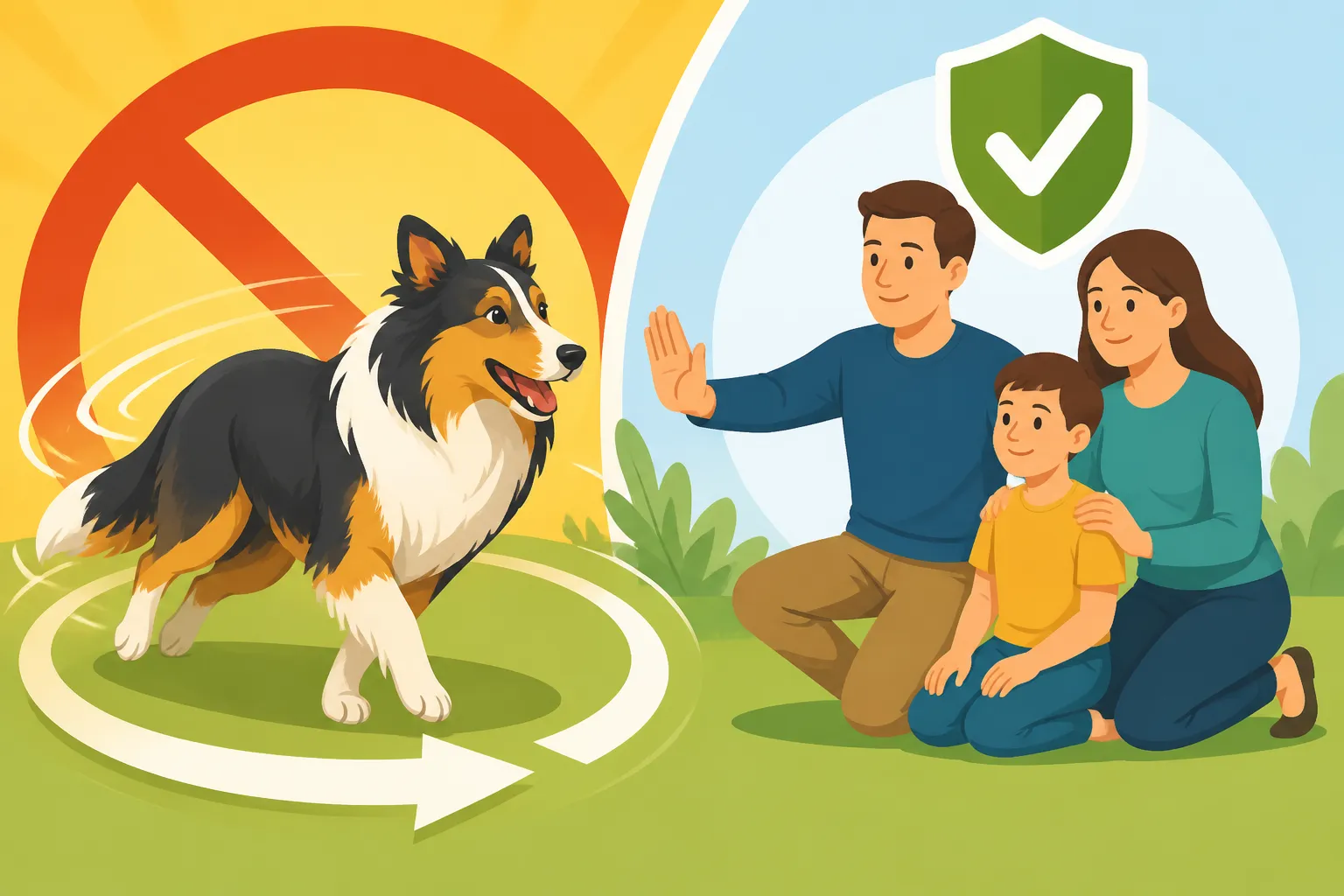
It's incredibly frustrating when your sweet, loyal Collie starts treating your family like a flock of sheep, constantly circling, nudging, and sometimes even nipping at heels. This isn't them being naughty or aggressive; it's a deeply ingrained instinct bubbling to the surface, and understanding how to gently guide and redirect this powerful drive is key to a harmonious household. This guide will walk you through understanding why your Collie circles, how to identify the triggers, and practical, compassionate strategies to manage and redirect this behavior effectively.
Understanding the Instinct: Why Collies Circle
For anyone who's lived with a Collie for a while, you know their intelligence runs deep, but so does their heritage. These magnificent dogs were bred for centuries to gather and control livestock, often over vast, open terrains. That strong instinct to herd doesn't just disappear because they're now living in your cozy suburban home or city apartment. When your Collie starts circling your family, they're not trying to be annoying; they're simply doing what their ancestors did, attempting to gather and manage their "flock"—which, in their eyes, is you and your loved ones.
The Herding Drive in Action
Imagine being a Collie hundreds of years ago in the Scottish Highlands, your job to keep sheep together, moving them from one pasture to another. You'd use your body, your gaze, and sometimes even a gentle nudge to get them where they needed to go. Circling is a fundamental part of that job. It's how they gather, contain, and direct. When your children are running around, or even when you're just moving from the kitchen to the living room, your Collie's innate programming can kick in. They see movement, and their brain says, "Ah, moving objects! Must gather!" It’s not aggression; it's an intense focus on movement and control. This drive is a natural, powerful force, and it manifests differently in each individual dog. Some Collies might just do a wide circle and a soft stare, while others might get more physical. Understanding that this comes from a place of deep instinct, rather than malice, is the first step in approaching the behavior with patience and empathy. It’s part of Why a Collie Herds Your Children.
Observing and Interpreting the Behavior
Becoming a canine detective is a big part of managing herding behavior. You need to observe when, where, and how your Collie circles. Does it happen only during high-energy play with the kids? Or when visitors arrive and are moving quickly through the house? Perhaps it's during meal prep when everyone is bustling around the kitchen. Is your Collie vocalizing while circling, giving little barks or whines? Are they bumping into legs, or are they simply shadowing and maintaining a perimeter? Pay attention to their body language: are their ears perked, tail up, eyes intensely focused? Or are they more relaxed, almost playfully engaging? These details give you crucial insights into the intensity of their drive and the specific triggers. For example, a Collie who only circles when the grandkids visit might be overwhelmed by the sudden bursts of energy and movement, trying to restore order as they see it. A calm observation period, perhaps taking notes for a week, can reveal patterns you never noticed before.
Identifying Triggers and Patterns
Successfully addressing your Collie's circling behavior hinges on accurately pinpointing what sets them off. It’s rarely random; there’s almost always a trigger, even if it seems subtle to us. Once you know the "when" and "who," you can start to proactively manage the situation and introduce alternative behaviors before the instinct takes over.
When Does the Circling Start?
The timing of your Collie’s herding attempts can tell you a lot. Is it mainly during high-energy activities, like a game of tag in the yard or a lively indoor play session? Perhaps it's when someone in the family is rushing to get ready for school or work, creating a flurry of quick movements. Some Collies might start circling when you're vacuuming, trying to "herd" the loud, moving monster. Others might display this behavior when guests come over, especially if those guests are unfamiliar or express a lot of excitement. Even something as simple as you walking from room to room to do chores can be a trigger for a Collie who feels the need to keep their "flock" consolidated. Think about transitions: when kids come in from school, when someone leaves for the day, or during family gatherings. These moments often involve more erratic movement, which is prime herding fuel for your Collie. Understanding these specific times allows you to intervene before the behavior escalates, perhaps by proactively engaging your Collie in another activity or giving them a "job" to do.
Who or What Is the Target?
Equally important is understanding who or what your Collie is trying to herd. Is it always the youngest child, who might be the most prone to running and squealing? Is it other family pets, particularly if you have smaller dogs or cats that dart around? Sometimes, it's not even a living being – it could be the mail carrier's truck passing by, the neighbor's leaf blower, or even a remote-controlled car. Whether a Collie Herds Running Children is a common concern for families. Your Collie isn't being mean; they're responding to perceived "runaway" elements within their domain. They might be particularly drawn to bare legs, seeing them as easily "nipped" or guided. If the target is consistently one person or type of activity, you can focus your management and training efforts around those specific interactions. For instance, if it’s the children, ensuring supervised play and teaching the children how to interact calmly with the dog becomes paramount. If it's a specific object, you might need to create distance or introduce desensitization exercises.
Practical Strategies for Redirecting Herding Behavior
Once you understand the 'why' and the 'when,' it's time to put practical strategies into action. The goal isn't to punish your Collie for being a Collie, but to give them appropriate outlets for their instincts and teach them alternative, polite ways to behave around their family flock.
Structured Play and Mental Stimulation
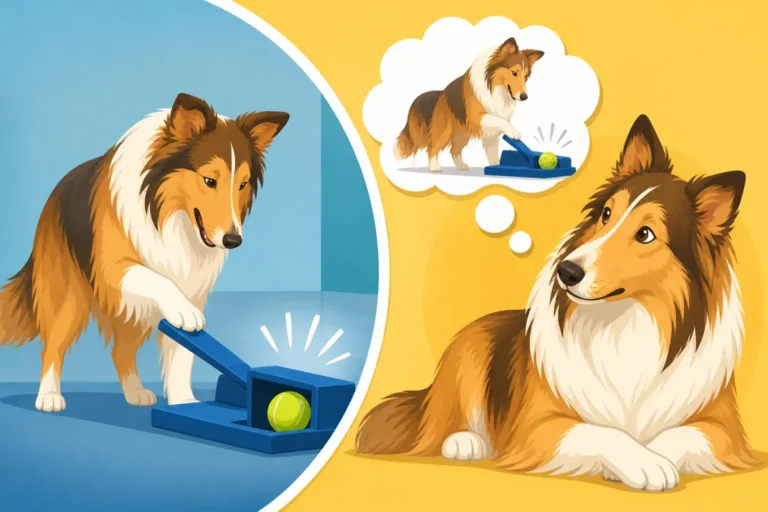
Collies are incredibly intelligent and, if left without enough mental and physical engagement, they will invent their own "jobs"—and herding you is a prime candidate. Mere physical exercise, like a quick walk around the block, often isn't enough. They need to use their brains. Incorporating structured play that mimics herding, but with an appropriate object, can be incredibly effective. Consider games like Treibball, where dogs learn to push large exercise balls into a "goal." This taps directly into their herding drive without involving people. A flirt pole, which is essentially a giant cat toy for dogs, can also be fantastic for channeling chase and redirecting that intense focus.
Beyond physical play, mental stimulation is paramount. Puzzle toys, snuffle mats, and hiding treats for them to find (scent work) can tire a Collie's mind in a way a long walk can't. Even short, engaging training sessions throughout the day count as mental exercise. You'd be amazed at how much a 10-15 minute session of learning new tricks or practicing obedience cues can exhaust a Collie. Remember, for a Collie, it’s about Forty Five Minutes a Day, and Half of It in Its Head. By providing these constructive outlets, you’re giving them a fulfilling job, reducing the likelihood they'll try to herd you out of sheer boredom or excess energy.
Teaching Alternative Behaviors
Instead of constantly saying "no" to circling, which can be frustrating for both you and your dog, focus on teaching your Collie what you want them to do instead. This is a cornerstone of positive reinforcement training. For example, if you know your Collie tends to circle when the kids run, practice having your children run in a controlled manner while you actively engage your Collie with a "sit" or "stay" command, heavily rewarding them for holding still.
A "place" command is another powerful tool. Teach your Collie to go to a designated mat or bed and stay there when activity levels rise. When the kids are playing boisterously, or when guests arrive, direct your Collie to their "place" with a high-value treat. Reward them for staying calm and observing rather than participating in the herding. Consistency is key here. Practice this in low-distraction environments first, then gradually introduce more tempting triggers. You'll find that teaching your Collie to Whether a Collie Can Be Taught to Stop Herding is less about suppression and more about substitution with desired actions. Remember, Collies are sensitive, and Harsh Handling Breaks a Collie and It Does Not Come Back. They thrive on clear guidance and positive feedback.
Management Techniques to Prevent Circling
While you're working on training and redirection, environmental management is your best friend. This isn't a permanent solution, but it buys you time and prevents the behavior from becoming ingrained or reinforced. If you know certain situations reliably trigger the circling, prevent your Collie from engaging in it.
This might mean using baby gates to create physical barriers between your Collie and the "flock" (children, visitors, or other pets) during high-energy times. An indoor leash can be useful, allowing you to gently guide your Collie away from a developing herding situation before it fully starts. For example, if you see the kids winding up for a game of chase, put your Collie on a leash and either tether them to you or have them settle on their bed with a chew toy. If your Collie targets specific guests, consider crating them with a special treat or putting them in another room during the initial greetings. Using these proactive strategies reduces opportunities for your Collie to practice the unwanted behavior, making your training efforts much more effective. It's about setting them up for success, not failure.
Training Tools and Resources That Can Help
Navigating the nuances of Collie behavior can feel like a full-time job, but thankfully, there are excellent tools and resources available to support you. From the right mindset to structured learning programs, these can make a world of difference in your journey to redirecting your Collie's herding instincts.
Harnessing Positive Reinforcement
Positive reinforcement isn't just a training method; it's a philosophy, especially when working with sensitive, intelligent breeds like Collies. It means rewarding the behaviors you want to see, rather than punishing the ones you don't. When your Collie chooses to lie down calmly instead of circling the children, or chooses to come to you when called despite the tempting movement, that's when the high-value treats, enthusiastic praise, and perhaps a favorite toy come out. This builds trust and confidence, making your Collie eager to work with you. Collies are incredibly attuned to their human companions, and a strong, positive bond makes them highly receptive to training.
Avoid harsh corrections, yelling, or physical punishment. Not only can these methods damage your relationship with your Collie, but they are often ineffective in the long run and can create fear or anxiety, potentially leading to other behavioral issues. Instead, focus on making desirable behaviors more rewarding than the instinctive herding. Think about what truly motivates your Collie. Is it a squeaky toy from Amazon, a specific type of jerky treat, or just lavish affection? Understanding What Motivates a Collie is your secret weapon. By consistently rewarding calm, alternative behaviors, you'll teach your Collie that there are other, more beneficial ways to interact with their "flock."
Online Courses and Expert Guidance
Sometimes, you need more than just general advice; you need a structured curriculum and expert guidance tailored to your schedule. This is where online dog training courses can be incredibly valuable. Many platforms offer comprehensive programs that break down complex behaviors into manageable steps, often with video demonstrations and community support. These courses can teach you how to build a solid foundation of obedience, enhance your dog's self-control, and effectively redirect instinctual behaviors like herding.
One example of a resource that could be helpful is BAXTER & Bella. They offer an online puppy school program that covers everything from basic obedience to problem-solving, which could certainly include strategies for managing herding instincts from a young age or retraining an older dog. These types of programs give you access to a wealth of knowledge from certified trainers, all from the comfort of your home. You can work at your own pace, revisiting lessons as needed, and often get personalized feedback. Coupled with practical training aids like long lines, treat pouches, and engaging puzzle toys, many of which are readily available on platforms like Amazon, you can create a comprehensive training environment. Don't underestimate the power of consistent, structured learning—it empowers both you and your Collie to succeed.
When to Seek Professional Help
Even with the best intentions and consistent effort, there are times when a Collie's herding behavior can become overwhelming, persistent, or even unsafe. Recognizing when you need to bring in external expertise is a sign of a responsible and caring owner, not a failure.
Recognizing When You're Overwhelmed
It's completely normal to feel frustrated, exhausted, or even a little defeated when a behavior persists despite your best efforts. If your Collie's circling is causing significant stress for your family, if children are becoming genuinely fearful, or if the herding includes nipping that's more than just a playful bump—it’s time to consider professional intervention. Perhaps your Collie is now barking excessively during herding attempts, making the situation even more chaotic. The Bark Is the Trait Collie Owners Underestimate and it can escalate herding behavior. You might find yourself constantly on edge, anticipating the next herding episode, or avoiding situations that trigger it, which impacts your quality of life and your Collie's ability to integrate fully into the family. If you've diligently applied the strategies mentioned above for several weeks or months without seeing significant improvement, or if you feel you're simply running out of ideas, that's a clear signal to seek help. An objective, experienced professional can offer fresh perspectives and tailored strategies that you might not have considered.
Finding a Qualified Professional
When choosing a professional, look for certified dog trainers or veterinary behaviorists who specialize in positive reinforcement and force-free methods. For Collies, whose temperament is sensitive and intelligent, a trainer who understands breed-specific traits is invaluable. You want someone who can observe your Collie in their home environment, identify specific triggers unique to your situation, and develop a personalized training plan. Look for credentials such as Certified Professional Dog Trainer (CPDT-KA), Karen Pryor Academy Certified Training Partner (KPA CTP), or a veterinary behaviorist (DACVB).
A good professional will assess not just the behavior itself, but also your Collie's overall health, daily routine, and your family dynamics. They will teach you effective communication techniques, help you build on your Collie's strengths, and address the root causes of the herding drive. They can also guide you on more advanced redirection techniques, potentially even exploring fun canine sports like Whether a Collie Should Try Herding Sheep or agility, which can provide a constructive outlet for that powerful instinct. Don't hesitate to interview a few trainers to find one whose philosophy aligns with yours and who makes you feel comfortable and supported. Investing in professional help can save you a lot of heartache and strengthen your bond with your beloved Collie in the long run.
Comparative Strategies for Herding Behavior
To give you a clearer picture of different approaches, here’s a quick comparison of various strategies for managing and redirecting your Collie's herding instincts. Remember, the most effective plan often involves a combination of these methods, tailored to your specific dog and household.
| Strategy Type | Primary Goal | Key Actions | Benefits | Considerations |
|---|---|---|---|---|
| Environmental Management | Prevent rehearsal of unwanted behavior | Baby gates, leashes indoors, crates, removing dog from triggering situations | Immediate relief, prevents behavior from worsening | Not a solution, only buys time; must be combined with training |
| Redirection & Substitution | Provide appropriate outlets for instinct | Structured play (Treibball, flirt pole), puzzle toys, scent work, fetch | Channels instinct constructively, mentally stimulating | Requires owner participation, may need diverse activities to stay engaging |
| Positive Reinforcement | Teach alternative, desirable behaviors | "Place" command, "sit/stay" during triggers, rewarding calm behavior | Builds strong bond, dog learns to choose desired actions, low stress | Requires consistency and patience; high-value rewards needed initially |
| Trigger Identification | Understand when and why herding occurs | Detailed observation, journaling, identifying patterns (e.g., specific people) | Enables proactive intervention, informs other strategies | Can be time-consuming, requires careful attention to detail |
| Professional Guidance | Get tailored, expert solutions | Consult certified trainer or vet behaviorist, personalized training plans | Objective assessment, specialized techniques, addresses complex issues | Financial investment, finding a qualified professional takes research |
Disclaimer
This article is for general informational purposes only and does not constitute professional advice. Laws, prices and regulations vary by location and change over time. Consult a qualified professional for guidance on your specific situation.