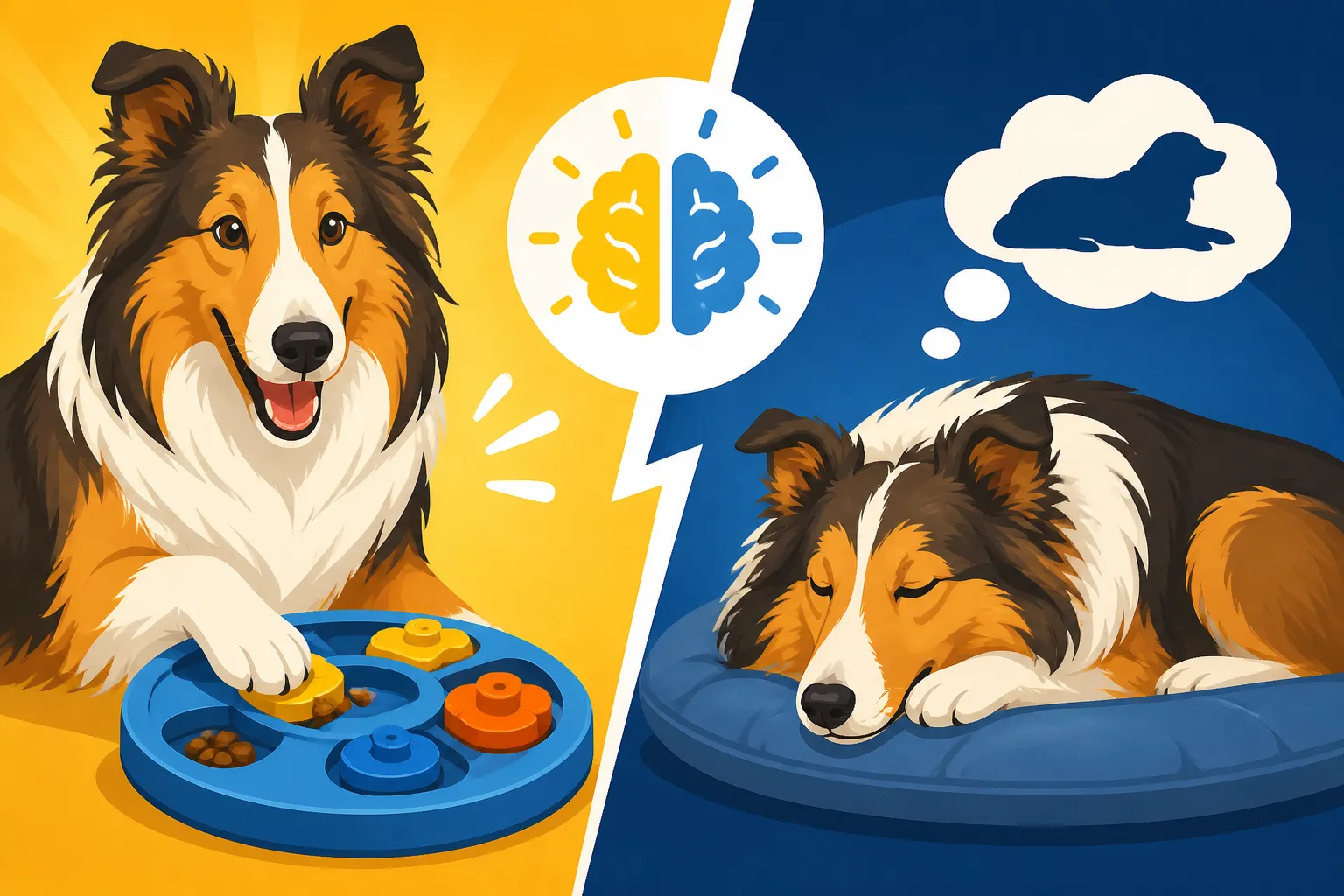
Whether Puzzle Feeders Tire a Collie
One of the most common frustrations for Collie owners is finding ways to truly tire out their intelligent, energetic companions. You’ve walked them, played fetch, and yet they still seem to have that spark of boundless energy, sometimes leading to undesirable behaviors. Many of us wonder if mental stimulation, like puzzle feeders, can actually make a difference in wearing them out. This guide will delve into how puzzle feeders engage a Collie's mind and contribute to a more contented, calm dog.
The Collie Mind: Why Mental Stimulation Matters So Much
Let's be real, living with a Collie is a joy, but it also comes with the understanding that you've got a brilliant mind on your hands. These aren't just pretty faces; they're thinkers, problem-solvers, and strategists, even if their "job" these days is mostly keeping your couch warm. Ignoring that innate intelligence is a recipe for trouble, and many of us learn this the hard way.
More Than Just Physical Exercise
It's a common misconception that if your Collie has had a good run or a long walk, they should be "done" for the day. While physical exercise is absolutely crucial for their well-being, it only addresses one part of the equation. Imagine if you, a thinking human, spent all day jogging but never read a book, solved a puzzle, or engaged in conversation. You'd be physically tired, sure, but mentally, you'd probably feel antsy, unfulfilled, and maybe even a little grumpy. Collies are much the same.
Their heritage as herding dogs means they were bred to think, to anticipate, to strategize movements, and to work cooperatively. This isn't just about speed; it's about decision-making under pressure. When they don't get opportunities to flex those mental muscles, that energy doesn't just disappear; it often gets redirected. Many owners are surprised to learn that sometimes, even after a substantial walk, their Collie still has that restless glint in their eye. That's often a sign that their brain needs a workout, not just their legs. They need activities that engage their innate problem-solving abilities and satisfy their drive to do something. You’ll find that Forty Five Minutes a Day, and Half of It in Its Head offers more insight into this balance.
The Bored Collie's Behaviors
So, what happens when a Collie's brilliant mind isn't given enough to do? Oh, they'll find something to do, alright. And nine times out of ten, it's not going to be something you appreciate. You might come home to discover your favorite shoe has been "redesigned," or perhaps a new, impromptu excavation site has appeared in your backyard. Destructive chewing is a classic symptom of an under-stimulated Collie, as is excessive barking. They might bark at every leaf blowing past the window, or simply seem to The Bark Is the Trait Collie Owners Underestimate because they're full of pent-up mental energy with nowhere to go.
Beyond destruction and noise, a bored Collie might also develop more neurotic habits. Pacing, tail-chasing, or constantly seeking attention (often in annoying ways) can all stem from a lack of appropriate mental outlets. It's not about them being "bad" dogs; it's about them trying to cope with an abundance of unused intelligence and energy. They're telling you, in their own way, "My brain is buzzing, and I need a job!" Addressing this mental need can prevent many of these frustrating behaviors and lead to a much happier, calmer household. If you’ve ever wondered Whether a Collie Chews When Bored, the answer is almost certainly yes, if they're not adequately engaged.
Puzzle Feeders: A Deep Dive into Mental Enrichment
Puzzle feeders have gained immense popularity, and for good reason. They're not just a passing fad; they're a legitimate tool for providing the kind of mental stimulation that breeds like Collies crave. But what exactly makes them so effective for our four-legged Einsteins?
How Puzzle Feeders Work for a Collie's Brain
At their core, puzzle feeders transform mealtime from a quick gobble-and-go into an engaging brain game. Instead of simply dumping kibble into a bowl, these devices require your Collie to manipulate, nudge, sniff, or paw at them to release food. This taps directly into their natural instincts. Think about it: in the wild, dogs would spend a significant portion of their day foraging and hunting for food. They'd use their incredible sense of smell, their problem-solving skills to navigate obstacles, and their dexterity to access hidden morsels. Puzzle feeders mimic this process, albeit in a safe and domesticated way.
When your Collie is pushing a ball with their nose to get a kibble, or figuring out how to lift a lid on a hidden compartment, they're not just eating; they're working. This mental effort stimulates their cognitive functions, improving focus and concentration. It encourages them to think creatively and persist through challenges. Some puzzle feeders involve multiple steps or different types of manipulation, escalating the cognitive demand. This engagement is what truly separates them from a standard bowl, making mealtime an enriching experience rather than just sustenance.
The Difference Between "Tired" and "Satisfied"
It’s important to manage expectations here. A puzzle feeder isn't going to make your Collie physically "tired" in the same way an hour-long hike or a vigorous game of fetch would. You won't see them collapse in a panting heap after finishing their dinner from a puzzle toy. However, they will be mentally satisfied, and that's a crucial distinction.
Mental exertion, much like physical exertion, consumes energy. Solving puzzles, sniffing out treats, and performing repetitive manipulative tasks can be surprisingly draining for a dog's brain. When a Collie is mentally stimulated and feels they've accomplished a "task," even if it's just getting dinner, it contributes significantly to their overall feeling of contentment and calm. Think of it like a challenging crossword puzzle for us humans; you might not be physically exhausted, but your brain feels worked, and you feel a sense of achievement. This mental satisfaction can lead to a more relaxed dog who is less likely to seek out destructive ways to amuse themselves. It translates into better behavior, a calmer demeanor, and a more peaceful household, even if they're not physically "pooped." Understanding that mental exercise is as important as physical exercise is key to a balanced Collie. For more on exercise, you might want to read How Much Exercise a Collie Needs Daily.
Choosing the Right Puzzle Feeder for Your Collie
The world of puzzle feeders is vast and varied, which is fantastic because it means there's something for every Collie's intelligence level and chewing style. When browsing platforms like Amazon, you'll encounter a dizzying array of options, so let's break down some common types:
- Slow Feeder Bowls: These are often the entry point, featuring mazes or ridges that simply slow down eating. While not true "puzzles," they prevent bolting food and engage the dog slightly more than a flat bowl.
- Treat-Dispensing Toys: Think KONGs, West Paw Toppls, or similar hollow toys you can stuff with kibble, wet food, or peanut butter. Your Collie has to lick, chew, and roll them to get the contents out. These are excellent for longer-lasting engagement and are generally very durable.
- Snuffle Mats: These fabric mats have various pockets and fabric strips where you can hide kibble. They engage your Collie's natural sniffing abilities, which is incredibly mentally taxing and satisfying. It's like a treasure hunt for their nose!
- Interactive Puzzle Games: These often feature sliding parts, liftable lids, or levers that your Collie needs to manipulate in a specific sequence to reveal treats. Brands like Nina Ottosson (now part of Outward Hound) make a wide range, from beginner to advanced. Start with simpler ones and work your way up.
When choosing, consider your Collie's personality. Are they a super chewer? Opt for durable rubber or hard plastic. Are they easily frustrated? Start with an easier puzzle. The key is to introduce them gradually, supervise the first few uses, and always ensure the puzzle is appropriate for their size and skill level. You want to challenge them, not defeat them. For a breed known for its sensitivity, positive experiences are paramount.
Integrating Puzzle Feeders into Your Collie's Routine
Getting a puzzle feeder is just the first step. To truly reap the benefits and help tire out your Collie's brilliant mind, you need to integrate them thoughtfully into your daily routine. It's about making them a consistent, enriching part of their life, not just an occasional novelty.
When and How to Use Them Effectively
One of the best times to use a puzzle feeder is, quite simply, at meal times. Instead of feeding your Collie from a standard bowl, divide their daily kibble ration and put it into various puzzle toys. This transforms every meal into a productive mental exercise. You can use one large, complex puzzle for an entire meal, or several smaller, easier ones. This approach ensures they are engaging their brain daily, sometimes multiple times a day, depending on your feeding schedule.
Another fantastic use for puzzle feeders is during times when your Collie might otherwise be bored or anxious. For instance, if you need to leave the house for a while, a stuffed KONG or a challenging puzzle feeder can provide a much-needed distraction and positive association with your departure. It helps redirect any potential Whether a Collie Gets Separation Anxiety into a productive activity. Similarly, if your Collie gets an afternoon "zoomies" burst or seems restless after a walk, a mental game can help them settle. Always supervise the first few times they use a new puzzle to ensure they understand it and don't get frustrated or try to chew the toy inappropriately. The goal is positive engagement, not stress.
Beyond Just Food: Creative Mental Engagement
While puzzle feeders are brilliant, they're only one piece of the mental enrichment pie. To truly keep a Collie's mind sharp and satisfied, you need a diverse toolkit of activities. Think of it this way: even the most delicious meal gets boring if it's the only thing you ever eat. The same goes for your Collie's brain games.
Scent work, for example, is incredibly taxing and rewarding for a Collie. Hiding treats around the house or yard and encouraging them to "find it" is a simple, no-cost game that taps into their most powerful sense. Short, frequent training sessions, even just 5-10 minutes a few times a day, can work wonders. Teaching new tricks, practicing obedience cues in different environments, or even just working on polite leash manners all require focus and mental effort. Resources like BAXTER & Bella offer comprehensive online training programs that incorporate mental stimulation and positive reinforcement, helping you understand What Motivates a Collie and how to channel their intelligence constructively. The key is variety and consistency; mix up the challenges, keep them guessing, and always end on a positive note. This holistic approach ensures your Collie is truly engaged and mentally thriving. Remember, Whether Training Sessions Count as a Collie's Exercise is a resounding yes!
The Benefits Beyond Tiring Them Out
While we've focused on how puzzle feeders mentally tire and satisfy a Collie, their benefits extend far beyond just making your dog calmer. Incorporating these tools into your routine can positively impact several aspects of your Collie's health and behavior, creating a ripple effect throughout their life.
Firstly, for those Collies who tend to inhale their food in mere seconds, puzzle feeders are a lifesaver. By forcing them to work for each bite, they naturally slow down their eating pace. This can significantly reduce the risk of digestive upset, including the terrifying prospect of bloat, and allows them to feel fuller more quickly. Secondly, puzzle feeders are excellent for independent play. They give your Collie something constructive to do when you're busy or simply can't engage directly. This fosters a sense of self-sufficiency and can be particularly helpful for building confidence in more Whether a Collie Is Naturally Timid or anxious dogs.
Finally, and perhaps most importantly, using puzzle feeders is a wonderful way to prevent boredom, which is the root of so many behavioral issues. A dog that is regularly challenged and mentally stimulated is a dog that is less likely to develop destructive habits, excessive barking, or attention-seeking behaviors. It cultivates a more resilient, adaptable, and genuinely happy companion who trusts you to provide for all their needs – physical, emotional, and intellectual. It's about setting them up for success, ensuring they have a Whether a Collie Needs a Predictable Routine that includes engaging mental work.
In conclusion, while puzzle feeders might not make your Collie physically pant and collapse, they are incredibly effective at providing crucial mental stimulation. They engage your Collie's intelligent mind, satisfy their innate drives, and contribute to a sense of calm and contentment that can reduce unwanted behaviors. By incorporating a variety of puzzle feeders and other mental games into your Collie's daily routine, you're not just providing a distraction; you're nurturing their brilliant minds and ensuring they live a truly fulfilling life.
Disclaimer
This article is for general informational purposes only and does not constitute professional advice. Laws, prices and regulations vary by location and change over time. Consult a qualified professional for guidance on your specific situation.