Whether a Collie Overheats in Its Coat
It's a common worry for us Collie owners, especially when those long summer days start heating up: Will my beautiful, fluffy friend overheat in all that coat? The sight of their thick double layer can make you instinctively reach for the clippers, but as we'll explore, a Collie's coat is actually a marvel of natural engineering, designed to protect them from both cold and heat. This guide will help you understand how their coat works, recognize the signs of overheating, and implement smart strategies to keep your Collie comfortable and safe all summer long.
Understanding the Collie's Double Coat: A Natural Insulator
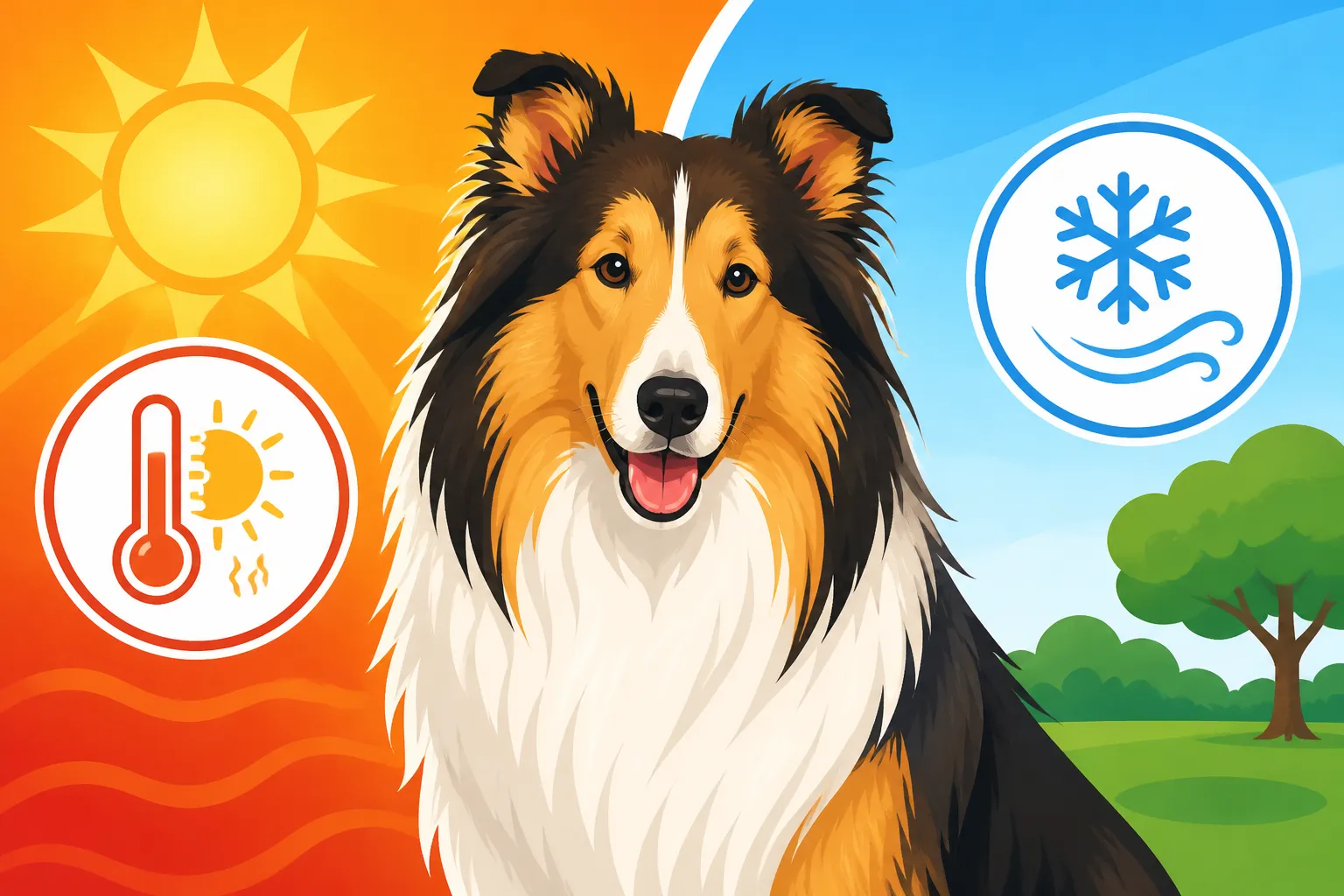
Many people look at a Collie's magnificent, flowing coat and assume it must be like wearing a winter parka in July. It's a completely understandable thought! We humans shed our layers when it's hot, so it seems logical our dogs should too. However, a Collie's coat is far more sophisticated than a simple blanket; it's a vital, multi-functional system that plays a crucial role in regulating their body temperature year-round. Thinking of it as insulation is the key, and insulation works in both directions.
How the Double Coat Functions in Heat and Cold
A Collie's coat is what we call a "double coat," meaning it consists of two distinct layers. The outer layer is made up of longer, coarser "guard hairs." These hairs are somewhat water-repellent and act as a protective barrier, shielding the dog's skin from the sun's harsh UV rays, scratches, and dirt. Think of them as the outer shell of a good outdoor jacket, designed to keep the elements out.
Beneath these guard hairs lies the second layer: a thick, soft, and dense undercoat. This is the true insulating layer. In winter, this undercoat traps warm air close to the dog's body, keeping them toasty and comfortable even in snowy conditions. But here's the crucial part for summer: this same undercoat also prevents external heat from reaching the skin. It creates an insulating barrier that helps keep cooler air next to the skin, slowing down the transfer of heat from the hot environment to the dog's body. It's like the insulation in your house – it keeps heat out in summer and in during winter.
When a Collie "blows coat" – a process most noticeable twice a year, as detailed in The Three Weeks Twice a Year When a Collie Buries Your House – they shed much of this dense undercoat. This natural shedding process helps thin out the insulating layer, making it more efficient for warmer weather. Regular brushing, using the right tools, helps remove this loose, dead undercoat, allowing for better air circulation closer to the skin, which is essential for cooling.
The Dangers of Shaving a Collie in Summer
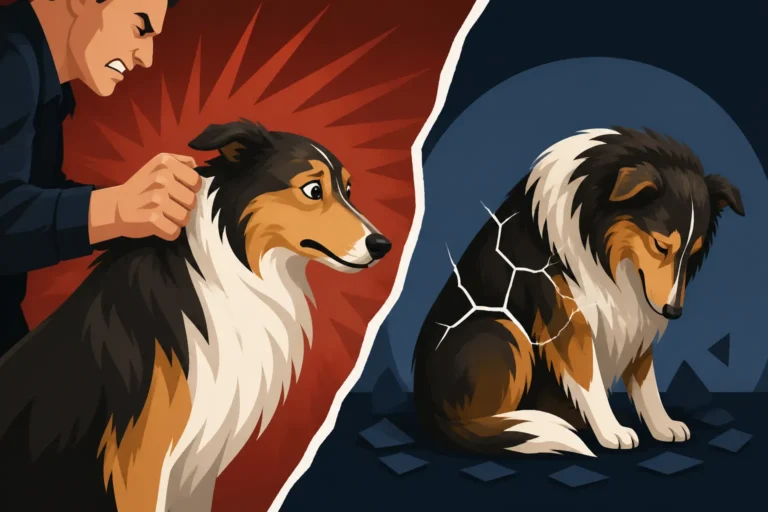
Given the natural insulating properties of a Collie's double coat, you can now understand why shaving them down in the summer is not only unnecessary but can actually be detrimental to their health and comfort. It's a common misconception that shaving helps them stay cooler, but in reality, it often does the exact opposite. A Collie Is Never Trimmed and Never Shaved is a mantra every Collie owner should live by.
When you shave off a Collie's guard hairs and undercoat, you remove their natural protection system. Suddenly, their delicate skin is exposed directly to the sun's powerful ultraviolet rays. Just like humans, dogs can get sunburned, and a severe sunburn can lead to pain, blistering, and even increase the risk of skin cancer. The guard hairs also protect against insect bites and minor skin irritations from plants or rough surfaces.
Furthermore, shaving can permanently damage the intricate structure of the double coat. The undercoat often grows back faster and thicker than the guard hairs, leading to a "coat blow" where the texture becomes soft, woolly, and prone to matting. This altered coat is much less efficient at insulating, as it lacks the proper balance of guard hairs to undercoat. It can actually make your Collie hotter and much more difficult to groom effectively in the long run. Instead of shaving, focus on thorough, regular brushing to manage shedding and promote air circulation within the coat.
Signs and Risks of Overheating in Collies
Even with their magnificent natural coat, Collies are not immune to overheating, especially when environmental factors or activity levels combine to put stress on their cooling systems. Knowing what to look for and what situations pose the highest risk is paramount to keeping them safe. Being proactive and observant can make all the difference.
Recognizing the Early Warning Signs
The first step in preventing serious heat-related illness is recognizing the subtle, early signs of overheating. Collies, like many dogs, cool themselves primarily through panting. So, increased panting is the most obvious initial indicator. However, you need to differentiate between normal panting after a burst of play and excessive panting that suggests distress.
Look for panting that is rapid, heavy, and sustained, even when your Collie is resting. Their tongue might hang out further than usual and appear wider, and their gums might look darker red than their normal healthy pink. You might also notice increased drooling, sometimes thick and stringy. Your dog might seem restless, trying to find a cooler spot, or conversely, become unusually lethargic and slow. If you gently feel their ears, they might be very warm to the touch. Any of these signs mean it's time to act immediately to cool them down.
Here's a quick reference table for recognizing mild vs. severe signs:
| Symptom | Mild Overheating | Severe Heatstroke (Emergency) |
|---|---|---|
| Panting | Heavy, rapid, sustained, even at rest | Extreme, uncontrolled, gasping |
| Drooling | Increased, possibly thick and stringy | Profuse, foamy |
| Gums/Tongue | Darker red than normal | Bright red, then grey/blueish as oxygen drops |
| Energy Level | Restless, seeking cool spots, or lethargic | Staggering, disoriented, collapse, seizures |
| Body Temperature | Very warm to touch | Extremely hot (rectal temp >104°F/40°C) |
| Other | Rapid heart rate, seeking water, glazed eyes | Vomiting, diarrhea, muscle tremors, unconsciousness |
Factors That Increase Overheating Risk
Several factors can increase your Collie's risk of overheating, even if they have a healthy, well-maintained coat. Being aware of these can help you plan your day and your dog's activities safely. The most obvious culprit is, of course, the ambient temperature, but humidity plays an even bigger role. High humidity makes it much harder for dogs to cool down through panting because the air is already saturated with moisture, making evaporation from their tongue and respiratory tract less efficient.
Exercise level is another critical factor. While How Much Exercise a Collie Needs Daily is a real consideration, pushing strenuous activities during the hottest parts of the day is a recipe for disaster. Even a normally healthy Collie can overheat rapidly if they're running and playing vigorously when the sun is high. Age and underlying health conditions, such as heart disease, respiratory issues, or obesity, can also significantly increase risk. Even something like Bloat in a Deep Chested Collie can be exacerbated by stress and exertion, which are more likely when a dog is struggling with heat.
Don't forget the ground temperature! Pavement, asphalt, and even artificial turf can get scorching hot, easily reaching temperatures that can burn paw pads long before the air temperature feels extreme to you. Always test the ground with the back of your hand; if it's too hot for your hand, it's too hot for paws. Finally, never, ever leave a Collie in a parked car, even for a few minutes with the windows cracked. The temperature inside a car can rise to dangerous levels incredibly quickly, turning a quick errand into a fatal mistake.
Practical Strategies for Keeping Your Collie Cool
Knowing the risks is one thing, but actively managing your Collie's environment and routine is how you truly keep them safe and comfortable when the mercury rises. It's all about making smart choices and leveraging simple tools to beat the heat.
Adjusting Exercise Routines and Outdoor Activities
The easiest and most effective way to prevent overheating is to adjust your Collie's schedule. During summer months, swap those midday walks for early morning excursions or late evening strolls once the sun has begun to set and the air has cooled considerably. This applies to any strenuous outdoor play as well. If your Collie loves to chase a ball, save those sessions for the cooler parts of the day.
For mental and physical stimulation during the hottest hours, consider moving activities indoors. Puzzle toys, interactive feeders, and training sessions in a cool environment can tire out your Collie just as effectively as a long walk. Even practicing basic obedience cues or teaching new tricks using a positive reinforcement program, like those offered by BAXTER & Bella, can provide excellent mental enrichment without any risk of overheating. Remember that What a Collie Does With an Empty Afternoon often leads to less desirable behaviors, so keeping them engaged is key.
Water activities can also be a fantastic way to cool down. If your Collie enjoys it, a shallow kiddie pool in the shade or a gentle spray from a hose can be a refreshing treat. Some Collies even enjoy swimming, as discussed in Whether a Collie Can Swim, which offers excellent exercise without the heat stress of land-based activities. Always ensure access to fresh, clean water during and after any activity.
Essential Cooling Aids and Home Environment Management
Beyond adjusting schedules, there are many practical ways to create a cooler environment for your Collie. First and foremost, always ensure they have constant access to fresh, cool water, both indoors and out. Multiple water bowls around the house and yard are a good idea. For outdoor time, make sure there's ample shade available, whether it's from trees, an umbrella, or a covered patio.
Cooling mats are a fantastic invention for Collies. These mats, often filled with a gel that activates with pressure, can provide a cool spot for your dog to lie down on, helping to draw heat away from their body. You can find a wide variety of effective cooling mats and elevated dog beds on platforms like Amazon, which allow air to circulate underneath, preventing heat buildup. Whether a Collie Needs a Cooling Mat in Summer goes into more detail on this topic. Freezing a large water bottle or two and wrapping them in a towel can also create a DIY cooling pad for their bed.
Inside the home, keep the air conditioning on a comfortable setting or use fans to circulate air, particularly in the rooms your Collie frequents. If you live in an area prone to power outages or don't have AC, consider draping damp (not soaking wet) towels over their body or wetting down their paws and belly with cool water periodically. Regular grooming is also key: diligent brushing, as outlined in Four Tools and Twenty Minutes: Brushing a Rough Collie, helps remove loose undercoat, allowing for better air circulation and enhancing the natural cooling process. This ensures their protective coat is working optimally, as described in Whether a Collie's Coat Protects It From Heat. And don't forget to protect sensitive areas; Whether a Collie Needs Sunscreen on Its Muzzle is an important consideration for lighter-nosed Collies spending time outdoors.
When to Seek Veterinary Attention for Heat-Related Illness
While prevention and smart management go a long way, sometimes, despite our best efforts, a Collie can still succumb to the heat. Recognizing when a situation has escalated beyond mild overheating to a critical emergency like heatstroke is vital, as immediate veterinary intervention can be life-saving.
Identifying Heatstroke and Emergency Measures
Heatstroke is a severe, life-threatening condition that occurs when a dog's body temperature rises to dangerous levels and they can no longer regulate it effectively. The signs are much more pronounced and alarming than mild overheating. You might see extreme, frantic panting that doesn't seem to bring relief, bright red gums that then turn pale or even blueish as shock sets in, and profuse, foamy drooling. Neurological signs are common, including staggering, disorientation, muscle tremors, uncoordinated movements, and eventually, collapse or seizures. Vomiting and diarrhea, sometimes bloody, can also occur.
If you suspect your Collie is suffering from heatstroke, this is an absolute emergency. You need to act fast. Immediately move your dog to a cooler environment, ideally with air conditioning or shade. Begin cooling them down gradually with cool (not ice cold, as this can cause shock) water. You can wet their fur, focusing on the belly, armpits, and groin, where large blood vessels are close to the surface. Use a fan to help evaporate the water, which aids cooling. Offer small amounts of water if they are conscious and able to drink. Crucially, do not force them to drink.
Even if your Collie seems to be improving after initial cooling efforts, you must get them to a veterinarian immediately. Heatstroke can cause internal damage to organs that might not be immediately apparent, and complications can arise hours or even days later. Rapid cooling at home is crucial, but it is not a substitute for professional medical attention. Call your vet or the nearest emergency animal hospital while you are on your way so they can be prepared for your arrival.
Preparing for Summer Emergencies
Being prepared is a key part of responsible pet ownership, especially when it comes to potential summer health crises. Before the hot weather truly sets in, take some time to create a plan. First, know the location and contact information for your regular veterinarian and the closest 24-hour emergency animal hospital. Keep these numbers readily accessible in your phone and perhaps even taped to your refrigerator.
Consider assembling a small "summer emergency kit" to keep in your car. This could include a cooler with bottled water (for both you and your dog), a few small towels that can be dampened, and perhaps a small, battery-operated fan. These simple items can buy you precious minutes if your Collie starts to overheat while you're out and about. It's also a good idea to discuss summer safety and any specific concerns about your Collie's health with your vet during their annual check-up. They can offer personalized advice, especially if your dog has any pre-existing conditions that might make them more susceptible to heat. Staying vigilant and having a plan gives you the best chance of navigating the summer safely with your beloved Collie.
Disclaimer
This article is for general informational purposes only and does not constitute professional advice. Laws, prices and regulations vary by location and change over time. Consult a qualified professional for guidance on your specific situation.