Whether a Collie Reads Its Owner’s Mood
It’s a common experience for Collie owners, isn't it? That moment when you walk into a room feeling a bit down, or maybe incredibly stressed after a tough day, and your beautiful Collie seems to immediately pick up on it. They might nudge your hand gently, rest their head on your lap, or even just watch you with those knowing eyes. It truly feels like they’re reading your mind, doesn’t it? This guide is going to delve deep into whether Collies truly read their owner's mood, how they do it, and what impact your emotional state can have on their well-being and behavior.
The Subtle Art of Collie Observation: More Than Just a Look
Collies are known for their intelligence and sensitivity, traits that make them incredibly attuned to their human companions. While they can't literally "read" your thoughts, their ability to interpret a complex array of cues from you is nothing short of remarkable. It’s a sophisticated form of communication that they’ve perfected over generations of living alongside people. They're not just looking at you; they're absorbing information through all their senses.
Body Language: The Unspoken Conversation
Think about how much information you convey without saying a word. Your posture, your facial expressions, the way you move – these are all signals your Collie is processing. If you're slumped on the couch, sighing heavily, your Collie sees that. If you're pacing anxiously, jaw clenched, they notice the tension in your shoulders and the hurried rhythm of your steps. They're masters of observation, constantly scanning for these non-verbal cues that tell them what's going on with their favorite human.
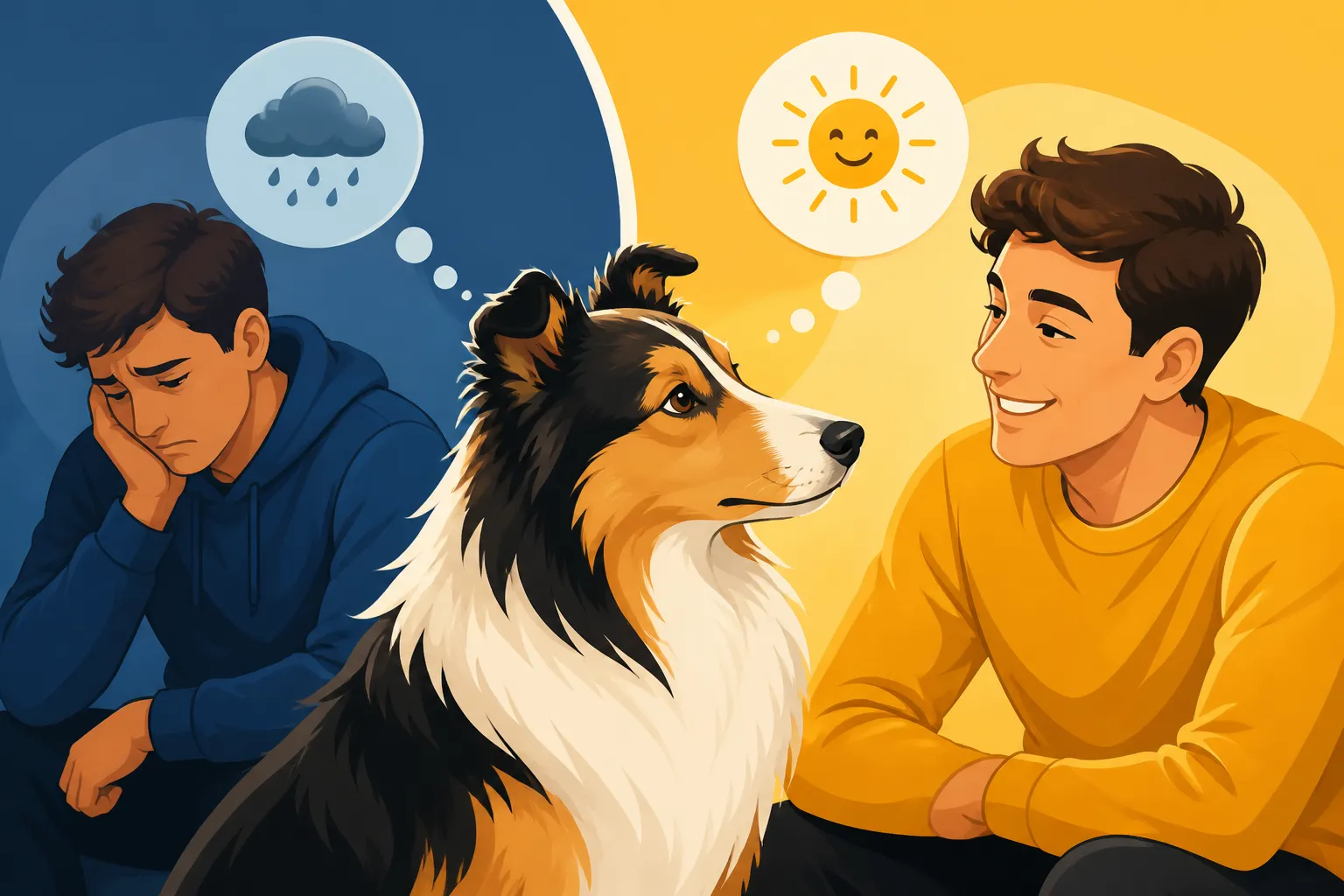
For instance, when you're joyful and relaxed, your body language is often open and flowing. You might make eye contact, smile, and move fluidly. Your Collie interprets this as an invitation for interaction, perhaps coming over for a cuddle or offering a playful nudge. Conversely, if you're experiencing a bout of sadness, you might retreat inward, avoiding eye contact, and moving more slowly or hesitantly. Your Collie, picking up on these subtle shifts, might respond with a gentle approach, perhaps laying their head on your lap or simply settling nearby as a quiet presence. They understand that your body is telling a story, and they're listening intently.
It's not just about broad gestures either. Collies are incredibly sensitive to micro-expressions and subtle shifts in muscle tension. A slight furrow in your brow, a tightened jaw, or even the way your hands are clasped can convey volumes to a perceptive Collie. They learn over time to associate these physical manifestations with your internal state. It's why they might offer comfort when you're crying or seek to divert your attention with a toy when you're clearly stressed, almost as if they're attempting to "fix" your mood.
Tone of Voice: Beyond the Words Themselves
We all know that it's not just what you say, but how you say it. For your Collie, this couldn't be truer. They might not understand the intricate nuances of human language, but they are exceptionally skilled at interpreting the tone, pitch, and cadence of your voice. A sharp, strained tone might signal anger or frustration, while a soft, calm voice conveys reassurance and peace. This auditory sensitivity is a massive part of their ability to gauge your emotional state.
Consider a scenario where you're feeling overwhelmed and you let out a frustrated groan. Your Collie doesn't necessarily understand the source of your frustration, but they absolutely register the sound – its sharpness, its low rumble, the tension in it. This can cause them to become wary, perhaps retreating slightly or observing you with concern. On the other hand, if you're excitedly chatting on the phone, your voice might be higher pitched and more animated, and your Collie might mirror that enthusiasm, wagging their tail and looking for an invitation to join in the joyful commotion. This mirroring of emotional energy is a testament to their deep connection to us.
This vocal sensitivity also ties into their training. If you're trying to teach a new cue, say "stay," and your voice is filled with impatience or irritation, your Collie will pick up on that before they even process the command itself. This can make them hesitant, unsure, or even shut down, making the training session less effective. This is why positive reinforcement trainers often emphasize using a calm, consistent, and happy tone of voice, even when feeling frustrated. Your Collie is constantly evaluating your vocal cues, linking specific tones to different outcomes and emotional contexts. If you've ever noticed your Collie respond differently to various family members, often a large part of that is due to the unique vocal patterns and tones each person uses.
Scent and Pheromones: The Hidden Language
Here’s where it gets truly fascinating and often overlooked by us humans: scent. Dogs have an incredible sense of smell, far surpassing our own. When humans experience different emotions, our bodies release different hormones, which can subtly change our body odor. Stress, fear, happiness – these can all have a unique scent signature that your Collie's sensitive nose can detect, even if you’re completely unaware of it.
For instance, when you're stressed or anxious, your body might release hormones like cortisol, which can alter your natural scent. Your Collie, with its thousands of olfactory receptors, is likely picking up on this change. It's a primal form of communication, telling them that something is amiss, even if your outward demeanor seems perfectly calm. They might then respond by trying to comfort you, or they might become more vigilant themselves, anticipating a threat that you're unknowingly broadcasting. This olfactory connection highlights just how deeply ingrained their ability to sense our emotions truly is.
This also plays a role in how they perceive strangers. A person who is nervous or uncomfortable around dogs might emit certain stress pheromones, which a Collie will detect immediately. This might lead the Collie to be wary or to avoid that person, even if the individual isn't outwardly acting fearful. It's a complex chemical language that happens below our conscious perception, but it’s a powerful tool in a Collie's emotional toolkit. This incredible sense of smell is why Collies can be trained for scent work or even medical detection – their noses are finely tuned instruments that pick up on what we cannot.
From Your Vibe to Their Behavior: The Ripple Effect of Mood
It's one thing for your Collie to detect your mood, but how does that actually translate into their behavior? The connection is profound. Your emotional state creates a sort of atmospheric pressure in the home, and your sensitive Collie is right there, feeling every shift. What might seem like a small mood swing to you could be a significant environmental change for your dog, influencing everything from their energy levels to their confidence.
Mirroring Your Energy and Emotions
One of the most common ways Collies respond to your mood is by mirroring your energy. If you're feeling calm and relaxed, they often settle down too. If you're feeling energetic and playful, they'll likely be ready to romp. However, this mirroring can also extend to less positive emotions. If you're consistently stressed or anxious, your Collie might start to exhibit those same traits, becoming more restless, clingy, or even prone to anxiety-related behaviors like excessive barking or pacing.
Think about a day when you’re really under the gun with deadlines or household chores. Your movements are probably quicker, your voice might be sharper, and you’re likely carrying a lot of tension. Your Collie, observing this heightened state, might become more excitable, perhaps jumping up more, nudging you insistently, or even reacting more strongly to outside noises. They're picking up on your agitated energy and reflecting it. Conversely, if you spend a lazy Sunday afternoon lounging and reading, your Collie will likely choose to nap nearby, completely relaxed in your calm presence. This direct correlation makes you, as the owner, a powerful influence on their daily demeanor.
This mirroring effect is a double-edged sword. While it’s wonderful to have a dog that shares your happy moments, it also means your stress can become their stress. Collies, in particular, are known for their sensitivity, and constant exposure to a high-stress environment can lead to behavioral issues. If you notice your Collie becoming more vocal than usual, perhaps barking more at passersby, it might be worth considering if your own stress levels have been elevated. The Bark Is the Trait Collie Owners Underestimate touches on how vocal Collies can be, and often, emotional mirroring can contribute to this. It's a subtle but significant way our internal world impacts their external actions.
Seeking Comfort or Offering Reassurance
When your Collie senses you're feeling low or upset, they often respond with an innate desire to comfort you. This might manifest as gentle nudges, leaning against you, or simply lying at your feet, offering a quiet, supportive presence. It’s a truly heartwarming aspect of their nature and a powerful indicator of their bond with you. They genuinely want to make you feel better, in their own canine way.
Imagine you've just received some disheartening news and you slump onto the couch, feeling a wave of sadness. Your Collie, seeing your slumped posture and perhaps detecting a shift in your scent, will likely approach cautiously. They might tentatively lick your hand, then gently rest their head on your lap, looking up at you with soft eyes. This isn't just a random act; it’s a deliberate attempt to connect and provide solace. They sense your distress and offer their unconditional love as a balm. This profound empathy is one of the many reasons Collies make such exceptional companions.
Sometimes, a Collie might even try to "distract" you from your negative mood. If you're sitting with a troubled look on your face, your Collie might bring you a favorite toy, nudging it into your hand, as if to say, "Hey, let's play! That always makes things better." This isn't them being disrespectful of your feelings; it's their honest and simple attempt to shift the emotional atmosphere back to a positive one. They've learned that play or interaction often leads to smiles and laughter from you, and they're using that knowledge to help you regulate your emotions.
Changes in Confidence and Training
Your mood can also directly impact your Collie's confidence, especially during training or new experiences. If you approach a training session with frustration or impatience, your Collie is likely to pick up on that and become hesitant or insecure, making it harder for them to learn. A calm, confident owner, on the other hand, instills confidence in their dog. This is particularly true for sensitive breeds like the Collie. How Long a Collie Remembers a Bad Session emphasizes how deeply they can internalize negative experiences.
Consider taking your Collie to a new environment, like a busy park, for the first time. If you’re feeling anxious about how they’ll react, gripping the leash tightly and constantly looking around nervously, your Collie will sense your apprehension. This can make them more nervous, prone to startling, or less likely to explore confidently. They'll look to you for reassurance, and if you're not projecting it, they might assume there's something to be afraid of. A confident and relaxed owner, however, who calmly navigates the new surroundings, helps their Collie feel secure and encourages them to face new stimuli with greater bravery.
When it comes to training, your emotional state is paramount. If you're trying to teach a new trick from BAXTER & Bella's online training resources, and you're feeling stressed, your tone might be inconsistent, your body language rigid. Your Collie, a highly intelligent dog, might struggle to understand what you want because your internal state is interfering with the clarity of your communication. Instead of focusing on the task, they might be more tuned into your tension. Conversely, approaching training with a light heart, patience, and positive energy will make the session enjoyable for both of you, leading to faster learning and a stronger bond. Whether Shouting at a Collie Sets Training Back is a prime example of how negative owner emotions can derail progress.
Here's a quick look at how your mood might manifest and how your Collie could respond:
| Owner's Mood | Body Language & Vocal Cues | Collie's Likely Response |
|---|---|---|
| Happy/Excited | Smiling, animated gestures, high pitch, fast speech | Tail wagging, playful bows, bringing toys, seeking attention/play, mirroring excitement. |
| Calm/Relaxed | Open posture, soft gaze, slow movements, even tone | Settling nearby, napping, content sighs, relaxed body language, quiet presence. |
| Sad/Upset | Slumped posture, avoiding eye contact, soft/low voice | Gentle nudges, head on lap, lying close, quiet observation, seeking to comfort, less playful. |
| Anxious/Stressed | Pacing, tense muscles, furrowed brow, strained voice | Restlessness, clinginess, increased vigilance, excessive barking, hiding, yawning (stress signal), decreased appetite, mirroring anxiety. |
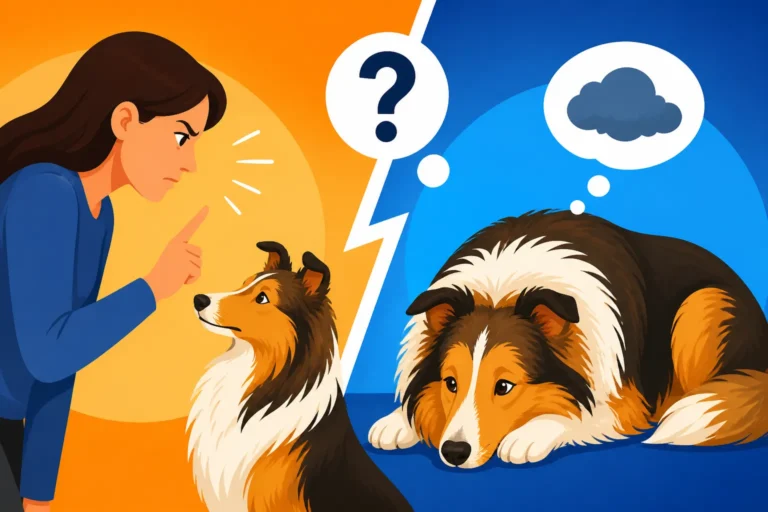
| Angry/Frustrated | Stiff posture, sharp movements, loud/harsh voice | Retreating, cowering, avoiding eye contact, subtle calming signals (lip licking, yawning), increased anxiety, hesitant to approach. |
Navigating Your Emotions for Your Collie's Well-being
Given how deeply sensitive Collies are to our emotions, it becomes clear that managing our own moods is not just for our benefit, but for theirs too. A stable, calm, and positive home environment is truly a gift to a Collie, fostering their confidence and overall happiness. It’s not about being perfect all the time, but about being mindful and taking proactive steps to support both your and your dog’s emotional health.
Cultivating a Calm Environment
Creating a calm and predictable environment goes a long way in ensuring your Collie feels secure. This means trying to maintain a consistent routine for feeding, walks, and playtime, which can significantly reduce a Collie's anxiety, especially those sensitive to change. While life can be unpredictable, striving for a sense of order helps your Collie feel grounded. Whether a Collie Needs a Predictable Routine delves into this in more detail.
It's also about managing sensory input within the home. Loud noises, constant arguments, or a chaotic atmosphere can be highly stressful for a sensitive Collie. Try to keep volume levels reasonable, and if you know there’s going to be a stressful event (like a party or construction work), plan ahead to create a safe, quiet space for your dog. This might involve a comfy crate in a back room with some calming music playing, or giving them a durable chew toy from a brand like Amazon to help them self-soothe. Providing these safe havens is crucial for their mental well-being, allowing them to retreat and decompress when the emotional energy in the house becomes too intense.
Think about the simple things, like how you greet them after work. Bursting through the door with a loud, excited yell might seem like fun, but a calmer, more controlled greeting can actually set a more relaxed tone for the evening. A quiet moment of connection before the hustle and bustle of dinner and walks can help them adjust to your presence and assess your mood without being overwhelmed. Consistency and quiet reassurance are often more beneficial than sudden bursts of energy, especially for a dog that picks up on every little shift in your demeanor.
Practicing Self-Awareness and Emotional Regulation
This is perhaps the hardest part for us humans, but also the most impactful. Becoming more aware of your own emotional state and learning to regulate it can profoundly benefit your Collie. Before you interact with your dog, especially during training or when addressing a behavior issue, take a moment to check in with yourself. Are you calm? Are you patient? Or are you carrying stress from other areas of your life?
If you find yourself feeling stressed or frustrated, it might be wise to take a short break before engaging with your Collie. A few deep breaths, a quick walk around the block (even without your dog), or listening to some calming music can help shift your mindset. Your Collie will benefit far more from a five-minute training session with a calm, present owner than a twenty-minute session with a tense, distracted one. Remember, your emotional state is contagious, and you want to be infecting your Collie with calm and confidence, not anxiety.
Consider situations where your Collie might trigger your own frustration, perhaps with a bout of barking or an accident in the house. Your immediate, emotional reaction can easily escalate their distress. Instead, if you can consciously choose a calm, measured response – redirecting the barking with a "quiet" cue or calmly cleaning up the mess without anger – your Collie learns that even when things go wrong, they are safe and loved. This consistent, emotionally regulated response builds a deep foundation of trust and security, which is vital for any sensitive dog like a Collie. How to Build Confidence in a Nervous Collie is essentially about building this trust.
Providing Mental and Physical Enrichment
While directly managing your own mood is key, remember that a well-exercised and mentally stimulated Collie is also better equipped to handle any fluctuations in your emotional state. A dog that is bored or has pent-up energy can be more prone to anxiety and reactivity, making them even more sensitive to your moods. Regular physical activity, appropriate for their age and health, is non-negotiable. How Much Exercise a Collie Needs Daily gives practical guidance here.
Beyond physical exercise, mental enrichment is incredibly important for such an intelligent breed. Puzzle toys, interactive games, and consistent, positive reinforcement training keep their minds engaged. Brands like BAXTER & Bella offer online training programs that can provide structured mental exercise, teaching new skills and reinforcing good behaviors. Even simple things like scent games around the house or learning new tricks through positive reinforcement can tire their brains out and leave them more relaxed and less prone to picking up on your every nervous twitch.
For instance, after a busy week where you might have been more withdrawn due to stress, dedicating extra time to an engaging activity with your Collie can help re-establish a positive emotional connection. A long, leisurely walk, a session of fetch with a favorite ball from Amazon, or even just sitting and brushing their beautiful coat while giving them gentle praise, can serve as a reset. These positive interactions reinforce your bond and counteract any negative emotional spillover from your own stresses. A well-rounded approach to their care ensures that both their physical and emotional needs are met, creating a more resilient and happy dog, regardless of what emotional rollercoasters life might throw your way.
Disclaimer
This article is for general informational purposes only and does not constitute professional advice. Laws, prices and regulations vary by location and change over time. Consult a qualified professional for guidance on your specific situation.