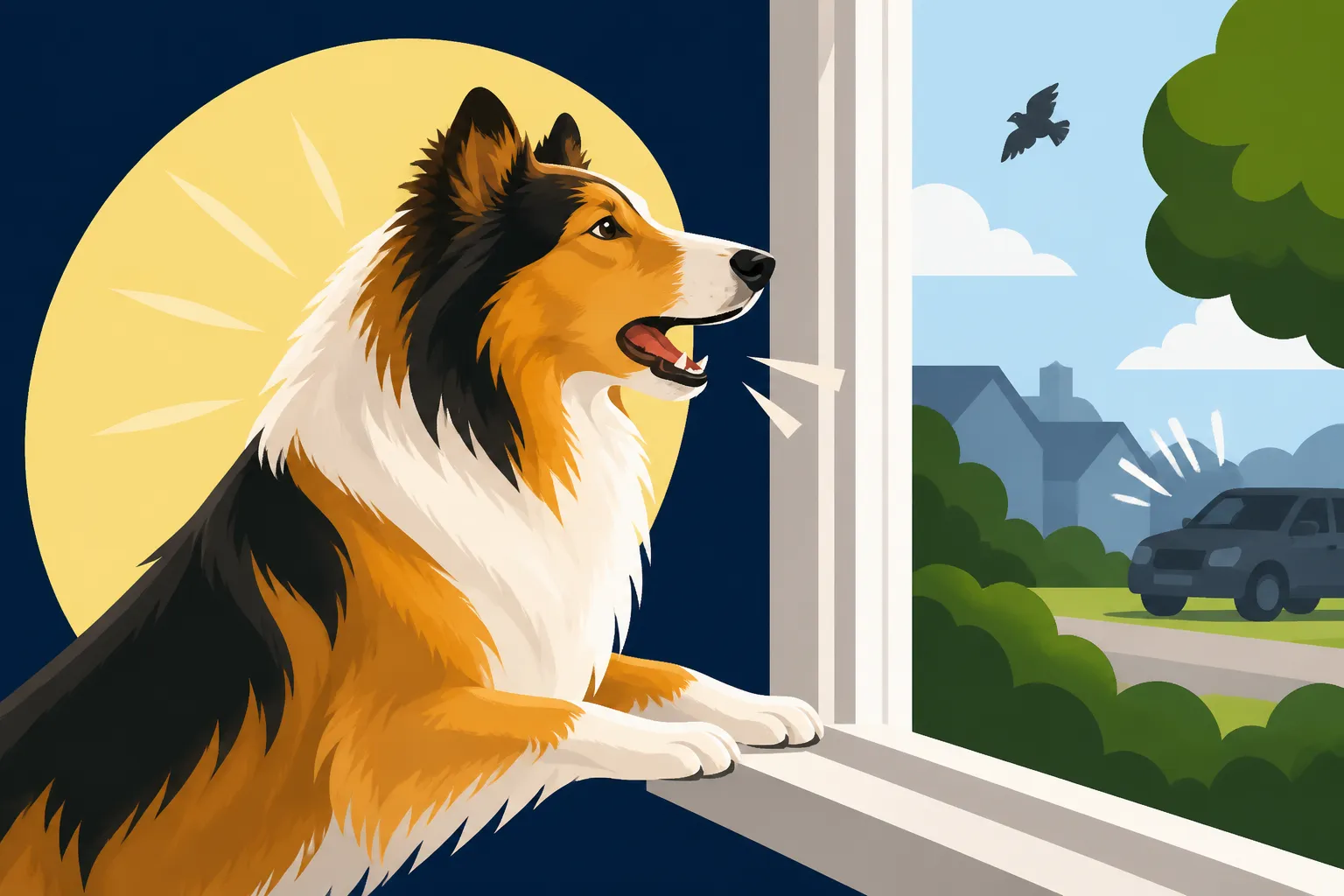
Whether a Collie Alerts to Everything Outside
It's a familiar scenario for many Collie owners: you're trying to enjoy a quiet moment, perhaps a cup of tea or a good book, when suddenly the silence is shattered by a piercing bark directed at seemingly nothing. That distant leaf blowing across the lawn, the neighbor's cat sauntering along the fence line, or even the faint whir of a garbage truck a block away can trigger a full-blown alert. This constant vigilance, while sometimes endearing, can quickly become frustrating, leading you to wonder if your beloved Collie is destined to bark at every single thing that happens outside. This guide will explore the Collie's natural inclination to alert, dissect the common triggers, and offer practical strategies to manage excessive barking, helping both you and your furry friend find a little more peace.
The Collie's Natural Alert Instinct
Collies, with their keen intelligence and inherent desire to work, are naturally observant dogs. This isn't just a quirky trait; it's deeply ingrained in their genetic makeup, stemming from centuries of selective breeding for a specific purpose. Understanding this fundamental aspect of their being is the first step in managing their tendency to alert to every outdoor occurrence.
The Herding Dog's Role in Vigilance
Think about the Collie's historical job: guarding flocks of sheep. A good herding dog wasn't just about moving sheep from one pasture to another; it was also about protecting them from perceived threats. This meant being constantly aware of their surroundings, noticing the slightest change in the environment—a shadow moving on the hillside, a strange smell carried on the wind, the distant sound of an approaching animal or person. Their survival, and the survival of the flock, depended on their vigilance. They needed to detect potential dangers early and communicate them, often through barking.
This ingrained instinct doesn't just disappear when a Collie moves from a Scottish pasture to your suburban living room. Their brains are still wired to be alert, to scan their territory, and to signal when something seems "off." So, when your Collie barks at the mail carrier, it's not necessarily disobedience; it's a manifestation of that ancient guardian instinct kicking in. They see someone approaching their flock (you and your family) and their territory (your home), and they feel compelled to announce it. This is also why many Collies make excellent watchdogs, even if their definition of a "threat" can sometimes be a bit broad. It's an important consideration when thinking about Whether a Collie Makes a Watchdog.
Understanding Their Sensory World
What seems like "everything outside" to us can be an incredibly complex tapestry of sensory information for a Collie. Their world is far richer in detail than ours, especially when it comes to sounds, sights, and smells.
- Sight: Collies have excellent eyesight, and their broad field of vision allows them to pick up subtle movements even at a distance. A tiny flicker of movement from a bird, a person walking a few houses down, or even a leaf swirling in the wind can catch their attention. Through a window, these visual cues can be distorted or appear sudden, making them seem more alarming. They might track a car driving by, only to bark when it disappears from view, signaling its "escape" from their watchful eye.
- Sound: A Collie's hearing is incredibly acute. They can pick up frequencies and distances that are completely imperceptible to human ears. While you might only hear the hum of traffic, your Collie could be distinguishing the specific rumble of a delivery truck, the jingle of keys from a neighbor, or the high-pitched whine of a bicycle chain. These sounds, particularly when unexpected or unfamiliar, become prime candidates for an alert bark. It’s no wonder that a dog with such a sensitive auditory system might find something to bark about even when you hear How Often a Collie Barks at Nothing.
- Smell: Perhaps the most underestimated of their senses, a Collie's sense of smell is astronomically more powerful than a human's. The scent of a rabbit that crossed the yard hours ago, the lingering odor of a visiting dog, or the subtle changes in air currents carrying new smells from down the street can all register as important information. Even if they can't see or hear something, a new scent can trigger an investigation and, subsequently, an alert. For a Collie, "outside" is a constantly evolving scent map, full of invisible details that demand their attention.
When all these sensory inputs combine, it's easy to see how their brain is constantly processing an overwhelming amount of information, leading to frequent alerts.
Common Triggers for Collie Alerts
Understanding the general sensory capabilities of your Collie is a great start, but let's dive into the specific types of stimuli that most commonly set off their alarm bells. It's often not "nothing"; it's something very specific to them.
Visual Stimuli and the Window Watcher
The window is often ground zero for a Collie's alert barking. It provides a constant, ever-changing movie of the outside world, perfectly designed to engage their vigilant nature.
- Pedestrians and Other Dogs: This is probably the most common trigger. A person walking their dog, a jogger, or even a child on a scooter can become the focus of intense scrutiny. Your Collie might watch intently, perhaps with a low growl, until the perceived "intruder" passes their invisible property line. Then, the barking often begins—a clear signal that they've seen something and want you to be aware. Some Collies become particularly agitated if another dog makes eye contact or barks back, escalating the situation. This can be especially challenging in busy neighborhoods where the parade of passersby is endless.
- Mail Carriers and Delivery People: These individuals are prime targets because they don't just pass by; they approach the house, sometimes even knocking or leaving packages. They are consistent, often arriving at similar times each day, which allows your Collie to anticipate their arrival and build up excitement (or anxiety). For your Collie, these aren't just people doing their job; they're repeated incursions into their territory. The distinct uniforms, the sound of the vehicle, and the purposeful approach can make them a significant, predictable trigger.
- Vehicles and Shadows: Cars driving by might seem mundane to us, but for a Collie, the flash of chrome, the shadow cast by a passing truck, or the glint of sunlight off a windshield can be enough to draw their attention. These moving objects, especially if they are large or make sudden movements, can be seen as potential threats or simply highly stimulating. A large shadow shifting across the lawn, perhaps from a tree branch swaying in the wind, might be interpreted as a lurking presence.
The frequency and proximity of these visual triggers directly impact how often your Collie barks. A house on a quiet cul-de-sac will likely experience less window barking than one on a busy main street. Setting up visual barriers like frosted window film or keeping blinds closed during peak "traffic" hours can sometimes help mitigate this constant visual assault.
Auditory Cues and the "Invisible Threat"
While visual triggers are easy for us to spot, auditory cues can be far more elusive and frustrating because we often can't hear what our Collies are reacting to.
- Distant Sounds: Remember your Collie's acute hearing? They can hear things you can't: the distant clang of a trash can being emptied two streets over, a car door slamming several houses away, or the faint whir of a leaf blower from across the subdivision. To them, these are distinct events happening within their perceived territory, and they feel obligated to report them. The problem is, by the time you investigate, the sound is gone, leaving you wondering Why a Collie Barks at seemingly nothing.
- Neighborhood Dogs Barking: Barking is contagious, especially among dogs in close proximity. If one dog in the neighborhood starts an uproar, your Collie might feel compelled to join in, either as a form of communication ("I hear you, I'm here too!") or as a response to the perceived threat that prompted the initial barking. This can quickly escalate into a neighborhood-wide chorus, making it difficult to pinpoint the original cause.
- Unfamiliar or Sudden Noises: A sudden gust of wind rattling a fence, a branch falling, a distant siren, or unexpected construction noise can all trigger an alert. These sounds, particularly if they are loud, sudden, or inconsistent, can be startling and perceived as potentially dangerous, prompting an immediate vocal response. The crackle of leaves underfoot from an unseen animal or the rustle of bushes can also lead to a startled bark.
Because you can't see the source of many auditory triggers, these are often the most difficult to address. Sometimes, using white noise machines or playing calming music indoors can help mask these external sounds, making them less prominent to your Collie.
Olfactory Alerts and the Scent Trail
While less immediate and dramatic than visual or auditory triggers, your Collie's powerful sense of smell plays a significant role in their overall awareness of the outside world, and can definitely contribute to alerting behavior.
- Scent of Other Animals: Imagine a detailed map of scents laid out in your yard, invisible to you but crystal clear to your Collie. A rabbit that hopped through hours ago, a neighbor's dog that peed on the fire hydrant, or even a raccoon that scuttled across the deck last night leaves a potent scent trail. Your Collie might catch a whiff of these lingering odors, especially if they're particularly strong or fresh. This discovery can lead to investigative sniffs, increased vigilance at a window, and sometimes, a series of alert barks as they try to pinpoint the unseen "intruder."
- Changes in the Environment: Subtle changes in the air, perhaps signaling an approaching storm, unusual activity at a neighbor's house, or even seasonal shifts that bring new plant or animal scents, can all register with your Collie. These aren't necessarily direct threats, but they represent a change in the status quo, which a vigilant herding dog will note and sometimes feel compelled to announce.
- Humans Passing By: Just like other animals, people leave scent trails. A strong scent of perfume, tobacco, or even just general human presence can linger. If your Collie catches a particularly interesting or unusual human scent that doesn't belong to a family member, they might follow it to the window or door, adding to their overall state of alertness. While a fresh visual might prompt immediate barking, a lingering scent can keep them on high alert long after the source has gone, leading to sporadic, seemingly unprovoked barks.
Addressing olfactory triggers can be tough, as you can't control what scents blow into your yard. However, ensuring your yard is clean, free of animal waste, and regularly checking for signs of wildlife can help reduce some of these potent scent markers.
Managing Excessive Alert Barking in Collies
The good news is that while Collies are naturally inclined to alert, excessive barking isn't something you just have to live with. There are many strategies you can implement to help your Collie learn when their vigilance is truly needed and when it's okay to let things go.
Environmental Management Strategies
The easiest way to reduce alert barking is to reduce your Collie's exposure to the triggers. This isn't about ignoring the problem, but about making it less overwhelming for your dog while you work on training.
- Visual Barriers: If your Collie is a dedicated window watcher, it's time to change the scenery. Consider applying frosted window film to lower panes that face busy areas. This allows light in but obscures vision. Alternatively, keep blinds, curtains, or drapes closed during times when barking is most frequent, like during school drop-off or the mail delivery. Some owners use tension rods to hang sheer fabric or lightweight blinds directly in the window frame, allowing you to choose how much the view is obscured. This simple step can significantly reduce the number of visual triggers that set off your dog.
- Designated "Safe Zones": Teach your Collie to settle in an area of the house where they can't see or hear as much outdoor activity. This might be a cozy bed in a hallway, a crate in a quiet room, or simply another room with fewer windows facing the street. Use positive reinforcement to make this space appealing—treats, toys, and gentle praise. When the mail carrier comes, gently guide your Collie to their safe zone and reward them for staying calm. This helps them understand that they don't have to be on alert duty all the time.
- Sound Masking: For those phantom barks at unseen auditory triggers, masking external sounds can be incredibly helpful. A white noise machine, a fan running, or even playing calming classical music or dog-specific relaxation tracks can help drown out the subtle sounds that set your Collie off. You can find many inexpensive white noise machines on Amazon that offer various sound options. The goal isn't to make your house soundproof, but to reduce the prominence of those fleeting, distant noises that pique your Collie's curiosity and protective instincts.
Training and Desensitization Techniques
Environmental management is excellent for immediate relief, but for long-term solutions, training is key. This is where you teach your Collie how to react differently to triggers.
- "Quiet" Cue Training: This is a fundamental command for any dog prone to barking. Start by intentionally triggering a low-level bark (e.g., knocking on the door lightly) and, the moment your Collie barks, hold a treat near their nose. The moment they stop barking to sniff the treat, say "Quiet!" and give them the treat. Repeat this many times. Gradually increase the duration they must be silent before getting the treat. Once they understand "Quiet," you can start applying it to real-life situations, rewarding them heavily for choosing silence over barking. This isn't about punishing barking, but about rewarding the absence of it. You can find excellent step-by-step guides on teaching this specific behavior, often available through online training programs. For example, BAXTER & Bella offers comprehensive online puppy training programs that cover foundational cues like "quiet" and can be adapted for older dogs, providing virtual support and resources. This is how you address Whether a Collie Can Be Taught a Quiet Cue.
- Desensitization and Counter-Conditioning: This involves gradually exposing your Collie to triggers at a low intensity while simultaneously associating the trigger with something positive. For example, if your Collie barks at people walking by, start by having someone walk far down the street, barely visible. The moment your Collie notices them (but before they bark), give them a high-value treat. As they remain calm, the person can get a little closer on subsequent attempts. The goal is for your Collie to see the trigger and think, "Oh, here comes a treat!" instead of "Intruder!" This requires patience and consistency.
- Redirection and Incompatible Behaviors: When a trigger appears, redirect your Collie's attention to an activity incompatible with barking. This could be a "go to your mat" command, playing with a favorite toy, or practicing another known trick. The idea is to give them something else to do that is mutually exclusive with barking. For instance, if the mail carrier approaches, instead of letting your Collie launch into a barking fit, immediately engage them in a game of fetch with their favorite ball away from the window, rewarding them for playing calmly.
Enrichment and Mental Stimulation
A bored Collie is often a barking Collie. Mental and physical exercise can significantly reduce anxiety and the likelihood of excessive alert barking. Remember Forty Five Minutes a Day, and Half of It in Its Head? That mental exercise is crucial.
- Puzzle Toys and Scent Work: Engaging your Collie's brain is just as important as exercising their body. Food puzzle toys, like those found on Amazon, require them to figure out how to get treats, providing mental stimulation. Scent work, where they use their powerful nose to find hidden treats or toys, is incredibly tiring and fulfilling for a Collie. Even simple hide-and-seek games with their favorite toy can burn mental energy.
- Regular Training Sessions: Short, fun training sessions throughout the day keep your Collie engaged and reinforce your bond. Working on new tricks, practicing obedience commands, or even just reviewing old ones can satisfy their desire to learn and work. These sessions count as valuable mental exercise and can prevent boredom-induced barking. Whether Training Sessions Count as a Collie's Exercise is a resounding yes!
- Adequate Physical Exercise: While Collies aren't typically extreme energy dogs like some other herding breeds, they still need regular physical activity. Daily walks, playtime in a secure yard, or even a session of fetch can help burn off excess energy that might otherwise be channeled into vigilant barking. A tired dog is often a quiet dog. Ensure they have enough appropriate outlets for their energy, both physical and mental, to prevent them from seeking "entertainment" in the form of constant alerts.
| Strategy Type | Approach | Example Actions | Benefits |
|---|---|---|---|
| Environmental Control | Reduce exposure to triggers | Frosted window film, closed blinds, designated quiet zones, white noise machine | Immediate reduction in alerts, less overwhelm for the dog |
| Behavioral Training | Teach alternative responses to triggers | "Quiet" command, desensitization, redirection, positive reinforcement | Long-term behavior change, builds dog's self-control |
| Enrichment | Meet physical and mental needs | Puzzle toys, scent games, regular exercise, structured training sessions | Reduces boredom, less anxiety, channels energy productively |
When to Seek Professional Help
While many cases of excessive alert barking can be managed with consistent effort and the strategies outlined above, there are times when a professional's guidance can be invaluable. Knowing when to reach out is key to resolving the issue effectively and maintaining harmony in your home.
Recognizing Problematic Barking
It's important to distinguish between normal, healthy alerting and truly problematic barking. All dogs bark, and a Collie, being a herding breed, will naturally have a stronger alerting instinct. However, if your Collie's barking is:
- Constant and Incessant: They bark at almost anything and everything for extended periods, even after the trigger has passed.
- Causing Stress to Your Dog: They appear highly agitated, stressed, or unable to settle down after barking episodes. Their body language might show tension, panting, or repetitive movements.
- Disrupting Your Household: It's preventing you from relaxing, working, or sleeping, or causing friction with neighbors.
- Difficult to Interrupt: Your attempts to stop the barking are largely ineffective, even with known cues like "Quiet."
- Accompanied by Other Issues: The barking is part of a larger pattern of anxiety, fear, aggression, or Whether a Collie Gets Separation Anxiety.
If you find yourself constantly frustrated, embarrassed by your dog's barking, or worried about your Collie's overall well-being, these are strong indicators that it might be time for more specialized help.
Consulting a Behaviorist or Trainer
For persistent or severe barking issues, a certified professional dog trainer or a veterinary behaviorist can provide tailored guidance and support. They have the expertise to assess the root cause of the barking, which might be more complex than simple vigilance.
- Comprehensive Assessment: A professional will observe your Collie's behavior, ask detailed questions about their history, daily routine, and the specific triggers. They'll look for underlying anxiety, fear, territorial aggression, or even medical issues that could be contributing to the barking. They can also help you understand nuances that you might have missed when thinking about The Bark Is the Trait Collie Owners Underestimate.
- Personalized Training Plans: Based on their assessment, they can develop a customized training plan that addresses your Collie's specific needs and your household's environment. This might involve more intensive desensitization protocols, behavior modification techniques, or even recommendations for medication if anxiety is a significant factor.
- Practical Guidance and Support: They can teach you effective handling techniques, demonstrate how to implement training exercises correctly, and provide ongoing support as you work through the challenges. For example, some online platforms, such as BAXTER & Bella, offer virtual consultations with trainers who can observe your dog's behavior in your home environment and offer real-time feedback and strategies. This kind of professional, accessible support can make a huge difference in managing ingrained barking habits and building confidence in both you and your Collie.
Remember, seeking professional help isn't a sign of failure; it's a responsible step towards ensuring your Collie lives a happy, well-adjusted life, and that your home remains a peaceful sanctuary for everyone.
Disclaimer
This article is for general informational purposes only and does not constitute professional advice. Laws, prices and regulations vary by location and change over time. Consult a qualified professional for guidance on your specific situation.