Whether a Collie Is Gentle With Babies
Bringing a new baby home is an incredibly exciting, yet often nerve-wracking, time for any family, especially when you have a beloved, loyal Collie already ruling the roost. Many new parents wonder if their gentle giant will truly be gentle enough with such a tiny, fragile newcomer, and how to ensure a smooth, safe transition for everyone involved. This guide is here to walk you through understanding your Collie's natural inclinations, preparing them for the big arrival, and fostering a loving, respectful relationship between your Collie and your baby for years to come.
The Collie Temperament: A Foundation for Family Life
Collies are renowned for their gentle, devoted, and intelligent nature, often making them excellent family companions. Their breed standard emphasizes a sweet, amiable disposition, and many owners describe them as having a deep sense of loyalty to their human "flock." However, like all dogs, individual personalities vary, and their protective instincts, stemming from their herding heritage, can manifest in ways that need careful guidance, especially around the smallest members of the family.
Understanding the Collie's Natural Instincts
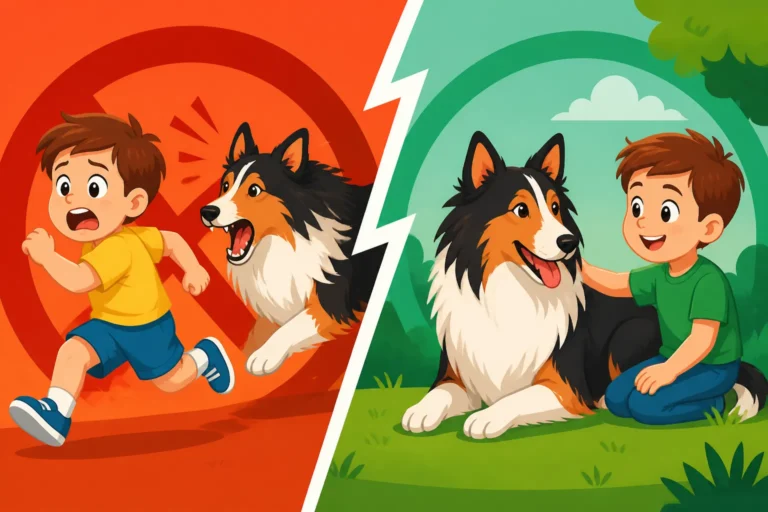
Collies, at their core, are herding dogs. While many modern Collies may never see a sheep, those instincts are still very much a part of who they are. This often translates to a desire to keep their family unit together and safe, sometimes by gently nudging or "gathering" people. With infants, this herding drive can be a double-edged sword. On one hand, it fosters a strong protective instinct; on the other, an unmanaged herding impulse might lead to attempts to "control" or "herd" a crawling baby, possibly with a nose nudge or a light nip at the heels. It's crucial for owners to understand this natural inclination and provide appropriate outlets and clear boundaries early on. This isn't aggression; it's instinct, and it needs redirection, not punishment.
Furthermore, Collies are naturally alert. They were bred to watch over their charges and alert the shepherd to potential dangers. This means they are often very aware of their surroundings and any changes within their environment. A new baby brings a whirlwind of new sights, sounds, and smells into the home, all of which your Collie will notice. They might perceive a crying baby as something needing their attention or protection, leading to barking or hovering. Understanding that these reactions come from their innate desire to monitor and protect can help you frame your responses with patience and guidance.
Sensitivity and Emotional Intelligence
One of the most defining characteristics of a Collie is their remarkable sensitivity and emotional intelligence. A Collie Reads a Room Better Than It Reads a Command, often picking up on subtle cues from their human family members, including shifts in mood, tone of voice, and even unspoken tension. This sensitivity means they can be deeply affected by changes in the household dynamic, and the arrival of a baby is arguably one of the biggest changes imaginable. A stressed or anxious owner can inadvertently transfer those feelings to their Collie, making the dog more anxious or unsettled.
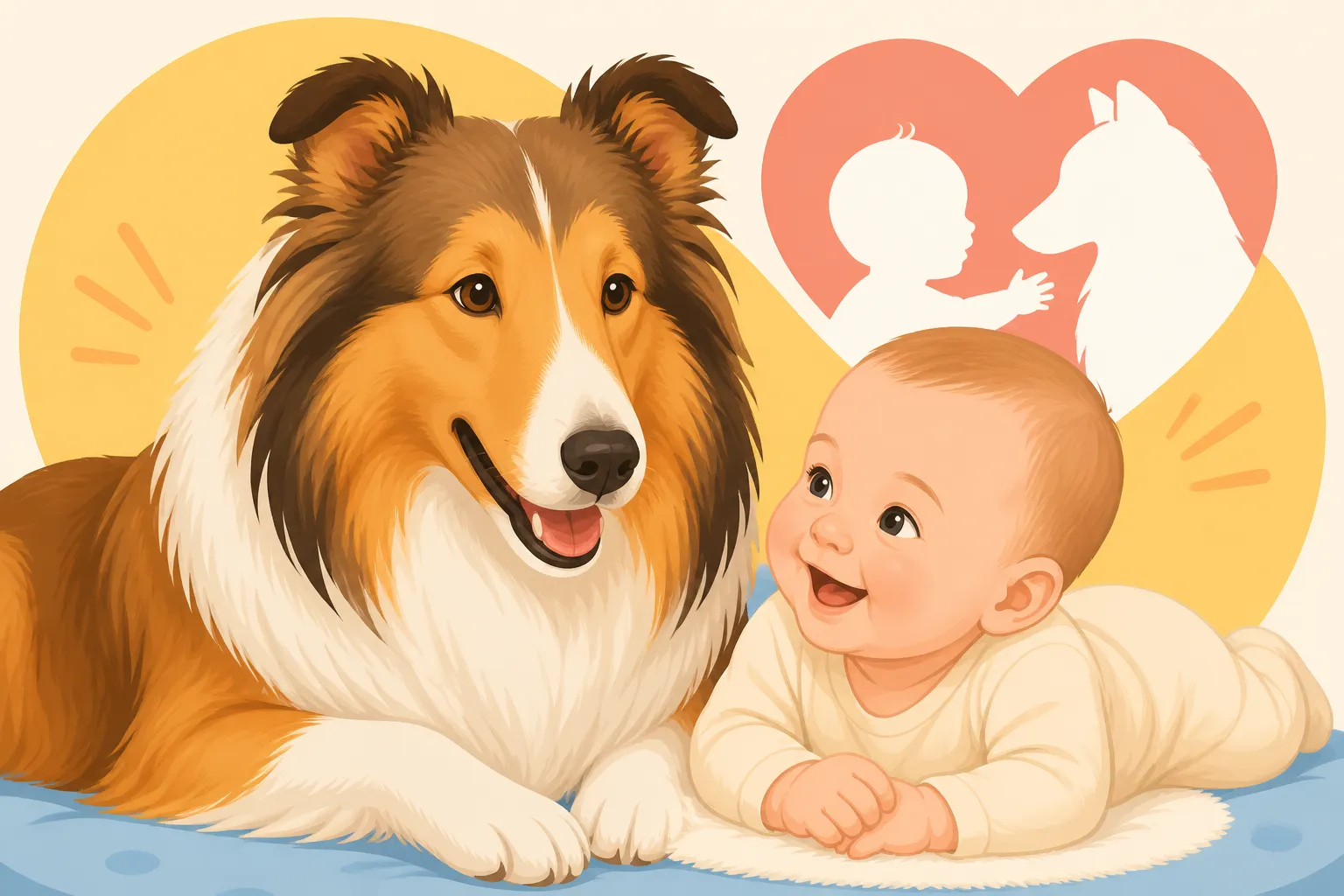
Their empathetic nature can be a huge asset when introducing a baby. Many Collies will naturally take on a protective, watchful role, often lying nearby as if guarding the crib or playpen. However, this same sensitivity means they can become withdrawn or anxious if they feel ignored or if the household becomes chaotic and unpredictable. Providing consistent reassurance, maintaining routines as much as possible, and ensuring they still receive individual attention are vital. This breed thrives on connection, and a sudden reduction in interaction can lead to feelings of displacement. Understanding Whether a Collie Is Sensitive to Household Tension can help you create a calmer environment for both your dog and your new baby.
Introducing Your Collie to a New Baby
The process of introducing your Collie to a baby doesn't begin when the baby comes home. It starts weeks, or even months, beforehand. Careful preparation is key to minimizing stress for your dog and ensuring a safe, positive first meeting. Thinking ahead and slowly acclimating your Collie to the changes a baby brings will set everyone up for success.
Pre-Arrival Preparations and Desensitization
Before the baby even arrives, start preparing your Collie for the inevitable changes. Begin by introducing baby-related scents. Bring home a blanket or an item of clothing the baby has worn from the hospital and let your Collie sniff it. Don't force the interaction; allow them to investigate at their own pace. You can also start using baby lotions, powders, and shampoos on yourself or even on a doll, so your Collie associates these new smells with positive experiences.
Sounds are another crucial element. Babies make all sorts of strange noises, from coos to sudden, piercing cries. Find recordings of baby sounds online and play them at a low volume, gradually increasing it over several days or weeks. Pair these sounds with positive reinforcement, like treats or praise, so your Collie learns to associate baby noises with good things. This desensitization can greatly reduce their alarm when the real thing happens. Consider investing in a white noise machine, often available on Amazon, to help mask some of the sudden baby noises and create a more consistent sound environment, both for the baby and your observant Collie.
It's also important to start adjusting routines. If your daily walks or feeding times are going to change significantly once the baby arrives, begin shifting them gradually now. This helps your Collie adapt without feeling the sudden shock of disruption. Set up baby equipment – cribs, strollers, changing tables – well in advance. Let your Collie explore these items under supervision, so they become part of the normal household landscape. Using baby gates, also readily found on Amazon, to block off certain areas, like the nursery, can help establish boundaries before the baby's arrival, allowing your Collie to get used to the restricted access.
The First Meeting: Calm and Controlled
The moment of the first introduction is critical. When you first return home from the hospital, arrange for someone else to greet your Collie first, giving them plenty of attention and affection. This helps your dog feel acknowledged and loved, rather than immediately displaced by the new arrival. Then, once your Collie has calmed down, you can introduce the baby.
The key here is a calm and controlled environment. Keep your Collie on a leash, or ensure they are securely behind a baby gate, during the initial introductions. Hold the baby in your arms, keeping them at a respectful distance from your Collie. Allow your Collie to sniff from a distance, or if they are calm, allow a gentle sniff of the baby's foot or blanket, never directly at the face. Praise and reward calm behavior heavily. It's not about forcing an interaction, but allowing a supervised, positive first impression. If your Collie seems overly excited or anxious, keep the session short and try again later. It's a marathon, not a sprint. Remember, Whether a Collie Learns From Watching Another Dog can be true of watching your calm demeanor and how you interact with the baby, setting a powerful example.
Supervising Interactions and Setting Boundaries
Even with the most well-behaved Collie, constant supervision and clear boundaries are absolutely essential when babies and dogs are sharing a space. This isn't just about preventing accidents; it's about fostering a respectful relationship where both child and dog feel safe and understood.
Active Supervision is Non-Negotiable
This is perhaps the most important rule: never, ever leave your Collie unsupervised with a baby, even for a second. Accidents happen in the blink of an eye, and even the most gentle dog can react unexpectedly to a sudden movement, a loud cry, or a perceived threat to a valuable resource (like a toy or their food bowl). Your Collie needs you to be their advocate and their supervisor. This means if you need to step away for any reason, your baby should be in a crib or playpen, or your Collie should be securely separated in another room or crated.
Active supervision isn't just about watching; it's about understanding your Collie's body language. Learn to recognize signs of stress, discomfort, or overstimulation in your dog. These might include lip licking, yawning, turning their head away, stiffening of the body, growling, or even just leaving the room. If your Collie displays any of these signs, it's a clear signal that they are uncomfortable and need space. Gently separate them from the baby and give them a quiet retreat. This is where Whether a Collie Should Be Supervised With Toddlers applies equally to infants, emphasizing that continuous, attentive oversight is paramount for safety and harmony in the home.
Teaching Respectful Behavior to Both Child and Dog
It's a two-way street when it comes to living harmoniously. While your Collie needs to learn appropriate behavior around a baby, as the baby grows into a toddler, they too need to learn how to interact respectfully with the dog. For your Collie, continue positive reinforcement for calm behavior around the baby. Reward them for lying quietly near the baby, for ignoring cries, and for maintaining appropriate distance. Consider teaching a "go to mat" or "place" command, which can be invaluable for directing your Collie to a designated safe spot when the baby is active on the floor or when you need a moment of hands-free interaction. Programs like BAXTER & Bella offer comprehensive online puppy training courses that can be adapted for adult dogs to solidify these foundational commands before a baby arrives.
As your baby grows, model gentle interactions. Guide your toddler's hand to "pet gently" and always supervise these interactions closely. Never allow tail pulling, ear grabbing, or climbing on the dog. Teach your child to respect the dog's space, especially when the dog is eating, sleeping, or retreating to its bed. A "doggy door" that leads to a crate or a separate room can give your Collie a much-needed escape from an energetic baby, ensuring they always have a safe haven. This proactive teaching helps prevent issues down the line and builds a foundation of mutual respect.
Long-Term Harmony: Growing Up Together
The early months are just the beginning. Nurturing a positive relationship between your Collie and your growing child requires ongoing effort, understanding, and adapting as both your dog and your child develop.
Continued Training and Reinforcement
The arrival of a baby shouldn't mean the end of your Collie's training. In fact, it's more important than ever to maintain their skills and provide mental stimulation. A well-exercised and mentally engaged Collie is generally a happier, calmer companion. Continue with regular walks, playtime, and short training sessions. Think about How Much Exercise a Collie Needs Daily and try to stick to that routine as much as possible, or find creative ways to incorporate it, even if it means a partner takes the dog out while you're with the baby. Puzzle toys, scent work, or even just practicing known commands can provide valuable mental enrichment.
Consistency is key. Regularly reinforce the boundaries you've set, whether it's staying out of the nursery without permission or going to their "place" when guests arrive. Praise and reward good behavior consistently. If you see signs of stress or an unwanted behavior emerging, address it calmly and immediately. Remember, What Motivates a Collie is often praise and connection with their owner, so use that to your advantage in maintaining good manners. Consider consulting a professional dog trainer certified in positive reinforcement methods if you encounter significant challenges. A neutral third party can offer invaluable insights and practical solutions tailored to your specific situation.
Recognizing Stress Signals in Your Collie
As your baby grows into a mobile toddler and then a curious child, the nature of their interactions with your Collie will change. What was once a static, sniffable object becomes a moving, unpredictable, and sometimes grabby creature. It is vital that you continue to monitor your Collie for signs of stress or discomfort. Dogs communicate through body language, and it's our responsibility as owners to learn their language.
A Collie might signal distress by:
- Averting their gaze: Looking away from the child.
- Lip licking or yawning: Often done out of context of eating or tiredness.
- Freezing: Becoming very still, almost rigid.
- Tucked tail or flattened ears: Clear signs of anxiety.
- Attempting to escape: Trying to leave the room or hide under furniture.
- Growling or snapping: These are late-stage warning signals that should never be ignored or punished, but rather seen as an indication that the dog is incredibly uncomfortable and needs space immediately.
It’s your job to intervene long before a growl or snap happens. If your Collie is consistently trying to avoid the child, it means they need more space and more management. Provide them with safe zones where the child cannot reach them, such as a tall dog bed, a crate, or a room behind a baby gate. Ensuring your Collie has a reliable retreat prevents them from feeling trapped or overwhelmed, which can lead to negative reactions. Understanding and respecting these signals is paramount to maintaining a safe and loving home for all members of your family, furry and otherwise.
| Pre-Baby Preparation Task | Why It Matters for Your Collie | How to Implement |
|---|---|---|
| Scent Introduction | Familiarizes Collie with new baby smells. | Bring baby blanket from hospital; use baby lotions on yourself. |
| Sound Desensitization | Reduces startling reactions to baby noises. | Play recordings of baby cries at low volume, paired with treats. |
| Routine Adjustment | Helps Collie adapt to new schedule. | Gradually shift walk/feed times weeks in advance. |
| Equipment Introduction | Normalizes baby gear as part of home. | Set up crib, stroller; allow supervised sniffing. Use baby gates. |
| Training Reinforcement | Ensures strong obedience for safety. | Practice "stay," "leave it," "place"; consider online courses like BAXTER & Bella. |
| Dedicated "Safe Space" | Provides a retreat from baby. | Designate a crate or bed where the dog can't be disturbed. |
Disclaimer
This article is for general informational purposes only and does not constitute professional advice. Laws, prices and regulations vary by location and change over time. Consult a qualified professional for guidance on your specific situation.