Whether a Collie Can Live With a Cat
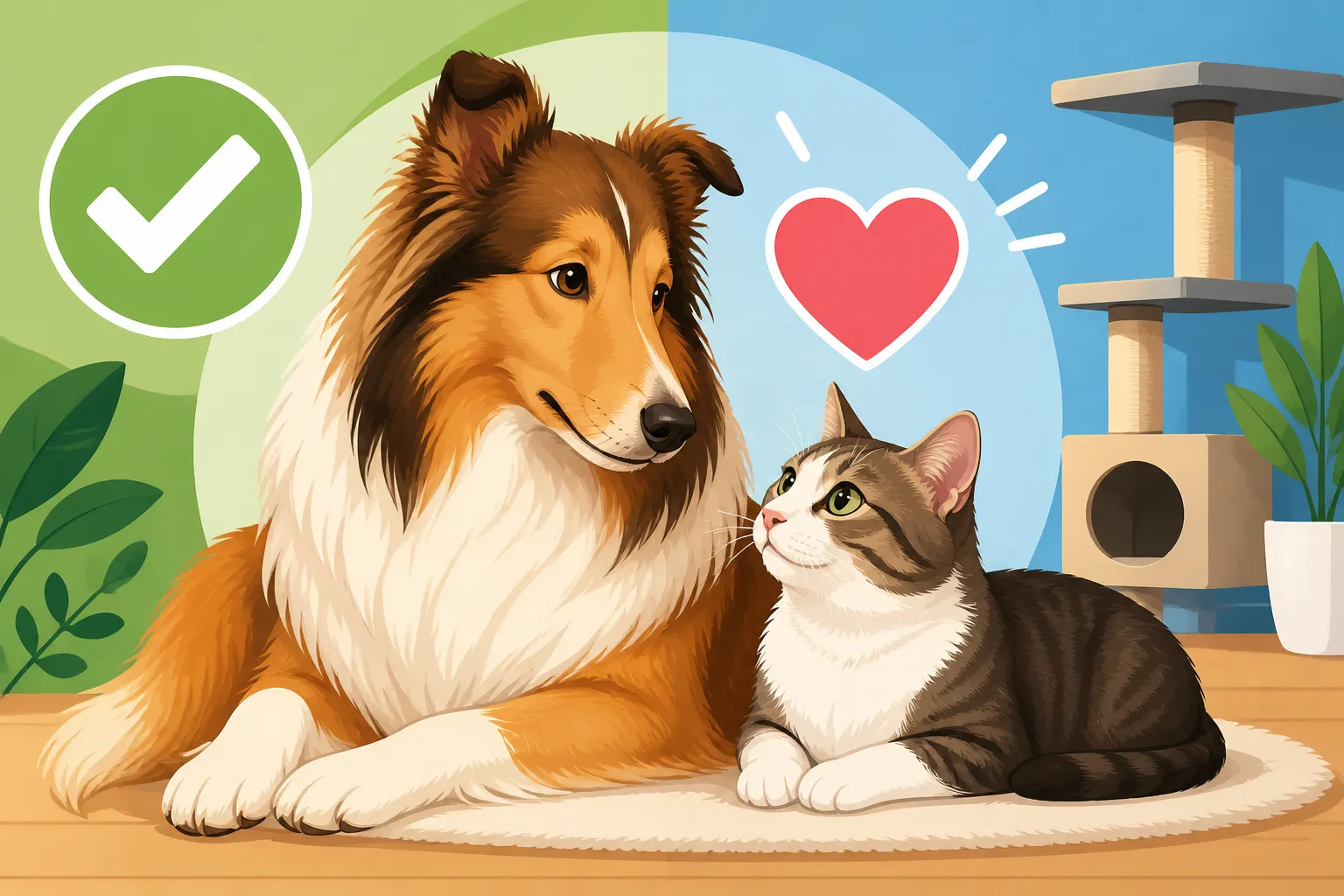
Bringing a new pet into a household that already has a furry resident can be a wonderfully enriching experience, but when you're talking about a quick-witted herding dog like a Collie and an independent feline, many owners rightfully worry about whether peaceful coexistence is even possible. The good news is that with careful planning, consistent training, and realistic expectations, a Collie and a cat can absolutely share a home, forming surprising bonds or at least a respectful truce. This guide will walk you through the essential steps and considerations for creating a harmonious multi-species household.
Understanding Your Collie's Innate Instincts
Before you even think about introductions, it’s crucial to wrap your head around what makes a Collie tick. These aren't just pretty faces with luxurious coats; they are intelligent, sensitive, and deeply ingrained with certain behaviors that can directly impact their relationship with a cat.
The Herding Drive and Its Implications
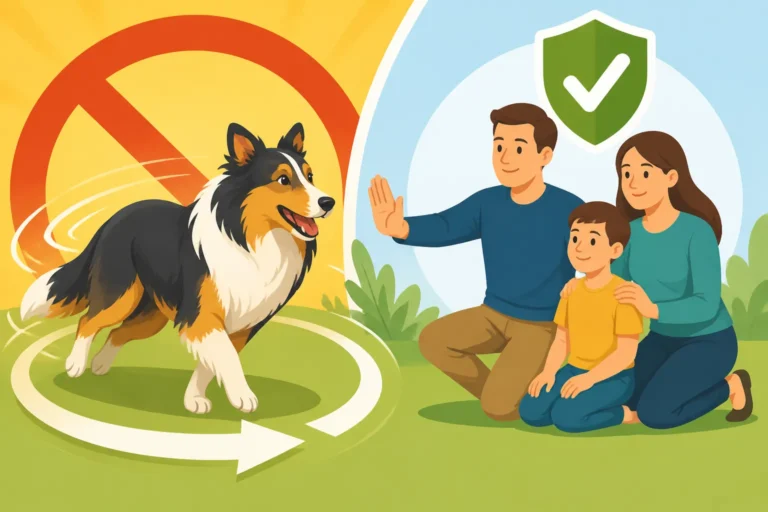
Collies, at their core, are herding dogs. Their ancestors were bred for centuries to gather and control livestock, often without direct human command. This instinct manifests as a strong desire to keep things together, to move things from one place to another, and often, to stop things from moving away. When you see your Collie meticulously rounding up the kids in the yard, or circling you when you're busy, that's the herding instinct at play.
Now, imagine this instinct applied to a small, fast-moving creature like a cat. A cat's natural reaction to a large, fast-approaching dog is often to run. And what does a running target trigger in a herding dog? More herding! This isn't necessarily aggression; it's instinct. Your Collie isn't trying to hurt the cat, but the cat certainly doesn't know that. A cat being "herded" might feel harassed, threatened, or simply annoyed, leading to stress, fear, and potentially defensive behaviors like scratching or hissing. Understanding this fundamental difference in their wiring is the first step toward managing their interactions. It’s also important to remember that A Collie Is the Rare Herding Dog That Does Not Need a Job, but their natural inclinations still need an outlet or management.
Distinguishing Between Prey Drive and Herding Drive
It's common for people to confuse herding drive with prey drive, but there's a significant difference, especially when it comes to living with a cat. Prey drive is the instinct to hunt, catch, and kill. While some herding breeds can have a notable prey drive, Collies typically have a lower, or at least a more controlled, prey drive compared to many other working breeds. Their historical role was to manage livestock, not to harm it.
However, a cat darting across a room can still trigger a chase response, which might feel very much like a prey drive to the cat. The Collie might not intend to kill, but the chase itself can be terrifying for the cat and lead to injuries if the cat tries to escape or fight. A Collie's chase, combined with barking or persistent staring, can be incredibly stressful for a feline. The key here is to intervene before the chase impulse takes over, and to teach your Collie that cats are not for herding or chasing. Whether a Collie Chases a Cat That Runs is a critical question, and the answer often depends on early socialization and careful management.
Setting the Stage for a Successful Introduction
The first impression can make all the difference when introducing a Collie to a cat. Rushing things or allowing negative experiences early on can set back your progress significantly. Patience, supervision, and proactive management are your best friends here.
The Importance of Slow and Controlled Introductions
You wouldn't throw two strangers into a room and expect them to become best friends instantly, right? The same goes for pets. A slow, carefully managed introduction process is absolutely vital. This isn't a one-day affair; it could take weeks, or even months, for both animals to feel comfortable and safe in each other's presence.
Start with scent swapping. Rub a towel on your cat and place it in your Collie's bed, and vice-versa. This allows them to get used to each other's smell in a non-threatening way. Next, move to brief, supervised visual introductions through a baby gate or a glass door. Keep these sessions short and positive, ending before either animal shows signs of stress. Reward calm behavior from your Collie with high-value treats and praise, and ensure your cat has easy escape routes and positive reinforcement for simply tolerating the dog's presence. Consider utilizing online training resources, like those offered by BAXTER & Bella, which often provide structured guidance for introducing new pets and managing common behavioral challenges with positive reinforcement methods. These programs can be invaluable for teaching your Collie the impulse control necessary for peaceful cat interactions.
Creating Safe Zones for Your Cat
One of the biggest anxieties for a cat living with a dog is the feeling of being trapped or vulnerable. Your cat needs to have absolute certainty that there are places where the dog simply cannot reach them. This isn't just about comfort; it's about their fundamental sense of security.
Invest in cat trees, shelves, or other vertical spaces that are tall enough for your cat to be well out of your Collie's reach. Designate a "cat-only" room, even if it's just a laundry room or a spare bathroom, accessible only to the cat via a cat flap or a baby gate set high enough for the cat to slip under but too low for the Collie to jump over. Food and water bowls for your cat should be placed in these elevated or secluded areas. Many pet parents find excellent multi-level cat trees and pet gates on Amazon that are perfect for creating these essential safe havens. This provides your cat with an immediate escape route and a place to relax without constantly worrying about the Collie's presence. Remember, a cat that feels safe is less likely to react defensively or aggressively.
Training Your Collie for Calmness
Your Collie's behavior is the primary variable you can control in this equation. Strong obedience and impulse control are non-negotiable for a successful interspecies household. Your Collie needs to understand that "leave it" applies to the cat, and "stay" means staying put even when the cat saunters by.
Focus intensely on commands like "leave it," "drop it," "stay," and "settle." Practice these commands regularly, starting in low-distraction environments and gradually increasing the challenge. Reward calm behavior around the cat lavishly. If your Collie gets too excited or starts to stare intently at the cat, calmly redirect their attention to a toy or a training exercise. This teaches your Collie that calm, non-interactive behavior around the cat earns rewards, while chasing or fixating does not. Positive reinforcement is key here; never punish your Collie for showing interest in the cat, but rather, consistently reward them for making good choices. You'll find that Whether a Collie Can Be Taught to Stop Herding is largely dependent on this kind of dedicated training.
Daily Life and Ongoing Management
Even after successful introductions, maintaining harmony between a Collie and a cat requires ongoing vigilance and consistent management. It’s not a one-and-done situation; you'll be a mediator and a guardian of peace for the foreseeable future.
Supervised Interactions and Redirection
In the early stages, all interactions between your Collie and cat should be supervised. This means you are actively present, observing their body language, and ready to intervene at a moment's notice. Keep a leash on your Collie during these supervised times, or have a ready supply of high-value treats to redirect attention. If your Collie starts to fixate, bark, or initiate a chase, immediately interrupt with a verbal cue ("leave it!") and redirect their attention to a toy or a short training exercise. Reward heavily when they comply.
Over time, as both animals become more comfortable, you can gradually increase unsupervised time, but always start small and observe their behavior closely. Never leave them alone together if there's any history of tension or fear. Remember, How a Collie Treats a Cat can range from complete indifference to a playful (but still potentially overwhelming for the cat) interest, so constant assessment of their dynamic is crucial.
Separate Feeding and Resources
Food aggression or resource guarding is a common source of conflict in multi-pet households. To avoid any tension, always feed your Collie and your cat in separate locations. This means the cat’s food should be somewhere the Collie cannot access it, like an elevated surface or a room with a cat flap. This not only prevents potential arguments over food but also ensures your cat actually gets to eat their meal in peace without a large, furry presence hovering nearby.
Water bowls are usually less contentious, but if you notice your Collie guarding the communal water, consider having multiple water sources for both animals in different areas of the house. Toys can also be a point of contention. Provide your Collie with their own designated toys and ensure your cat has their own special toys that aren't of interest to the dog. By minimizing competition over vital resources, you reduce a major source of potential conflict.
Exercise and Mental Stimulation for Your Collie
A tired dog is a well-behaved dog, and this rings especially true for an intelligent and energetic breed like the Collie. A Collie that isn't receiving adequate physical and mental stimulation is more likely to be restless, bored, and therefore, more prone to fixating on or bothering the cat.
Ensure your Collie gets their daily quota of exercise, whether it's long walks, fetch sessions in the yard, or playtime at a dog park. But don't forget the mental exercise! Collies thrive on mental challenges. Puzzle toys, scent work, obedience training, and learning new tricks can be just as tiring, if not more so, than physical activity. Think about interactive feeders available on Amazon that make your Collie work for their meal, engaging their brain. A mentally and physically satisfied Collie is far less likely to turn their herding instincts or excess energy towards the family feline. As we often say, Forty Five Minutes a Day, and Half of It in Its Head is a good guideline for keeping a Collie content.
Realistic Expectations and Troubleshooting
Despite your best efforts, sometimes things don't go exactly as planned. It's important to have realistic expectations and to know when to seek professional help or, in rare cases, when to admit that a particular pairing simply isn't working.
Not Every Match Is Made in Heaven
While many Collies and cats can learn to live together, it's not a guarantee. Factors like the individual personalities of both animals, their prior experiences, and their ages can all play a significant role. A confident, dog-savvy cat might tolerate a playful Collie puppy better than a timid, elderly cat. Similarly, a Collie raised with cats from puppyhood might be more accepting than an adult Collie with no prior cat exposure and a strong chase drive.
It's okay if your Collie and cat don't become best friends. For many households, a respectful tolerance where they simply coexist peacefully is a huge success. They might ignore each other, or the cat might choose to spend most of their time in elevated spaces, and that’s perfectly fine. The goal is safety and low stress for both animals, not necessarily a heartwarming viral video moment. Remember that how a Collie learns to trust can be a long process, and it applies to other species too. Whether a Collie Is Patient With Visiting Children might give you an idea of their general tolerance levels.
Recognizing Warning Signs
Being able to read your pets' body language is critical for preventing conflicts. Learn to recognize the subtle (and not-so-subtle) signs of stress, fear, or over-excitement in both your Collie and your cat.
| Animal | Signs of Stress/Discomfort | Signs of Over-Excitement/Problematic Behavior |
|---|---|---|
| Collie | Lip licking, yawning (out of context), whale eye (showing whites of eyes), tense body, ears flattened back, tail tucked, panting, retreating | Persistent staring, barking, nipping, circling, obsessive following, lunging, raised hackles, stiff body, low growl |
| Cat | Hissing, spitting, growling, ears flattened, tail puffed up, crouching, dilated pupils, frantic grooming, hiding, retreating | Swatting (with claws out), defensive bites, chasing the dog back aggressively, blocking dog's path |
If you consistently see these warning signs, it means the current management strategy isn't working, and you need to dial back the introductions or increase supervision. Ignoring these signals can lead to escalation and potential injury. Whether a Collie Should Be Supervised With Toddlers applies here too – you're dealing with two different species who need careful monitoring.
Seeking Professional Help
If you've implemented all the strategies above and are still struggling, or if you're witnessing true aggression (bites, fights, sustained chasing with intent to harm), it's time to call in the professionals. A certified professional dog trainer or a veterinary behaviorist can assess your specific situation, identify the root causes of the conflict, and provide a tailored plan. They can help you implement more advanced training techniques, manage environments more effectively, and even recommend medication in severe cases of anxiety or aggression. Don't hesitate to seek help; a professional intervention early on can often save a multi-pet household and ensure the safety and well-being of all your furry family members. How Long a Collie Copes Alone can become a significant factor if stress levels are high when you're not home, emphasizing the need for professional guidance.
Disclaimer
This article is for general informational purposes only and does not constitute professional advice. Laws, prices and regulations vary by location and change over time. Consult a qualified professional for guidance on your specific situation.