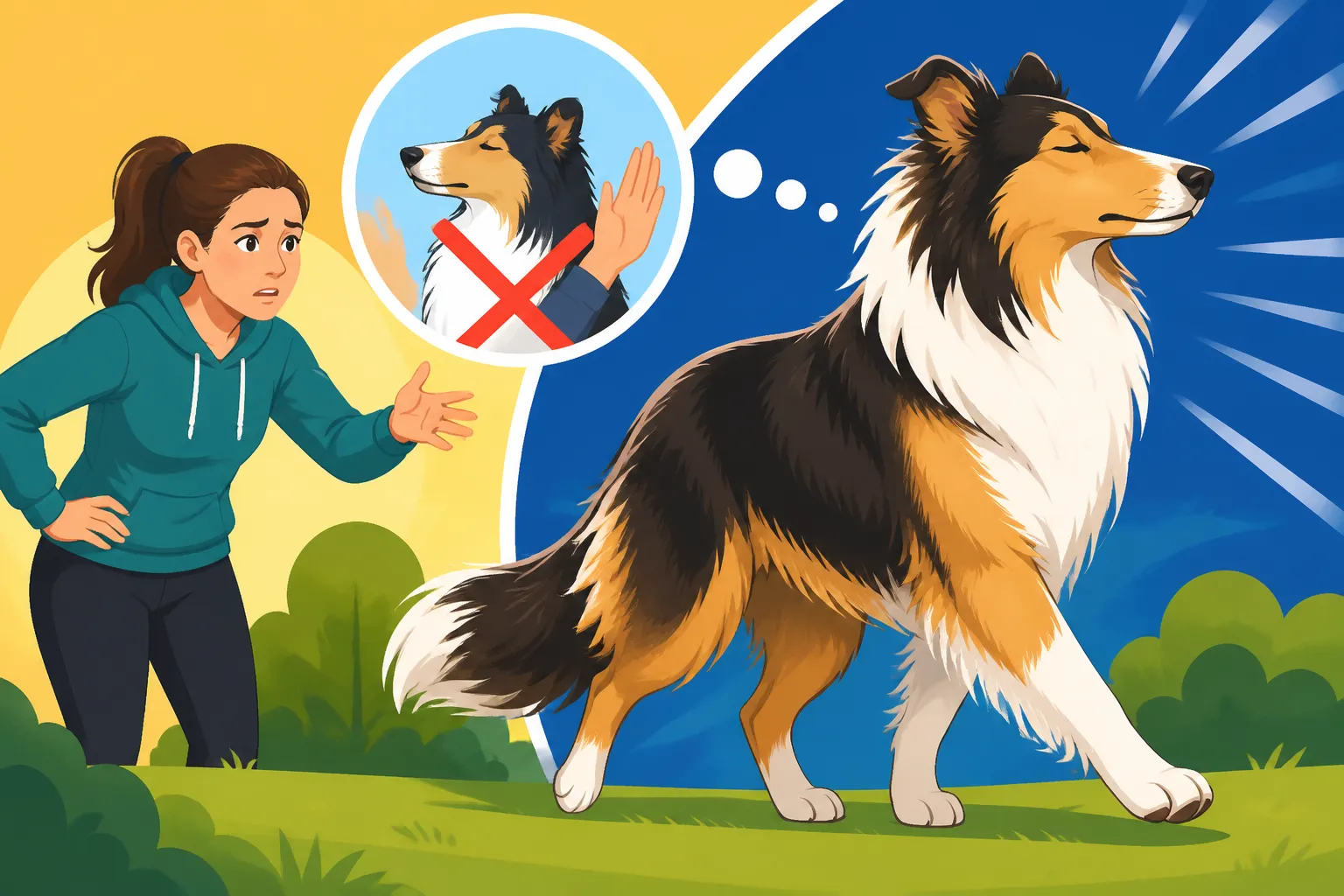
When an Adolescent Collie Stops Listening
Ah, the adolescent Collie! It's a phase that can truly test your patience, making you wonder if all those hours of puppy training simply vanished into thin air. One day your sweet, eager-to-please pup is acing "sit" and "stay," and the next, it feels like they've developed selective hearing, ignoring your calls as they chase a squirrel or simply choose to stare blankly into the middle distance. This guide is here to walk you through why your adolescent Collie suddenly seems to have stopped listening, what’s really going on in their fluffy heads, and how you can gently guide them back to being the cooperative companions you know and love.
The Reality of Collie Adolescence: It's More Than Just "Forgetting"
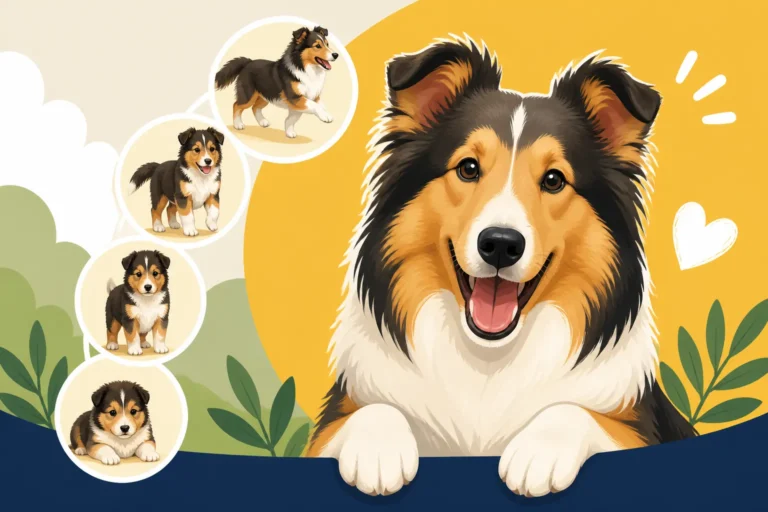
If you're tearing your hair out because your once-obedient Collie puppy now acts like a rebellious teenager, take a deep breath. You're not alone, and your dog isn't suddenly stubborn or unintelligent. This period of adolescence, often hitting between 6 to 18 months, is a very real, biologically driven phase that every dog, including our sensitive Collies, goes through. It's a challenging time, but understanding the underlying reasons can help you navigate it with more patience and less frustration.
Understanding the Canine Teenage Phase
Just like human teenagers, adolescent dogs are undergoing a whirlwind of physiological and neurological changes. Their hormones are surging, leading to increased independence and a strong desire to explore the world around them – often with less regard for your suggestions. Crucially, their brains are still developing. The prefrontal cortex, responsible for impulse control, decision-making, and assessing consequences, isn't fully mature. This means they might genuinely struggle to inhibit a sudden urge to chase a rabbit or greet a new dog, even if they know the "come" command.
Think of it this way: your Collie knows the command, but their brain's ability to prioritize your request over a sudden, exciting distraction is still under construction. It's not a malicious act of defiance; it's often an immature brain struggling to cope with a stimulating world and new hormonal urges. Validation is key here – it's incredibly frustrating when your dog seems to "unlearn" everything, but recognizing it as a developmental stage rather than a personal affront can shift your perspective dramatically. They aren't trying to annoy you; they're simply being a dog navigating a very complex period of growth.
Why Collies Seem to "Stop Listening"
Our Collies are particularly intelligent and sensitive souls, which can make adolescence an even more nuanced experience. While their intelligence means they pick up commands quickly as puppies, their sensitivity means they can also shut down or become more wary if training becomes overly harsh or inconsistent during their teenage months. A Collie's nature is to please and to work in partnership, but an adolescent Collie will also test boundaries and explore its own agency. They're trying to figure out where they fit in the pack and how much they can get away with.
During this phase, everything external becomes incredibly interesting. The scent of a rabbit trail is far more compelling than your voice calling their name from afar. The sight of another dog across the park feels like an urgent social obligation that overrides any previous training. This isn't just a lapse in memory; it's a recalibration of priorities driven by their developmental stage. Furthermore, if you've been relying heavily on rote commands without truly building engagement and a strong relationship, an adolescent Collie will quickly find more rewarding things to do. They might remember the command, but they might not see the immediate benefit in obeying you when the world offers so many exciting alternatives. It's also vital to remember that Collies, more than some breeds, can be deeply affected by negative interactions. Harsh Handling Breaks a Collie and It Does Not Come Back, and during adolescence, a heavy hand can easily damage the trust and willingness to engage you've worked so hard to build.
Re-Engaging Your Adolescent Collie: Strategies That Work
So, what's a frustrated Collie owner to do? The good news is that this phase is temporary, and with the right approach, you can reinforce good habits and strengthen your bond. The key is to be patient, consistent, and creative in your training, remembering that your Collie is still the wonderful dog you love, just with a few temporary "teenager" quirks.
Doubling Down on Positive Reinforcement Training
When your Collie seems to ignore you, it's tempting to get frustrated, but this is precisely when you need to lean hard into positive reinforcement. Go back to basics, even if it feels like you're starting from scratch. Think of it as proofing their skills in a more challenging mental state.
- Short, frequent sessions: Adolescent Collies have shorter attention spans, especially with all the new stimuli bombarding them. Aim for 5-10 minute training bursts several times a day rather than one long, tedious session. This keeps them engaged and prevents boredom or frustration.
- High-value rewards: Those boring kibble treats might not cut it anymore. What does your Collie absolutely adore? Think small pieces of cooked chicken, cheese, hot dogs, or a favorite squeaky toy. These powerful motivators will help your Collie realize that listening to you is incredibly rewarding. I often keep a small pouch of high-value treats from brands available on Amazon, ready for impromptu training moments during walks.
- Rebuilding motivation: If your Collie is ignoring a command, don't repeat it endlessly. Instead, make it easier for them to succeed. If they're blowing off their "come" command outdoors, practice it indoors first with no distractions, lavishly rewarding them for success. Then gradually introduce distractions, always setting them up to win. Online training programs, like those offered by BAXTER & Bella, often have structured approaches to help navigate this regression, providing step-by-step guidance on how to re-engage your dog. Remember, What Motivates a Collie is often connection and positive feedback, not correction.
Managing the Environment to Set Them Up for Success
You can't control your Collie's hormones or brain development, but you can control their environment. This is crucial for successful adolescent training.
- Reduce distractions: If your Collie can't resist chasing squirrels in the park, then practice recall on a long line in a securely fenced area or a quieter location. Don't set them up to fail by expecting perfect obedience in highly distracting environments before they're ready. Gradually introduce distractions as their focus improves.
- Proofing behaviors: Once your Collie is reliably performing a command in a calm environment, start practicing it in different locations, with different levels of distraction, and with different people present. This process, called proofing, generalizes the behavior so your Collie understands the command applies everywhere, not just in your living room.
- Importance of consistent routine: Collies thrive on routine and predictability. During adolescence, a solid schedule for walks, meals, and training can provide a sense of security and help them anticipate what's expected. A Collie Needs a Predictable Routine can significantly reduce anxiety and boundary-pushing, as they know what's coming next and when they'll get their needs met.
Increasing Mental and Physical Stimulation
A bored adolescent Collie is often a "misbehaving" one. These intelligent dogs need more than just physical exercise; their minds need a workout too.
- Brain games and puzzle feeders: Ditch the bowl for meals! Use puzzle feeders, snuffle mats, or hide their kibble around the house for them to "hunt." This engages their natural foraging instincts and provides valuable mental enrichment. You can find a huge variety of these brain games on Amazon.
- New places, new smells: Instead of the same old route, explore new parks, trails, or even quiet urban areas. Novel smells and sights are incredibly stimulating for a dog's brain. Even a half-hour walk in a new environment can be as tiring as a much longer walk on a familiar path. Remember, Forty Five Minutes a Day, and Half of It in Its Head suggests a good portion of your Collie's daily activity should be mental.
- Try new sports or activities: Collies excel in a variety of dog sports. Consider introductory classes for scent work, rally, or obedience. Whether a Collie Takes to Scent Work is a popular question, and the answer is usually a resounding yes! Scent work is fantastic for mental stimulation, building confidence, and strengthening your bond, and it's less physically demanding than some other sports. Even just teaching new tricks at home can make a huge difference in their engagement and focus.
Common Adolescent Collie Challenges and How to Address Them
The "stopped listening" phase often manifests in specific ways unique to the adolescent Collie. Knowing what to expect and how to gently guide them through these challenges can save you a lot of headaches.
Barking and Alerting Everything
Many Collie owners discover that their adolescent dog suddenly finds its voice – and uses it often. What started as an occasional "woof" at the mailman can escalate into an insistent bark at every leaf blowing past the window, every pedestrian, or every sound from the neighbors. This is often a combination of increased territoriality and a more developed watchdog instinct. Why a Collie Barks can be complex, ranging from boredom to alerting to genuine threats.
- Manage the environment: Block off access to windows where they can see triggers, or use frosted film.
- Identify triggers: Keep a log of when and what your Collie barks at. This helps you anticipate and manage situations.
- Teach a "quiet" cue: This is essential. When your Collie barks, acknowledge it ("Thank you!"), then reward them for being quiet. Start with short periods of silence and gradually increase them. Whether a Collie Can Be Taught a Quiet Cue is definitely possible with consistent training. When they bark, calmly approach, and once there's a pause in barking, even for a second, say "Quiet" and give a treat. The goal isn't to stop all barking (it's natural!), but to teach them when to stop.
Herding Nips and Boundary Testing
It's common for the inherent herding instinct to become more pronounced during adolescence. This might mean your Collie starts circling family members, especially children, or nipping at heels in an attempt to "gather" them. This is not aggression; it's instinct. Why a Collie Herds Your Children is because they see them as a "flock" that needs managing.
- Redirection: Provide appropriate outlets for this instinct. A flirt pole (a pole with a lure on a string) can be a fantastic way to engage their chase drive in a controlled, safe manner. You can find these on Amazon.
- Teach an alternative behavior: If they start to nip or circle, immediately redirect them to a toy, a chew, or a calm "sit" or "down" command. Reward heavily for choosing the appropriate behavior. Whether a Collie's Herding Instinct Can Be Redirected is a common concern, and with consistent effort, it certainly can be. Enroll in a basic obedience class to channel that energy into productive work.
- Supervise with children: Always supervise interactions between an adolescent Collie and young children, teaching both the dog and the children appropriate ways to interact.
Separation Anxiety and Velcro Tendencies
Collies are known for their deep bonds with their families, often earning them the nickname "Velcro dogs" for how closely they stick to their people. While endearing, adolescence can sometimes amplify this, leading to signs of separation anxiety if not managed carefully. Whether a Collie Bonds to One Person is a common experience, but they can and should be comfortable with other family members and, crucially, with being alone for reasonable periods. How Long a Collie Can Be Left Alone depends heavily on individual training and temperament.
- Practice alone time gradually: Start with very short absences, even just stepping out of sight for a minute or two, then returning before your Collie becomes anxious. Gradually increase the duration.
- Create a "safe space": A crate, a specific bed, or a designated room can become a comfortable den for your Collie. Give them a durable chew toy or a puzzle feeder when you leave to associate alone time with positive experiences.
- Avoid big goodbyes/hellos: Make your departures and arrivals low-key. A calm entrance and exit can help reduce the emotional intensity around your leaving and returning.
- Desensitize to departure cues: Pick up your keys, put on your shoes, or grab your bag multiple times a day without actually leaving. This helps your Collie associate these cues with normal activities rather than impending abandonment.
Maintaining the Bond Through the Teenage Years
Adolescence in a Collie can feel like a marathon, not a sprint. There will be good days and bad days, moments of pure brilliance followed by baffling regressions. But remember, this phase is temporary, and your steady, understanding presence is the most important thing for your dog.
Patience and Consistency are Key
More than anything else, surviving – and thriving – through Collie adolescence requires an enormous amount of patience and unwavering consistency. It's easy to get frustrated when your dog acts like they've never heard a command before, but losing your temper will only set you back further with a sensitive breed like the Collie. They are highly attuned to your emotions; Whether a Collie Is Sensitive to Household Tension is a definite yes, and harshness can create fear and resentment, damaging the very bond you're trying to strengthen.
Maintain your routine, stick to your positive reinforcement methods, and be consistent with your expectations and rules. If "off the couch" means "off the couch," it needs to mean it every single time, from every single family member. Inconsistency is a teenager's best friend because it creates loopholes they'll gladly exploit. Think of yourself as their benevolent, unwavering leader who guides them gently but firmly, rather than a dictator who punishes mistakes. Every "mistake" in adolescence is an opportunity to re-teach and reinforce.
Seeking Professional Guidance if Needed
Sometimes, despite your best efforts, you might feel overwhelmed by your adolescent Collie's behavior. This is perfectly normal, and there's absolutely no shame in seeking help. In fact, it's a sign of a responsible and caring owner.
- Certified Professional Dog Trainers (CPDT-KA): These professionals can offer invaluable guidance, helping you understand your Collie's specific behaviors and develop a tailored training plan. They can observe your interactions and pinpoint areas where communication might be breaking down.
- Breed-specific knowledge: Look for a trainer who has experience with herding breeds or Collies specifically. They'll understand the nuances of their temperament and instincts.
- Online resources and communities: Platforms like BAXTER & Bella provide virtual training options and access to professional trainers, which can be incredibly helpful for troubleshooting specific issues or getting a fresh perspective. Many Collie clubs also have resources and mentors who can offer advice. Don't let pride stop you from reaching out; a little professional input can make a world of difference in your and your Collie's journey through this challenging but rewarding stage.
Navigating Collie adolescence is a journey, not a destination. It’s filled with regressions and breakthroughs, silly moments and frustrating ones. But with understanding, patience, and a consistent approach rooted in positive reinforcement, you’ll help your beloved Collie grow into a well-adjusted, confident adult who truly listens.
Disclaimer
This article is for general informational purposes only and does not constitute professional advice. Laws, prices and regulations vary by location and change over time. Consult a qualified professional for guidance on your specific situation.