Whether a Collie Tolerates Rough Handling
Collie tolerance for rough handling involves sensitivity, fear, and anxiety caused by harsh training methods and dominance.
Work with the temperament you have.
House-training and crate work, recall, leash manners, separation anxiety, and the behaviors this breed is wired for.
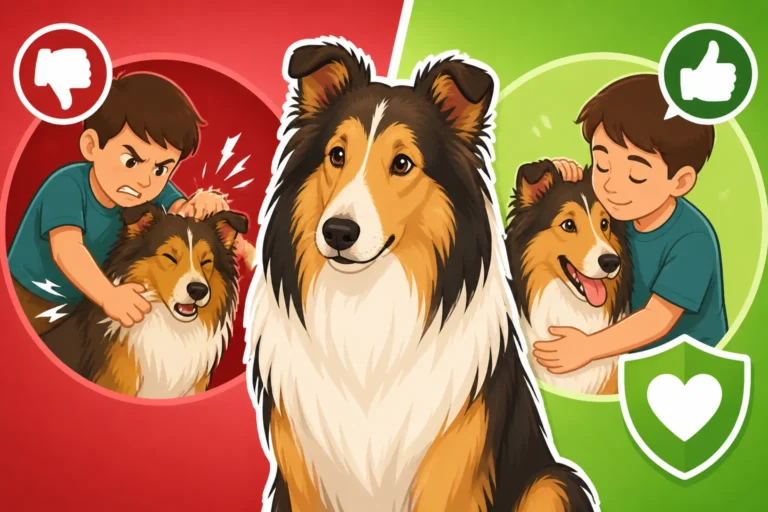
Collie tolerance for rough handling involves sensitivity, fear, and anxiety caused by harsh training methods and dominance.

Collies and teenagers interacting in one home requires understanding sensitive dog temperaments and fluctuating adolescent schedules.
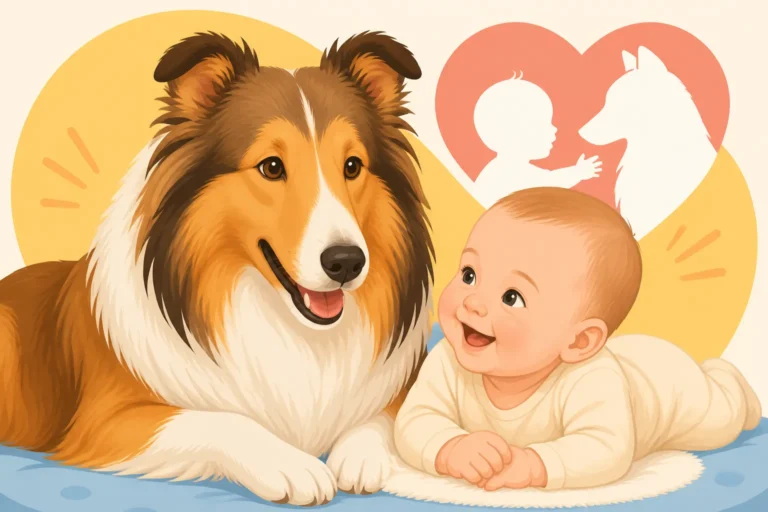
Collie herding instincts, sensitivity to household tension, and protective behavior toward infants help parents safely introduce a new baby.
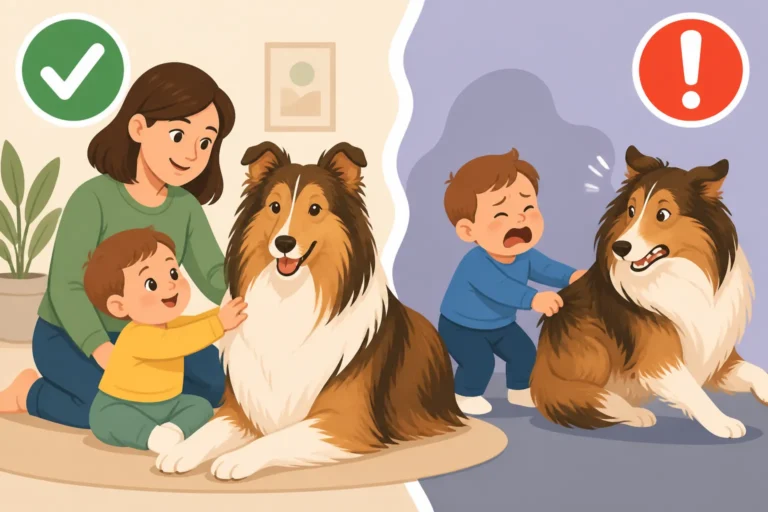
Active supervision of Collies around toddlers prevents herding instincts from triggering accidental nips or dangerous family mishaps.
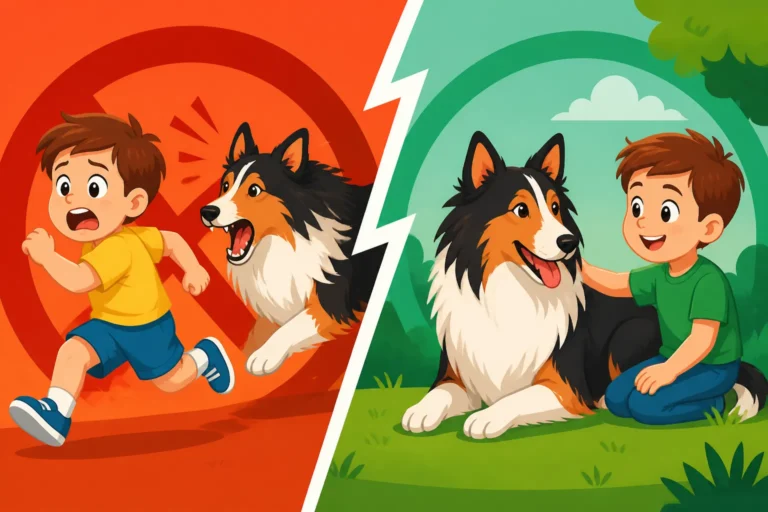
Collie nipping behavior stems from ancient herding instincts triggered by children running, squealing, and moving erratically.
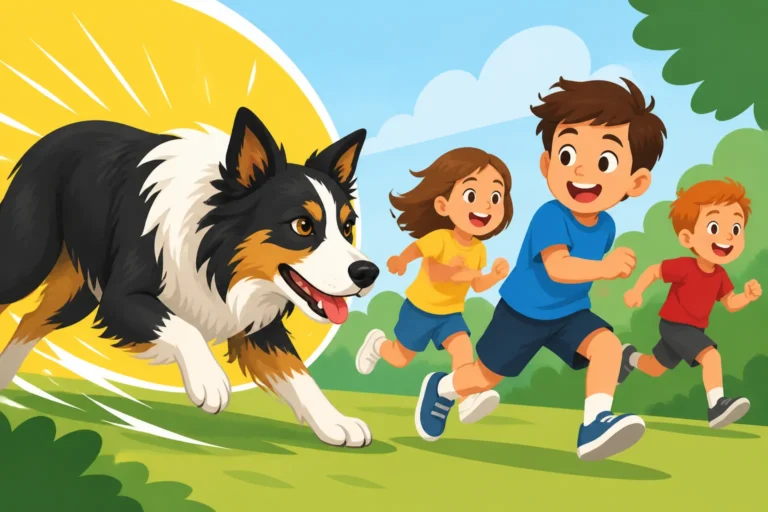
Collie herding behavior toward running children stems from natural instincts, not aggression, and requires management strategies.
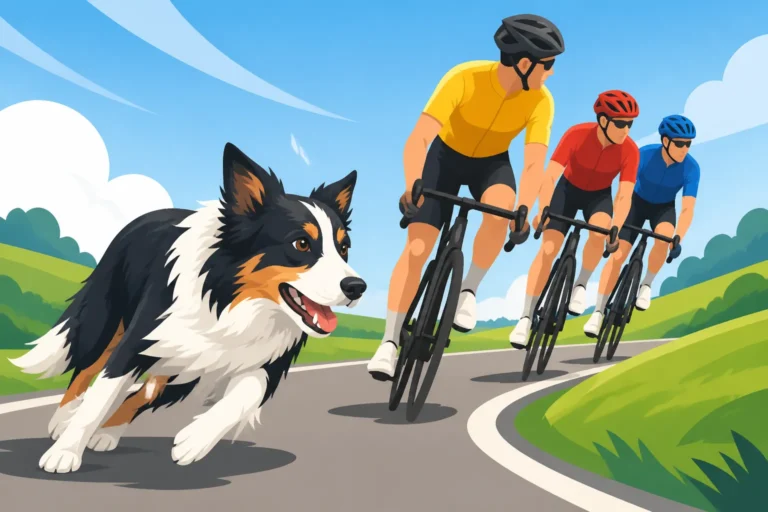
Collie herding behavior toward cyclists stems from centuries of Scottish breeding instincts to control fast-moving objects.
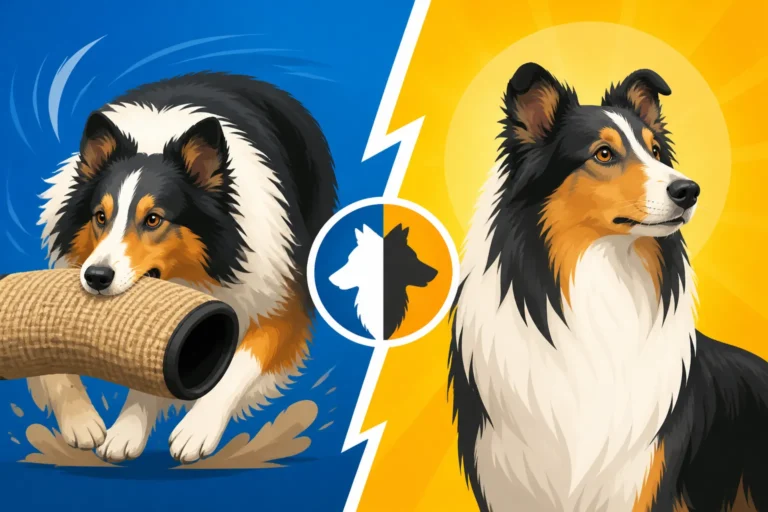
Collie herding styles in the Scottish Highlands, using broad arcs and loose-eyed gathering rather than intense stares.
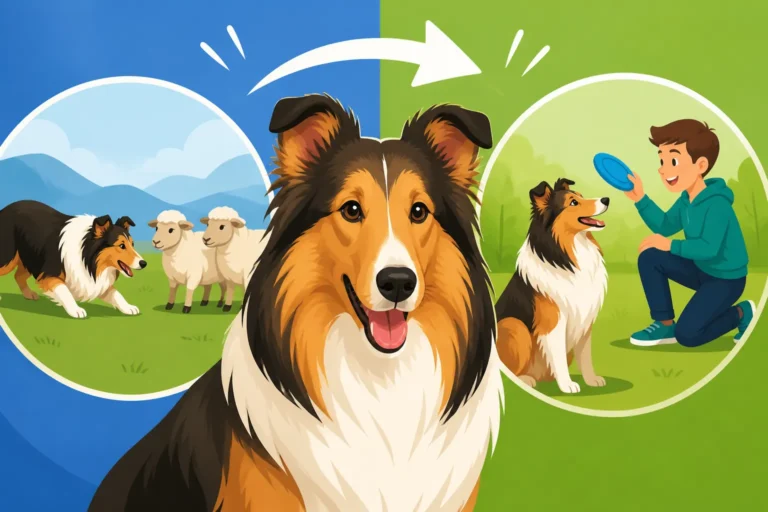
Collie herding instincts and safe, practical strategies to redirect those powerful behaviors into appropriate family outlets.
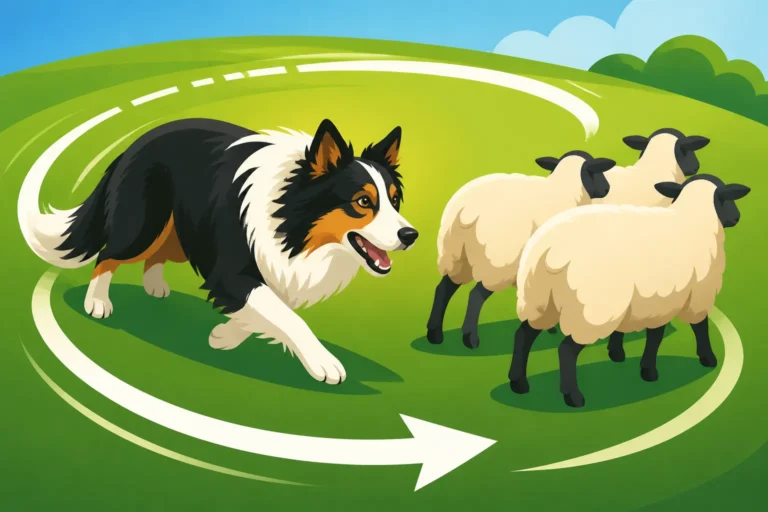
Collie circling behavior stems from Scottish Highland herding instincts, explaining why they manage movement instead of chasing.