Whether Rain Soaks Through a Collie’s Coat
That gorgeous, flowing Collie coat is truly a marvel, isn't it? But when the skies open up and the rain starts pouring, many of us Collie parents find ourselves wondering just how much protection all that beautiful fur actually provides. Will it shed the water like a duck, or will our beloved companion end up a soggy, chilled mess? This guide will dive deep into the fascinating intricacies of the Collie's double coat, explaining how it’s designed to handle various wet conditions and, crucially, what you can do to keep your furry friend comfortable and dry, no matter the weather.
The Engineering Marvel of a Collie's Double Coat
Collies, both Rough and Smooth varieties, come equipped with a magnificent double coat, a true testament to centuries of natural selection and thoughtful breeding for working in often damp and chilly Scottish Highlands. This isn't just fluffy window dressing; it's a sophisticated, multi-layered insulation system designed to protect them from the elements. Understanding how this coat is constructed is the first step to truly appreciating its ability to handle rain, snow, and everything in between.
The Water-Repellent Outer Guard Coat
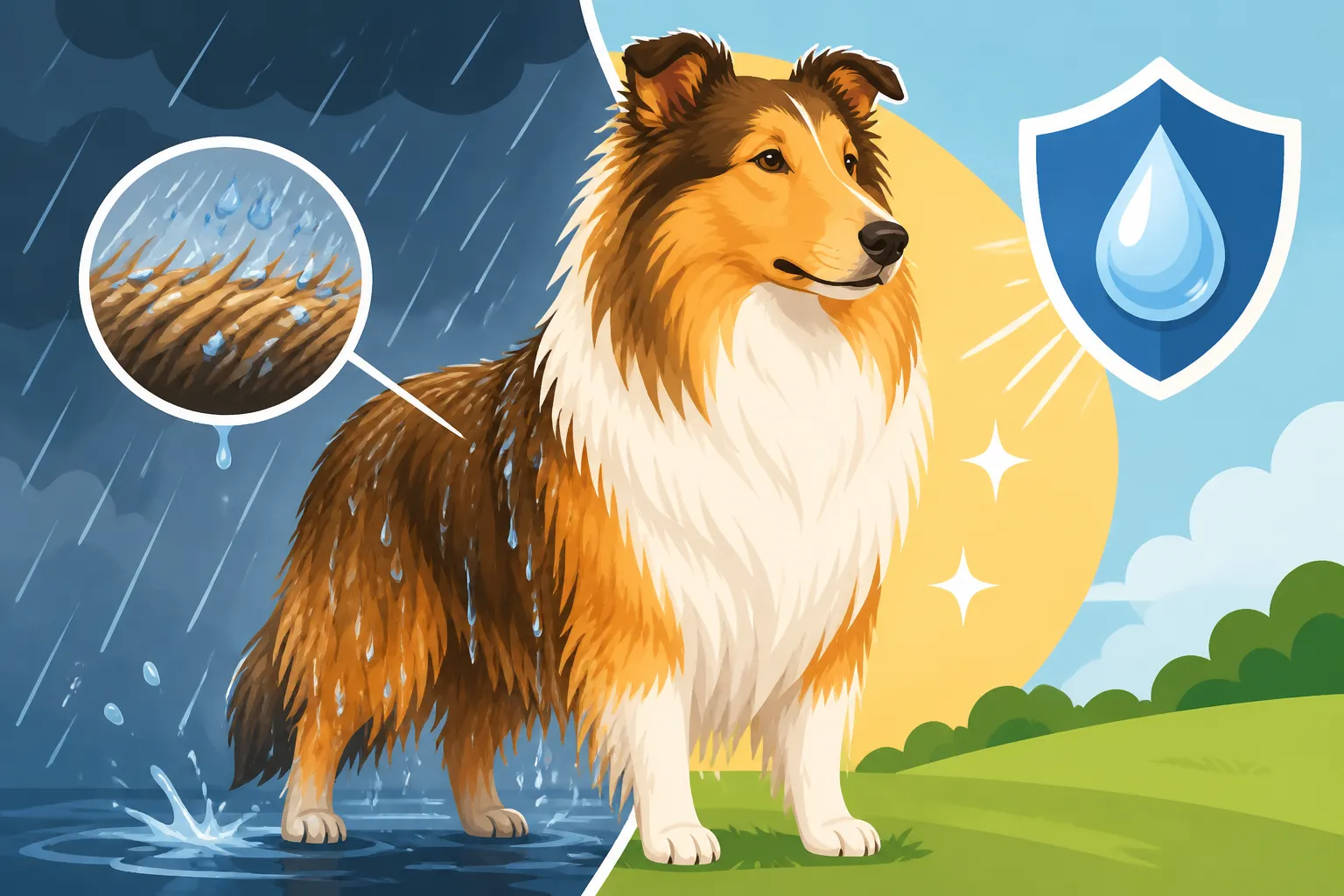
The outermost layer of a Collie's coat is what we often admire most: the long, flowing guard hairs. These are coarser and stiffer than you might initially assume, especially on a Rough Collie. They're designed to be straight, or slightly wavy, and to lie flat, forming a protective barrier. Think of them like the shingles on a roof. When rain hits these hairs, they're meant to shed the water away from the body. The natural oils produced by your Collie's skin coat these guard hairs, enhancing their water-repellent qualities. This oily barrier prevents moisture from easily penetrating the coat, allowing light rain and drizzle to bead up and roll off without soaking through to the skin. It’s quite remarkable to see in action; often, after a short stroll in a shower, you can simply brush off the surface moisture, and your Collie remains surprisingly dry underneath.
The Dense, Insulating Undercoat
Beneath those impressive guard hairs lies the true workhorse of the Collie's weather protection: the dense, soft, and woolly undercoat. This layer is much finer and more abundant, particularly on a Rough Collie. Its primary job isn't to repel water directly but to trap a layer of air close to the dog's body. This trapped air acts as an insulating layer, keeping your Collie warm in cold weather and, perhaps counter-intuitively, cool in hot weather by preventing external heat from reaching the skin directly. When it comes to rain, this undercoat becomes a crucial secondary defense. Even if some moisture manages to penetrate the outer guard hairs, the undercoat resists further saturation, keeping the skin relatively dry and maintaining that vital insulating air pocket. This means that while the tips of the outer coat might get visibly wet, the skin beneath can often remain remarkably untouched, especially during shorter exposure times. This dual-layer system is why Collies are often much more comfortable in inclement weather than single-coated breeds.
How Both Layers Work Together in Wet Weather
Imagine your Collie trotting through a misty morning or a light rain shower. The guard hairs are the first line of defense, like a well-waxed jacket. They prevent most of the water from ever reaching the undercoat. Any moisture that does make it past is then caught by the dense undercoat, which, by trapping air, prevents the cold, wet sensation from reaching the skin. This natural design means your Collie can often handle a good amount of rain without becoming thoroughly soaked to the bone. They are, after all, a breed with a history rooted in working outdoors. However, it’s not an impenetrable force field, and understanding its limits is key to their well-being. This natural waterproofing is pretty impressive, allowing them to stay comfortable even when the weather isn't cooperating.
Factors Influencing How Much Rain Penetrates a Collie's Coat
While a Collie's coat is a marvel of natural engineering, it's not entirely impervious to water. Several factors can influence just how much rain ultimately penetrates that beautiful barrier. It's not a simple yes or no answer; it's a spectrum, and understanding these nuances will help you better prepare your Collie for whatever the weather throws their way.
The Intensity and Duration of the Rainfall
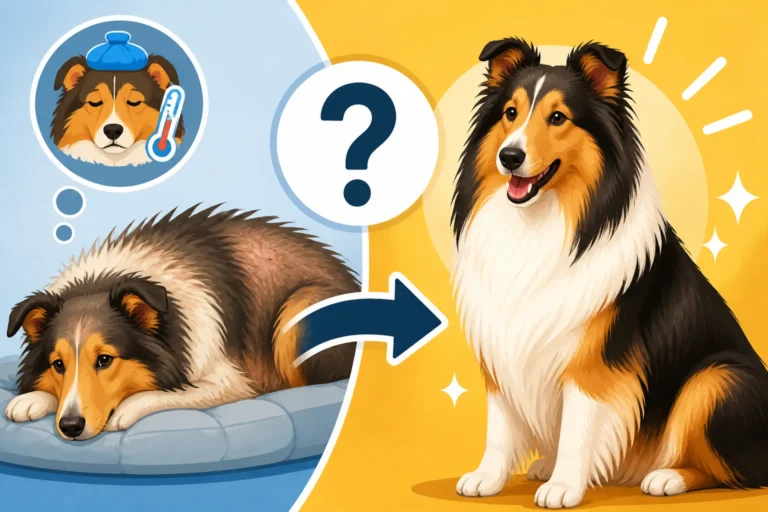
A light drizzle on a calm day is a very different beast from a torrential downpour accompanied by strong winds. During a gentle shower, the guard hairs do an excellent job of shedding water, and you might find that only the very tips of your Collie's coat are damp to the touch. The undercoat often remains completely dry, and the dog's skin is well-protected. However, if your Collie is caught in a sustained, heavy rainstorm, especially one with horizontal rain, the outer coat can eventually become saturated. The sheer volume and force of the water can overwhelm the natural shedding ability of the guard hairs. Over time, the water will start to seep deeper, eventually reaching and dampening the undercoat. Even then, it still provides a degree of insulation, but the effectiveness diminishes as the undercoat becomes waterlogged. This is when you'll notice your Collie feeling heavy and cold.
Coat Health and Maintenance Make a Difference
The condition of your Collie's coat plays a huge role in its water repellency. A healthy, well-maintained coat with clean, intact guard hairs and a fluffy, disentangled undercoat will repel water much more effectively than a neglected one. Think about it:
- Mats and Tangles: Mats are the enemy of a waterproof coat. When the hair is matted, it clumps together, preventing the guard hairs from lying flat and creating channels for water to penetrate easily. Mats also compress the undercoat, destroying its ability to trap insulating air. A matted coat acts like a sponge, soaking up water and holding it against the skin, which can lead to skin irritation or hot spots. This is why regular brushing is so vital; if you skip a week, you might find mats forming, especially behind the ears, under the legs, and in the "petticoat." Whether a Collie's Coat Mats If You Skip a Week is a good read for understanding how quickly this can happen.
- Dirt and Product Buildup: A coat heavy with dirt, environmental grime, or residues from unsuitable grooming products can lose its natural oils and ability to shed water. These substances can coat the hairs, making them absorb water rather than repel it. Regular, but not excessive, bathing with appropriate dog-specific shampoo helps maintain the coat's natural health and protective qualities. Learning Bathing a Collie Without Wrecking the Coat is crucial for this.
- Diet and Overall Health: A healthy diet contributes to healthy skin and coat, ensuring optimal oil production and hair quality. If your Collie's diet is lacking, their coat might appear dull, dry, or brittle, which can compromise its protective function. Brands like Ollie focus on fresh, whole ingredients that can contribute to overall coat health.
Immersion Versus Rainfall
It's important to distinguish between being out in the rain and actually swimming or being fully immersed in water. A Collie's coat is designed to shed rainfall, where water hits from above and runs off. It's not designed to keep them dry when they jump into a lake or get hosed down for a bath. In such cases, the coat will absolutely become thoroughly saturated, right down to the skin. The air trapped in the undercoat will be displaced by water, and your Collie will be wet through. This is a normal and expected outcome; no amount of guard hair can prevent full immersion from soaking the coat.
Managing a Wet Collie: Practical Steps and Best Practices
So, your Collie has been out in the rain, or perhaps even enjoyed a splash in a puddle or stream. What do you do next to ensure they stay healthy and comfortable? A little proactive care goes a long way in preventing issues like matting, skin irritation, or a chill.
The Essential Post-Rain Routine
When your Collie comes in from the wet, the first thing you want to do is get them dry as quickly and thoroughly as possible. This isn't just about comfort; it's about health.
- Initial Towel Dry: As soon as they're inside, grab a few highly absorbent towels. Gently blot and rub down their coat, paying extra attention to the legs, belly, and mane. Don't rub too vigorously, as this can tangle the coat. The goal is to remove as much surface water as possible.
- High-Velocity Dryer (Highly Recommended): For Collies, a high-velocity dog dryer is an absolute game-changer. These aren't just for professional groomers; many Collie owners find them indispensable. They literally blast the water out of the coat, drying it much faster and more efficiently than towels alone. This also helps to fluff up the undercoat and ensure no dampness is left near the skin, which is crucial for preventing hot spots or fungal growth. If you're wondering if Whether a High Velocity Dryer Is Worth It for a Collie, the answer for most Collie owners is a resounding yes. You can find excellent options on Amazon or specialized pet supply retailers like Chewy.
- Thorough Brushing: Once the coat is mostly dry, or entirely dry if you've used a force dryer, it's time for a thorough line brushing. Start at the bottom layers and work your way up, ensuring every hair is separated and free of tangles. This prevents mats from forming as the coat finishes drying and helps distribute natural oils. Pay close attention to areas prone to matting, like behind the ears, the "frill," and the "petticoat" on the legs. For a full guide on brushing, check out Four Tools and Twenty Minutes: Brushing a Rough Collie. Removing loose hair is also important, as wet fur can contribute to the general shedding situation, especially during their "coat blow" seasons. You'd be amazed How Much Hair Comes Off a Collie in a Session.
- Check for Dampness: Run your hands deeply through their coat, especially along their back, belly, and underarms, to ensure there are no lingering damp spots. Any residual moisture can become a breeding ground for bacteria or fungus, leading to skin issues.
Preventing Mats and Skin Issues After Wetness
The combination of wet fur and friction is a perfect recipe for mats. Dampness can also irritate the skin if not dried properly.
- Consistent Grooming: Regular grooming isn't just for aesthetics; it's preventative health care. By keeping the coat free of tangles, you maintain its protective structure and allow air circulation to the skin.
- Skin Health Check: While drying, take a moment to look at your Collie's skin. Check for any redness, flakiness, or irritation. If you notice anything unusual, consult your vet. A healthy coat starts with healthy skin.
- Warm, Dry Resting Spot: After their adventure in the rain, make sure your Collie has a warm, dry, and comfortable place to rest and fully dry out. Avoid letting them lie on cold, damp surfaces.
Helpful Gear and Grooming Tools
Having the right tools on hand can make managing a wet Collie much easier.
| Item | Purpose | Notes |
|---|---|---|
| Absorbent Towels | Initial drying, removing excess water. | Microfiber towels are excellent for their absorbency. Have several on hand. |
| High-Velocity Dryer | Forces water out of the coat, speeds drying, prevents mats and hot spots. | Essential for Rough Collies. Invest in a good quality one to save time and ensure thorough drying. Available from retailers like Chewy and Amazon. |
| Pin Brush & Comb | Detangling, line brushing, ensuring no mats remain. | A good quality pin brush (without balls on the pins) and a sturdy metal comb are indispensable. |
| Dog Raincoat/Jacket | Prevents saturation, especially in heavy rain or for longer walks. | Can keep the body dryer, reducing drying time later. Choose one that fits well without restricting movement. |
| Paw Wipes/Booties | Cleaning muddy paws, protecting paw pads. | Wipes are handy for a quick clean. Booties can protect paws from harsh weather and mud. |
| Detangling Spray | Helps work out minor tangles without damaging the coat. | Use sparingly and as needed before brushing, especially on damp hair. |
While a good brushing routine is crucial, remember that How Long a Collie Takes to Dry can still be significant even with the best efforts, especially after heavy soaking. Patience is key! And if you've ever wondered Whether a Collie Smells When Wet, a quick and thorough drying process significantly reduces any "wet dog" odor.
Common Misconceptions and Collie Coat Wisdom
There are a few myths and common misunderstandings about the Collie's coat, especially concerning its interaction with water. Clearing these up can save you from making decisions that could actually harm your Collie's natural protection.
The Myth of the "Completely Waterproof" Coat
While a Collie's double coat is incredibly efficient at repelling water, it is not 100% waterproof in every scenario. Think of it more as "highly water-resistant" or "weatherproof." For short periods in light to moderate rain, your Collie will likely remain remarkably dry. However, prolonged exposure to heavy rain, or full immersion, will eventually saturate the coat. Expecting your Collie to emerge from a two-hour hike in a downpour completely dry is unrealistic. Their coat is designed to protect them from typical working conditions, not to turn them into aquatic creatures. The goal isn't absolute dryness, but rather maintaining comfort and body temperature, which their coat does exceptionally well up to a point.
Why You Should Never Shave a Collie for Wet Weather (or Summer!)
This is perhaps the biggest and most damaging misconception out there. Owners sometimes think shaving their Collie will help them stay cooler in summer or dry faster in wet weather. This is a critical mistake and can cause irreversible damage to their coat and natural thermoregulation.
- Loss of Natural Protection: Shaving removes both the protective guard hairs and the insulating undercoat. This leaves your Collie's delicate skin exposed to the elements, making them more vulnerable to sunburn, insect bites, and environmental irritants. It also eliminates the natural water-repellent barrier.
- Impaired Thermoregulation: The double coat works as an insulator, keeping them warm in winter and actually cooler in summer by trapping a layer of air that acts as a buffer against external heat. Shaving disrupts this natural system, making them less efficient at regulating their body temperature, not more.
- Coat Damage and Poor Regrowth: When a Collie's coat is shaved, especially down to the undercoat, it can damage the hair follicles. The guard hairs may not grow back correctly, leading to a "blown" or "cottony" coat texture that is prone to matting and offers less protection. This condition, often called "coat funk" or "post-clipping alopecia," means that Whether a Shaved Collie's Coat Grows Back Correctly is often a distressing 'no,' or at least 'not for a very long time.' Your Collie’s coat is a functional part of their anatomy, not just a fashion statement, and should be respected as such. For specific concerns about heat, focus on shade, hydration, and cool environments, not clipping their coat.
Understanding the Nuances of Rough vs. Smooth Collie Coats
Both Rough and Smooth Collies possess a double coat, but their effectiveness in rain can differ slightly.
- Rough Collie: With their abundant and long outer coat, Rough Collies often appear to have superior rain protection. The length of their guard hairs means water has further to travel before reaching the undercoat. However, this also means they can take How Long a Collie Takes to Dry and require more thorough drying and brushing after a good soaking. The longer hair is also more prone to matting if not properly cared for.
- Smooth Collie: Often underestimated, the Smooth Collie's short, dense, harsh outer coat is surprisingly effective at repelling water. The hairs lie very flat against the body, making it difficult for water to penetrate quickly. In many ways, their coat can be even more efficient at shedding light to moderate rain than a Rough Collie's, simply because there's less surface area for the water to cling to and less depth for it to soak through. While they still have an insulating undercoat, it is generally less dense than a Rough Collie's. Drying a Smooth Collie after rain is significantly faster and less labor-intensive. In fact, many people don't realize that The Smooth Collie Is the Same Dog With Less Work when it comes to grooming, largely due to this coat difference.
Ultimately, both varieties are well-equipped for varied weather conditions, provided their coats are healthy and well-maintained. Your beautiful Collie's coat is designed for a purpose, and understanding how to support that purpose is part of being a great Collie parent.
Disclaimer
This article is for general informational purposes only and does not constitute professional advice. Laws, prices and regulations vary by location and change over time. Consult a qualified professional for guidance on your specific situation.