Whether a Collie Gets Skin Infections Under Its Coat
It’s a common worry among Collie owners, isn't it? We look at that glorious, flowing coat and can't help but wonder what might be lurking underneath. The sheer volume and density of a Collie's fur, while absolutely stunning, can make it incredibly difficult to spot early signs of skin trouble, leaving many of us feeling anxious about potential hidden infections. This guide aims to shed some light on why Collies can be prone to skin infections beneath their beautiful coats and how you can stay on top of their skin health.
The Unique Challenges of a Collie's Coat for Skin Health
That magnificent double coat, the hallmark of our beloved Collies, is a marvel of nature, designed to protect them from the elements while they worked the Scottish hills. But in our modern homes, it presents a unique set of challenges when it comes to skin health. It's a constant balancing act between admiring their beauty and diligently managing the practicalities of such abundant fur.
The Double Coat Dilemma: Warmth and Hidden Woes
The Collie's coat is actually made up of two distinct layers: a soft, dense undercoat that provides insulation, and a long, harsh outer coat (or "guard hairs") that repels water and dirt. This combination is fantastic for keeping them warm in winter and surprisingly cool in summer, but it also creates an environment that can inadvertently encourage skin problems.
Imagine trying to see a tiny rash or a small bump on your dog's skin when it's buried under several inches of thick fur. It's like looking for a needle in a haystack! This density means that moisture can become trapped against the skin, creating a warm, damp incubator for bacteria or yeast if not properly dried. Dirt and debris can also get caught deep within the undercoat, irritating the skin and paving the way for infection. What often starts as a minor irritation can quickly escalate into a full-blown issue simply because it’s out of sight and, therefore, out of mind until it’s much more advanced. It’s incredibly frustrating when you realize your dog has been uncomfortable for days, and you had no idea because their fur was doing such a good job of hiding it.
Grooming Gaps: When "Clean" Isn't Enough
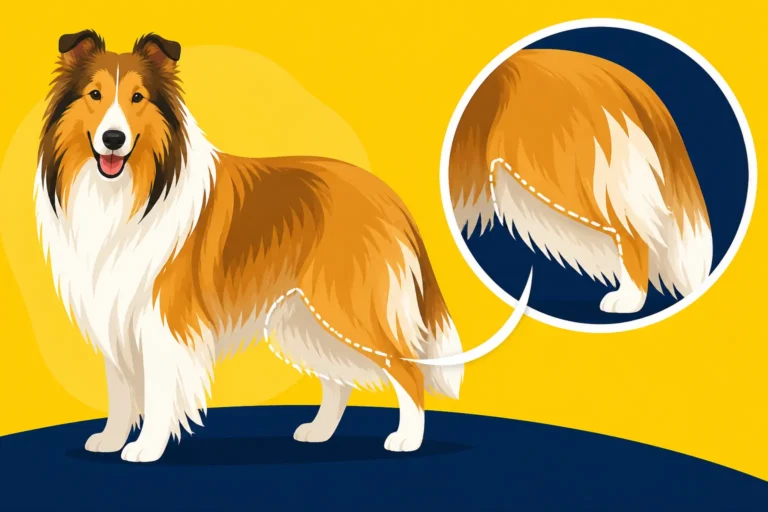
While we all strive to keep our Collies well-groomed, the reality is that the sheer volume of their coat requires consistent and correct techniques. Simply giving them a quick brush or a bath without proper drying can actually make things worse. Insufficient grooming can lead to matting, especially in high-friction areas like behind the ears, under the 'frill' on their chest, or in their 'petticoat' on their hindquarters. These mats are not just cosmetic issues; they pull at the skin, restricting air circulation and further trapping moisture and debris.
When mats form, they can create microclimates against the skin, becoming perfect breeding grounds for bacteria and fungi. Even a perfectly clean Collie can develop skin issues if their coat isn't thoroughly brushed out, allowing air to reach the skin, and then completely dried after a bath. It’s easy to underestimate the time and effort needed, but neglecting these steps can quickly turn a beautiful coat into a source of discomfort and potential infection. Remember, a Collie is never trimmed and never shaved unless medically necessary, so proper maintenance is truly the only way to manage that glorious fur. You’ll find more information in A Collie Is Never Trimmed and Never Shaved.
Common Skin Infections and What They Look Like (or Don't Look Like)
Knowing what types of skin infections our Collies can get is half the battle. The other half is recognizing the incredibly subtle, often non-visual, signs that something is amiss. It’s not always about seeing a big red patch; sometimes it’s about smell, touch, or a change in behavior.
Bacterial Pyoderma: The Itchy, Pustular Truth
Bacterial pyoderma is one of the most common skin infections in dogs, and Collies are no exception. It's essentially a bacterial infection of the skin, often caused by Staphylococcus bacteria, which are normally present on the skin but can overgrow when conditions are ripe. In Collies, this usually happens when the skin's natural barrier is compromised, perhaps due to allergies, fleas, skin irritation from matting or dampness, or even an underlying immune issue.
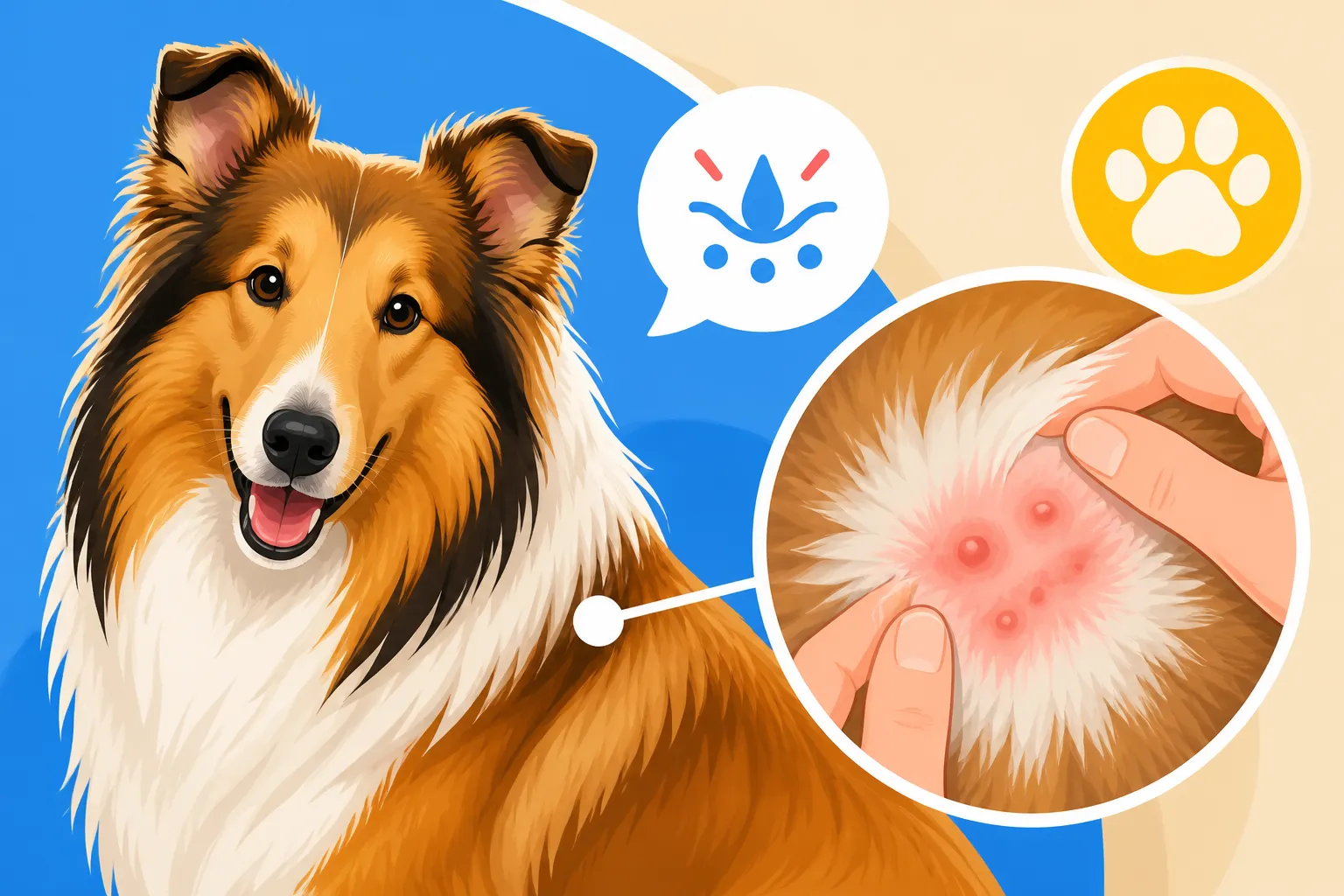
What does it look like? Well, that's the tricky part. On a short-coated dog, you might easily see red bumps, pustules (small pus-filled pimples), crusts, or circular areas of hair loss. On a Collie, these initial signs are almost always hidden beneath layers of fur. You might only notice it when the infection has progressed, leading to larger areas of redness, inflammation, and discomfort. Often, the first sign a Collie owner notices isn't something visual at all. It might be an unusual, slightly sweet or sickly odor emanating from the coat, or perhaps your Collie is suddenly obsessed with licking or chewing a specific area that you can’t quite see. The skin underneath might feel greasy or sticky, even if the outer coat looks perfectly fine. A vet might lift the coat and find widespread redness or scabs where you saw nothing.
Fungal Infections (Ringworm, Yeast): More Than Just a Bad Smell
Fungal infections are another concern, and they can be just as challenging to detect under a Collie's dense coat. Yeast infections (Malassezia dermatitis) are notoriously common in areas where moisture and warmth are prevalent, such as skin folds (though Collies don't have many prominent ones), paws, ears, and, yes, underneath matted or damp fur. These infections thrive in humid environments, and a thick, poorly ventilated coat provides just that.
Yeast infections often present with an unmistakable musty, "corn chip," or yeasty odor. The skin itself might become greasy, red, and thickened, sometimes even taking on a dark, almost elephant-like texture in chronic cases. Your Collie might be incredibly itchy, rubbing against furniture or scratching relentlessly. Again, these visual skin changes are often completely concealed until the infection is quite advanced.
Ringworm (Dermatophytosis) is another fungal infection, though less common than yeast. It's not actually caused by a worm but by a fungus that infects the hair shafts and outer layers of the skin. On other breeds, you might see classic circular lesions with hair loss and scaly centers. On a Collie, the hair loss might be minimal or appear as general thinning in one area, making it difficult to distinguish. The scaly patches can be hidden, and you might only discover it by touch or if it spreads to an area with less fur, like the nose or paws. The key takeaway for both bacterial and fungal issues is that their early indicators on a Collie are often not what you see, but what you smell or feel.
Recognizing the Subtle Signs: Beyond the Visual
Because a Collie’s coat is such an effective camouflage for skin issues, we as owners have to develop a different set of detective skills. Relying solely on our eyes simply isn’t enough. We need to engage all our senses and pay close attention to our dog’s behavior.
The Power of Your Nose and Hands
This is where you become your Collie’s best advocate. Your hands and nose are your most valuable tools for early detection.
-
Your Nose Knows: Get used to the natural scent of your clean Collie. Any deviation from that — a sudden musty smell, a sickly sweet odor, a yeasty "Frito-feet" kind of smell emanating from their body (not just their paws), or an acrid smell – warrants investigation. Pay close attention to areas that might trap moisture, like under their ears, in their armpits, or around their tail. Many times, an unusual smell is the very first, and sometimes only, indicator you'll have of a developing skin issue.
-
The Touch Test: Make it a habit to regularly run your hands thoroughly over your Collie's entire body, feeling the skin beneath the coat. This isn't just a casual pat; it's a tactile inspection.
- Feel for any lumps, bumps, scabs, crusts, or hot spots. Hot spots are particularly common and can flare up rapidly, often feeling warm and moist to the touch.
- Check for any tenderness or sensitivity. If your Collie flinches or reacts when you touch a specific area, that's a red flag.
- Feel for changes in coat texture in localized areas. Is it suddenly greasy? More matted than usual in a certain spot?
- During your regular brushing sessions, when you're line brushing down to the skin, you have a perfect opportunity to perform this tactile check. This is also a great time to implement the techniques discussed in How Often a Rough Collie Should Be Brushed and Four Tools and Twenty Minutes: Brushing a Rough Collie.
-
Behavioral Clues: Your Collie might be trying to tell you something without words.
- Excessive Licking, Chewing, or Scratching: This is often the most obvious sign of itchiness or discomfort. If your Collie is constantly licking their paws, chewing at their flank, or scratching behind an ear, investigate that area immediately.
- Restlessness or Irritability: Persistent itchiness can make a dog miserable. They might be unable to settle, pacing, whining, or even becoming snappier than usual.
- Rubbing Against Surfaces: If your Collie is repeatedly rubbing their side or back against furniture, walls, or the ground, they're trying to relieve an itch.
When to Call the Vet: Don't Wait and See
With Collies, early intervention is absolutely crucial. Because issues are so well-hidden, waiting "just to see if it gets better" can allow a minor problem to become a painful and costly full-blown infection. Trust your gut. If something feels or smells off, or if your Collie is behaving unusually, a vet visit is warranted.
When you contact your veterinarian, be prepared to provide details beyond just "my dog is itchy." Describe:
- The specific smells you've noticed (yeasty, sweet, foul).
- Any areas you've felt that are lumpy, bumpy, scabby, or tender.
- The exact changes in your Collie's behavior (e.g., "she's constantly licking her left flank," or "he's been rubbing his ear on the carpet").
- Any recent changes in diet, environment, or exposure to allergens.
The vet will likely need to perform a thorough examination, which may involve parting the fur widely or even clipping small areas (though A Collie Is Never Trimmed and Never Shaved emphasizes keeping clipping to a minimum) to get a good look at the skin. They might take skin scrapings or impression smears to look for parasites, yeast, or bacteria under a microscope, or even suggest a culture to identify specific bacteria. It’s always better to be proactive than to let your beloved Collie suffer unnecessarily.
Prevention is Key: Keeping That Gorgeous Coat (and Skin) Healthy
An ounce of prevention is truly worth a pound of cure, especially when it comes to a Collie's skin health. Establishing solid care routines can make all the difference in keeping their beautiful coat healthy and their skin free from hidden infections.
Consistent and Correct Grooming Habits
This cannot be stressed enough: regular, thorough grooming is your Collie's first line of defense against skin infections. It’s not just about looking pretty; it’s about maintaining skin integrity and airflow.
-
Daily Brushing, Especially During Coat Blows: While some sources might say a couple of times a week is enough, for a Rough Collie in full coat, daily attention is ideal. During the intense shedding periods, often referred to as "coat blows" – which can last for several weeks twice a year – daily brushing becomes non-negotiable. This is when your house turns into a fur farm, as explored in The Three Weeks Twice a Year When a Collie Buries Your House. Focus on line brushing, systematically working through sections of the coat down to the skin to remove dead undercoat and prevent mats. This also distributes natural oils and stimulates circulation.
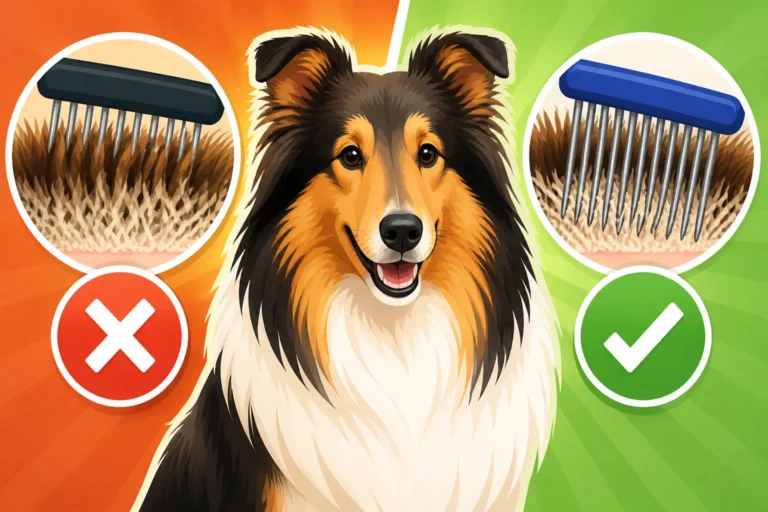
- Essential tools include a good quality slicker brush, an undercoat rake, and a sturdy metal comb. You can find excellent options for all these tools on platforms like Amazon or Chewy, which makes it easy to compare features and read reviews.
- Pay extra attention to known matting areas: behind the ears, in the armpits, the "mane" or "frill" on their chest, and their "petticoat" on the hindquarters. These are the parts of a Collie that mat most easily, as highlighted in Mane, Frill and Petticoat: the Parts of a Collie That Mat.
-
Proper Bathing and Drying: When it's bath time, use a dog-specific shampoo that is gentle and appropriate for your Collie's skin type. For a full guide on doing it right, check out Bathing a Collie Without Wrecking the Coat. The most critical step after bathing is thorough drying. Any residual dampness, especially in the dense undercoat, can lead to a quick proliferation of yeast and bacteria.
- Use highly absorbent towels to blot as much water as possible.
- A high-velocity dog dryer is an invaluable tool for Collies. It forces air deep into the undercoat, speeding up drying time and preventing hot spots. Even if your Collie isn't thrilled about it at first, teaching them to tolerate it will save you countless hours and potential skin headaches. Ensure the air isn't too hot, and keep the nozzle moving.
Environmental Management and Diet
Beyond grooming, creating a healthy environment and feeding a quality diet play significant roles in skin health.
- Allergen Control: If your Collie suffers from environmental allergies, managing their exposure to triggers can reduce skin irritation that leads to secondary infections. This might involve frequent vacuuming, air purifiers, or even wiping down their paws and coat after outdoor excursions.
- Dry Resting Areas: Ensure your Collie always has a clean, dry place to rest. Damp bedding can be a breeding ground for bacteria and yeast, especially if they’ve been out in the rain or are prone to dribbling water after a drink.
- Quality Nutrition: A balanced, high-quality diet provides the building blocks for healthy skin and a strong immune system. Some Collies may benefit from diets rich in omega-3 fatty acids, which can support skin barrier function and reduce inflammation.
- Consider the overall health benefits of fresh food options. Brands like Ollie focus on human-grade ingredients that can sometimes make a noticeable difference in coat quality and skin health for some dogs. Always discuss significant dietary changes with your vet, especially if your Collie has other health considerations. You might find that looking at How Much an Adult Collie Eats and Whether a Collie Needs Supplements for Its Coat helps you make informed decisions.
- The link between diet and shedding, and overall coat health, is often underestimated. What goes into their bowl truly impacts what you see (and don't see) on their skin. Read more about this connection in Whether a Collie's Diet Affects Its Shedding.
By combining meticulous grooming with a mindful approach to their environment and diet, you can significantly reduce the risk of your Collie developing uncomfortable and potentially serious skin infections under that magnificent coat. It takes dedication, but the comfort and health of your cherished companion are worth every moment.
| Sign of Skin Issue | What to Look For (Visual) | What to Feel For (Tactile) | What to Smell For (Olfactory) | Behavior Clues |
|---|---|---|---|---|
| Bacterial Pyoderma | Hidden redness, pustules, scabs, crusts (often unseen) | Warm spots, greasy patches, raised bumps, sensitivity | Sweet, sickly, or slightly foul odor | Excessive licking/chewing, scratching |
| Yeast Infection | Reddened skin, thickened skin, dark patches (often unseen) | Greasy or oily skin, slightly raised, "doughy" feel | Distinctive musty, "corn chip," or yeasty smell | Intense itching, rubbing on surfaces |
| Hot Spot | Matted, wet, inflamed, raw skin (can quickly spread) | Very warm, moist, painful, rapidly growing lesion | Strong, unpleasant odor | Obsessive licking/chewing of area |
| Allergies/Irritation | General redness, flakiness, sometimes mild rash (unseen) | Dryness, uneven texture, general sensitivity | No specific odor unless secondary infection present | General itchiness, scratching, paw licking |
Disclaimer
This article is for general informational purposes only and does not constitute professional advice. Laws, prices and regulations vary by location and change over time. Consult a qualified professional for guidance on your specific situation.