Whether a Collie Needs Supplements for Its Coat
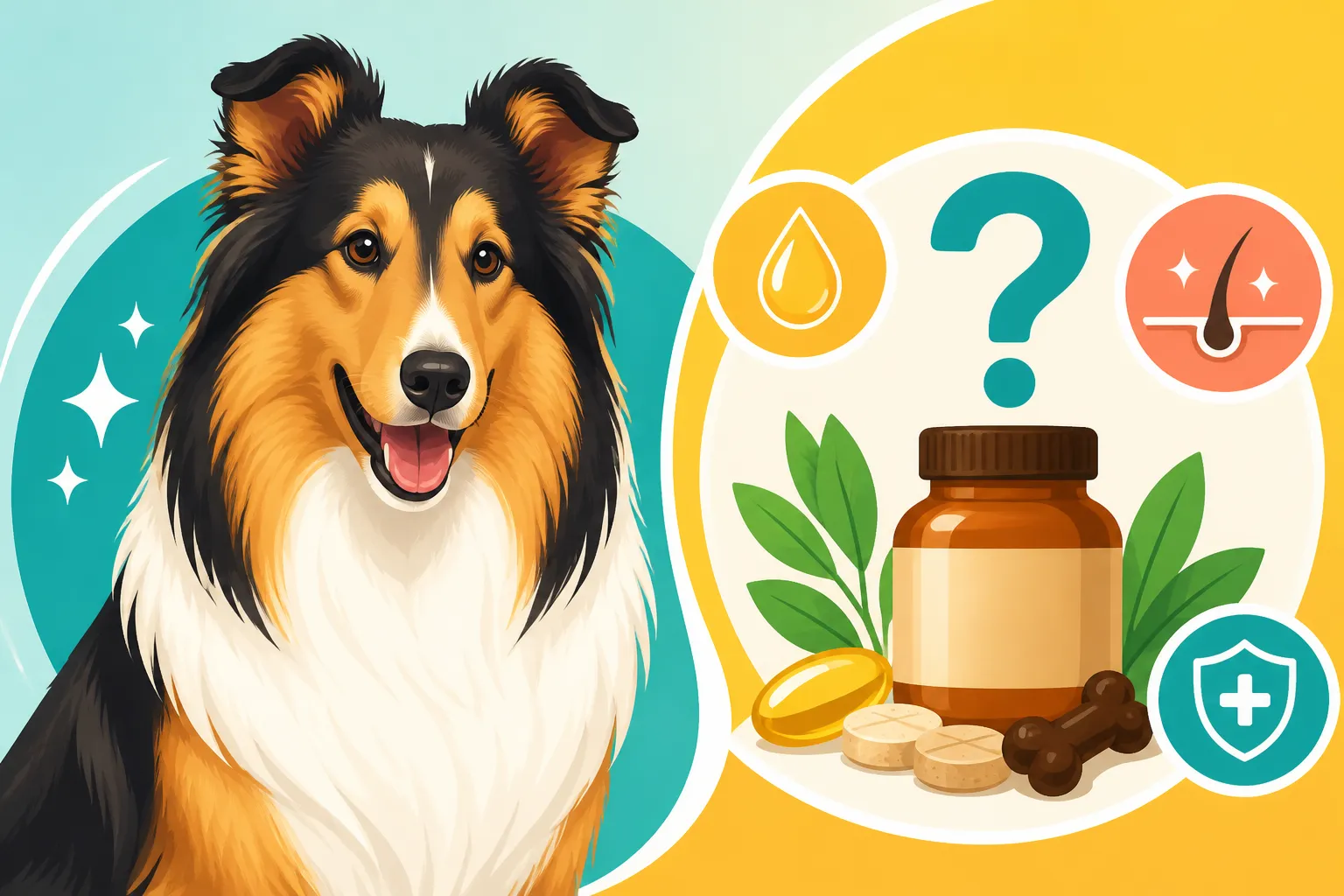
That magnificent Collie coat is truly a sight to behold, isn't it? But any Collie owner will tell you it's also a full-time commitment, and it's natural to wonder if there's a secret ingredient, some magic potion, that can make it even silkier, shinier, or less prone to shedding. Many of us find ourselves staring at shelves overflowing with supplements, all promising a healthier, more beautiful coat. It can be overwhelming to decide what, if anything, your beloved Collie actually needs. This guide is here to cut through the noise and help you understand whether coat supplements are a genuine need for your Collie, or if your efforts are better spent elsewhere.
Understanding the Collie Coat: More Than Just Fluff
Before we even think about adding anything to our Collies' diets, it's crucial to understand what makes their coats so unique and, frankly, so demanding. This isn't just a pretty layer of fur; it's a highly functional, complex system designed for protection.
The Double Coat's Purpose and Structure
Both Rough and Smooth Collies possess a double coat, though the Rough Collie's is obviously far more dramatic. This means they have two distinct layers: a soft, dense undercoat and longer, coarser guard hairs. The undercoat acts as insulation, keeping them warm in winter and surprisingly cool in summer by trapping air. It’s also the layer that causes those epic seasonal "coat blows" that can leave your home looking like a fluffy tumbleweed convention. The outer guard hairs, on the other hand, are designed to repel water, dirt, and burrs, protecting the delicate undercoat and skin beneath.
This dual-layer system is why their coats are so effective, but it also means they require specific care. When you’re dealing with a coat this thick and elaborate, any underlying health issue or nutritional deficiency can show up quickly, manifesting as dullness, dryness, or excessive shedding beyond the normal seasonal events. It's a natural protective shield, and we want to do everything we can to keep it functioning optimally.
Common Coat Concerns Beyond Supplements
We all want that picture-perfect Lassie coat, but sometimes our reality is more tangled. Many common coat concerns aren't a sign of missing supplements but rather point to more fundamental issues. Matted fur, for instance, is almost always a result of insufficient or incorrect brushing, especially in high-friction areas like behind the ears, armpits, or under the tail, which we discuss in detail in Mane, Frill and Petticoat: the Parts of a Collie That Mat. Dry, flaky skin might be due to low humidity in your home, harsh shampoos, or even allergies, rather than a lack of a specific nutrient.
Dullness can certainly be a sign of a poor diet, but it can also be a symptom of an underlying health problem. And excessive shedding? Well, if it's not during one of those twice-a-year coat blows, it could be stress, hormonal changes, or parasites. Jumping straight to a supplement without addressing these more common culprits is like putting a fresh coat of paint on a leaky roof – it might look better for a moment, but the core problem persists. Often, the solution lies in consistent routine and observation.
The Role of Basic Nutrition in Coat Health
This is the absolute bedrock of a healthy coat for any dog, but especially for a Collie with such a magnificent mane. A high-quality, balanced diet provides all the essential building blocks: protein for hair growth, healthy fats for skin and coat conditioning, and vitamins and minerals for overall cellular function. If your Collie isn't getting adequate nutrition from their regular food, no amount of supplemental magic dust will truly fix the problem. Think of it this way: you can't build a strong house with weak materials, and a dog's body is no different.
Many premium dog foods, whether kibble, wet food, or even fresh food options like those offered by Ollie, are formulated to be nutritionally complete. They already contain ingredients aimed at supporting skin and coat health, often including omega fatty acids and other beneficial components. If you're feeding a diet that meets AAFCO guidelines and your Collie is thriving otherwise, their coat should naturally reflect that health. Any persistent issues, even with a great diet, often warrant a vet visit to rule out medical conditions.
Decoding Coat Supplements: What Are They and What Do They Promise?
So, if a good diet is the foundation, what about all those bottles and chews promising miraculous coat transformations? Let's break down some of the most common ingredients you'll find in coat supplements and what they're actually supposed to do.
Omega Fatty Acids Omega-3 and Omega-6
These are probably the most well-known and widely recommended coat supplements. Omega-3 fatty acids, like EPA and DHA, are typically found in fish oils (salmon, krill, sardine) and flaxseed oil. Omega-6 fatty acids, such as linoleic acid, are prevalent in vegetable oils and often already present in good dog foods. The key is balance and the type of omega.
Omega-3s are renowned for their anti-inflammatory properties, which can be incredibly beneficial for dogs with itchy, dry, or irritated skin. By reducing inflammation, they can improve skin barrier function, leading to a healthier foundation for hair growth and a shinier, less flaky coat. Omega-6s are also important for skin and coat, but most commercial dog foods already provide plenty. When choosing a supplement, you're usually looking to boost the Omega-3s. Products readily available on sites like Chewy or Amazon will often highlight the EPA and DHA content. It's important to compare and choose a reputable brand with transparent sourcing.
Biotin and Other B Vitamins
Biotin, also known as Vitamin B7, is a water-soluble B vitamin often touted for hair and nail health in humans, and it's a common ingredient in canine coat supplements too. It plays a role in the metabolism of fatty acids and glucose, which are crucial for healthy cell function, including the cells that produce hair. Deficiencies in biotin are rare if a dog is on a complete diet, but some anecdotal evidence suggests supplementation might help improve coat quality and reduce brittleness in certain cases.
Other B vitamins, like niacin (B3) and pantothenic acid (B5), also contribute to skin health and cell regeneration. While they are vital, the body typically absorbs what it needs from a balanced diet, and excess water-soluble vitamins are simply excreted. This means that while they are important, simply adding more via supplements might not offer a significant benefit unless a deficiency has been identified.
Zinc and Vitamin E
Zinc is a trace mineral that's essential for numerous bodily functions, including immune response, wound healing, and, you guessed it, skin and coat health. A zinc deficiency can manifest as dull, brittle hair, skin lesions, and poor wound healing. However, like biotin, true zinc deficiency is uncommon in dogs fed a high-quality, complete diet. Supplementation is most often recommended when a dog has a specific condition, such as zinc-responsive dermatosis, which is more common in certain breeds (though not typically Collies to the same extent as some northern breeds).
Vitamin E is a fat-soluble antioxidant that protects cells from damage caused by free radicals. It's often included in skin and coat supplements because of its role in maintaining healthy skin and supporting the immune system. It can be beneficial for dogs with dry skin or certain inflammatory skin conditions. Because it's fat-soluble, it can accumulate in the body, so discussing appropriate dosages with your vet is particularly important to avoid over-supplementation.
Other Popular Ingredients
Beyond the mainstays, you'll see a host of other ingredients in coat supplements:
- Collagen: Often promoted for joint health, collagen also supports skin elasticity and hair structure. While popular, direct evidence for significant coat improvement from collagen supplements in dogs is still emerging.
- MSM (Methylsulfonylmethane): Another joint supplement, MSM is also thought to have anti-inflammatory properties that could indirectly benefit skin health, but it's not typically a primary ingredient for coat issues alone.
- Algae or Seaweed: These often contain a wealth of minerals, antioxidants, and sometimes omega fatty acids. Their benefits can be varied depending on the specific type of algae.
It's tempting to try everything, but understanding the primary function of each ingredient can help you make a more informed decision with your veterinarian.
When Supplements Might Be Considered and When They're Not the Answer
This is where the rubber meets the road. Deciding whether to introduce a supplement isn't just about what's available, but what your individual Collie actually needs.
Signs Your Collie Might Benefit
If your Collie consistently has a dull, dry, or excessively flaky coat, despite being on a high-quality diet and receiving diligent grooming, it might be time to consider a targeted supplement. Look for signs like:
- Persistent Dryness: The skin feels parched, not just the fur.
- Excessive Dandruff: More than just a bit of shedding undercoat, you're seeing dry flakes that are noticeable even after brushing.
- Brittleness: The coat hairs feel coarse and break easily.
- Unusual Thinning: Hair loss not associated with a normal coat blow or specific skin lesions.
- Chronic Itchiness: If your Collie is constantly scratching, licking, or chewing, even without visible fleas or obvious skin irritation.
These are the situations where a specific nutrient boost could potentially make a difference. However, it’s critical to remember that these are also symptoms of a wide range of underlying health issues.
The Vet's Role: Not a Magic Fix for Health Problems
I cannot stress this enough: supplements are not a substitute for veterinary diagnosis and treatment. If your Collie is experiencing any of the persistent issues listed above, your very first step should always be a trip to the vet. Your vet can rule out allergies, parasites, fungal infections, bacterial skin issues, hormonal imbalances (like hypothyroidism, which Collies can be prone to, as discussed in Whether a Collie Gets Thyroid Disease), or other systemic diseases that might be manifesting as coat problems.
Think about it: if your dog has an undiagnosed food allergy, adding an omega oil might offer slight anti-inflammatory relief, but it won't resolve the core allergic reaction. If they have a bacterial skin infection, a supplement won't clear it up; they'll need appropriate medication. Your vet can perform diagnostics, assess your Collie's overall health, and then, if appropriate, recommend a specific supplement or dietary change. Don't fall into the trap of self-diagnosing with supplements when a medical issue could be lurking.
Potential Downsides and Over-Supplementation
While many coat supplements are relatively safe, especially those containing water-soluble vitamins, there can be downsides.
- Digestive Upset: Any new supplement, especially those with fats like fish oil, can cause soft stools or diarrhea if introduced too quickly or given in too high a dose.
- Nutrient Imbalance: While less common with coat supplements, giving too much of one nutrient can sometimes interfere with the absorption of another or lead to an excess, particularly with fat-soluble vitamins (A, D, E, K) or certain minerals like zinc.
- Wasted Money: If your Collie doesn't actually need a supplement, you're simply throwing money away. High-quality supplements can be quite expensive, and if the issue isn't nutritional, that money is better spent on quality food, professional grooming, or vet visits.
- Masking Symptoms: Relying on a supplement to "fix" a coat problem might delay a diagnosis for a more serious underlying health condition.
Always follow dosage instructions carefully and, again, consult your vet. They can help you navigate the options and ensure you're not inadvertently causing more harm than good.
Best Practices for a Glorious Collie Coat Beyond the Bottle
Achieving and maintaining that stunning Collie coat is definitely a journey, not a destination. And honestly, most of the work happens outside of a supplement bottle. It's about consistent care, attention, and a holistic approach to your dog's well-being.
The Unsung Hero: Consistent Grooming
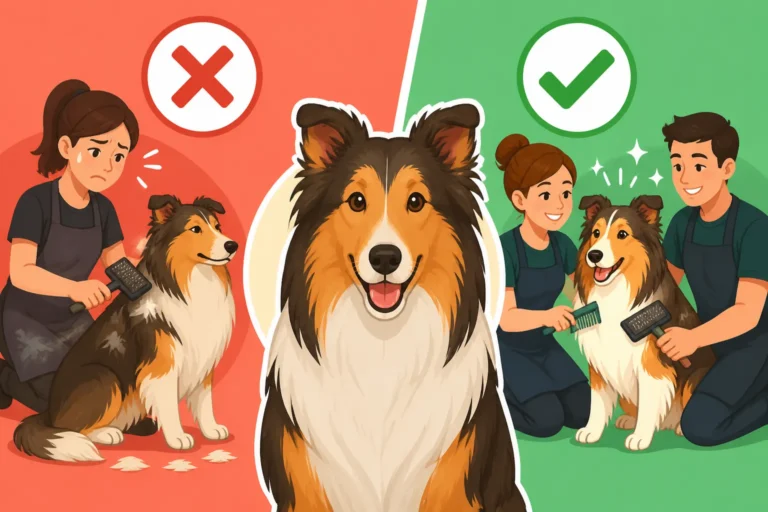
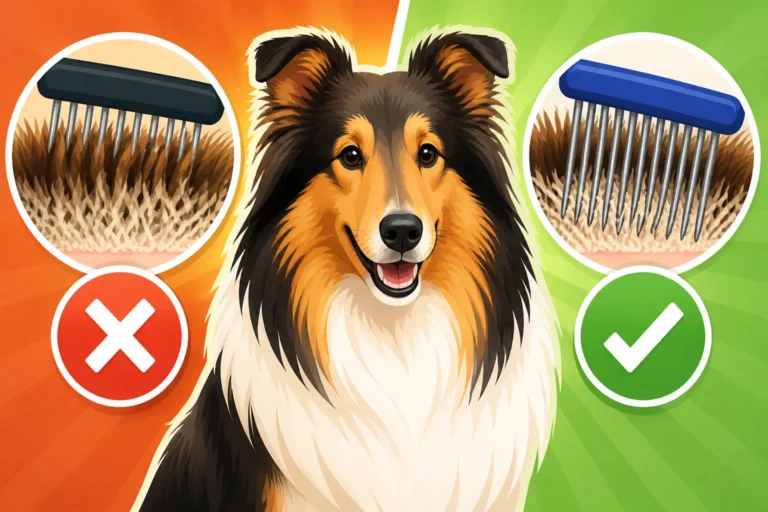
This is, without a doubt, the single most impactful thing you can do for your Collie's coat health. Regular, thorough grooming prevents mats, distributes natural oils, removes loose hair, and allows you to inspect their skin for any issues. For a Rough Collie, this means frequent line brushing – at least 2-3 times a week, and daily during those intense shedding seasons. Skipping a week can quickly lead to painful mats that are difficult to remove.
You don't need dozens of tools, but the right ones make all the difference: a good pin brush, a slicker brush for trouble spots, a wide-toothed comb, and a metal greyhound comb are often all you need. We dive deeper into this in Four Tools and Twenty Minutes: Brushing a Rough Collie. Even Smooth Collies benefit from regular brushing to remove loose hair and stimulate the skin. It's an investment of time, but it pays off in spades with a healthy, manageable coat and a happy dog.
High-Quality Diet
As mentioned earlier, a balanced diet is foundational. Ensure your Collie is eating a food appropriate for their life stage (puppy, adult, senior) and activity level. Look for ingredients you recognize and a food that provides high-quality protein, healthy fats, and a full spectrum of vitamins and minerals. Whether you opt for a premium kibble, canned food, or a fresh-prepared diet like those offered by Ollie, the key is consistency and quality.
Some Collies with sensitivities might benefit from specific protein sources or limited-ingredient diets, but again, this is best discussed with your vet or a veterinary nutritionist. A diet rich in natural sources of omega fatty acids (like salmon or chicken fat, often listed in ingredients) can go a long way without needing extra pills or liquid.
Hydration and Environment
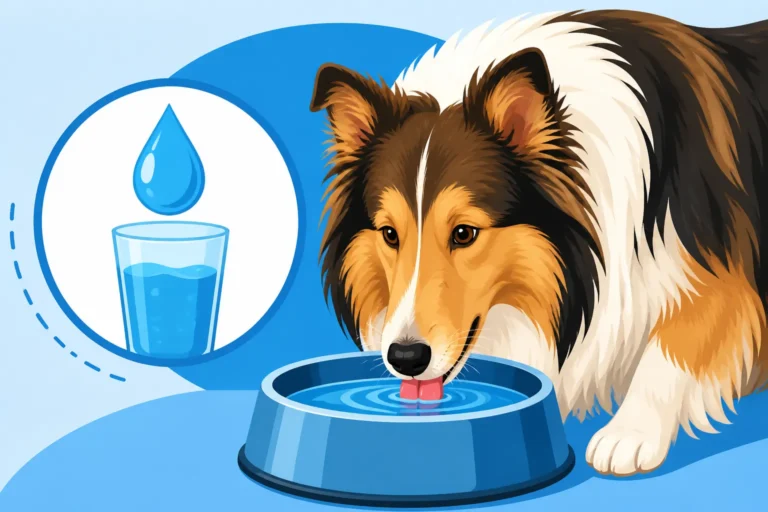
Something as simple as ensuring your Collie has access to fresh, clean water all day long can significantly impact skin and coat health. Dehydration affects every cell in the body, including skin cells, making the coat dry and brittle.
The environment also plays a role. In very dry climates or homes with forced-air heating, the air can strip moisture from a dog's skin. A humidifier in your home can sometimes make a surprising difference for both you and your dog. Protecting your Collie from excessive sun exposure, especially on sensitive areas like the nose, is also important, as discussed in The Collie's Nose, Eyes and the Sun. While their double coat offers protection, prolonged sun can still be damaging.
Regular Vet Check-ups
Preventative care is your best friend when it comes to long-term coat health. Regular vet check-ups allow your veterinarian to catch potential issues early, whether they're skin infections, hormonal imbalances, allergies, or other health concerns that could impact the coat. They can also advise on appropriate parasite prevention, which is crucial for preventing fleas, ticks, and mites that can cause severe skin irritation and coat damage.
Establishing a good relationship with your vet and being proactive about your Collie's general health will provide the best possible canvas for that magnificent, healthy coat to shine through.
Common Coat Supplement Ingredients and Their Claimed Benefits
Here's a quick overview of what some common coat supplement ingredients are intended to do:
| Ingredient Category | Primary Function / Claimed Benefit | Common Sources / Examples | Important Consideration |
|---|---|---|---|
| Omega Fatty Acids | Reduce inflammation, improve skin barrier, enhance coat shine. | Fish oil (EPA/DHA), flaxseed oil (ALA). | Look for high EPA/DHA content; quality and freshness vary. |
| Biotin (Vitamin B7) | Support keratin production, improve hair strength and elasticity. | Liver, eggs, yeast. | Deficiencies are rare; effectiveness varies. |
| Zinc | Essential for skin healing, immune function, healthy hair growth. | Meat, eggs, legumes. | Crucial for specific skin conditions; too much can be harmful. |
| Vitamin E | Antioxidant, supports skin health, protects cell membranes. | Vegetable oils, leafy greens. | Fat-soluble, can accumulate; proper dosage is key. |
| Collagen | Support skin elasticity, hair structure, and joint health. | Animal bones, hides, fish scales. | Evidence for direct coat improvement is still developing. |
| MSM | Anti-inflammatory properties, potential for skin and joint support. | Plant-derived compounds. | Usually secondary to primary coat ingredients. |
Ultimately, for most Collies on a high-quality, balanced diet with consistent grooming, additional coat supplements aren't strictly necessary. If you do notice persistent issues, remember to consult your veterinarian first to rule out any underlying health problems. Their advice, combined with diligent care, will be your best strategy for ensuring your Collie's coat remains as stunning and healthy as nature intended.
Disclaimer
This article is for general informational purposes only and does not constitute professional advice. Laws, prices and regulations vary by location and change over time. Consult a qualified professional for guidance on your specific situation.