Whether Zinc Deficiency Affects a Collie’s Coat
There's nothing quite like the sight of a Collie with a magnificent, flowing coat – it's truly one of their defining features, a crown of glory that turns heads and feels incredibly soft. So, when that beautiful coat starts looking dull, brittle, or sparse, it's completely understandable to feel a pang of worry and frustration. Many factors can impact a Collie's coat health, from genetics to grooming, but today we're going to dive deep into a specific nutritional aspect: whether zinc deficiency can indeed put a damper on your Collie's lustrous locks.
Understanding Zinc's Role in Canine Health and Coat Quality
Before we can even begin to talk about what goes wrong, we need to appreciate just how critical zinc is for our furry companions, especially for a breed like the Collie with its demanding coat. Zinc isn't just some obscure mineral; it's a powerhouse, a workhorse involved in hundreds of enzymatic reactions throughout your dog's body.
Why Zinc is So Important for Collies
Think of zinc as a master conductor for an orchestra. Without it, many essential bodily processes simply can't play their part in harmony. For Collies, this trace mineral is fundamental for a robust immune system, helping them fight off infections and stay healthy. It's also crucial for proper thyroid function, which, as we know, has a direct and profound impact on metabolism and, yes, coat quality. Beyond that, zinc plays a significant role in wound healing, cell division, and even normal growth and development in puppies. It’s involved in DNA synthesis and protein metabolism, both vital for healthy skin and hair follicle function. If your Collie's diet is lacking in this essential mineral, it’s not just their coat that might suffer; their overall vitality can take a hit. Ensuring your Collie has a balanced diet isn't just about calories; it's about providing these micronutrients. What Feeding a Seventy Pound Collie Costs often reflects the quality of ingredients, including essential minerals.
Signs of a Healthy Collie Coat
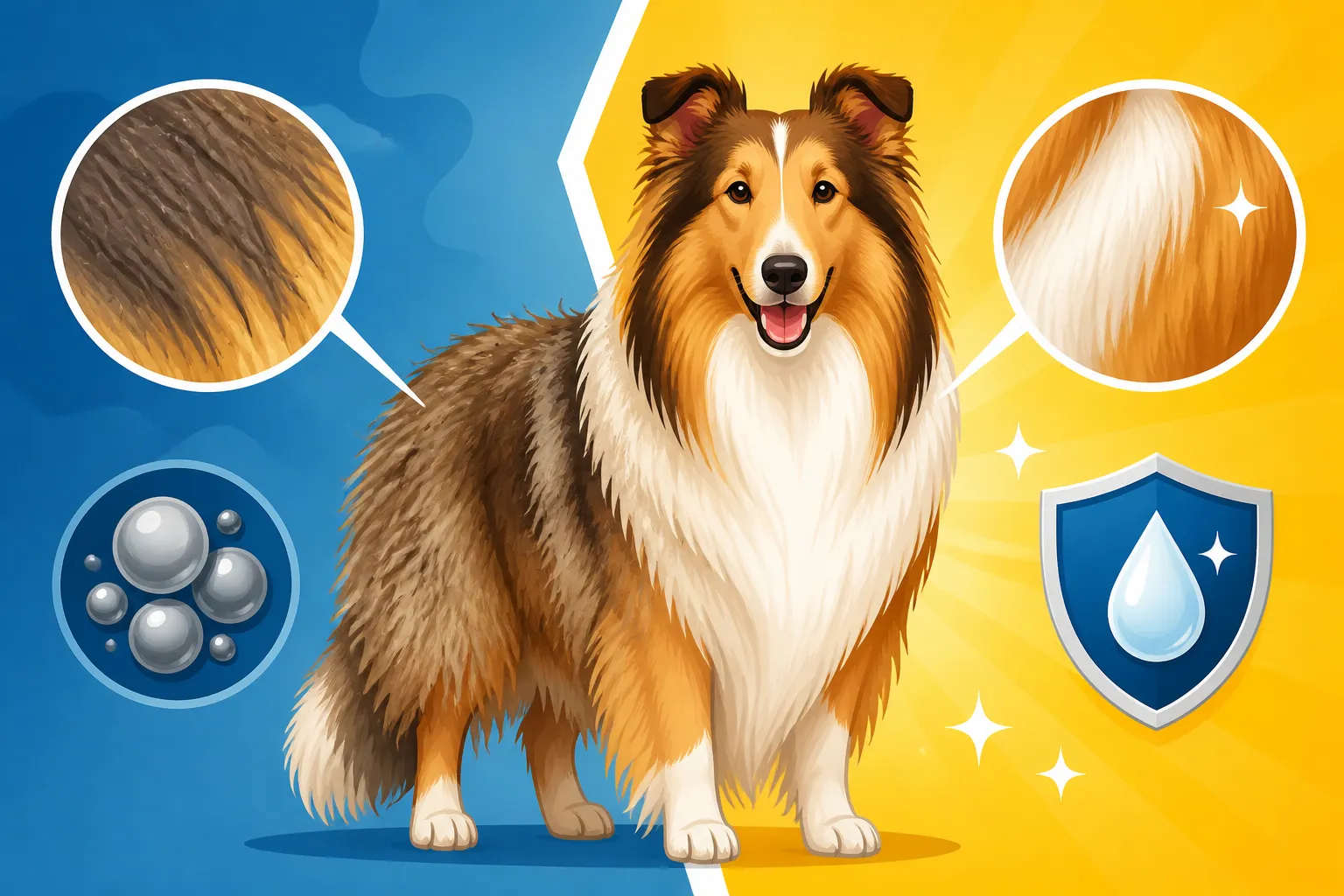
A healthy Collie coat is a marvel to behold. For a Rough Collie, you're looking for a thick, dense outer coat that is straight and harsh to the touch, providing protection from the elements. Underneath, there should be a soft, furry undercoat, especially noticeable around the neck, chest (the "frill"), and hindquarters (the "petticoats"). The overall appearance should be shiny and vibrant, reflecting good health. The coat should not be excessively greasy or dry. When you run your hands through it, the hair should feel strong and resilient, not fragile or prone to breaking. Their skin underneath should be supple, clear, and free from flakes, redness, or bumps. Even for a Smooth Collie, while their coat is shorter, the same principles apply: it should be dense, hard, and lie flat, with a healthy sheen. A well-nourished Collie with a healthy coat will typically shed gracefully during their seasonal "coat blow" periods, but not constantly or excessively in between. How Long a Collie's Coat Blow Lasts can give you an idea of the intensity, but chronic, year-round excessive shedding could be a red flag.
How Zinc Deficiency Manifests in a Collie's Coat
When zinc levels drop below what's optimal, the first place many owners notice an issue is, predictably, the coat and skin. These are often the canary in the coal mine for nutritional imbalances.
Visible Coat Changes
The most common complaints from Collie owners facing zinc deficiency often revolve around a noticeable deterioration of their dog’s coat. You might start seeing a dull, lifeless appearance, a coat that just doesn't have that characteristic sheen anymore. The hair itself can become brittle and coarse, feeling rougher than usual. Instead of a strong, vibrant texture, it might feel weak and easily broken. Perhaps more alarming is hair loss, or alopecia, which can manifest in patches or an overall thinning. This thinning might be particularly noticeable around pressure points, like elbows and hocks, or around the eyes, muzzle, and ears – areas where the skin might also be stressed. In severe cases, the coat can even take on a reddish or brownish discoloration, losing its natural pigment. This can be especially disheartening for owners who pride themselves on their Collie's rich sable or striking blue merle coloring. It's not just about aesthetics; these changes often signal underlying discomfort for your dog.
Skin Issues Often Accompanying Coat Problems
It's rare for zinc deficiency to just affect the hair. Because zinc is so integral to skin integrity and cellular turnover, skin problems often go hand-in-hand with coat changes. You might observe redness (erythema), scaling, or crusting, particularly around the eyes, nose, mouth, and paw pads. The skin in these areas can become thickened and develop uncomfortable lesions. Sometimes, these skin issues can lead to secondary bacterial or yeast infections, simply because the skin's natural barrier function is compromised. This means your Collie might be excessively itchy, scratching or licking themselves, which only exacerbates the problem and can lead to open sores or hot spots. Imagine how miserable that would make your beloved companion feel! It's a vicious cycle where discomfort leads to more damage, making it crucial to identify and address the root cause promptly. If you see persistent skin issues, it’s always wise to consult your vet. What a Collie's Dermatologist Referral Costs might be a consideration if the issue is complex.
Differentiating Zinc Deficiency from Other Coat Problems
Here's the tricky part: many other conditions can cause similar-looking coat and skin issues in Collies. This is why self-diagnosis and self-treatment are never a good idea. For instance, allergies – whether environmental, food-related, or flea allergies – can cause intense itching, redness, and hair loss. Hormonal imbalances, such as hypothyroidism (low thyroid function), are notorious for causing dull coats, thinning hair, and sometimes thickened skin, especially along the flanks. Parasites like mites (sarcoptic or demodectic mange) or ringworm (a fungal infection) can also lead to patchy hair loss, scaling, and irritation. Even simple environmental factors, like extremely dry air or harsh grooming products, can strip the coat of its natural oils and lead to dryness and breakage.
Furthermore, Collies are prone to certain breed-specific skin conditions. For example, some may experience dermatomyositis, an inherited autoimmune disease that causes skin lesions, hair loss, and sometimes muscle weakness, often around the face, ears, and bony prominences. Dermatomyositis and the Collie Risk Panel is a topic many Collie owners research. The point is, while zinc deficiency can affect a Collie's coat, it's just one possibility among many. A thorough veterinary examination is essential to pinpoint the exact cause and ensure your Collie receives the correct and most effective treatment.
Diagnosing and Addressing Zinc Deficiency in Collies
If you suspect your Collie might be suffering from zinc deficiency, the first and most important step is to involve your veterinarian. This isn't a condition you want to guess about, especially given the range of other potential causes for similar symptoms.
The Diagnostic Process
Your vet will start with a comprehensive physical examination, taking into account your Collie's overall health, diet, and lifestyle. They'll ask about the onset of symptoms, any changes in food, new supplements, or exposure to allergens. This detailed history is crucial. To confirm a zinc deficiency, they may recommend a few tests. Blood tests can measure serum zinc levels, though interpreting these results can sometimes be complex as circulating zinc doesn't always reflect cellular zinc stores accurately. Often, a more definitive diagnosis involves looking at your dog's diet and potentially performing a skin biopsy. A skin biopsy can reveal characteristic changes in the skin cells that are indicative of zinc-responsive dermatosis, which is the medical term for zinc deficiency manifesting in skin issues. In some cases, especially when considering genetic predispositions, a trial supplementation might be recommended. If the symptoms dramatically improve with zinc supplementation, it strongly supports a diagnosis of zinc deficiency. This systematic approach helps rule out other conditions and gets to the heart of the problem. What a Collie's Bloodwork Costs and What a Collie's Skin Biopsy Costs are important considerations for owners during this diagnostic phase.
Dietary Management and Supplementation
Once zinc deficiency is confirmed, addressing it usually involves a two-pronged approach: optimizing the diet and, if necessary, strategic supplementation. Many commercial dog foods, especially those from reputable brands like Purina Pro Plan, Royal Canin, or Hill's Science Diet, are formulated to be nutritionally complete and balanced, including adequate zinc. However, factors like high levels of calcium or phytates (found in some grains) in the diet can interfere with zinc absorption. Sometimes, dogs simply have a genetic predisposition to poor zinc absorption, requiring higher levels in their diet.
If a dietary change isn't enough, or if the deficiency is severe, your vet will likely recommend a zinc supplement. These come in various forms, such as zinc sulfate, zinc gluconate, or zinc methionine. It’s absolutely crucial to use only veterinary-approved supplements and follow your vet’s exact dosing instructions. Too much zinc can be toxic, so simply grabbing a human supplement off the shelf at the pharmacy or from Amazon and guessing the dose is incredibly risky. Your vet will guide you on the right type and amount. Brands like Chewy often carry a range of veterinary supplements that your vet might recommend or approve. For those who feed fresh or home-cooked diets, working with a veterinary nutritionist to ensure proper balance, including zinc, is paramount. Companies like Ollie, known for their fresh dog food, also emphasize balanced nutrition, but custom adjustments might still be needed for specific deficiencies.
Monitoring Progress and Long-Term Care
Once treatment begins, consistent monitoring is key to ensuring your Collie is recovering and thriving. You should start to see gradual improvements in their coat quality – perhaps a return of shine, less brittleness, and a reduction in hair loss. The skin lesions should also begin to heal, with reduced redness, scaling, and itching. Your vet will likely schedule follow-up appointments to reassess your Collie's condition, potentially re-running blood tests or adjusting the supplement dosage.
For some Collies, particularly those with a genetic predisposition to zinc malabsorption (sometimes seen in "northern breeds" but not unheard of in others), lifelong supplementation might be necessary. This becomes a part of their daily care routine, much like administering heartworm preventatives. Regular check-ups will help your vet determine if the current dosage is still effective and safe. Remember, maintaining a healthy coat isn't just about addressing deficiencies; it also involves consistent grooming, like regular brushing to prevent mats and distribute natural oils. Four Tools and Twenty Minutes: Brushing a Rough Collie highlights the commitment needed for coat care.
Conclusion
The majestic coat of a Collie is a true hallmark of the breed, a testament to their regal appearance and a source of immense joy for their owners. When that coat begins to falter, whether through dullness, brittleness, or hair loss, it's a clear signal that something isn't quite right. While many factors can contribute to coat issues, zinc deficiency is a very real, albeit often overlooked, possibility that can significantly impact both your Collie's appearance and their underlying health.
Understanding the vital role zinc plays in everything from immune function to skin integrity helps us appreciate why a lack of it can lead to such visible problems. If you ever notice concerning changes in your Collie's coat or skin, don't hesitate to consult your veterinarian. They are your best partner in accurately diagnosing the problem, differentiating it from other potential causes, and formulating a safe and effective treatment plan. With proper diagnosis and intervention, often through dietary adjustments or carefully managed supplementation, your Collie can regain their vibrant health and, once again, sport that magnificent, flowing coat we all adore.
| Symptom Category | Healthy Collie Coat | Zinc-Deficient Collie Coat |
|---|---|---|
| Appearance | Shiny, vibrant, full | Dull, lifeless, lacking sheen |
| Texture | Dense, resilient, soft undercoat, harsh outer coat | Brittle, coarse, easily broken, rough to the touch |
| Hair Loss | Seasonal shedding (coat blow) | Patchy hair loss (alopecia), overall thinning, especially on face/pressure points |
| Skin Condition | Supple, clear, free from flakes or redness | Redness (erythema), scaling, crusting, thickened skin, secondary infections |
| Pigmentation | Rich, true to color | Reddish or brownish discoloration, loss of natural pigment |
Disclaimer
This article is for general informational purposes only and does not constitute professional advice. Laws, prices and regulations vary by location and change over time. Consult a qualified professional for guidance on your specific situation.