Whether a Collie Gets Ear Infections
It's incredibly frustrating when you suspect something is wrong with your beloved Collie, but their magnificent coat seems to hide all the clues. Ear infections are a prime example of this, often brewing silently beneath all that glorious fur, only to become apparent when your dog is already uncomfortable. Knowing whether a Collie is prone to ear infections, what to look for, and how to prevent them can save both you and your furry companion a lot of discomfort and worry. This guide will walk you through everything you need to know to keep your Collie's ears healthy and happy.
Understanding Your Collie's Ears: Anatomy and Predispositions
Collies, with their beautiful long coats and sometimes expressive, tipped ears, are truly a sight to behold. However, these very characteristics, combined with the underlying anatomy of a dog's ear, can create an environment where ear infections are more likely to take hold. It's not that Collies are uniquely prone compared to, say, a Basset Hound with heavy pendulous ears, but they do have their own specific set of factors.
The Collie Ear Canal: A Hidden Passage
Unlike a human ear canal, which is relatively straight, a dog's ear canal takes an "L" shape. It goes vertically down into the head and then makes a sharp turn horizontally towards the eardrum. This anatomical quirk is a common culprit in ear infections across many breeds, as it naturally makes drainage difficult. Anything that gets into the ear, whether it's water, debris, or discharge from an infection, tends to sit at the bottom of that "L" bend, creating a warm, moist, and dark breeding ground for bacteria and yeast.
For a Collie, while their ears might be semi-prick or tipped rather than heavy and floppy, the ear flap still provides enough cover over the opening of the canal to reduce air circulation significantly. This limited airflow further contributes to the warm, humid environment that microorganisms love. Imagine if your own ears were constantly covered and couldn't air out after a shower – you'd quickly understand the challenge your Collie faces. This internal environment, tucked away from the breezes, is the first subtle contributor to potential ear woes.
The Role of Coat and Environment
Now, let's talk about that famous Collie coat. While stunning, it's also a double-edged sword when it comes to ear health. The dense fur, particularly the feathering around and inside the ear flap, acts like a net, trapping all sorts of things. Think about a brisk autumn walk: pollen, dust, tiny bits of leaves, and even stubborn grass awns can easily get tangled in the long hair. When your Collie shakes their head, these particles can then be propelled right down into the ear canal.
Beyond physical debris, moisture is a major concern. If your Collie loves to swim, gets a bath, or even just enjoys a good roll in damp grass after a rain shower, that moisture can get trapped in the dense fur around their ears. Once it's nestled in, it takes a long time to dry out, especially with the reduced airflow from the ear flap itself. This prolonged dampness is an open invitation for yeast and bacteria to multiply rapidly. Many owners find themselves asking How Often a Collie Needs a Bath, but it's not just the bathing, it's the drying after that really matters for ear health. Even if your Collie stays indoors, environmental allergens like dust mites can settle in the ear hair, triggering irritation that can lead to scratching and secondary infections.
Spotting the Subtle Signs of an Ear Infection in Your Collie
Collies are often quite stoic, capable of enduring discomfort without making a huge fuss. This trait, while admirable, means that ear infections can go unnoticed until they've become quite advanced. It's crucial for Collie owners to be vigilant and aware of even the most subtle changes in behavior or appearance. Regularly checking your dog's ears should become part of your routine. You can learn more about general ear care in Ears, Feet and the Small Jobs on a Collie.
Behavioral Clues That Demand Attention
Since Collies can hide pain, you might first notice an ear infection through subtle shifts in their usual demeanor or habits. One of the most common signs is an increase in head shaking. It might start as just a few extra shakes after they've been lying down, but it can escalate. You might also observe them scratching at their ears, often with a hind paw, sometimes quite vigorously. They might rub their head along the carpet, against furniture, or even on your leg in an attempt to alleviate the itch or discomfort.
Another tell-tale sign is a change in how they hold their head. They might tilt it more frequently to one side, or hold it at an unusual angle. If you try to pet them around the head or ears, they might flinch, pull away, or even snap, which is very out of character for such a gentle breed. Sometimes, the only clue you get is a general decrease in their usual enthusiasm, perhaps a little less interest in playtime, or a slight reluctance to follow you from room to room. As a Collie owner, it's vital to remember Whether a Collie Hides Pain, and be attuned to these small changes.
Physical Indicators Beneath the Fur
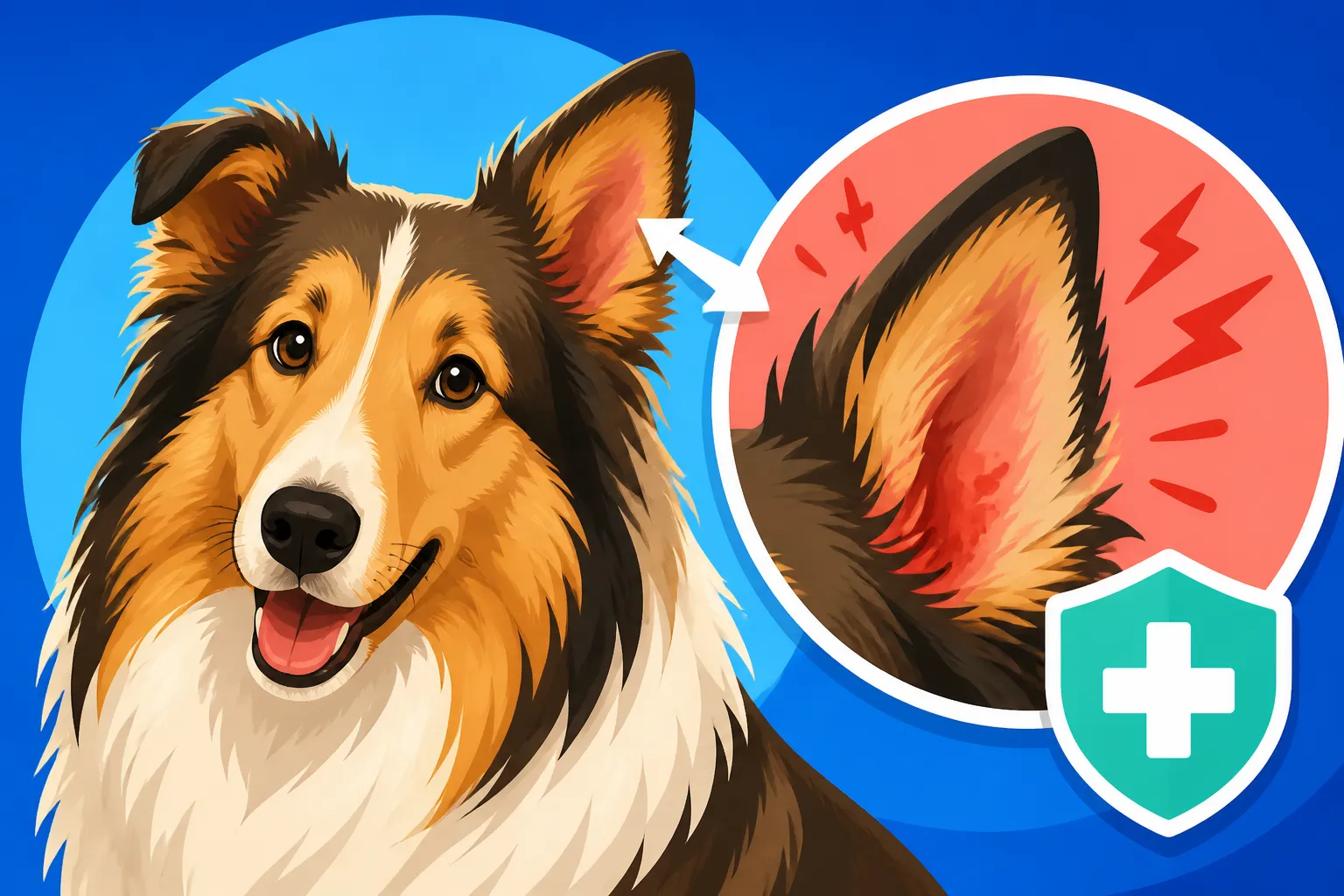
Getting past that magnificent coat to actually inspect your Collie's ears can be a bit of a detective job, but it's essential. Gently lift the ear flap and part the fur around the opening of the ear canal. What you're looking for includes redness or swelling of the skin inside the ear flap and around the canal opening. A healthy ear canal should be pale pink and clean. Any discharge is a definite red flag.
Discharge can vary widely:
- Waxy, brownish-black discharge often points to yeast infections or ear mites. It might look a bit like coffee grounds.
- Yellow or pus-like discharge is usually indicative of a bacterial infection.
- Bloody discharge or excessive redness might suggest more severe inflammation or even a burst blood vessel from vigorous scratching.
Beyond visual cues, smell is a significant indicator. A healthy ear should have little to no odor. An ear infection, however, often produces a distinct, unpleasant smell. It could be yeasty and sweet, musky, or just generally foul. Don't be shy about getting a good sniff! You might even notice crusting around the ear opening from dried discharge. If you're looking for tools to help you keep an eye on things, basic ear cleaning solutions and cotton balls are readily available on platforms like Amazon and Chewy.
Diagnosis and Treatment: Working With Your Vet
Once you suspect an ear infection, your best course of action is to schedule a visit with your veterinarian right away. Don't try to treat it at home with old medications or remedies found online; what works for one type of infection can be ineffective or even harmful for another. Your vet has the tools and expertise to properly diagnose the problem and prescribe the correct treatment.
The Veterinary Examination and Diagnostic Tests
When you take your Collie to the vet for an ear concern, the first thing they'll do is a thorough visual examination. They'll lift the ear flap, check for redness, swelling, and discharge, and likely get a good whiff of the ear. The next crucial step is an otoscopic examination. Using an otoscope, which is a lighted instrument, the vet can look deep into your Collie's ear canal, assessing the condition of the canal itself and checking for any foreign bodies, tumors, or damage to the eardrum. This is particularly important because if the eardrum is ruptured, certain ear medications can cause further harm.
Following the visual exam, your vet will almost certainly take a swab of the discharge from the ear. This sample will be examined under a microscope, a process called cytology. This allows them to identify whether the infection is caused by bacteria, yeast, or ear mites. Sometimes, there's a mix of all three! Knowing the specific culprit is key because different infections require different medications. For persistent or severe infections, the vet might also recommend a culture and sensitivity test, which helps them identify the specific type of bacteria and which antibiotics will be most effective against it. This thorough diagnostic process ensures your Collie gets targeted and effective treatment. You might find yourself needing to visit a specialist, and it's good to know What a Collie's Dermatologist Referral Costs if allergy-related ear issues become chronic.
Common Treatment Protocols
Once the diagnosis is clear, your vet will prescribe a treatment plan. For most ear infections, this involves a combination of ear drops or ointments. These topical medications typically contain a mix of ingredients: an antibacterial agent to fight bacterial infections, an antifungal agent for yeast infections, and an anti-inflammatory to reduce swelling and pain. It's incredibly important to follow your vet's instructions precisely, including the dosage and duration of treatment. Even if your Collie's ear looks and smells better after a few days, it's vital to complete the full course of medication to prevent the infection from returning.
In more severe cases, or if the infection has spread beyond the ear canal, your vet might also prescribe oral medications, such as antibiotics or anti-inflammatory drugs like steroids. If your Collie is known to carry the MDR1 gene mutation, which is common in the breed, it's essential that your vet is aware, as The Drug List That Can Kill a Collie includes certain medications that need to be used with extreme caution or avoided entirely. Always double-check with your vet about any concerns regarding breed-specific drug sensitivities. For chronic or recurring infections, dietary changes or allergy management might also be part of the long-term treatment plan. Sometimes, prescription diets or specific supplements are recommended, and these can often be sourced through specialized pet food retailers.
Proactive Prevention: Keeping Collie Ears Healthy
Preventing ear infections is always better than treating them, and a proactive approach can significantly reduce the chances of your Collie experiencing this uncomfortable ailment. With their unique coat and ear structure, Collies benefit greatly from a consistent routine focused on ear hygiene and environmental management.
Regular Ear Cleaning and Inspection Routine
One of the most effective ways to prevent ear infections is to establish a regular ear cleaning and inspection routine. For most Collies, a quick visual check weekly and a more thorough cleaning every few weeks, or as needed, is ideal. To clean your Collie's ears, always use a vet-approved ear cleaning solution. Never use rubbing alcohol, hydrogen peroxide, or water alone, as these can irritate the delicate skin or fail to properly clean the canal. You can often find suitable ear cleaners on Chewy or Amazon that are recommended by veterinarians.
To clean, gently lift your Collie's ear flap and squirt the cleaning solution directly into the ear canal until it's full. Then, gently massage the base of the ear for about 30 seconds. You'll hear a squishing sound as the solution breaks up wax and debris. Allow your Collie to shake their head – this helps to dislodge the loosened gunk. Finally, use a cotton ball or soft tissue to gently wipe away any visible discharge and cleaner from the outer ear flap and the opening of the ear canal. Never use cotton swabs (Q-tips) deep inside the ear canal, as this can push debris further down, damage the eardrum, or cause trauma. Regular maintenance like this can often prevent minor buildup from becoming a full-blown infection. For detailed advice, see Whether a Collie Needs Ear Cleaning.
Managing Moisture and Allergies
Moisture is the enemy of healthy ears. After baths, swimming, or even a walk in the rain, it's paramount to ensure your Collie's ears are thoroughly dried. Use a soft towel to dab the outer ear, and you can even gently use a hairdryer on a cool, low setting, holding it a safe distance from the ear, to help air out the canal. Placing cotton balls loosely in the ear canal (and remembering to remove them!) during a bath can also help prevent water from getting in. Bathing a Collie Without Wrecking the Coat also touches on drying techniques that benefit overall skin health.
Beyond external moisture, allergies are a huge, often overlooked, cause of chronic ear infections in dogs. Just like humans, Collies can suffer from environmental allergies (pollen, dust mites) or food allergies. These allergies often manifest as itchy skin, and the ears are a common target. If your Collie experiences recurring ear infections despite diligent cleaning, it's time to talk to your vet about investigating underlying allergies. This might involve allergy testing or trying a hypoallergenic or novel protein diet. Some brands like Ollie offer customized, fresh food diets that can be helpful in managing food sensitivities, though always consult your vet before making significant dietary changes. Managing allergies effectively can break the cycle of recurring ear infections.
Grooming the Ear Region
While you would never shave a Collie's beautiful coat, a little strategic trimming around the ear can make a big difference in preventing infections. The long feathering and dense undercoat around the opening of the ear canal can trap moisture and debris and severely restrict airflow. Carefully trimming this hair with blunt-nosed scissors or clippers on a very cautious, high-setting blade can open up the ear canal, allowing for better air circulation and making it easier for moisture to evaporate.
This isn't about altering the distinctive look of your Collie, but rather a practical health measure. You can ask your professional groomer to do this for you, specifically requesting that they "tidy" or "clear" the hair around the ear canal opening. This small act of maintenance can significantly reduce the likelihood of trapped moisture and debris, thereby making the ear less hospitable for bacteria and yeast. Think of it as creating a natural ventilation system for their ears, which helps keep them dry and clean.
When to Seek Veterinary Care: A Quick Guide
Knowing when to act can prevent a minor irritation from becoming a serious health issue for your Collie. Here's a quick reference for understanding the urgency of different ear symptoms:
| Sign / Symptom | Potential Cause (Common) | Urgency Level |
|---|---|---|
| Mild head shaking, occasional scratching | Minor irritation, early stage infection | Monitor closely, gentle cleaning |
| Redness, waxy buildup, mild odor | Yeast overgrowth, minor bacterial infection | Schedule vet appointment soon |
| Frequent head shaking, persistent scratching | Moderate infection, significant irritation | Vet appointment within 1-2 days |
| Strong, foul odor; yellow/green discharge | Bacterial infection, potentially severe | Urgent vet visit, same day if possible |
| Swelling of the ear flap, pain when touched | Severe inflammation, deep infection, hematoma | Urgent vet visit, same day if possible |
| Head tilt, loss of balance, walking in circles | Inner ear infection, neurological issue | Emergency vet visit immediately |
| Dark, crumbly discharge ("coffee grounds") | Ear mites | Schedule vet appointment soon |
| Bleeding, open sores from scratching | Trauma, secondary infection | Vet visit within 24 hours |
Remember, your Collie's health is paramount, and early intervention is always best when it comes to ear infections. A simple vet visit can make all the difference.
Disclaimer
This article is for general informational purposes only and does not constitute professional advice. Laws, prices and regulations vary by location and change over time. Consult a qualified professional for guidance on your specific situation.