Bloat in a Deep Chested Collie
Few things strike fear into the heart of a Collie owner quite like the sudden, devastating onset of bloat. Despite their calm demeanor and generally robust health, our beloved deep-chested Collies are particularly susceptible to this terrifying condition, medically known as Gastric Dilatation-Volvulus, or GDV. It's an emergency that can turn a perfectly normal evening into a frantic race against time, leaving owners feeling helpless and terrified. This comprehensive guide is here to demystify bloat, equip you with crucial knowledge, and help you protect your cherished Collie from this silent, swift threat.
Understanding Gastric Dilatation-Volvulus (GDV) in Collies
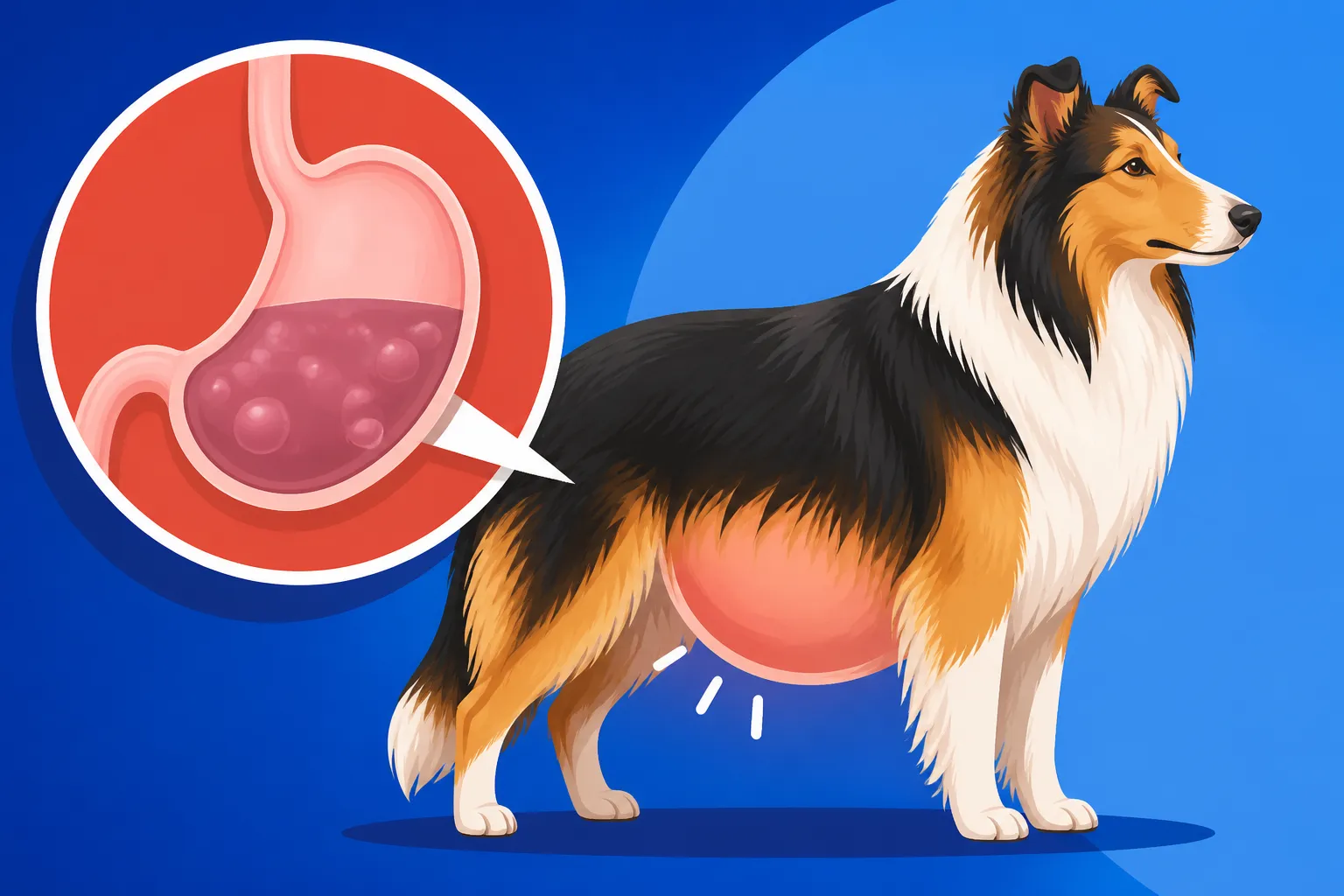
Gastric Dilatation-Volvulus, or GDV, is an acute, life-threatening condition where a dog's stomach fills with gas, food, or fluid (dilatation) and then twists upon itself (volvulus). This twisting seals off both the entrance and exit of the stomach, trapping everything inside. It's a true medical emergency that can kill a dog within hours if not treated promptly. For Collie owners, understanding this mechanism is paramount because our dogs are unfortunately predisposed.
The Mechanics of Bloat: What Happens Inside
Imagine a balloon being inflated inside your dog's abdomen. That's essentially what happens during the initial dilatation phase of bloat. The stomach rapidly expands with gas, putting immense pressure on other organs and the diaphragm, making it hard for your Collie to breathe. This pressure also compresses major blood vessels, restricting blood flow back to the heart. The internal struggle for space and blood flow quickly becomes critical.
But it's the "volvulus," or twisting, that makes GDV so deadly. When the stomach twists, it effectively "ties off" the blood supply to the stomach wall itself. Without blood flow, the stomach tissue begins to die rapidly, releasing toxins into the bloodstream. This twisting also impacts the spleen, which is often attached to the stomach, leading to further complications and internal damage. The shock to the system is profound, and the pain is excruciating. It's a cascade of events that, once started, accelerates quickly, highlighting why How Fast Bloat Kills a Collie is a question every owner needs to understand the answer to: very, very quickly.
Why Deep-Chested Breeds Are at Higher Risk
Collies, with their elegant, somewhat narrow, and deep chests, fit the classic profile of breeds at higher risk for GDV. While the exact reasons aren't fully understood, the prevailing theory is that their body shape creates more "swinging room" for the stomach to distend and twist. In a broad, shallow chest, the stomach might be more constrained, less likely to flip. But in a deep chest, there's a larger vertical dimension, allowing the stomach to hang and potentially rotate more freely.
This anatomical predisposition is a major reason Why a Collie's Chest Shape Raises Bloat Risk is such an important topic for us. It’s not just about size; it's about the specific geometry of their ribcage and abdomen. While individual Collies vary, the breed standard generally favors this deep-chested structure, inadvertently increasing their inherent risk. Owners of other deep-chested breeds like Great Danes, Weimaraners, and German Shepherds face similar concerns, but for Collies, it's a specific and ever-present worry that requires vigilance.
Identifying the Warning Signs of Bloat
Recognizing the early warning signs of bloat is the single most important thing you can do to save your Collie's life. GDV is not a condition where you can "wait and see." Minutes matter. Many of the initial symptoms can be subtle and easily mistaken for general discomfort or a mild upset stomach, which makes careful observation of your Collie after meals or vigorous exercise absolutely critical.
The Subtle Early Indicators
Before the full-blown crisis, your Collie might display more nuanced signs that something is wrong. These often include restlessness or pacing, an inability to get comfortable, and repeatedly looking at their flank. They might try to lie down but immediately get up, shift positions frequently, or generally seem agitated and unable to settle. You might also notice excessive drooling, sometimes with foamy saliva, as they become nauseous and attempt to vomit without success.
Another early sign can be repeated, unproductive retching or gagging. Your Collie might strain as if to vomit, but nothing comes up, or perhaps only a small amount of foamy mucus. This is a huge red flag. They're trying to relieve pressure, but the twisted stomach prevents it. As the gas builds, you might start to see their abdomen appear slightly distended or feel taut when you gently press on it. These early signs, though subtle, should trigger immediate alarm bells in a Collie owner. Don't dismiss them as just a tummy ache; think bloat first.
Critical Symptoms Demanding Immediate Action
As bloat progresses, the symptoms become far more pronounced and dire. The most obvious, and often terrifying, sign is a visibly distended and hard abdomen. This swelling can be rapid and dramatic, particularly on the left side, though it can affect the whole belly. Your Collie’s belly will feel drum-tight, like a balloon stretched to its limit. They will likely be in excruciating pain, panting heavily, and showing signs of extreme distress.
Other critical symptoms include rapid, shallow breathing due to the pressure on the diaphragm, pale gums, and a weak, rapid pulse. Your Collie may collapse, become unresponsive, or exhibit extreme weakness. At this stage, time is of the essence. There is no home remedy for bloat; surgical intervention is the only solution. If you observe any of these severe signs, do not hesitate. Call your emergency veterinarian immediately and tell them you suspect GDV. Every second counts. Remember, Signs a Collie Is Bloating are distinct and demand immediate attention.
Risk Factors Specific to Collies
While being a deep-chested breed is the primary anatomical risk factor, several other elements can increase a Collie's chances of experiencing bloat. These range from how and what they eat to their activity levels and even their individual temperament. Understanding these factors allows owners to implement preventive strategies tailored to their dog's lifestyle and predispositions.
Dietary and Feeding Habits
The way a Collie eats can significantly influence their bloat risk. Eating one large meal a day, especially if consumed rapidly, is a recognized risk factor. When a dog eats quickly, they tend to gulp down a lot of air along with their food, which contributes to gas buildup in the stomach. Similarly, drinking a large quantity of water very quickly, particularly after a meal, can also contribute to stomach distension.
Certain types of food have been implicated, though research is ongoing and sometimes contradictory. Some studies suggest that diets high in fat or those with citric acid listed among the first four ingredients might increase risk, while others point to kibble with smaller particle sizes allowing for faster consumption. Regardless of specific food types, feeding practices are crucial. Splitting daily food into two or three smaller meals, encouraging slower eating with puzzle feeders or slow-feed bowls, and limiting water intake immediately after meals can all help. These adjustments are key considerations when asking Whether a Collie's Meals Should Be Split.
Exercise and Stress Triggers
Intense physical activity immediately before or after a meal is another significant risk factor for GDV in Collies. The theory is that vigorous movement can cause the gas-filled stomach to jostle and twist. Think of it like a full sack swinging around: it's more likely to flip if subjected to sudden movements. This is why it’s often advised to wait at least an hour before and after meals for any strenuous exercise, play, or car rides. A short, calm walk to relieve themselves is usually fine, but leave the running, jumping, and excited play for later.
Beyond physical exertion, stress and anxiety can also play a role. Some studies suggest that anxious or fearful dogs may be at a higher risk of bloat. Collies, while generally even-tempered, can be sensitive dogs who pick up on household tension or experience stress in new environments or during disruptions to their routine. Chronic stress can affect digestive motility and contribute to the conditions ripe for bloat. While you can't eliminate all stress, a calm, predictable environment, and gentle handling can contribute to your Collie's overall well-being and potentially reduce their risk. This underscores the importance of a tranquil period around mealtimes, reinforcing Whether a Collie Should Rest After Eating.
Genetic Predisposition and Temperament
While specific genes for bloat haven't been definitively identified, a genetic component is strongly suspected, particularly given the breed predispositions. If a Collie's parents or close relatives have experienced bloat, especially if it was non-traumatic (meaning not caused by an injury), that individual Collie might have an increased genetic susceptibility. This genetic link is part of the broader conversation around a dog's overall health lineage, much like discussing What the Collie DNA Health Panel Covers for other conditions.
Temperament can also be a subtle factor. Dogs described as fearful, aggressive, or unusually excited are sometimes found to be at higher risk, possibly due to the physiological effects of stress on the digestive system. Rapid eating, as mentioned, is also a behavioral trait that can be influenced by early life experiences or competition with other dogs. Owners should observe their Collie's eating habits and general anxiety levels and discuss any concerns with their veterinarian. While we can't change a dog's inherent genetics or core temperament, understanding these influences helps us mitigate the environmental and behavioral triggers that can interact with these predispositions.
Emergency Protocol: What to Do When Bloat Strikes
The moment you suspect bloat in your Collie, your ability to act swiftly and decisively can literally be the difference between life and death. This isn't a situation for hesitation, online research, or calling a friend. It demands immediate, focused action. Having a plan in place before an emergency strikes can drastically improve your Collie's chances.
First Steps at Home
The absolute first step is to call your veterinary emergency clinic. Do not call your regular vet if it's after hours; know the number and location of the nearest 24/7 emergency facility. Explain your symptoms clearly: "My deep-chested Collie is showing signs of bloat – pacing, retching unsuccessfully, and her abdomen is distended." This allows them to prepare for your arrival, ensuring that staff and surgical suites are ready the moment you walk through the door. This immediate communication can shave precious minutes off treatment time, which are critical when dealing with a condition as rapidly progressing as GDV.
While you're making the call or on your way, try to keep your Collie as calm as possible, but do not attempt to force them to vomit, give them antacids, or try any other home remedies. These actions can be counterproductive or even dangerous. Simply focus on safely transporting them. If you have more than one person, one can drive while the other monitors the dog. Position your Collie comfortably in the car, supporting their body if they are weak. The goal is to get to the emergency clinic as quickly and safely as possible, minimizing any additional stress on your dog. Having an emergency kit for your Collie, possibly including a medical alert tag, can also be beneficial in these stressful moments, just as a Whether a Collie Should Wear a Medical Tag debate might suggest.
Communicating with Your Emergency Vet
When you arrive at the emergency clinic, reiterate your concerns about bloat. The veterinary team will immediately prioritize your Collie, whisking them away for an initial assessment. Be prepared to provide a brief but clear history: when you first noticed symptoms, what those symptoms were, and any recent activities (like eating or exercise). The vet will typically perform a quick physical exam, check vital signs, and likely take an X-ray to confirm GDV. The X-ray is crucial to differentiate simple bloat (gastric dilatation) from GDV (gastric dilatation-volvulus), as the latter absolutely requires surgery.
Don't be afraid to ask questions, but understand that the veterinary team will be moving very fast. They will likely explain the diagnosis, the severity of the condition, and the immediate treatment plan, which almost always involves stabilizing your Collie before surgery. This stabilization might include placing IV catheters for fluids, pain medication, and potentially decompressing the stomach if it's distended enough to severely impair breathing. Discussing the financial implications, such as What a Collie's Emergency Visit Costs, will also be part of this conversation, so be prepared for that reality.
What to Expect at the Clinic
Once GDV is confirmed, the veterinary team will immediately begin preparations for emergency surgery. This procedure, called a gastropexy, involves untwisting the stomach and then tacking it to the abdominal wall to prevent future rotations. While the surgery itself is life-saving, it's not without risks, as the dog's system is already in shock. The vet will explain these risks, including potential complications during and after surgery, such as heart arrhythmias, tissue damage, and infection.
Post-operative care is also intensive. Your Collie will likely remain hospitalized for several days for close monitoring, pain management, and fluid therapy. They will need careful reintroduction to food and water, often with small, frequent meals of a bland diet. The recovery period at home will involve restricted activity and continued monitoring for any signs of complications. It's a challenging journey, but the survival rate for Collies who receive prompt surgical intervention is good, often ranging from 75-85%. This highlights the critical importance of immediate action and access to emergency veterinary care. While a medical emergency is never ideal, having resources like What an MDR1 Collie Costs a Collie Owner in Caution and Vet Time can provide some financial context for the journey ahead.
Preventive Measures for Collie Owners
Knowing the risks of bloat is one thing; actively working to prevent it is another. For Collie owners, implementing specific preventive measures is a proactive step towards ensuring the long-term health and safety of their cherished companions. These strategies focus on managing known risk factors through changes in diet, activity, and in some cases, elective surgical procedures.
Modifying Feeding Routines
One of the most impactful ways to reduce bloat risk is by adjusting your Collie's feeding habits. Instead of one large meal a day, divide their daily food allowance into two or three smaller meals. This reduces the amount of food and gas in the stomach at any one time, making distension and twisting less likely. For a typical adult Collie, morning and evening meals are a good start, but a third midday meal can be even better, if feasible.
Consider investing in a slow-feed bowl or a puzzle feeder if your Collie is a "gobbler." These specialized bowls have ridges or obstacles that force dogs to eat more slowly, reducing the amount of air they gulp down. Another crucial habit is to ensure a calm environment during meal times. Avoid feeding your Collie immediately before or after strenuous exercise. A rest period of at least one hour before and after meals is generally recommended. This practice directly relates to Whether a Collie Should Rest After Eating and is a simple yet effective adjustment to make. Also, limit large amounts of water immediately after eating. While hydration is essential, rapid, copious drinking right after a meal can exacerbate stomach distension. Offer smaller amounts more frequently.
Managing Exercise and Stress
Careful management of your Collie's exercise schedule is another cornerstone of bloat prevention. As mentioned earlier, vigorous activity close to meal times is a significant risk factor. Plan your Collie’s walks, playtime, and training sessions so they don't coincide with eating. A gentle stroll to relieve themselves is usually fine, but leave the high-energy games, long runs, or intense training for several hours before or after meals. This is especially true for puppies and young adults who tend to be more enthusiastic.
Beyond physical exertion, recognizing and mitigating stress in your Collie is also beneficial. Collies are intelligent and sensitive dogs, and while generally resilient, chronic stress can have physiological impacts. Try to maintain a predictable routine, especially around meal times. If your Collie experiences anxiety in certain situations (e.g., thunderstorms, vet visits, car travel), discuss strategies with your vet or a professional trainer to help manage their stress. This might involve counter-conditioning, desensitization, or in some cases, temporary calming aids. A calm body and mind are less prone to the physiological upheavals that can precede a bloat episode.
Considering a Prophylactic Gastropexy
For many deep-chested breeds, including Collies, a prophylactic gastropexy (often called a "preventive gastropexy") is a strong consideration. This elective surgical procedure permanently tacks the stomach to the abdominal wall, preventing it from twisting. It does not prevent the stomach from dilating (filling with gas), but it dramatically reduces the risk of the much more life-threatening volvulus component of GDV. If a dog with a gastropexy still bloats, it's typically a much less severe form that is more easily treated.
This procedure is often performed at the same time as a spay or neuter, especially in younger Collies, to minimize the number of times the dog needs to undergo anesthesia. For older Collies who haven't been spayed/neutered or who are still intact, it can be done as a standalone procedure. It’s a serious decision that involves surgery and recovery, but for many owners, the peace of mind is invaluable. Discuss the pros and cons, as well as the costs, with your veterinarian. This is a crucial topic when considering Whether a Collie Should Have a Preventive Gastropexy. Pet insurance providers like Healthy Paws often cover prophylactic gastropexy when done in conjunction with a covered accidental injury or illness, though elective procedures generally require a specific rider or a wellness plan add-on, so it's always worth checking your policy details. Healthy Paws is known for comprehensive coverage, but policies vary.
Life After Bloat: Recovery and Long-Term Care
If your Collie has survived a bloat episode and undergone emergency surgery, the journey doesn't end there. The recovery period, both immediate and long-term, requires careful attention, management, and a commitment to ongoing preventive measures to ensure the best possible outcome for their continued health.
Post-Operative Care at Home
Bringing your Collie home after GDV surgery is a significant milestone, but it marks the beginning of a crucial recovery phase. Your vet will provide detailed post-operative instructions, which typically include strict activity restrictions for several weeks. This means no jumping, running, or strenuous play. Leash walks for potty breaks only will be the norm. An incision site will need to be monitored for signs of infection, swelling, or redness, and you’ll need to prevent your Collie from licking or chewing at it, possibly with an Elizabethan collar (the "cone of shame").
Pain management will be critical during this period. Your vet will prescribe appropriate pain medications, and it's essential to administer them exactly as directed. Your Collie may also be on antibiotics. Beyond the physical healing, your dog might be a bit subdued or even confused initially due to the anesthesia and trauma of surgery. Providing a quiet, comfortable space, plenty of rest, and gentle reassurance will aid their emotional recovery. Patience is key, as full recovery can take several weeks.
Dietary Adjustments for Continued Health
Even with a gastropexy, which prevents the stomach from twisting again, ongoing dietary management is vital to minimize the risk of future bloat (dilatation without volvulus) or other digestive upsets. The focus will be on small, frequent meals of a high-quality, easily digestible diet. Your vet might recommend a specific prescription diet for a period, or guide you on choosing an appropriate over-the-counter food. The principle remains the same: smaller portions, fed more often, to prevent the stomach from overfilling with food and gas.
Continue to use slow-feed bowls if your Collie is a fast eater, and strictly enforce the rest period before and after meals. Monitor their water intake, ensuring they have constant access to fresh water but discouraging rapid, large gulps after eating or exercise. Some owners choose to moisten kibble slightly to encourage slower eating and add a bit of hydration, though opinions vary on its direct impact on bloat prevention. Any dietary changes should be introduced gradually and always discussed with your veterinarian to ensure they support your Collie's recovery and long-term health.
Monitoring for Recurrence
While a gastropexy drastically reduces the risk of life-threatening GDV, it doesn't eliminate the possibility of gastric dilatation (bloat without the twist). This means continued vigilance for bloat symptoms is still necessary. You might still observe restlessness, unproductive retching, or abdominal discomfort if your Collie's stomach fills with gas, even if it can't twist. These episodes, while less immediately fatal, still require veterinary attention to relieve the distension and address any underlying causes.
Beyond bloat, watch for any other changes in appetite, energy levels, stool consistency, or general behavior. Collies, like any breed, can face other health challenges, and knowing What Most Collies Die Of underscores the importance of ongoing vigilance. Regular veterinary check-ups are essential, especially as your Collie ages. These visits allow your vet to monitor their overall health, discuss any concerns, and reinforce preventive strategies. For senior Collies, who may face a range of age-related issues, Caring for a Collie Past Nine involves even more diligent monitoring and preventive care, including continued awareness of bloat risk. Having a good pet insurance plan, such as one from Healthy Paws, can be incredibly helpful for managing the costs of ongoing care and any unexpected health issues that may arise.
Dispelling Common Bloat Myths and Misconceptions
When a condition is as frightening and rapid as bloat, it's natural for myths and old wives' tales to circulate, promising easy fixes or definitive causes. However, relying on misinformation can be dangerous. It's crucial for Collie owners to separate fact from fiction and focus on evidence-based prevention and emergency protocols.
Raised Bowls and Other Old Wives' Tales
One of the most persistent myths surrounding bloat prevention is that using raised feeding bowls reduces risk. The idea was that dogs wouldn't gulp as much air if they didn't have to bend their necks to eat. However, studies have actually shown the opposite: feeding from a raised bowl might actually increase the risk of GDV in large and giant breeds. The current veterinary consensus is that raised bowls offer no protection and may even be detrimental. It's thought that a dog eating from a raised bowl might still gulp air, and the positioning could make stomach rotation easier during digestion.
Another misconception is that only certain types of kibble cause bloat, or that a raw diet completely prevents it. While diet quality and components can play a role, no single food type is a guaranteed trigger or a magic bullet. Rapid ingestion of any food, excessive post-meal activity, and the dog's individual anatomy and genetics are far more influential than the specific brand or form of food. Focusing solely on diet without addressing feeding habits and exercise is a missed opportunity for comprehensive prevention. Stick to your vet's advice regarding diet and feeding mechanics, not anecdotal evidence from online forums.
Breed Specificity Beyond the Obvious
While the general term "deep-chested breeds" is often used in discussions about bloat, it's important to remember that not all deep-chested dogs are equally at risk, and even within a breed, individual risk varies. For example, while Great Danes have one of the highest risks, Collies, despite being deep-chested, might have a slightly different risk profile compared to a Basset Hound, another deep-chested breed. It's not just the depth but also the ratio of chest depth to width that is thought to contribute to risk.
Furthermore, some people mistakenly believe that only adult or senior dogs are at risk. While bloat is more common in middle-aged to older dogs, it can occur in Collies of any age, even relatively young ones. It’s also often assumed that bloat only happens after eating a huge meal. While large meals are a risk factor, bloat can occur with small meals, or even just from drinking water, especially if accompanied by stress or vigorous activity. The key takeaway is to be vigilant about all risk factors and symptoms, regardless of your Collie's age, specific build, or recent eating habits, and to remember that prevention applies universally.
The Emotional Toll of Bloat on Collie Owners
Beyond the medical emergency and the physical recovery of the dog, bloat takes a significant emotional toll on Collie owners. The suddenness, the severity, and the race against time create immense stress and anxiety, leaving a lasting impact even after the immediate crisis has passed.
The Urgency and Fear
The sheer urgency of a suspected bloat episode is terrifying. One moment your Collie is fine, the next they are showing distressing symptoms, and you know, deep down, that you have mere minutes to act. This intense pressure to make split-second decisions and get your dog to emergency care creates a profound sense of panic and fear. Owners often describe feeling helpless as they watch their beloved dog suffer, unable to relieve the pain or reverse the process themselves.
The financial strain also adds to the stress. Emergency bloat surgery is a costly procedure, and having to make critical health decisions for your dog while simultaneously facing a potentially huge vet bill is an awful situation. This is where comprehensive pet insurance plans, like those offered by Healthy Paws, can provide an immense sense of relief. Knowing that a significant portion of the emergency vet bill might be covered allows owners to focus purely on their Collie's immediate needs, rather than being paralyzed by financial anxiety. Healthy Paws, for example, is known for its strong coverage for accidents and illnesses, which would include emergency bloat surgery, potentially easing this burden for many Collie families.
Coping with the Aftermath
Even if your Collie survives bloat, the emotional scars can linger. Owners often experience guilt, wondering if they missed early signs or could have done something differently. There's also the trauma of witnessing their dog in such severe pain and the anxiety of the waiting period during surgery. For weeks or months afterward, every gurgle from their Collie's stomach, every restless shift, can trigger a fresh wave of fear, making owners hyper-vigilant.
This hyper-vigilance, while understandable, can be exhausting. It's important for owners to acknowledge their own emotional experience and, if needed, seek support from friends, family, or even a professional. Connecting with other Collie owners who have experienced bloat can also be incredibly validating and helpful. While the experience is harrowing, remember that you did everything you could. Implementing preventive measures and having a plan in place, as outlined in this guide, is the best way to safeguard your Collie's future and your own peace of mind. Ultimately, being prepared is the best act of love for your deep-chested companion.
| Symptom Category | Early Signs of Bloat | Critical Signs of Bloat |
|---|---|---|
| Behavioral | Restlessness, pacing, difficulty settling, repeatedly looking at flank, agitation | Extreme pain, collapse, unresponsiveness, extreme weakness |
| Oral/Vocal | Excessive drooling, attempts to vomit with no or foamy production, repetitive retching/gagging | Weak, rapid pulse, pale gums |
| Physical | Mild abdominal distension or tautness, discomfort when abdomen is touched | Rapidly distending, hard, drum-like abdomen, rapid shallow breathing |
| Urgency | Immediate vet call recommended | Emergency vet visit CRITICAL |
Disclaimer
The information provided in this guide is for educational purposes only and is not a substitute for professional veterinary advice. Always consult with your veterinarian for any health concerns or before making any decisions related to your Collie's health and well-being. Emergency situations like bloat require immediate veterinary attention.