Whether a Collie’s Dewclaws Are Removed
It’s a question many Collie owners find themselves pondering, often after a quick search online or a conversation with another dog enthusiast: "Should my Collie's dewclaws be removed?" This seemingly minor anatomical detail can stir up a surprising amount of debate and confusion, leading to frustration for owners who just want to do what’s best for their beloved companion. This guide will cut through the noise, explaining what dewclaws are, why some are removed, and how to make an informed decision for your own Collie.
Understanding Your Collie's Dewclaws: More Than Just a "Thumb"
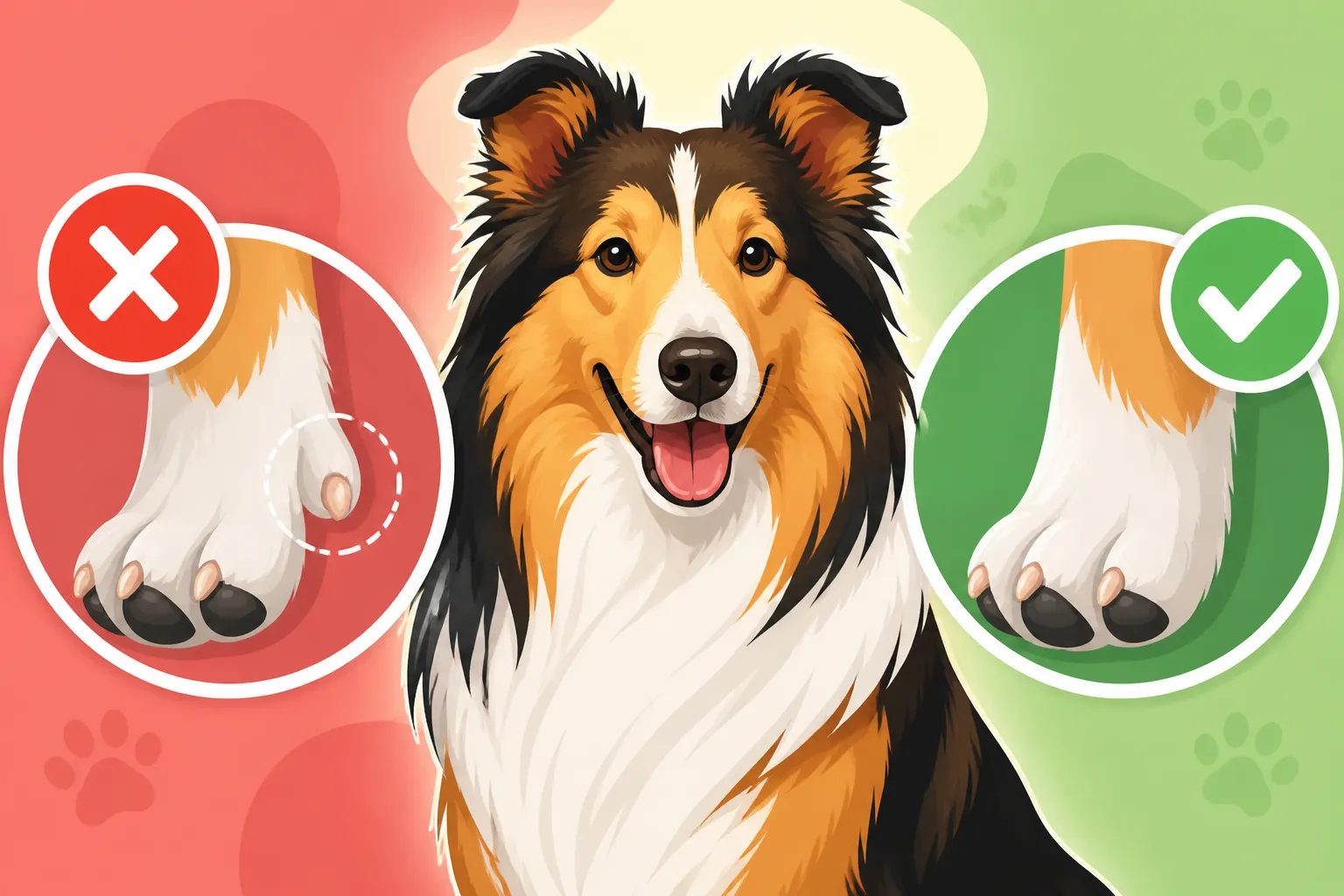
When you look at your Collie’s paws, you’ll typically see four main toes that make contact with the ground. But then there’s that little digit higher up on the leg, often looking like an extra, almost vestigial thumb. That’s the dewclaw, and its presence – or absence – can tell you a bit about your dog's genetics and even their activity level. For Collies, dewclaws are typically found on the front legs, but occasionally, you might encounter a Collie with hind dewclaws too.
Front Dewclaws: The Functional "Thumb"
Most dogs, including Collies, naturally possess front dewclaws. These are generally well-attached, meaning they have bone and muscle connecting them to the rest of the limb. Far from being useless, these front dewclaws actually serve a purpose. Imagine your Collie running at top speed, or making a sharp turn during play. Their front dewclaws can help them grip the ground, acting almost like a brace or a thumb to stabilize the wrist joint (the carpus) and prevent torque or injury. Some even use them to hold bones or toys more securely while chewing or playing. So, while they might seem out of the way, they do contribute to your Collie’s agility and overall paw function. It’s an evolutionary holdover, yes, but one that still offers practical benefits.
Hind Dewclaws: A Different Story
Hind dewclaws are a bit rarer and often present a different situation. Unlike their front counterparts, hind dewclaws in many breeds are not always well-attached. They might only be connected by skin and a bit of cartilage, lacking the strong bone and muscle structure of front dewclaws. In Collies, true hind dewclaws (meaning they have bone connection) are considered rare, and often, what you might see are "loose" or "floating" dewclaws that hang limply. These poorly attached hind dewclaws are the ones that are most commonly discussed for removal, as they are truly non-functional and prone to being snagged or torn, which can be quite painful for your dog. If you ever come across a Collie with hind dewclaws, it's worth noting their attachment for potential future discussion with your vet.
The Historical Argument for Dewclaw Removal
For generations, the removal of dewclaws has been a common practice in many dog breeds, driven by a blend of tradition, perceived practicality, and sometimes, breed standards. It's important to understand the origins of this practice to weigh it against modern veterinary understanding and your Collie's individual needs.
Preventing Injury in Working Dogs
Historically, especially in working breeds like the Collie's ancestors who spent their days herding sheep across rough terrain, dewclaws were seen as a potential liability. Picture a Collie navigating thorny bushes, scrambling over rocky outcroppings, or dashing through dense undergrowth. A snagged dewclaw could lead to a painful tear, infection, and time off work. For a dog whose livelihood (and its owner's) depended on its ability to work without interruption, prophylactic removal seemed like a sensible precaution. This concern was particularly prevalent for those loosely attached hind dewclaws, which truly offer little benefit and a higher risk of injury. The idea was to eliminate a potential problem before it ever arose, especially if the dog was destined for an active life outdoors.
Breed Standard and Aesthetics
Beyond pure practicality, breed standards and aesthetic preferences also played a significant role. In some breeds, removal of dewclaws became part of the established "look" of the dog for show purposes. While the Collie breed standard doesn't typically mandate dewclaw removal, the general practice of removing hind dewclaws was often adopted across many breeds for uniformity. Breeders might opt to remove dewclaws on newborn puppies, often within the first few days of life, before the bone fully hardens and nerve endings are fully developed. This early removal is usually a quick procedure, causing minimal discomfort to the puppy at that stage. This has led to a common misconception that all dewclaws should be removed, simply because it was routinely done. Many puppies destined for the show ring, regardless of breed, might have had their dewclaws removed if it was a common practice in their lineage, even if not strictly required by the standard.
Should Your Collie's Dewclaws Be Removed? Modern Perspectives
The decision of whether to remove your Collie's dewclaws is far more nuanced today than it once was. Modern veterinary medicine often leans towards preserving anatomy unless there's a clear medical reason for removal. It's a conversation you should have with your veterinarian, considering your specific dog and lifestyle.
Weighing the Pros and Cons
Let's break down the common arguments for and against dewclaw removal for your Collie:
| Feature | Argument for Removal | Argument Against Removal/For Retention |
|---|---|---|
| Injury Risk | Prevents painful tears, snags, and infections, especially for poorly attached hind dewclaws or very active dogs. Reduces vet visits for dewclaw-related injuries. | Well-attached front dewclaws have a low injury rate and are functionally useful for grip and stability. Removal is an elective surgery with its own risks. |
| Functionality | Non-functional hind dewclaws offer no benefit. | Front dewclaws assist with traction, especially during quick turns and high-speed running, helping to protect the carpal (wrist) joint from hyperextension or twisting injuries. Collies are agile dogs, and this stability can be valuable. |
| Grooming Ease | One less nail to trim regularly. Avoids potential overgrowth leading to ingrown nails if neglected. | Regular nail trimming (as you would for other nails) makes caring for dewclaws straightforward. It's part of How Often a Collie's Nails Need Trimming. The risk of overgrowth can be managed with proper care. |
| Surgical Risk | When done on puppies (2-5 days old), it's a minor procedure with minimal risk. | For adult dogs, it's a surgical procedure requiring anesthesia, which always carries some risk. Recovery can involve pain, swelling, and careful wound management. Complications like infection or nerve damage, while rare, are possible. |
| Pain/Discomfort | Minimal pain for neonatal removal. | Adult removal involves post-operative pain and a recovery period. Even minor injuries to an intact dewclaw are typically less severe than surgical recovery. |
| Aesthetics | Some prefer the clean look, especially for show dogs (though not a Collie standard requirement). | Natural appearance of the dog. Many argue that functional body parts should be preserved unless medically necessary. |
The Modern Veterinary Recommendation
For front dewclaws that are well-attached, the overwhelming modern veterinary consensus is to leave them intact. Their functional benefits for joint stability and traction are increasingly recognized, and the risk of injury is often overstated, especially for pet Collies living in typical household environments. Think about your Collie's daily routine: are they scaling mountains, running through dense forests, or mostly enjoying walks in the park and playtime in the yard? For most Collies, severe dewclaw injuries are rare if the nails are kept trimmed.
However, for hind dewclaws, especially those that are loosely attached ("floating"), the recommendation often shifts. These dewclaws truly offer no functional benefit and are indeed more prone to being torn or snagged, leading to pain and potential infection. If your Collie has loosely attached hind dewclaws, your vet might recommend their removal. This is usually done when the puppy is very young, or later in conjunction with another surgical procedure like spaying or neutering, to avoid an additional anesthetic event. It's a thoughtful approach that prioritizes the dog's well-being and minimizes unnecessary interventions.
Living With Intact Dewclaws: Care and Considerations
If your Collie has its dewclaws, whether front or hind, rest assured that caring for them is a manageable part of routine grooming and health monitoring. It’s not a burden, but another aspect of responsible pet ownership.
Regular Nail Trimming is Key
This is perhaps the most crucial piece of advice for Collies with intact dewclaws. Just like their other nails, dewclaws grow continuously and need regular trimming. Because they often don't make contact with the ground during walking, they don't get worn down naturally. If left untrimmed, dewclaws can grow into a painful, curling spiral that can eventually pierce the paw pad. This is not only incredibly painful but can lead to severe infections.
Most Collies need their nails trimmed every 2-4 weeks. When you're tackling your Collie's regular nail trim, don't forget those dewclaws! You can use traditional clippers or a Dremel tool, whichever your Collie tolerates better. Products available on platforms like Chewy or Amazon offer a wide range of options, from scissor-style clippers to guillotine types and even rotary tools. If you're unsure how to do it safely, your vet or a professional groomer can demonstrate the proper technique. Neglecting this simple step is where most dewclaw "problems" truly begin, not with the dewclaw itself. Regular nail care is part of the Ears, Feet and the Small Jobs on a Collie that keeps them comfortable.
Monitoring for Injuries and Overgrowth
Even with diligent trimming, accidents can happen. Your Collie might still snag a dewclaw occasionally during enthusiastic play or an adventurous romp. It's important to know what to look for:
- Limping or favoring the paw: This is a clear sign something is bothering them.
- Excessive licking or chewing: If your Collie is constantly focusing on one paw, especially the dewclaw area, check it out.
- Swelling, redness, or discharge: These are signs of infection, often from a tear or an ingrown nail.
- Visible tear or break: Sometimes, the nail might be partially torn or completely ripped off.
If you notice any of these signs, it's time for a vet visit. Early intervention can prevent minor issues from becoming major ones. Similarly, make a habit of checking all your Collie's nails, including the dewclaws, during your regular grooming sessions. This allows you to catch any signs of overgrowth or potential issues before they cause discomfort. Incorporate this check into your routine when you're doing other grooming tasks, like using your Four Tools and Twenty Minutes: Brushing a Rough Collie.
Lifestyle Considerations and Prevention
For very active Collies, particularly those involved in sports like agility, hiking, or even competitive herding, some owners choose to provide extra protection. This might involve paw boots or wraps for specific activities on rough terrain. While not usually necessary for the average pet Collie, it's an option for those whose lifestyles might genuinely put their dewclaws at higher risk.
Ultimately, the decision to remove a Collie's dewclaws (especially well-attached front ones) should be made only after careful consideration and a thorough discussion with your veterinarian. For most Collies, the functional benefits of intact front dewclaws outweigh the minimal risks, provided you commit to regular nail care. If your Collie has loose hind dewclaws, discussing removal with your vet at a young age or during another anesthetic procedure is a reasonable preventative measure to consider. Good care ensures your Collie’s paws, dewclaws and all, remain healthy and happy throughout their life. It's also wise to ensure your vet clinic has your Collie's specific needs, like dewclaw status, flagged in their records; perhaps consider the advice from Whether a Collie's Chart Should Be Flagged at the Clinic.
Disclaimer
This article is for general informational purposes only and does not constitute professional advice. Laws, prices and regulations vary by location and change over time. Consult a qualified professional for guidance on your specific situation.