Whether an Old Collie Needs Softer Food
As our beloved Collies gracefully age, their needs naturally change, and one area often overlooked until a problem arises is their diet. Many Collie owners find themselves wondering if their once voracious kibble-cruncher suddenly needs something softer to eat, struggling with their meals, or simply losing interest in food altogether. This comprehensive guide is here to walk you through the signs, reasons, and best practices for adjusting your senior Collie's diet to softer food, ensuring their golden years are as comfortable and nourished as possible.
The Natural Shift: Why Senior Collies Might Need Softer Food
It’s easy to think of our Collies as forever young, full of boundless energy and that iconic cheerful bark. But just like us, they experience a host of physiological changes as they move into their senior years, typically starting around age seven or eight. These changes can directly impact their ability and desire to eat the same food they always have. Understanding these shifts is the first step in providing the best care.
Dental Challenges in Aging Collies
Think about it: your Collie has been using those teeth for a lifetime of chewing, tugging, and gnawing on everything from squeaky toys to crunchy kibble. Over the years, wear and tear are inevitable. Senior Collies commonly face dental issues that can make eating hard, dry food a painful chore. This can range from advanced gum disease, which causes inflammation and soreness, to loose or missing teeth. Sometimes, their entire jaw can become more sensitive, making the pressure required to break down hard kibble simply too uncomfortable. Imagine trying to eat a handful of nuts with a toothache; that’s what many older dogs contend with daily. It’s a quiet suffering that can go unnoticed until significant weight loss occurs.
Digestive Changes and Nutrient Absorption
An aging body isn't just about what you see on the outside. Inside, the digestive system can also slow down and become less efficient. The stomach might not produce as much acid, and the pancreas might not secrete digestive enzymes with the same vigor. This means that food, especially hard, dense kibble, might not be broken down as effectively, making it harder for your Collie to absorb all those vital nutrients. Softer foods, with their higher moisture content and often pre-processed textures, can be gentler on a compromised digestive system, requiring less effort to digest and allowing for better nutrient uptake. This improved digestion can be particularly important as an older Collie may already be facing other health challenges, making efficient nutrition paramount. How Long a Collie Lives and What Ends It often depends on managing these age-related changes effectively.
Decreased Appetite and Pickiness
Sometimes, it’s not just about pain; it’s about plain old disinterest. As Collies age, their sense of smell and taste can diminish, making their regular food less appealing. A dry, bland kibble might simply not tempt them anymore. Softer foods, especially those with a richer aroma or varied texture, can be much more enticing. The added moisture in wet food or hydrated kibble can release more scent, stimulating their appetite and encouraging them to eat. This can be a game-changer for a senior Collie who has started turning their nose up at mealtimes, helping them maintain a healthy weight and ensuring they receive the energy they need.
Other Health Conditions Affecting Eating
Beyond the common dental and digestive changes, several other health conditions prevalent in older Collies can make eating hard food a real struggle. Conditions like arthritis, particularly in the neck or jaw, can make bending down to a bowl or chewing difficult and painful. A Collie with advanced arthritis might find the posture needed to eat hard kibble to be excruciating. Certain systemic illnesses, such as kidney disease or heart conditions, can also suppress appetite or lead to nausea, where a softer, more palatable food might be the only thing they'll tolerate. Even vision loss, which can occur as your Collie gets older, might make it harder for them to locate and confidently eat individual pieces of kibble. This is why a thorough vet check-up is always the first step when you notice a change in eating habits. Caring for a Collie Past Nine often involves navigating these kinds of multi-faceted health concerns.
Reading the Signs: How to Tell Your Collie Needs Softer Food
Our Collies are masters at hiding discomfort, a trait that stems from their ancestral instinct to avoid showing weakness. This means you need to be a keen observer to catch the subtle cues that indicate they might be struggling with their food. Don't wait until they stop eating entirely; look for these tell-tale signs.
Eating Difficulties
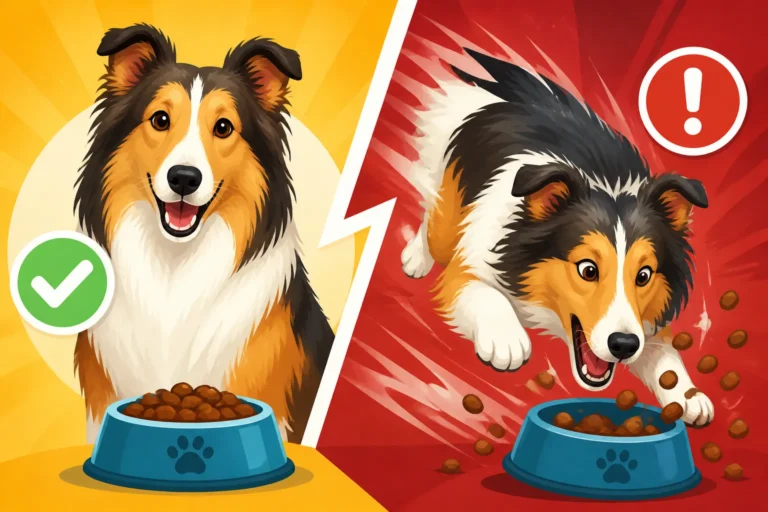
This is often the most obvious indicator. When your Collie, who once inhaled their dinner in seconds, starts to eat slowly, hesitantly, or with visible effort, it's a red flag. You might see them:
- Dropping food: Pieces of kibble falling out of their mouth while they try to chew.
- Reluctance to chew: Swallowing pieces whole, which can lead to choking or indigestion, or simply avoiding chewing altogether.
- Paw at mouth: After taking a bite, they might paw at their muzzle, indicating pain or discomfort.
- Chewing on one side: Favoring one side of their mouth, suggesting pain on the other side.
- Whining or yelping while eating: A clear sign of pain.
These behaviors point directly to oral discomfort. If you observe any of these, it's definitely time to consider a change in food texture and consult your vet.
Weight Loss and Poor Coat Condition
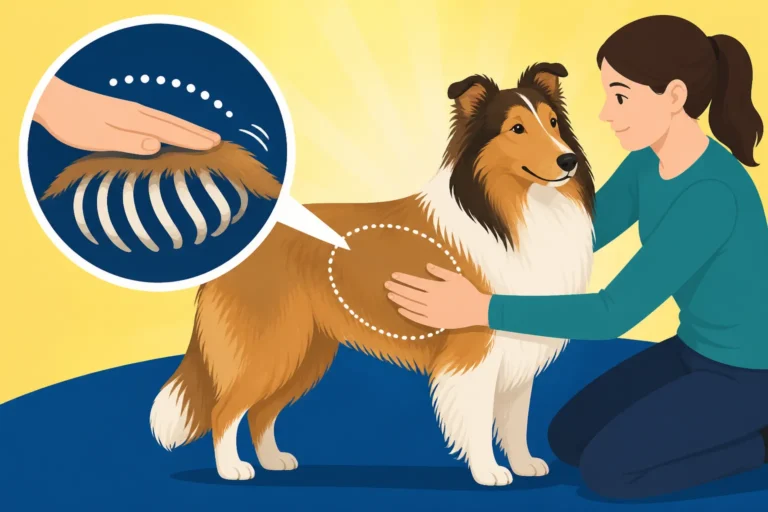
Sometimes, the signs aren't directly related to the act of eating, but rather the consequences of not eating enough or not absorbing nutrients properly. If your senior Collie is losing weight despite having access to food, it could be that the food they're eating is simply too difficult to consume in adequate amounts, or their body isn't processing it efficiently. What Changes in an Old Collie's Coat can also be a subtle indicator. A dull, dry, or thinning coat, when not otherwise explained by a specific skin condition or a normal coat blow, can suggest nutritional deficiencies. Without enough calories and essential fatty acids, the coat can lose its luster and resilience. You might notice they feel bonier, or their waist tucks in more dramatically than usual.
Changes in Behavior Around Food
The way your Collie interacts with their food can speak volumes. A sudden loss of interest in mealtime, where they used to be enthusiastic, is a significant change. They might approach the bowl, sniff it, and then walk away, or take a few tentative bites before giving up. Some Collies might even become unusually picky, turning down their regular kibble but showing interest in a soft treat. In more severe cases of pain, a Collie might even growl when you approach their food bowl, not out of aggression towards you, but as a protective measure because they anticipate pain when eating. Whether a Collie Hides Pain incredibly well, so these behavioral shifts are often your earliest warning.
Increased Drooling or Bad Breath
Excessive drooling, especially around meal times or after attempting to eat, can be a sign of oral pain, nausea, or a dental problem like a fractured tooth or severe gum inflammation. Similarly, persistently bad breath, far beyond "dog breath," often indicates significant dental disease. Bacteria thrive in plaque and tartar buildup, leading to infection and inflammation, which then causes foul odors. If you notice your Collie’s breath has become particularly offensive, or they are drooling more than usual, it's a strong signal that their mouth is hurting, and their food might be exacerbating the issue.
Making the Switch: Transitioning Your Collie to a Softer Diet
Once you've noticed the signs and determined that softer food might be beneficial for your aging Collie, the next step is to make the transition thoughtfully and carefully. A sudden change can upset their stomach and make them even more reluctant to eat.
Consult Your Veterinarian First
This is absolutely crucial. Before making any significant dietary changes, schedule a visit with your veterinarian. They can perform a thorough physical exam, including a dental check, to pinpoint the exact cause of your Collie's eating difficulties. They might discover a hidden infection, a fractured tooth, or an underlying systemic disease that requires specific treatment or a prescription diet. Your vet can also help you choose the most appropriate senior diet, taking into account your Collie's overall health, activity level, and any existing medical conditions. They can also advise on supplements, such as joint support if Whether a Collie Gets Arthritis Early is a factor, that can further enhance your Collie's comfort and well-being. Whether an Old Collie Needs Bloodwork Twice a Year is a good question to ask your vet, as this can catch underlying issues early.
Gradual Introduction Is Key
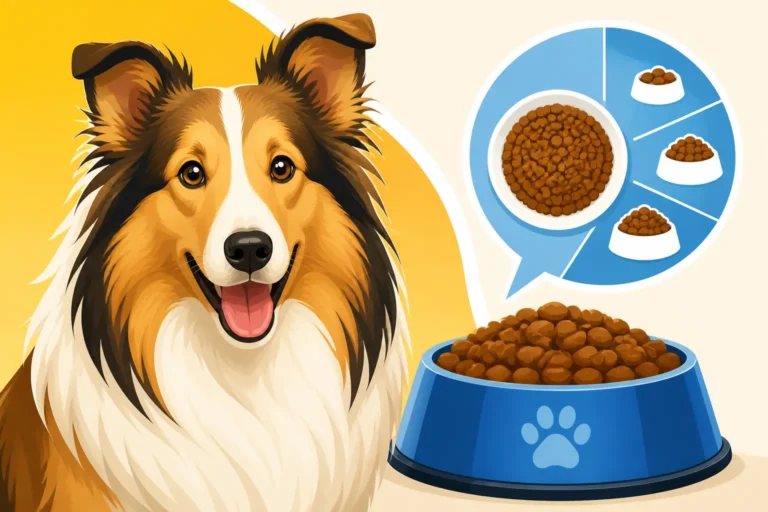
Your Collie's digestive system needs time to adjust to new ingredients and textures. A rapid switch can lead to gastrointestinal upset like vomiting or diarrhea, which is the last thing a senior dog needs. The general rule of thumb is to introduce the new food gradually over 7 to 10 days:
- Days 1-2: Mix 25% new food with 75% old food.
- Days 3-4: Mix 50% new food with 50% old food.
- Days 5-6: Mix 75% new food with 25% old food.
- Days 7-10: 100% new food.
During this period, closely monitor your Collie for any signs of digestive upset, changes in stool consistency, or reluctance to eat. If they show any adverse reactions, slow down the transition further, or consult your vet again.
Enhancing Palatability
Even with a gradual transition, some senior Collies might still be a bit hesitant about the new food. Here are a few tricks to make softer food even more appealing:
- Warm it up: Gently warming wet food or hydrated kibble can enhance its aroma and make it more enticing. Just be sure it’s not too hot!
- Add a topper: A little low-sodium chicken broth, bone broth, or a small spoonful of plain canned pumpkin can work wonders. You can find many options, including specific food toppers for seniors, on sites like Chewy or Amazon.
- Hand-feeding: For particularly finicky or unwell Collies, hand-feeding a few bites can sometimes kickstart their appetite.
- Consistency: Keep the feeding schedule consistent, offering meals at the same time each day to help establish a routine.
Monitoring and Adjustment
The transition isn't over when your Collie is eating 100% new food. Continue to monitor their weight, appetite, energy levels, and stool consistency. What works perfectly for one senior Collie might not be ideal for another. You might need to adjust portion sizes – remember, softer foods can sometimes be less calorie-dense by volume, or your Collie might simply need less if their metabolism has slowed. If you’re unsure How Much an Adult Collie Eats or how to adjust for their senior years, your vet can provide specific recommendations. The goal is a healthy, happy, and well-nourished Collie who enjoys mealtime again.
Exploring Softer Food Options for Your Senior Collie
The market for senior dog food has expanded dramatically, offering a wealth of choices to suit every Collie's needs and preferences. It's not just about wet food anymore; there are many ways to make mealtime easier for an aging mouth and gut.
Wet Canned Food
This is often the go-to for many owners transitioning to a softer diet. Canned foods are typically high in moisture, making them easy to chew and digest. They come in various textures, from pâtés to chunky stews, allowing you to find what your Collie prefers. Many brands formulate specific senior canned foods with adjusted nutrient profiles, often lower in calories, phosphorus, and sodium, and sometimes boosted with joint-supporting ingredients.
Pros:
- Highly palatable and aromatic.
- Easy to chew and swallow.
- High moisture content aids hydration.
- Many specialized senior formulas available.
Cons:
- Can be more expensive than kibble.
- Requires refrigeration after opening.
- Doesn't offer much dental abrasion.
Hydrated Kibble
For Collies who aren't ready to give up their kibble entirely, or for owners who prefer the convenience of dry food, simply hydrating their regular senior kibble can be a fantastic middle-ground. Adding warm water, low-sodium broth, or a specific food topper to their kibble can soften it significantly, making it easier to chew and swallow. Let it sit for a few minutes to absorb the liquid before serving. This can be especially good if your Collie still has decent teeth but struggles with the hardness of the kibble.
Pros:
- Cost-effective, uses existing kibble.
- Easy to prepare.
- Increases moisture content.
- Can be gradually softened more or less.
Cons:
- Still requires some chewing effort compared to wet food.
- Some Collies might dislike the soggy texture.
Fresh or Gently Cooked Diets
A growing trend in pet nutrition, fresh or gently cooked diets can be an excellent option for senior Collies. These meals often consist of human-grade ingredients like lean meats, vegetables, and grains, lightly cooked to retain nutrients and flavor. They are naturally soft, highly palatable, and can be customized to an individual dog's needs. Services like Ollie, for instance, deliver pre-portioned, fresh meals directly to your door, making it convenient to feed a high-quality, soft diet.
Pros:
- Highly palatable and digestible.
- Often made with whole, human-grade ingredients.
- Can be customized for specific health needs.
- High moisture content.
Cons:
- Can be significantly more expensive than kibble or even canned food.
- Requires freezer/refrigerator space.
- Availability may vary by region.
Homemade Soft Diets
Some dedicated Collie owners opt for homemade diets, preparing soft, cooked meals for their seniors. While this can offer ultimate control over ingredients, it comes with a significant caveat: achieving nutritional balance is incredibly difficult without expert guidance. Simply cooking chicken and rice won't provide all the vitamins, minerals, and trace elements your senior Collie needs. If you're considering a homemade diet, work closely with your veterinarian or a board-certified veterinary nutritionist to ensure the diet is complete and balanced for an aging dog. An imbalanced diet, even with good intentions, can lead to serious health problems over time.
A Note on Prescription Diets
For Collies with specific health conditions such as advanced kidney disease, severe dental issues requiring a soft-only diet post-surgery, or certain gastrointestinal sensitivities, your vet might recommend a prescription diet. These diets are scientifically formulated to manage specific medical conditions and often come in both wet and dry forms. They are designed to provide therapeutic nutrition and should only be fed under veterinary supervision.
Beyond the Bowl: Maintaining Your Senior Collie's Health on Softer Food
Switching to softer food is a fantastic step, but it’s part of a larger picture of comprehensive senior care. While softer food helps with immediate eating issues, we need to consider how this dietary change impacts other aspects of your Collie’s health, especially their oral hygiene.
Oral Hygiene is Still Crucial
One common concern with softer diets is the potential reduction in natural dental cleaning that hard kibble can provide (though its effectiveness is often overstated). When your Collie is on a soft food diet, maintaining good oral hygiene becomes even more important.
- Regular Tooth Brushing: This is the gold standard. Aim to brush your Collie’s teeth daily using a pet-specific toothbrush and toothpaste. It removes plaque before it hardens into tartar. How Often a Collie's Teeth Need Brushing becomes even more critical with softer foods.
- Dental Chews (Vet-Approved): If your Collie’s dental issues aren’t too severe, your vet might recommend specific dental chews or water additives that help reduce plaque. Always ensure they are soft enough not to cause pain but abrasive enough to be effective. Avoid anything too hard that could cause further dental damage.
- Professional Dental Cleanings: Even with the best home care, senior Collies often benefit from regular professional dental cleanings under anesthesia. Your vet can assess the need for extractions and thoroughly clean below the gum line.
Ensuring Adequate Hydration
Softer foods, especially wet and fresh diets, contain a much higher percentage of water than dry kibble. This is a huge benefit for senior Collies, who may not drink enough water on their own or may have kidney issues that require increased fluid intake. However, it doesn't mean you should stop offering fresh water. Always provide multiple sources of clean, fresh water throughout the house. Consider a pet drinking fountain, which can encourage more frequent drinking by providing flowing water. Good hydration is vital for kidney function, joint health, and overall well-being.
Regular Veterinary Check-ups
As your Collie enters their senior years, regular veterinary check-ups become even more paramount. Ideally, senior Collies should visit the vet twice a year. These visits allow your vet to catch any emerging health issues early, monitor existing conditions, and make proactive adjustments to their care plan, including diet. They can assess weight changes, listen to heart and lungs, palpate joints, and perform blood work to check organ function. These routine checks are fundamental to ensuring your Collie's comfort and longevity.
Supplements for Senior Collies
Beyond a balanced diet, certain supplements can provide additional support for your aging Collie, particularly when transitioning to softer food. Discuss these with your vet to see what's appropriate for your individual dog:
- Joint Supplements: Glucosamine, chondroitin, and MSM can support joint health and mobility, which can be affected by conditions like Signs a Collie Has Hip Dysplasia or general arthritis. Improved mobility can even make it easier for them to approach their food bowl.
- Omega-3 Fatty Acids: Fish oil, rich in EPA and DHA, supports skin and coat health, reduces inflammation (beneficial for arthritis and overall comfort), and supports cognitive function.
- Probiotics: If your Collie has a sensitive stomach or struggles with digestive changes, a probiotic supplement can help maintain a healthy gut microbiome and improve nutrient absorption.
- Antioxidants: Vitamins C and E, and other antioxidants, can help combat cellular damage associated with aging.
By proactively addressing their changing dietary needs and supporting their overall health with consistent veterinary care and appropriate supplements, you can help your senior Collie enjoy their golden years to the fullest, with a happy belly and a wagging tail.
| Soft Food Type | Key Characteristics | Pros | Cons |
|---|---|---|---|
| Wet Canned Food | Meat, vegetables, grains in gravy/pâté; high moisture | Very palatable, easy to chew, good for hydration | More expensive, requires refrigeration, minimal dental benefits |
| Hydrated Kibble | Dry kibble softened with water/broth | Cost-effective, familiar taste, aids hydration | Still needs some chewing, can get soggy, minimal dental benefits |
| Fresh/Cooked Diets | Human-grade, lightly cooked ingredients; high moisture | Highly palatable, digestible, customizable, excellent hydration | Very expensive, requires storage, not always readily available |
| Homemade Diets | Home-prepared cooked meals | Full ingredient control, very palatable | Extremely difficult to balance nutritionally, time-consuming |
Disclaimer
This article is for general informational purposes only and does not constitute professional advice. Laws, prices and regulations vary by location and change over time. Consult a qualified professional for guidance on your specific situation.