The Collie Was a Scottish Droving Dog Before It Was a Show Dog
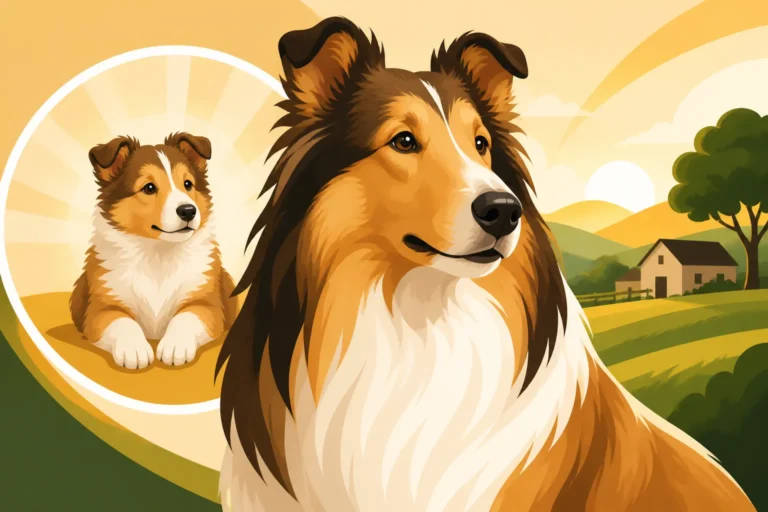
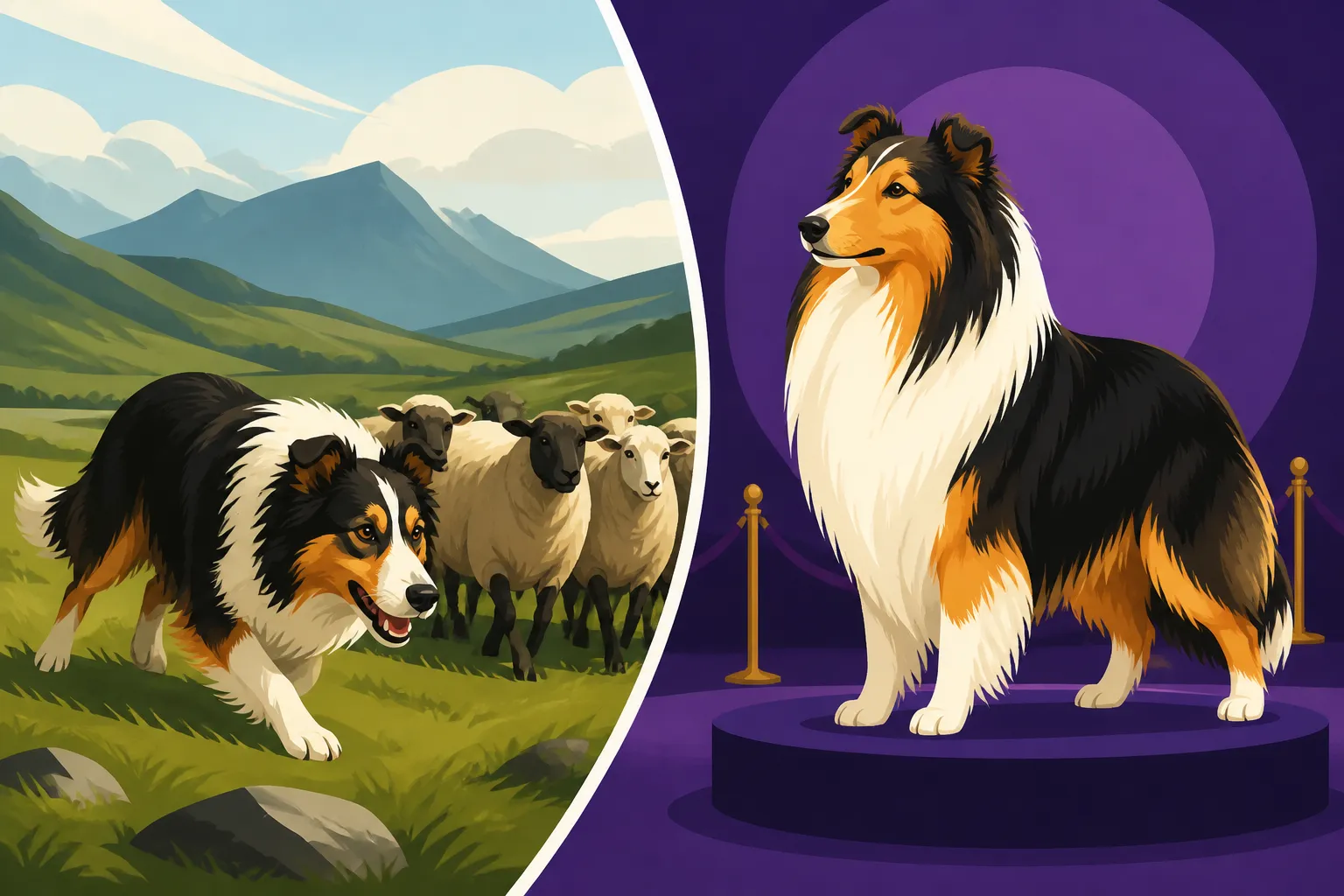
Many people picture a Collie and immediately think of "Lassie"—that beautiful, majestic dog with flowing locks and an uncanny knack for problem-solving. But the truth is, the Collie we know today is a far cry from its humble origins. This beloved breed began its journey not in the glitz of Hollywood or the prestige of the show ring, but on the rugged, windswept hillsides of Scotland, toiling as an indispensable working dog. This guide delves into that fascinating transformation, exploring the Collie's evolution from a hardy droving dog to the elegant companion many of us adore today.
The Rugged Landscape and the Early Collie's Purpose
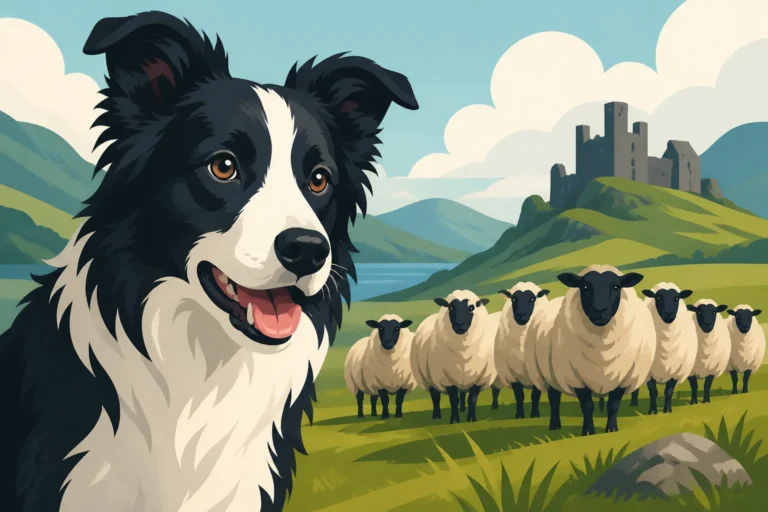
Imagine the vast, untamed landscape of Scotland, a land of rolling moors, deep glens, and challenging weather. For centuries, these harsh conditions shaped the lives of both people and their animals. Sheep farming was, and still is, a cornerstone of the Scottish economy, and moving large flocks across miles of difficult terrain required a truly special kind of canine partner. This is where the early Collie, a utilitarian and exceptionally intelligent dog, found its calling.
Life on the Scottish Moors
In those early days, the Collie was less about aesthetic perfection and more about sheer grit and capability. These dogs were essential tools for shepherds, often living alongside them in remote, spartan conditions. Their coat, while long, was incredibly dense and weather-resistant, providing vital insulation against the biting winds and driving rain of the Highlands. This wasn't a coat bred for beauty pageants; it was a survival suit. Their keen intelligence, combined with boundless energy and an innate understanding of livestock, made them irreplaceable.
The daily life of these Collies was one of constant work. They were responsible for gathering sheep, driving them to market, finding lost lambs, and protecting the flock from predators. Their loyalty was to the shepherd and the flock, a bond forged in shared hardship and mutual dependence. Without these dogs, the scale of sheep farming in Scotland would have been impossible. They were not merely pets; they were integral members of the working family, their value measured in their ability to perform demanding tasks with precision and endurance.
The Original Working Breed
The term "Collie" itself, in its earliest forms, likely referred to the black-faced sheep these dogs so skillfully herded, or perhaps even had roots in words like "coal" for their common dark markings. Regardless of the exact etymology, it's clear the name was intrinsically tied to their function. These were not generic farm dogs; they were specialists. Their herding style was unique, often characterized by a watchful gaze and strategic movements rather than aggressive nipping or barking, which differentiated them from some other herding breeds.
This intelligence wasn't just about following commands; it was about independent problem-solving. A shepherd might send a Collie out of sight to bring in a scattered flock, trusting the dog to make decisions based on the terrain, the sheep's temperament, and the weather. This autonomy bred a resourceful and self-reliant dog, a far cry from a decorative lapdog. They needed to be tough, quick-witted, and utterly devoted to their task, often working tirelessly from dawn till dusk.
Appearance and Temperament: Shaped by Necessity
The appearance and disposition of the early Collies were direct results of their demanding job. There was no "breed standard" as we know it today, but rather a functional ideal – a dog that could excel at its work. Every physical trait, every behavioral quirk, served a purpose in the harsh Scottish environment.
A Functional Physique
Unlike the refined, long-muzzled Collies of the modern show ring, their ancestors likely had shorter muzzles, sturdier builds, and a less exaggerated stop. Their physical form was robust, designed for endurance and agility over uneven ground. Think less delicate beauty and more rugged athlete. Their gait was efficient, allowing them to cover many miles without tiring, and their paws were compact and strong, capable of handling rough terrain without injury.
Their double coat, while often long, was first and foremost practical. It had a thick, woolly undercoat for warmth and a coarser outer coat that shed water and protected against brambles and snow. This natural armor allowed them to withstand prolonged exposure to the elements, an absolute necessity for dogs that spent most of their lives outdoors. If you compare this to the modern dog, you can see how What a Collie's Coat Care Costs Over a Lifetime might be a concern for owners who aren't prepared for a working-dog coat, even if it's now primarily for looks.
The Working Dog Temperament
The early Collie's temperament was a blend of intelligence, loyalty, and an almost intuitive understanding of their human partners and the livestock they managed. They were keen observers, learning quickly and adapting to changing situations. This mental agility made them highly trainable, but also meant they needed purpose. A bored working Collie would quickly find its own "job," which might not always align with human preferences.
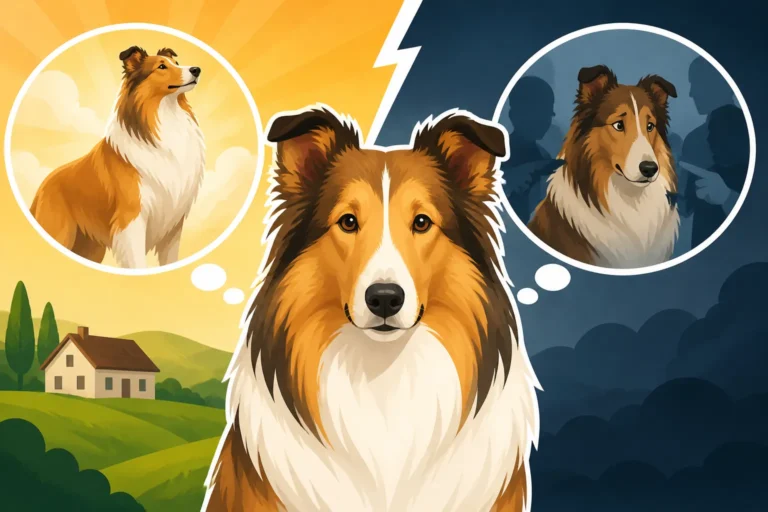
They were generally reserved with strangers, a trait common in many working breeds that were expected to guard their flocks and families. This wasn't aggression, but a cautious intelligence that prioritized the safety of their charge. Within their family unit, however, they were fiercely loyal and protective, forming deep bonds with their shepherds. This inherent sense of guardianship and strong family ties still resonates in the modern Collie, making them wonderful, if sometimes watchful, family companions. Their ability to read their handler’s subtle cues was paramount, which is why A Collie Reads a Room Better Than It Reads a Command remains true today.
The Winds of Change: Royal Patronage and the Show Ring
The rustic existence of the Scottish droving Collie began to shift dramatically in the mid-19th century. A powerful catalyst for this change was the admiration of a most influential figure: Queen Victoria. Her interest in the breed launched the Collie into the spotlight, initiating its transformation from a purely utilitarian working dog to a beloved and fashionable companion, and eventually, a star of the burgeoning dog show scene.
Queen Victoria's Influence
It’s widely known that When Queen Victoria First Saw a Collie, she was captivated by their beauty and intelligence during her visits to Balmoral Castle in the Scottish Highlands. She acquired several Collies, bringing them into her royal kennels and effectively endorsing the breed to the wider public. This royal seal of approval was invaluable. Suddenly, the humble shepherd's dog became a symbol of prestige and good taste, sought after by the aristocracy and emerging middle classes.
This newfound popularity meant Collies were no longer exclusively valued for their working prowess. Their striking appearance – the elegant profile, the thick mane, the expressive eyes – began to take precedence. Breeders started selecting dogs not just for their ability to herd sheep, but for traits that would win prizes in the show ring. This shift was a double-edged sword: it saved the breed from obscurity, but it also started to pull it away from its functional roots.
The Rise of Dog Shows
The Victorian era also saw the formalization of dog showing. The first official dog show in England was held in 1859, and these events quickly gained popularity. Collies, with their inherent grace and intelligence, became instant favorites. Exhibitors and judges began to define an "ideal" Collie, creating specific breed standards that emphasized certain physical attributes. This led to a focused breeding effort to produce dogs that conformed to these aesthetic ideals.
This era marked the beginning of Whether the Victorian Show Ring Changed the Collie's Head. The long, refined head, often referred to as a "noble" head, became a highly desirable trait, along with a copious coat and a specific eye shape and expression. While these traits contributed to the breed's undeniable beauty, they sometimes came at the cost of the sturdy build and functional features that had characterized their working ancestors. The emphasis shifted from a dog that could do a job to a dog that looked the part.
The Divergence of Working and Show Lines
As the focus intensified on appearance for the show ring, a clear divergence began to emerge within the breed. Some breeders continued to prioritize the traditional working abilities, keeping their Collies on farms and valuing their herding instincts above all else. Others, however, leaned heavily into the show world, breeding specifically for conformation to the new aesthetic standards. This created two distinct types of Collies, sometimes referred to as "working Collies" and "show Collies."
This split was a significant moment in the breed's history. While both lines descended from the same ancestors, the selection pressures were vastly different. Working Collies retained the ruggedness, independent thinking, and tireless drive needed for the fields, while show Collies were refined for elegance and beauty. This distinction is still relevant today, as some breeders specifically try to maintain the working traits, leading to discussions like Whether Working Collies and Show Collies Diverged and the implications for modern owners.
Aesthetic Transformations and Their Implications
The journey from the rugged Scottish hills to the polished show ring brought about profound changes in the Collie's appearance. These aesthetic transformations, while contributing to the breed's enduring appeal, also had significant implications for their physical structure, health, and inherent working abilities.
The Lengthening Head and Coat
One of the most striking changes was the development of the Collie's signature long, refined head. Early working Collies had broader skulls and shorter muzzles, a practical build for tasks like pulling and gripping. However, the show ring favored an increasingly narrow, elongated skull, often described as having an almost poetic grace. This refinement, while visually appealing, sometimes pushed the limits of practical functionality, with debates arising about its impact on bite and overall head structure.
Similarly, the coat became an area of intense focus. While the original working dogs had dense, weather-resistant coats, the show Collie's coat evolved into a magnificent profusion of long, flowing hair, particularly around the mane, chest, and hindquarters. This "frill" and "petticoat" became hallmarks of the breed's elegance. While stunning, such an abundant coat requires significant grooming, far beyond what a shepherd's dog would ever receive. It also means that a modern Collie owner will likely spend quite a bit on grooming supplies, perhaps even purchasing items from online retailers like Chewy to keep those gorgeous locks in top condition.
Loss of Some Working Traits
As appearance took precedence, some of the very traits that made the Collie an exceptional working dog began to diminish in certain lines. The tireless endurance needed for long days on the moors, the intense focus on livestock, and the independent problem-solving capabilities were not always prioritized in breeding programs focused solely on conformation. This isn't to say modern show Collies are incapable, but their primary selective pressure shifted.
The innate herding instinct, while often still present, might manifest differently or be less intense in a purely show-bred line compared to its working-bred cousins. For owners today, this means understanding their dog's lineage. A Collie bred from show lines might not naturally display the same drive for herding that a working-bred dog would, or they might need more guidance to channel that instinct appropriately.
Health and Structural Considerations
The focus on specific aesthetic traits also brought potential health and structural challenges. Extreme refinement of the head, for example, could lead to issues with tooth alignment. The sheer volume of coat, while beautiful, could make a dog more susceptible to overheating in warm climates or hide underlying skin conditions, requiring diligent care. Breeders committed to the breed's well-being now strive for a balance, ensuring that beauty does not compromise health or sound structure.
It's a testament to responsible breeders that they continue to advocate for comprehensive health testing, addressing genetic predispositions that might arise from limited gene pools or over-emphasis on certain looks. This includes checks for issues like Collie Eye Anomaly and other breed-specific conditions. The emphasis should always be on a dog that is not only beautiful but also healthy and capable of living a full, active life.
The Enduring Herding Instinct in Modern Collies
Despite centuries of selective breeding that have reshaped their appearance for the show ring, the ancient echoes of the Scottish droving dog still resonate deeply within the modern Collie. That innate herding instinct, forged on the windswept moors, is a fundamental part of their genetic makeup, even if it expresses itself differently today.
Residual Instincts in Pet Collies
Even if a Collie has never seen a sheep in its life, you'll often observe behaviors that harken back to its herding ancestry. Many Collies have a natural inclination to gather their family members, gently nudging children into a group or circling their owners in the yard. They might exhibit a "herding stare" at moving objects, whether it's a squirrel in the park or a remote-control car across the living room floor. This isn't naughtiness; it's simply their instinct expressing itself in a domestic setting.
These behaviors are a clear indicator that Whether a Modern Collie Could Still Work Sheep is more than just a theoretical question. Many still possess the mental and physical capabilities, even if the opportunities are rare. Understanding these inherent traits is crucial for any Collie owner. Instead of suppressing these instincts, it's often more beneficial to provide appropriate outlets, which can strengthen the bond between dog and owner.
Channeling Herding Energy Positively
For the average pet Collie, channeling that herding energy positively means providing ample mental and physical stimulation. They are intelligent dogs who thrive on having a "job," even if that job is fetching a specific toy or learning complex trick sequences. Long walks, challenging puzzle toys, and consistent training sessions can help satisfy their need for purpose. Many Collies excel in dog sports like agility, obedience, and rally, where their intelligence and athleticism can shine.
If you have a Collie with a particularly strong herding drive, exploring actual herding instinct tests or even beginner herding classes can be incredibly rewarding. It allows them to engage in behaviors they were literally born to do, often leading to a happier, more fulfilled dog. Resources for these types of activities can often be found through breed clubs or specialist trainers, and supplies like specific training leads or long lines might be found through pet supply giants like Chewy.
The Herding Eye and Its Significance
One of the most distinctive aspects of a herding Collie's behavior is the "herding eye" or "the look." This is an intense, focused gaze directed at the object of their attention—be it sheep, a person, or even a toy. It's a non-verbal cue, a way to influence movement and assert control without physical contact. For working Collies, it's an indispensable tool in managing livestock.
In a pet Collie, you might see this "eye" directed at you, especially when they want something or are trying to direct your movement. While endearing, it’s important to understand it as part of their ancestral herding toolkit. It signifies a dog that is intelligent, observant, and subtly trying to exert influence. Acknowledging and redirecting this focus can be part of a rewarding training regimen, reinforcing good manners while still respecting their innate drive.
Preserving the Past: Working Lines and Modern Enthusiasts
While the glamour of the show ring has shaped the Collie's popular image, there remain dedicated individuals and organizations committed to preserving the breed's working heritage. These enthusiasts understand the profound value of the Collie's original purpose and strive to maintain the functional intelligence and physical prowess that once defined them.
The Importance of Working Lines
For those who cherish the traditional Collie, preserving working lines is paramount. These breeders prioritize temperament, health, and innate herding ability over strict adherence to show ring aesthetics. They focus on maintaining the strong drive, independent thought, and biddable nature that made the Collie such an indispensable partner to Scottish shepherds. Their breeding decisions are often guided by performance in actual herding trials or on farms, rather than solely by conformation titles.
This commitment ensures that the deep genetic pool of working Collies continues, offering a valuable resource for the breed as a whole. It reminds us that beyond the beautiful coat and elegant head, there is a capable, intelligent working animal. Owners interested in a Collie with a stronger working drive might seek out these specialized breeders, understanding that such a dog will likely require more mental and physical engagement than a purely pet-bred counterpart.
Organizations and Registries
Several organizations are dedicated to promoting and preserving the working Collie. These groups often host herding clinics and trials, allowing Collies to demonstrate their natural abilities and providing a platform for owners to connect with others who share their passion. They also maintain registries for working Collies, tracking lineage and performance to help guide responsible breeding decisions.
These efforts are vital because they actively counter the trend of purely aesthetic breeding. They ensure that future generations of Collies still carry the genes for the incredible intelligence and instinct that once made them famous. It's a way to honor the breed's past while securing its future as a versatile and capable canine companion. These groups often work closely with registries like the AKC or UKC which offer herding titles, encouraging owners to test and develop their Collie's natural talents.
The Role of Herding Trials
Herding trials are more than just competitions; they are a celebration of the Collie's foundational purpose. These events simulate real-world herding scenarios, allowing dogs to showcase their ability to gather, drive, and pen livestock under the guidance of their handlers. Participating in or even just observing these trials offers a fascinating glimpse into the incredible partnership between a herding dog and its human.
For Collies, success in herding trials requires not just instinct, but also training, communication, and a deep bond with their handler. It's a complex dance of subtle cues and independent decision-making, showcasing the true essence of the breed. These events help to educate the public about the Collie's working roots and inspire new generations of owners to explore and appreciate their dog's inherent abilities. For those interested, the journey from pet owner to herding enthusiast is a rewarding one that helps keep the breed's history alive.
Understanding Your Collie's Heritage Today
For every Collie owner, understanding the breed's rich history as a Scottish droving dog offers invaluable insights into their companion's behaviors, needs, and personality. It helps explain those endearing quirks and strong instincts that might otherwise seem puzzling.
Embracing Their Instincts
Knowing that your Collie descended from generations of hard-working herding dogs helps you appreciate their intelligence, sensitivity, and desire to be part of a "pack"—your family. When your Collie tries to gather your children or stares intently at the postal worker, remember it’s not an act of defiance, but a deeply ingrained instinct. Instead of trying to eliminate these behaviors entirely, it's more effective to redirect them into acceptable outlets.
For instance, if your Collie tends to "herd" your family, teach them a game where they gather toys instead. If they are prone to watchful barking, provide a designated "guard" spot where they can observe without feeling the need to vocalize excessively. Forty Five Minutes a Day, and Half of It in Its Head really speaks to the fact that Collies need mental stimulation as much as physical exercise to be truly content.
Meeting Their Needs
A modern Collie, whether from show lines or working lines, still benefits immensely from activities that engage their intelligent minds and moderate energy levels. They thrive on routine, structure, and positive reinforcement. Their sensitivity means they respond poorly to harsh training methods; a gentle, consistent approach is far more effective and strengthens the bond between you and your dog.
Regular exercise, while perhaps not requiring miles of high-intensity herding, should include varied walks, playtime, and opportunities for mental challenges. Interactive toys, training classes, and even simple scent games in the backyard can fulfill their need for purpose. For their beautiful coats, consistent grooming, as well as high-quality nutrition (perhaps from a reputable source like Chewy, which offers a wide variety of formulas suitable for a Collie's needs), ensures their health and comfort.
The Enduring Companion
The Collie has evolved from a rugged working dog into a magnificent companion, capable of excelling in homes, show rings, and even still, on the herding field. Their story is a testament to the adaptability and enduring spirit of this remarkable breed. From the Scottish moors to suburban backyards, the Collie continues to captivate hearts with its intelligence, loyalty, and undeniable charm.
Whether you admire their flowing coat, their gentle nature, or their sharp intellect, remember the droving dog of old that laid the foundation for the beloved breed we know today. Understanding this heritage enriches the experience of owning a Collie, allowing us to appreciate them not just for what they are, but for the incredible journey they've taken to get here. It also prepares you for their unique traits, ensuring you can provide the best possible life for your furry family member. A Collie Is the Rare Herding Dog That Does Not Need a Job is a common misconception, as they often do need something to engage their brilliant minds.
Collie Characteristics: Then and Now
To truly grasp the Collie's transformation, it's helpful to see a snapshot of how some key characteristics have changed, or remained, throughout their evolution from working drover to show dog.
| Characteristic | Original Droving Collie (circa 1800s) | Early Show Collie (Victorian Era) | Modern Show Collie (Present Day) |
|---|---|---|---|
| Primary Role | Herding and protecting sheep | Fashionable companion, early show dog | Family companion, show dog, dog sports participant |
| Appearance | Sturdy, rugged build; practical, dense coat | More refined, emphasis on elegant head and full coat | Elegant, refined long head; abundant, flowing double coat |
| Head Shape | Broader skull, shorter muzzle, strong jaw | Lengthening muzzle, more pronounced stop | Very long, refined skull; minimal stop, "sweet" expression |
| Coat Volume | Dense, weather-resistant, moderate length | Increasingly longer and fuller, especially mane/frill | Profuse, flowing; distinct mane, frill, petticoats |
| Temperament | Highly intelligent, independent, watchful, loyal | Intelligent, biddable, eager to please | Intelligent, sensitive, loyal, sometimes reserved |
| Herding Instinct | Very strong, essential for survival | Present, but not always primary selection factor | Varies by line; can be strong or moderate, channelable |
| Size/Build | Variable, often slightly smaller and hardier | Growing in size, more graceful frame | Medium to large, well-proportioned, athletic underneath the coat |
Disclaimer
This article is for general informational purposes only and does not constitute professional advice. Laws, prices and regulations vary by location and change over time. Consult a qualified professional for guidance on your specific situation.