The Collie Against a Shetland Sheepdog
Many prospective dog owners find themselves drawn to the enchanting beauty and intelligence of both the Collie and the Shetland Sheepdog, often wondering what truly sets these two magnificent breeds apart. It's a common misconception that a Sheltie is simply a miniature Collie, but while they share a rich history and certain unmistakable traits, they are indeed distinct breeds with their own unique characteristics and needs. This guide will walk you through a detailed comparison, helping you understand the nuances of each, from their origins and physical attributes to their temperaments, training requirements, and specific health considerations, so you can make an informed decision about which fluffy family member might best fit your life.
A Tale of Two Herders: The Shared History and Divergent Paths
It’s impossible to talk about Collies and Shetland Sheepdogs without acknowledging their deep roots in the pastoral landscapes of Scotland. These breeds carry centuries of genetic memory from their working ancestors, even if their lives today are more about couch cuddles than herding sheep. Understanding where they came from helps explain some of their core differences and similarities.
The Ancestral Connection: Where Both Begin
Both the Collie and the Shetland Sheepdog trace their lineage back to the working dogs of Scotland. Imagine the rugged highlands and windswept islands, where resourceful farmers needed intelligent, resilient dogs to manage livestock. The Collie, in its various forms (some rough-coated, some smooth-coated, and likely a mix of types we wouldn't recognize today), was the quintessential Scottish droving dog. These were hearty, medium-to-large dogs, capable of moving flocks over vast distances and guarding them from predators. Their intelligence and stamina were paramount.
The Shetland Sheepdog's story begins a bit further north, on the remote Shetland Islands, a place known for its miniature livestock – tiny ponies, sheep, and cattle that adapted to the harsh environment and sparse grazing. It's widely believed that the Sheltie developed from various mainland Collie types brought to the islands, which were then interbred with smaller, local working dogs, perhaps even some of the smaller Spitz-type breeds that arrived with fishing boats. The goal was simple: create a herding dog suitable for the smaller, more rugged terrain and the miniature livestock of the islands. This wasn't about intentionally "miniaturizing" a Collie for pet appeal, but rather breeding for function in a very specific, demanding environment.
Distinct Breeding Goals and Early Development
As these ancestral dogs evolved, their breeding goals naturally diverged based on the needs of their respective environments. The mainland Collie continued its role as a versatile farm dog and drover, eventually catching the eye of Victorian society, most famously Queen Victoria herself. Her appreciation for the breed catapulted the Collie into the spotlight, leading to selective breeding for refinement, beauty, and that iconic noble head we recognize today. The show ring became a powerful influence, shaping the breed towards elegance and a distinct conformation. While the working instinct remained, the emphasis shifted significantly towards aesthetics for many breeders. You can still see how their historical role as a drover and guardian influenced their dignified bearing and watchful nature.
Meanwhile, on the Shetland Islands, the little working dogs, ancestors of our modern Sheltie, were being honed for a different purpose. They needed to be agile enough to navigate rocky terrain, compact enough to eat less and be easily transported, and vocal enough to deter birds and larger animals from damaging crops or livestock, often without physical contact, simply by barking and positioning. They had to be robust enough to withstand the island weather. When these "Shetland Collies" (as they were sometimes initially called) made their way to the mainland, breeders then further refined them, carefully selecting for the smaller size while preserving their intelligence and vibrant personality. This refinement eventually led to the official recognition of the Shetland Sheepdog as a distinct breed, solidifying its place not just as a smaller version of the Collie, but as its own unique entity. This period of development highlights how function truly dictates form in the canine world, even among closely related breeds.
Size and Stature: More Than Just "Miniature Collies"
One of the most immediate and striking differences between a Collie and a Shetland Sheepdog is their size. While both possess that stunning, flowing coat and an undeniably intelligent gaze, their overall stature and presence are quite distinct. It’s a bit like comparing a full-sized sedan to a compact car – both are great vehicles, but they offer different experiences and take up different amounts of space.
The Grandeur of the Collie: Rough and Smooth Varieties
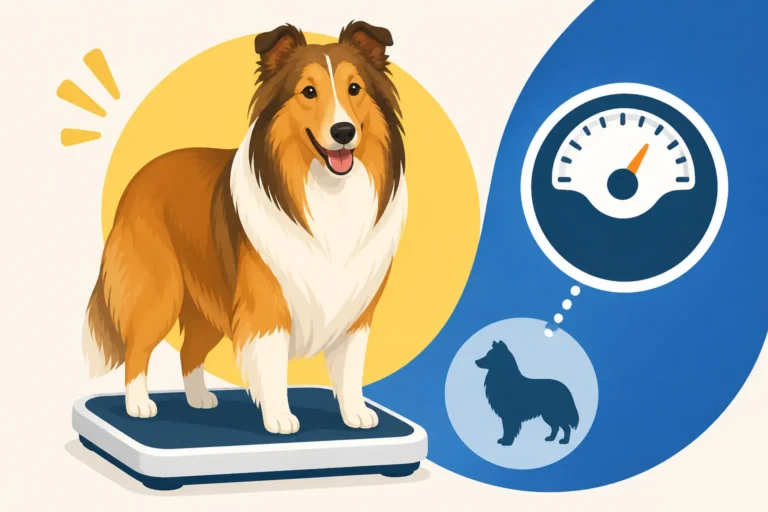
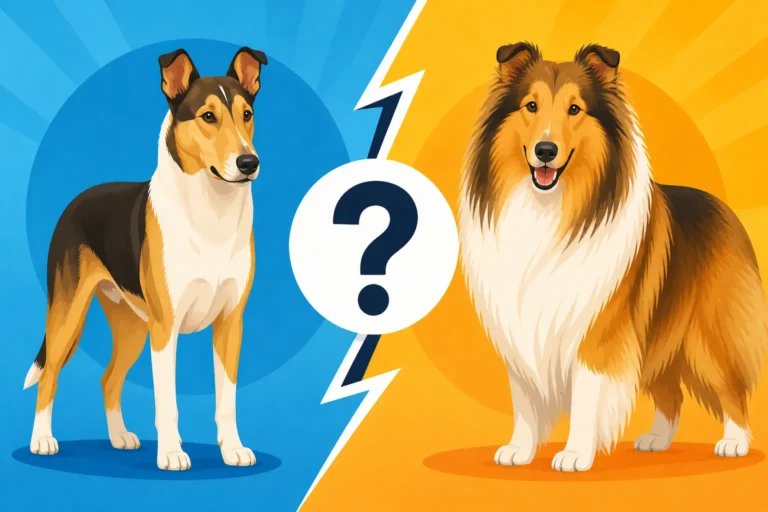
When most people picture a Collie, they imagine the "Lassie" type – a stately, long-coated Rough Collie with a majestic ruff and plumed tail. These dogs command attention not just with their beauty but with their sheer size. A male Rough Collie typically stands between 24 and 26 inches at the shoulder and can weigh anywhere from 60 to 75 pounds. Females are a bit smaller, usually 22 to 24 inches and 50 to 65 pounds. They possess a long, refined head, well-set ears that often have a distinct tip, and a dignified, almost regal carriage. They’re built for endurance and power, reflecting their history as droving dogs.
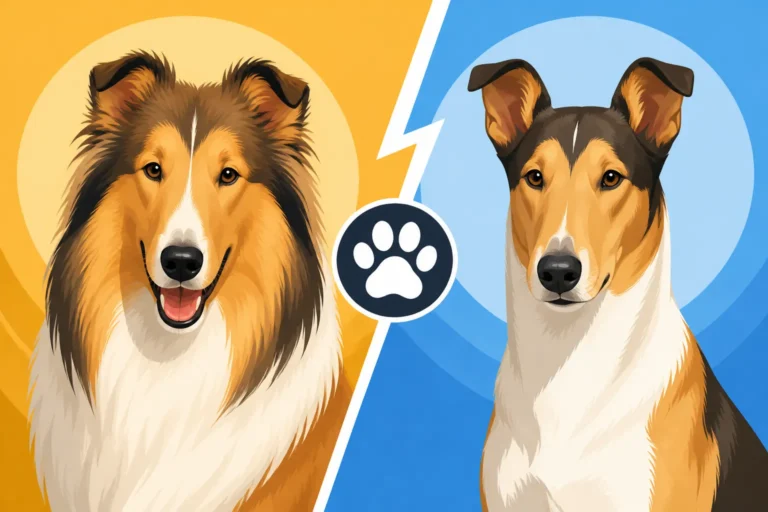
The Smooth Collie, while having a much shorter coat, shares the exact same bone structure, size, and conformation as its rough-coated cousin. So, if you're standing next to a Smooth Collie, you're still looking at a substantial dog, just without the dramatic coat that adds visual bulk to the Rough variety. Both varieties exude an aura of quiet confidence and intelligence. They move with a graceful, effortless stride, reflecting their heritage of covering vast distances. This isn't a small dog by any stretch; they need ample space in a home and aren't generally suited for tiny apartments unless their exercise needs are rigorously met outdoors. For more detailed information on their physical characteristics, you might want to read What a Collie Weighs and How Tall It Stands.
The Compact Charm of the Shetland Sheepdog
The Shetland Sheepdog, or Sheltie, is indeed a smaller dog, but it's crucial to understand that they are not merely "miniature Collies." While they bear a striking resemblance, especially in head type and expression, they are a distinct breed with their own size standard. A Sheltie typically stands between 13 and 16 inches at the shoulder and weighs around 15 to 25 pounds. They are built compactly, but with surprising agility and strength for their size. Their smaller stature was a functional necessity on the sparse Shetland Islands, where smaller dogs were easier to feed and transport.
Despite their smaller size, Shelties possess a remarkable amount of dog in a small package. They have a proud carriage, a beautiful coat, and an intelligent, alert expression that often makes them look like miniature versions of their larger cousins. However, their bone structure, while elegant, is typically finer than a Collie's, and their heads, while still refined, often have a slightly different proportion, specifically designed for their smaller frame. They are perfectly sized for many suburban homes or even apartments, provided they get adequate exercise and mental stimulation.
Visual Differences Beyond Scale
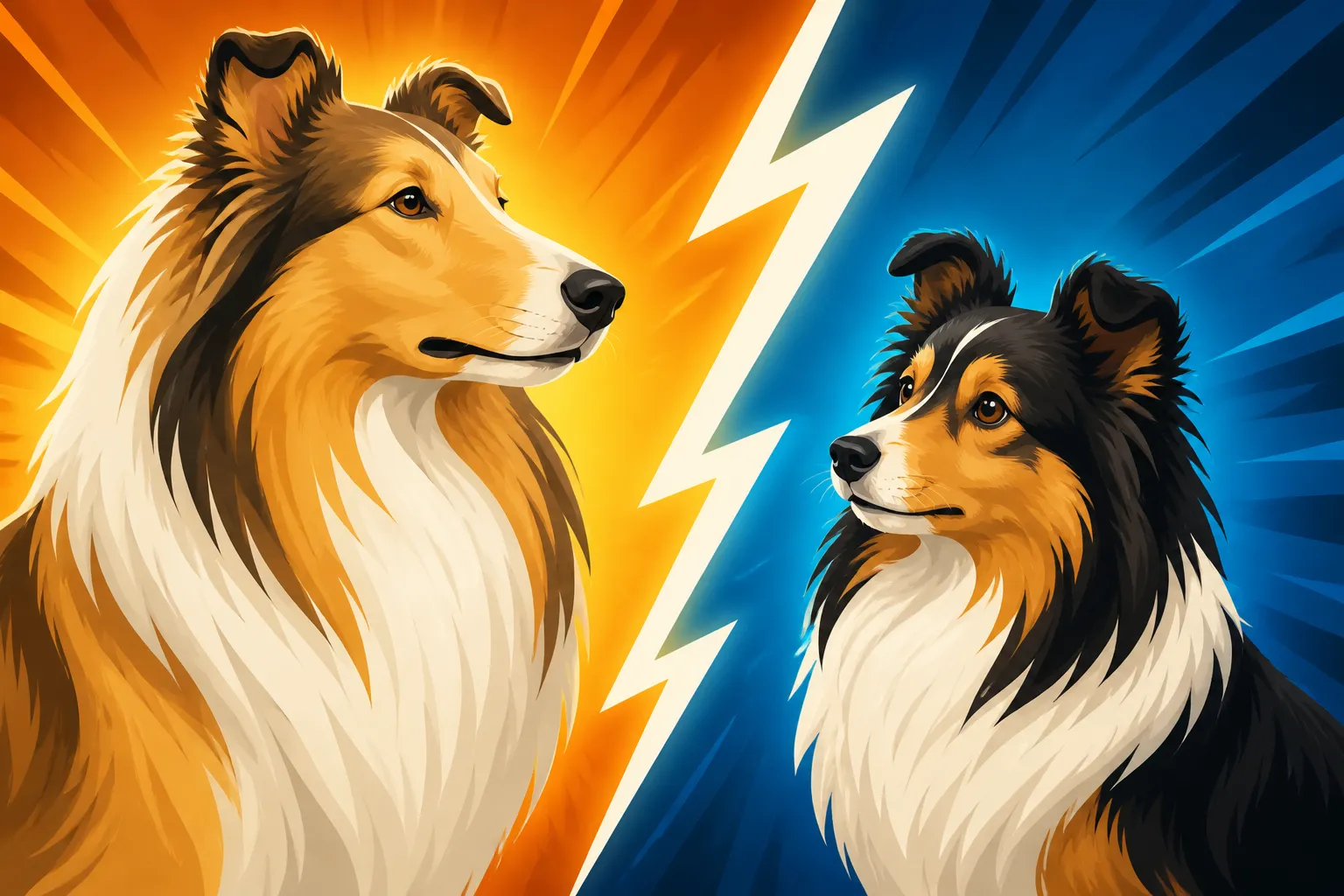
Beyond the obvious size disparity, there are subtle visual cues that distinguish a Collie from a Sheltie. A Collie generally has a longer, more refined muzzle and a flatter skull. Their eyes are typically almond-shaped and set obliquely, contributing to their famously sweet and intelligent "Collie expression." Their ears are usually small, tipping forward when alert, which is a hallmark of the breed standard. The overall impression is one of aristocratic elegance and a somewhat serious, watchful nature.
Shelties, while mirroring many of these traits, often have a slightly broader skull in proportion to their muzzle, and their eyes, while still intelligent, can sometimes appear a bit rounder, giving them a perpetually bright and inquisitive look. Their ears are also small and tipped, but the set might differ slightly from the Collie. Think of it this way: a Collie’s expression often evokes thoughtful wisdom, while a Sheltie’s can convey an energetic zest for life. Even without a side-by-side comparison, a seasoned eye can pick up on these subtle proportional differences that confirm they are two distinct breeds, not just different sizes of the same dog.
Coat and Grooming: The Daily Fluff Factor
Both Collies and Shetland Sheepdogs are renowned for their stunning, abundant coats. There’s no getting around it: if you're considering either breed, you need to be ready for some serious grooming. That beautiful fur doesn't just happen; it's a testament to consistent care and an owner willing to embrace the "fluff factor."
The Collie's Magnificent Mane
The Rough Collie's coat is truly magnificent, a hallmark of the breed. It's a double coat, meaning it has two distinct layers: a soft, dense undercoat that provides insulation, and a long, harsh-textured outer coat that gives the dog its silhouette and protects against the elements. Around the neck, you'll find a profuse mane or ruff, and heavy feathering on the legs and tail. This coat is designed to withstand harsh weather, making them surprisingly comfortable in cooler climates.
However, this beauty comes with a grooming commitment. A Rough Collie needs regular, thorough brushing, ideally several times a week, to prevent mats and tangles, especially behind the ears, in the armpits, and on the "petticoat" (the long hair on the hindquarters). If left ungroomed, these areas can quickly become matted, causing discomfort and requiring professional intervention. While the coat can look intimidating, with the right tools and technique (like line brushing), it's manageable. It's not just about aesthetics; regular grooming is vital for their skin health. This coat is definitely a bill that arrives every eight weeks, whether from your own effort or a professional groomer. If you're looking for a comparison of the financial side of this commitment, you might find A Collie's Coat Is the Bill That Arrives Every Eight Weeks enlightening.
The Smooth Collie, on the other hand, boasts a much shorter, denser double coat. While still requiring regular brushing to remove loose hair and maintain skin health, the grooming demands are significantly less than their rough-coated counterparts. You won't find the extensive feathering or the dramatic ruff, making them a more wash-and-wear option for many owners. However, don't mistake "smooth" for "shed-free." They still shed, and that dense undercoat still needs attention, particularly during seasonal coat blows.
The Sheltie's Abundant Double Coat
The Shetland Sheepdog also has a lush, double coat that gives it that distinct "miniature Collie" look. Similar to the Rough Collie, they have a soft, dense undercoat and a long, harsh-textured outer coat. They too have a beautiful ruff around their neck, feathering on their legs and tail, and a full "skirt" around their body. For a smaller dog, a Sheltie carries a surprising amount of coat! This coat also served a protective purpose on the windswept Shetland Islands.
Grooming a Sheltie is comparable to grooming a Rough Collie, just on a smaller scale. They require regular brushing, typically 2-3 times a week, to keep their coat free of mats and to distribute natural oils. Special attention is needed for the same trouble spots: behind the ears, under the legs, and in the dense ruff and skirt. A good slicker brush and a metal comb are indispensable tools. Despite their size, neglecting a Sheltie's coat can lead to painful mats just as easily as with a larger Collie. Many Sheltie owners find that investing in quality grooming tools from retailers like Chewy makes the process much easier and more enjoyable for both dog and owner.
Shedding: Prepare for the Fur Tumbleweeds
Here's the truth: both Collies and Shetland Sheepdogs are shedding breeds. They both have a dense undercoat, and that undercoat needs to go somewhere. While they shed year-round to some extent, both breeds experience what's known as a "coat blow" twice a year, typically in spring and fall. During these periods, they shed profusely as they swap out their heavy winter undercoat for a lighter summer one, and vice-versa.
During a coat blow, it can feel like your house is constantly covered in tumbleweeds of fur. Daily, intensive brushing is often required to help remove the dead undercoat and prevent massive shedding throughout your home. This is when a high-velocity dryer, often used by professional groomers, can be a godsend for blowing out that loose undercoat efficiently. If you live in a multi-dog household or simply want a detailed understanding of the seasonal fur invasion, The Three Weeks Twice a Year When a Collie Buries Your House provides an excellent deep dive into this topic. While a Smooth Collie or a Sheltie might produce smaller piles of fur than a Rough Collie, the frequency and intensity of their shedding during these periods are very similar. Be prepared to invest in a good vacuum cleaner, lint rollers, and perhaps even some washable furniture covers, no matter which of these beautiful breeds you choose.
Temperament and Personality: Heart of a Herder, Soul of a Companion
Beyond their looks, the temperament of a dog is arguably the most critical factor when choosing a companion. Both Collies and Shetland Sheepdogs belong to the herding group, meaning they share certain innate instincts and characteristics. However, their personalities, while having common threads, also have distinct expressions.
The Collie's Gentle Dignity
Collies are renowned for their gentle, sensitive, and intelligent nature. They are often described as having a dignified presence, calm demeanor, and an almost intuitive understanding of human emotions. They form incredibly strong bonds with their families, often shadowing their favorite person from room to room, earning them the nickname "shadow dogs." They thrive on companionship and are not generally dogs that do well left alone for extended periods.
With strangers, Collies tend to be observant and reserved, rather than immediately effusive. They might take a moment to assess a new person, but once they deem them safe, they are usually polite and accepting. This innate caution made them excellent farm guardians, barking to alert their owners to anything unusual, but rarely aggressive. Their sensitivity means they respond best to gentle, positive reinforcement training methods; a harsh word or an angry tone can deeply wound a Collie's spirit and make them shut down. A Collie truly reads a room better than it reads a command, understanding the subtle shifts in your mood and responding accordingly. For this reason, anyone interested in the breed might want to read A Collie Reads a Room Better Than It Reads a Command to grasp just how attuned these dogs are to their human companions. They are wonderful family dogs, often patient and tolerant with children, though supervision is always key with any dog and child.
The Spirited and Alert Sheltie
Shetland Sheepdogs share much of the Collie's intelligence and desire to please, but their personality is often described as more spirited, active, and vocal. They are incredibly bright, quick-witted, and have a playful energy that lasts well into adulthood. Like Collies, they are devoted to their families and crave interaction, but they tend to be a bit more overtly enthusiastic in their affections.
Shelties are also known for their alertness. They make excellent watchdogs, often alerting to anything perceived as out of the ordinary with a distinctive bark. With strangers, they can be quite reserved and even a little timid if not well-socialized as puppies. This watchfulness, combined with their strong bond to their family, means they are always aware of their surroundings. They are generally good with children, particularly if raised with them, and their smaller size can make them less intimidating for very young kids. However, their herding instincts can sometimes manifest as gentle nipping at heels or circling, especially with fast-moving children or pets.
Differences in Energy Levels and Barking Tendencies
While both breeds are intelligent herding dogs, their energy levels and vocal tendencies often present the most noticeable differences in a household setting. Collies, while needing regular exercise (a good walk, some playtime in the yard), are often content to then settle calmly indoors, observing the household activity. They are generally not hyperactive and can be quite laid-back once their physical and mental needs are met. Their bark, while deep and resonant, is typically reserved for alerting to something specific rather than incessant noise.
Shelties, by contrast, often possess a higher energy drive that requires more consistent outlets. They absolutely need daily walks and mental stimulation. Without enough to do, a Sheltie can become bored and restless, which often leads to undesirable behaviors. They are famous for their intelligence and excel in dog sports like agility, obedience, and flyball, which are excellent ways to channel their energy and sharp minds. They also tend to be more vocal than Collies. Their watchdog instincts are very strong, and they are often quick to bark at perceived threats, squirrels, passing cars, or just to express their opinions. If you're sensitive to noise, a Sheltie's barking could be a significant consideration. This vocal nature is so prevalent that many Sheltie owners have to actively work on a "quiet" command from puppyhood. The topic of barking is a major one for these breeds, and The Bark Is the Trait Collie Owners Underestimate dives into the nuances of this shared trait.
| Feature | Rough/Smooth Collie | Shetland Sheepdog (Sheltie) |
|---|---|---|
| Size | Large (22-26 inches, 50-75 lbs) | Small-Medium (13-16 inches, 15-25 lbs) |
| Coat Type | Double coat, long (Rough) or short (Smooth) | Double coat, long |
| Grooming | High (Rough), Moderate (Smooth); frequent brushing | High; frequent brushing for mats & shedding |
| Shedding | Moderate year-round, heavy seasonal coat blows | Moderate year-round, heavy seasonal coat blows |
| Temperament | Gentle, dignified, sensitive, devoted, reserved | Spirited, alert, intelligent, affectionate, often vocal |
| Energy Level | Moderate; enjoys walks, then relaxes indoors | High; needs daily activity and mental stimulation |
| Barking | Moderate; typically for alerts, deeper bark | High; prone to alert barking, higher-pitched bark |
| Watchdog | Excellent; observant and vocal | Excellent; highly alert and vocal |
| Ideal Home | Larger homes, families seeking calm, gentle dog | Various home sizes, active families, enjoys dog sports |
| Lifespan | 12-14 years | 12-14 years |
Training and Intelligence: Eager to Please, Yet Independent Minds
Both Collies and Shetland Sheepdogs are highly intelligent dogs, a characteristic that makes them both a joy to train and, at times, capable of outthinking their owners! Their herding heritage instilled in them a sharp mind and a desire to work alongside humans. However, their approaches to learning and their levels of independence can differ, shaping the training experience.
Collie: Sensitive and Smart Learners
Collies are famously intelligent and generally eager to please their human companions. They pick up new commands quickly and thrive on positive reinforcement. Their keen ability to observe and interpret human behavior means they can often anticipate what you want before you even give a cue. This intelligence, however, comes with a caveat: they are incredibly sensitive. A harsh tone, a firm reprimand, or any form of punishment can deeply affect a Collie, causing them to shut down, become fearful, or even withdraw completely. They don't respond well to heavy-handed tactics and can easily lose trust in an owner who isn't patient and gentle.
For a Collie, consistency and kindness are key. Short, fun training sessions with plenty of praise, treats, and toys will yield the best results. They excel in obedience, rally, and even scent work, demonstrating their versatility and mental prowess. However, their intelligence also means they can become bored if not given enough mental stimulation. A bored Collie might find its own (often undesirable) ways to entertain itself. They are also known for their problem-solving abilities; if there's a loophole in a rule, a Collie will likely find it! Understanding their sensitive nature is paramount for successful training, as any harsh handling can break a Collie and it does not come back easily. For a deeper understanding of this aspect, consider reading Harsh Handling Breaks a Collie and It Does Not Come Back.
Sheltie: Quick Witted and Agile
Shetland Sheepdogs are also exceptionally intelligent and quick learners, often ranking high in canine intelligence studies. They are enthusiastic participants in training and possess a natural agility and speed that makes them excel in performance events. A Sheltie is often described as having a "sparkle" in its eye, a constant readiness to learn and engage. Their eagerness to please, combined with their sharp minds, means they can master a wide array of commands and tricks with relative ease.
Like Collies, Shelties respond best to positive reinforcement. They love to work for rewards, whether it's a favorite treat, a squeaky toy, or enthusiastic praise. While perhaps a little less sensitive than some Collies, they still do not tolerate harsh training methods well and can become shy or resistant if handled roughly. Their quickness can sometimes be a double-edged sword; they can learn good habits quickly, but also pick up bad ones with alarming speed if not guided appropriately. Consistency from a young age is crucial for shaping a well-mannered Sheltie. Many Sheltie owners use interactive toys and puzzles, often sourced from places like Chewy, to keep their clever dogs mentally stimulated.
Herding Instincts in a Modern Home
Both breeds retain strong herding instincts, which can manifest in various ways in a non-working pet home. For Collies, this might mean a tendency to gather family members, particularly children, gently nudging them into a group. They might try to "patrol" the house or yard, keeping an eye on everyone. While typically not prone to nipping, a strong herding drive might lead them to circle or block paths. Understanding this instinct is important for managing behavior. For instance, if a Collie is constantly trying to gather your children, rather than punishing the instinct, you can redirect it with appropriate toys or activities.
Shelties, due to their more intense energy and vocal nature, might display their herding instincts more overtly. They might be more prone to chasing and nipping at the heels of running children or other pets, simply trying to "gather" them. They are experts at body blocking and can be surprisingly effective at moving people where they want them to go. Their sharp, quick barks are also a part of their herding repertoire, used to control and direct livestock. It's vital to provide constructive outlets for these instincts, such as herding games with toys, or enrolling them in dog sports like agility or treibball, where they can use their natural talents in a controlled environment. If you're a family with young children, understanding Why a Collie Herds Your Children can offer valuable insights into managing this natural behavior in both breeds. Providing plenty of mental exercise, like puzzle toys or regular training sessions, is just as important as physical exercise for these intelligent herders.
Health and Lifespan: Breed-Specific Considerations
Choosing a dog means committing to their health for their entire life. Both Collies and Shetland Sheepdogs are generally healthy breeds with lifespans often stretching into the early to mid-teens. However, like all purebred dogs, they are prone to certain genetic and breed-specific health issues. Responsible breeders will screen for these conditions, and knowing about them can help owners provide the best possible care.
Shared Genetic Concerns
Because of their shared ancestry, Collies and Shetland Sheepdogs unfortunately share a few significant genetic health concerns. The most prominent among these is the MDR1 gene mutation. This mutation makes dogs highly sensitive to certain common drugs, including some antiparasitics (like ivermectin), anesthetics, and chemotherapy agents. Even a small dose of an affected drug can cause severe neurological problems, seizures, or even death. It’s absolutely critical that any Collie or Sheltie owner knows their dog's MDR1 status. Testing is simple, usually involving a cheek swab, and can be done at home through specialized labs. Many owners keep a laminated card with their dog’s MDR1 status to present to any vet or emergency clinic. Learning to Assume Your Collie Has the MDR1 Mutation is a safe approach until you have definite test results.
Another significant shared eye condition is Collie Eye Anomaly (CEA). This is a congenital, inherited condition that affects the development of the choroid, an important vascular layer of the eye. CEA can range from very mild (only detectable on an eye exam by a veterinary ophthalmologist) to severe, potentially causing retinal detachment and blindness. Responsible breeders screen puppies at a young age (typically 5-7 weeks old) for CEA and use DNA tests to ensure they are not breeding affected dogs. While severe cases are less common today due to widespread testing, it’s still a concern to be aware of. To understand the implications of this condition, reading Collie Eye Anomaly Affects Most Collies, So Ask How Badly is highly recommended.
Other Breed-Specific Health Issues
Beyond the shared genetic traits, each breed has its own set of potential health predispositions.
For Collies:
- Bloat (Gastric Dilatation-Volvulus – GDV): Due to their deep chests, Collies are at a higher risk for bloat, a life-threatening condition where the stomach fills with gas and can twist. This is an emergency requiring immediate veterinary attention. Owners should be aware of the signs and consider preventative measures.
- Epilepsy: Collies can be prone to inherited epilepsy, a neurological disorder causing seizures. While often manageable with medication, it requires a lifelong commitment to care.
- Dermatomyositis (DMS): This is an immune-mediated inflammatory disease that affects the skin, blood vessels, and sometimes muscle tissue. It can cause skin lesions, hair loss, and in severe cases, muscle weakness. It's often linked to specific genetic markers.
- Hip Dysplasia: While not as common as in some larger breeds, Collies can still be affected by hip dysplasia, a malformation of the hip joint.
For Shetland Sheepdogs:
- Hip and Elbow Dysplasia: Like many active breeds, Shelties can be prone to hip and elbow dysplasia, affecting their joints and potentially leading to arthritis.
- Thyroid Issues: Hypothyroidism (underactive thyroid) is seen in Shelties and can lead to weight gain, coat problems, and lethargy.
- Patellar Luxation: This condition involves the kneecap slipping out of place, causing pain and lameness.
- Von Willebrand's Disease (vWD): This is a genetic bleeding disorder, similar to hemophilia in humans. DNA testing is available.
- Gallbladder Mucoceles: Shelties appear to be predisposed to gallbladder issues, where mucus accumulates, potentially leading to obstruction or rupture.
Longevity and Responsible Breeding
Both Collies and Shetland Sheepdogs generally enjoy good health and can live long, fulfilling lives, typically ranging from 12 to 14 years. Some even surpass this, especially with excellent care. The key to a healthy dog, regardless of breed, often lies in choosing a reputable breeder who prioritizes health testing and genetic screening. A responsible breeder will readily provide health clearances for the parents of any puppy, including results for MDR1, CEA, and other relevant conditions. They should also be transparent about any health issues in their lines.
Beyond genetics, providing a balanced, high-quality diet (many owners find great options at Chewy), regular exercise, appropriate veterinary care, and plenty of love and mental stimulation are crucial for maximizing the health and lifespan of your beloved companion. While genetic predispositions exist, they don't guarantee a dog will develop a condition, and many can be managed with proper veterinary oversight. Being an informed owner, understanding the risks, and working closely with your veterinarian are the best defenses for a long and happy life with your Collie or Sheltie.
Disclaimer
This article is for general informational purposes only and does not constitute professional advice. Laws, prices and regulations vary by location and change over time. Consult a qualified professional for guidance on your specific situation.