Whether Collie Numbers Are Falling
It's a question many of us who adore this magnificent breed often ponder: are Collies as popular as they once were, or are their numbers quietly dwindling? For those of us who grew up with Lassie on our screens, the idea of the Collie being anything less than a household name feels almost sacrilegious. Yet, when you look around dog parks or scan social media, it's undeniable that other breeds seem to dominate the spotlight, leaving us to wonder if our beloved Collies are slowly fading from public consciousness. This guide will delve into the historical context of Collie popularity, examine current trends, and explore the multifaceted reasons behind their shifting numbers, giving you a clearer picture of where the breed stands today.
The Heyday of Collie Popularity: From Royalty to Hollywood Stardom
To understand where the Collie stands today, we first have to appreciate just how immensely popular they once were. There was a time when the Collie wasn't just a dog; it was a cultural icon, a symbol of loyalty and grace. This wasn't just happenstance; a perfect storm of royal endorsement and Hollywood magic propelled the breed into an unparalleled era of fame.
Royal Endorsement and Victorian Era Fascination
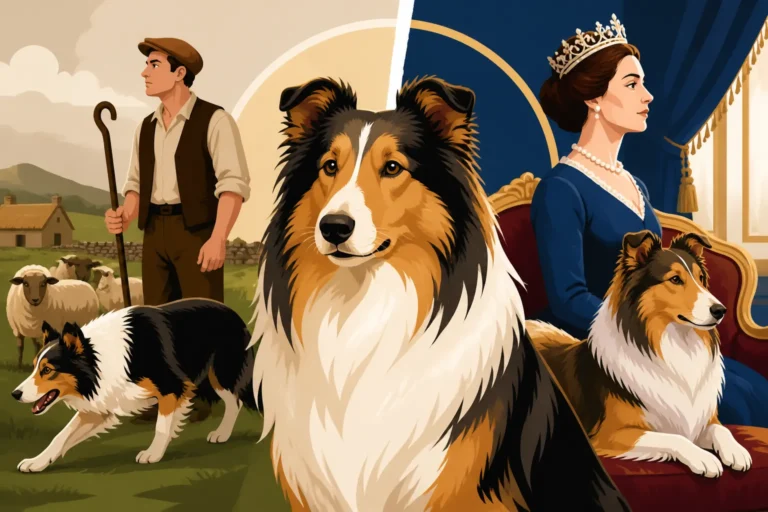
Before Lassie ever graced the silver screen, the Collie had already captured the hearts of European royalty. Queen Victoria herself was captivated by the breed during her visits to Balmoral Castle in Scotland in the 1860s. Imagine, the most powerful monarch of her time, falling head over heels for these intelligent, elegant sheepdogs! Her adoration wasn't a private affair; it was well-known, and as often happens with royal trends, it sparked a public fascination. Soon, owning a Collie became a mark of sophistication and good taste among the gentry and beyond. This royal stamp of approval transformed the Collie from a working dog of the Scottish Highlands into a fashionable companion for the upper classes, solidifying its place in society. Queen Victoria Made the Collie Fashionable in the 1860s
Her influence was truly profound. Once Queen Victoria showed interest, the Collie's gentle nature, striking appearance, and remarkable intelligence quickly became celebrated. Breeders began to focus more on refining their aesthetic qualities for the show ring, leading to the development of the more glamorous "Rough Collie" we recognize today, with its abundant coat and refined head. This era cemented the Collie as a beloved fixture in homes, not just on farms, and laid the groundwork for its future ascent to superstardom.
The Lassie Phenomenon and Its Lasting Impact
While Queen Victoria gave the Collie its initial social climb, it was a dog named Pal who launched it into the stratosphere of global recognition. Pal, a Rough Collie, played the titular role in the 1943 film Lassie Come Home, and the world simply fell in love. Lassie wasn't just a dog in a movie; she became an aspirational figure, embodying unwavering loyalty, incredible bravery, and uncanny intelligence. Every child wanted a Lassie, and every family dreamed of having such a devoted companion. A Dog Named Pal Played Lassie and Changed the Breed Forever
The impact of the Lassie films and subsequent television series cannot be overstated. Collie registrations skyrocketed, and the breed became one of the most recognized and sought-after in the world. People didn't just see a dog; they saw a protector, a friend, a hero. This widespread media exposure cemented the Collie's image in popular culture for decades, making it synonymous with the ideal family dog. Even today, the name "Lassie" immediately conjures the image of a beautiful, intelligent Collie, a testament to the enduring power of that phenomenon.
Measuring Collie Popularity: Registrations, Trends, and Perception
When we talk about whether Collie numbers are falling, we need to look at actual data. Anecdotal evidence from local dog parks can be misleading. Professional kennel clubs and national registries offer the most reliable insights into a breed's popularity over time, even if those numbers don't tell the whole story.
Kennel Club Registration Data
The most common way to track a breed's popularity is through national kennel club registration statistics. In the United States, for instance, the American Kennel Club (AKC) publishes an annual ranking of the most popular breeds. For a long time, the Collie held a prestigious position, often ranking within the top 10 or 20 breeds for decades following the Lassie boom. These numbers reflect new puppies being registered each year, giving us a snapshot of breeding activity and public interest.
However, if you look at more recent rankings, you'll notice a clear shift. The Collie has steadily moved down the list, no longer holding its place among the top contenders. While still a recognized and cherished breed, its peak popularity as measured by registrations is undeniably behind it. This doesn't mean Collies are disappearing, but it does indicate a decrease in the number of new Collie puppies entering homes compared to historical highs. You can see this trend reflected in the availability of Collie-specific products too; while you can always find general dog supplies at places like Chewy, dedicated Collie-themed items might be a little harder to come by than, say, Labrador or Golden Retriever gear.
The Difference Between Popularity and "Rarity"
It's crucial to distinguish between a decrease in peak popularity and a breed becoming rare. The Collie is by no means rare. You can still find reputable breeders, dedicated rescue organizations, and plenty of loving Collie owners across the country. What has happened is that the breed has settled into a more moderate level of popularity after its extraordinary moment in the sun. This shift can actually be seen as a positive by some breed enthusiasts, as it sometimes correlates with more responsible breeding practices and fewer "fad" breeders who might prioritize quantity over health and temperament.
Consider it like a classic car: everyone recognizes a vintage Mustang, and it's still highly admired, but you don't see as many new ones being manufactured compared to popular SUVs today. The appreciation remains, but the sheer volume of new units has changed. The Collie still has a devoted following, but it's no longer the go-to choice for every prospective dog owner in the same way it once was. Whether the Collie Is Rare Now
Factors Contributing to the Collie's Shifting Popularity
So, if the Collie isn't rare, but its numbers aren't what they once were, what are the underlying reasons for this change? It's rarely one single factor but rather a combination of evolving lifestyles, changing perceptions, and practical considerations that influence a breed's standing.
Lifestyle Changes and Dog Owner Expectations
Modern lifestyles are undeniably different from those of the mid-20th century. Many families are busier, live in smaller spaces, and may not have the extensive time or resources that owning a long-coated dog like a Rough Collie traditionally requires. The "perfect" family dog has evolved in the public imagination. People are often looking for breeds that are perceived as lower maintenance in terms of grooming, or smaller breeds that fit easily into apartment living. While Collies can absolutely thrive in suburban homes and adapt to various living situations, their image as a large, long-haired dog can sometimes deter those seeking a "convenience" pet. The Household a Collie Was Built For
Furthermore, the general understanding of dog behavior and training has progressed. While Collies are incredibly intelligent and eager to please, they are also sensitive and can be prone to barking if not properly managed. Potential owners, researching breeds online or through communities like those found on platforms like Chewy, might encounter discussions about these traits and gravitate towards breeds they perceive as inherently "easier" or quieter, even if that perception isn't always accurate for every dog within a breed.
Grooming Demands and Coat Care
Let's be honest, that glorious Collie coat, while stunning, is also a significant commitment. The Rough Collie's long, flowing double coat requires regular and thorough grooming to prevent mats and keep it healthy. This isn't just a once-a-month task; it often means dedicated brushing sessions several times a week, especially during seasonal shedding periods. Many potential owners, perhaps unprepared for the reality of this upkeep, might opt for breeds with shorter coats or those perceived to be less demanding.
The reality of living with a Rough Collie means coming to terms with hair – a lot of it. During "coat blows" (when they shed their entire undercoat, usually twice a year), the amount of fur can be astounding. This can be a significant deterrent for individuals with allergies or those who simply prefer a spotless home. The initial attraction to the Collie's beauty might give way to the practical realities of owning a highly-shedding breed, leading some to choose other options. A Collie's Coat Is the Bill That Arrives Every Eight Weeks
Misconceptions and Breed Stereotypes
The "Lassie" image, while immensely beneficial in its time, also created some unrealistic expectations. Many people assume all Collies are as heroic and problem-solving as Lassie, or that they will inherently know how to act in any situation. While Collies are intelligent, they are still dogs, requiring training, socialization, and leadership like any other breed. When a real-life Collie doesn't instantly live up to a fictional ideal, it can sometimes lead to disappointment or, worse, misunderstandings about the breed's actual capabilities and needs.
Another common misconception revolves around their herding instincts. While Collies are herding dogs, their style is generally "loose-eyed" and less intense than some other herding breeds, but they still have those instincts. Some people mistakenly believe all Collies are high-energy dogs that must have a job, and while mental stimulation is important, it doesn't always have to be traditional herding. These stereotypes, both positive and negative, can sometimes overshadow the true nature of the breed, leading potential owners to either idealize them or unfairly dismiss them.
Comparing Collies to Other Popular Breeds
To further understand the Collie's current standing, it's helpful to compare its journey with that of other breeds that have either maintained or gained popularity in recent decades. The dog world is a dynamic landscape, and preferences shift with trends, celebrity endorsements, and evolving cultural norms.
The Rise of Newer "Family" Breeds
While the Collie was once the quintessential family dog, many other breeds have stepped into that role in recent years. Breeds like Labrador Retrievers and Golden Retrievers have consistently topped popularity charts, largely due to their generally stable temperaments, trainability, and perceived ease of care (though any large dog requires significant commitment). These breeds often have a more universally appealing image to modern families seeking a friendly, adaptable companion without the striking coat of a Rough Collie.
Even within the herding group, breeds like the Australian Shepherd have seen a surge in popularity. While they share some traits with Collies, their often more compact size, active nature, and striking merle patterns appeal to a different segment of the dog-owning public, particularly those involved in dog sports or seeking a perceived "working" dog aesthetic. The Collie, while still a fantastic family dog, simply faces more competition for that coveted spot in people's hearts and homes.
Changing Perceptions of "The Ideal Dog"
The criteria for "the ideal dog" have broadened considerably. Where once a large, noble protector might have been the goal, now people are often seeking a companion that fits seamlessly into diverse urban environments, travels easily, and requires minimal professional grooming. The internet and social media have also played a role, allowing people to discover a vast array of breeds and mixes, rather than relying on the handful of breeds traditionally featured in media. This wider exposure means more choice, and the Collie, while still beautiful, no longer holds a unique claim on public attention.
For instance, designer breeds or certain smaller, non-shedding breeds have become highly sought after by those with allergies or who prefer less hair in their homes. While a Smooth Collie offers a less demanding coat than a Rough, it still sheds and carries a similar overall temperament and size, which might not be what every modern owner is seeking. These societal shifts naturally impact which breeds gain or lose ground in the popularity rankings.
Here's a look at how Collie popularity (represented by AKC ranking) has shifted over time compared to some historically popular breeds:
| Era | Collie (Rough/Smooth) Rank | Labrador Retriever Rank | German Shepherd Rank | Golden Retriever Rank | Poodle (All Varieties) Rank |
|---|---|---|---|---|---|
| 1940s-1950s (Lassie Era) | Often Top 5-10 | Lower (e.g., 20s-30s) | Top 5-10 | Lower (e.g., 30s-40s) | Top 5-10 |
| 1970s-1980s | Top 10-20 | Rising (e.g., 10s-20s) | Top 5-10 | Rising (e.g., 10s-20s) | Top 5-10 |
| 2000s | 20s-30s | Top 1 | Top 5 | Top 3 | 10s-20s |
| Present Day | 30s-40s | Top 1 | Top 5 | Top 3 | 5s-10s |
Note: These rankings are approximate based on general trends observed in AKC historical data and are for illustrative purposes.
The Impact of Changing Numbers on the Collie Breed
A decline in popularity isn't just about rankings; it has tangible effects on the breed itself, from breeding practices to the challenges faced by rescue organizations. Understanding these impacts is essential for anyone who cares about the long-term health and well-being of Collies.
Challenges for Breeders and Breed Preservation
When a breed's popularity wanes, responsible breeders face new challenges. There might be fewer prospective buyers, meaning breeders may have smaller litters or longer waitlists. This can make it harder to find suitable homes for all puppies and can impact the financial viability of ethical breeding programs, which often incur significant costs for health testing, quality care, and showing. What a Collie Puppy Costs in 2026
On the positive side, a decrease in "fad" popularity often means that irresponsible breeders, those who jump on bandwagons purely for profit without regard for health or temperament, tend to leave the scene. This can result in a more dedicated community of breeders who are truly committed to the breed standard, health, and genetic diversity. However, it also means a smaller gene pool if too few committed breeders remain, emphasizing the importance of careful mate selection and communication within the breed community. Whether Breeding Only Clear Collies Would Shrink the Gene Pool
The Role of Collie Rescue Organizations
Unfortunately, when breeds experience a surge in popularity (like the Collie did with Lassie) followed by a decline, rescue organizations often bear the brunt. Many dogs are acquired impulsively without a full understanding of the breed's needs, leading to surrender when owners are overwhelmed by grooming, energy levels, or barking tendencies. Why Collies Are Surrendered Collie rescue groups work tirelessly to take in these dogs, provide them with veterinary care, rehabilitation, and find them new, loving homes.
A decrease in overall popularity might mean fewer Collies being bred, which could, in theory, lead to fewer Collies needing rescue in the long run. However, existing rescue organizations continue to play a vital role in addressing the legacy of past popularity surges and ensuring that every Collie finds a home where its unique needs are understood and met. They are an invaluable resource for anyone looking to bring a Collie into their life, often offering older, well-adjusted dogs who simply need a second chance. Many of these rescues, like others you might find listed on Chewy, are passionate about placing their dogs with the right families.
The Future of the Collie: What Owners and Enthusiasts Can Do
So, if Collie numbers are falling from their historical highs, what does that mean for the breed, and what can current and prospective owners do to support them? The future of any breed ultimately lies in the hands of those who cherish it.
Promoting Responsible Ownership and Education
The most impactful thing we can do is to champion responsible Collie ownership. This means educating potential owners about the true nature of the breed: their intelligence, sensitivity, grooming needs, and potential for barking. It means emphasizing that a Collie is not just a real-life Lassie but a complex, loving animal that requires commitment, consistent training, and proper socialization. By setting realistic expectations, we can ensure that Collies go to homes that are truly prepared for them, leading to fewer surrenders and happier dogs. The Bark Is the Trait Collie Owners Underestimate
Encouraging prospective owners to thoroughly research the breed, visit reputable breeders, or consider adopting from rescue organizations is key. Highlighting the benefits of genetic health testing, explaining what conditions like MDR1 mutation mean for the breed, and advocating for lifelong veterinary care are all part of painting an accurate picture of what it means to be a Collie owner. The Three Genetic Tests a Collie Breeder Owes You
Participating in Canine Sports and Activities
Collies are incredibly versatile and excel in a variety of canine sports and activities. Beyond their traditional role as herding dogs, they can shine in obedience, rally, agility, scent work, and even as therapy dogs. Engaging Collies in these activities not only provides them with essential mental and physical stimulation but also showcases their intelligence, athleticism, and wonderful temperament to a wider audience. Herding, Rally and the Sports a Collie Was Made For
When people see Collies actively participating and succeeding in these events, it helps to counteract any outdated stereotypes and highlights their capabilities as modern canine companions. It can inspire new interest in the breed and demonstrate that Collies are far more than just beautiful show dogs; they are intelligent, adaptable, and eager partners in a wide range of pursuits. This exposure can organically generate renewed interest, attracting individuals who are looking for an active and engaged dog for more than just aesthetics.
Supporting Ethical Breeders and Rescue Organizations
Finally, supporting the dedicated individuals and groups working to preserve the Collie breed is paramount. This means seeking out and endorsing ethical breeders who prioritize health, temperament, and adherence to the breed standard, rather than just quick sales. It means supporting Collie rescue organizations through donations, fostering, or volunteering, helping them continue their invaluable work in rehoming Collies in need.
By making informed choices about where we acquire our Collies and actively participating in the breed community, we can ensure that the Collie remains a cherished and healthy breed for generations to come. Their numbers may have fallen from the dizzying heights of mid-century fame, but their inherent beauty, intelligence, and loyalty ensure they will always hold a special place in the hearts of those who know and love them.
Disclaimer
This article is for general informational purposes only and does not constitute professional advice. Laws, prices and regulations vary by location and change over time. Consult a qualified professional for guidance on your specific situation.