Whether a Sable Collie Darkens With Age
A sable Collie’s coat can look noticeably darker as it grows from puppyhood into adulthood, but the change is not guaranteed or perfectly predictable. Some puppies develop deeper shading; others lighten, keep a similar color, or change unevenly as their coat matures. This guide explains what is normal, what affects the appearance, and when a coat change deserves a closer look.
Can a sable Collie darken with age
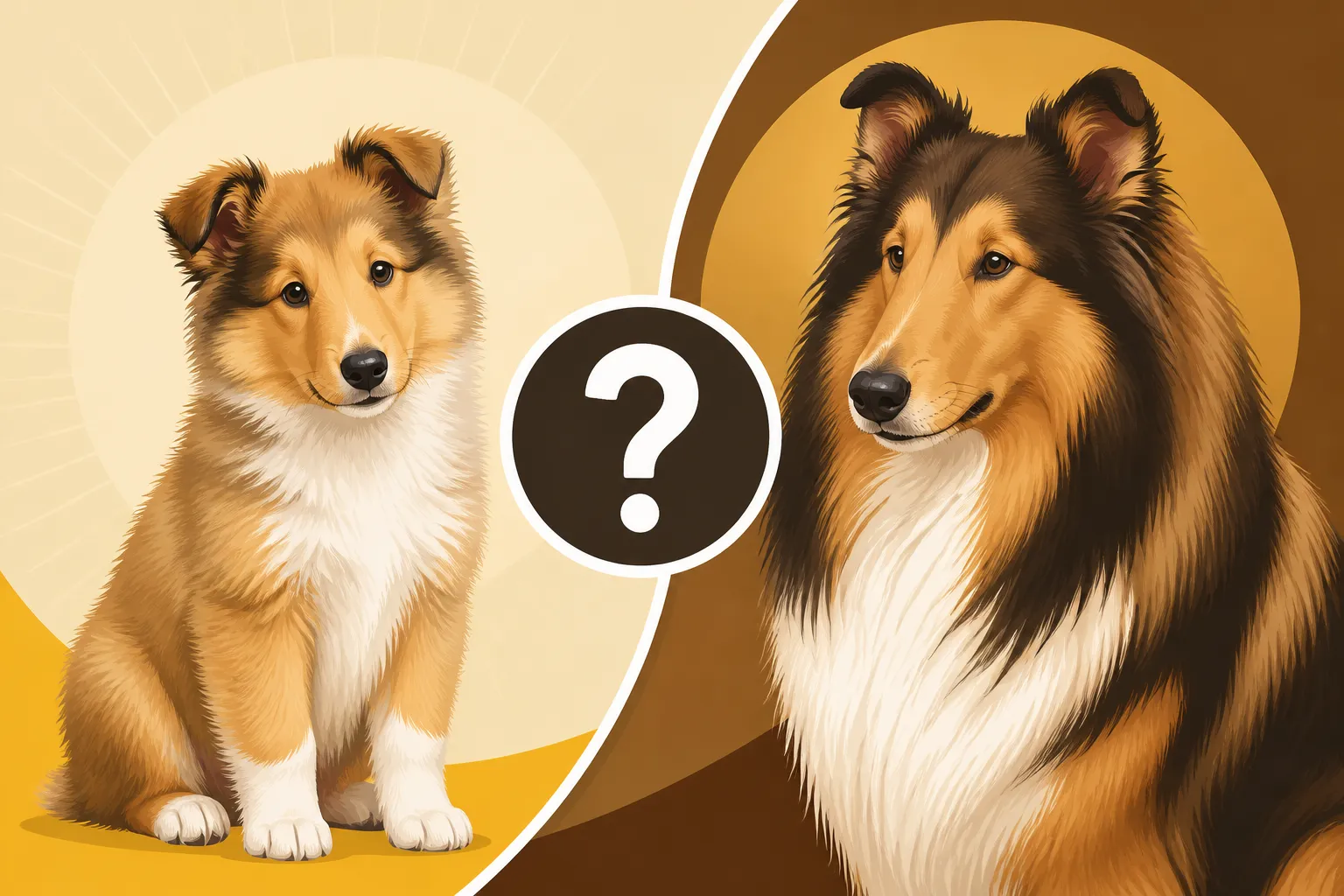
Yes, a sable Collie can darken as it matures. The color may shift from a light, golden-looking puppy coat toward richer gold, mahogany, or deeper brown tones, sometimes with more visible dark-tipped hairs. But sable covers a broad range, and two puppies from the same litter can develop differently.
The change is not necessarily a simple shift in the color of every hair. A Collie’s coat has layers and varied hair lengths, so a puppy can seem to change color as its adult coat grows in. Longer guard hairs, undercoat, and dark shading may become more noticeable at different stages.
Puppy coat and adult coat can look different
A young puppy’s coat is not always a reliable preview of its adult appearance. The coat can be shorter and softer, and the distribution of darker hairs may change as the dog grows. When a longer adult coat develops, sable shading can appear richer or more pronounced, even if the underlying color pattern has not fundamentally changed.
Owners sometimes notice a surprising difference around the neck, shoulders, back, or tail. A pale-looking puppy may develop a darker overlay in some of those areas, while the chest, legs, or collar remain lighter. Another puppy may start with strong dark shading and appear softer or more golden after its coat changes.
For a broader look at coat colors and patterns, see The Four Colors a Collie Comes In and What a Sable and White Collie Looks Like. Those distinctions can help you describe what you see, but they cannot tell you exactly how an individual puppy will look as an adult.
Sable is a range, not one fixed shade
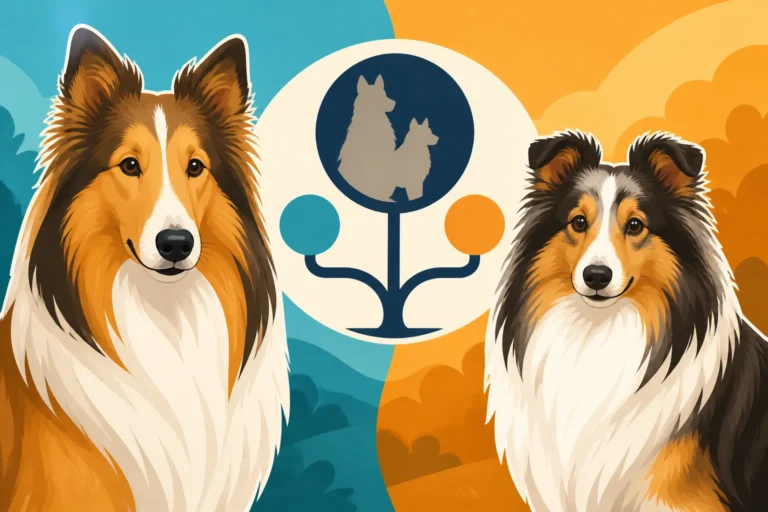
“Sable” does not describe one precise color. It can include coats that look light gold, warm tan, deep reddish-brown, or somewhere between. Many sable Collies have darker-tipped hairs mixed with lighter areas, which creates shading rather than a single flat color.
That mixture can make the coat look different depending on the light, the dog’s position, and whether the coat is clean and brushed. A sable Collie standing in direct sun may appear warmer or lighter than the same dog indoors. A thick, unbrushed coat can also make dark areas look more prominent because the hairs are layered together.
If you are choosing a puppy, photos of the parents and older relatives may offer useful context, but they are not a guarantee. Even within a family, coat shade and the way it develops can vary. The basics of inheritance are also more involved than simply matching one parent’s coat color, as explored in Whether the Coat Gene Is Simple in Collies.
Age-related change is different from a sudden coat problem
A gradual change that follows normal coat growth is different from an abrupt change in color or condition. If your Collie’s coat slowly looks darker as longer hairs come in, or shifts subtly after a seasonal shed, that can be part of ordinary development.
A sudden change accompanied by hair loss, itchiness, sores, a strong odor, dullness, or a change in skin color deserves veterinary attention. So does a coat that becomes sparse or unusually brittle. Color alone is not enough to diagnose a health problem, but a change in the coat’s texture or the dog’s comfort is a good reason to ask your veterinarian.
Why a sable Collie’s coat may appear darker
A coat can look darker for several reasons, and not all of them mean the dog’s permanent color has changed. Hair length, shedding, sunlight, dirt, and coat care all affect what you see. Before deciding your Collie has darkened, consider whether the coat has recently grown out, been brushed, or spent a season outdoors.
Coat growth and shedding change the visible pattern
Collies have a double coat, and the balance of undercoat and longer outer coat changes what the color looks like. When loose undercoat is trapped beneath the outer hairs, the coat may look fuller, heavier, and more shaded. After shedding, the coat may appear less dense or more even in color.
Seasonal shedding can make the same dog look different across the year. A coat that is well into its growth phase may seem darker or more substantial than a thinner coat after a major shed. For more on this cycle, see Whether a Collie Blows Coat Twice a Year or More.
A good line-brushing routine can help you see the coat more clearly by separating the layers and removing loose hair. It will not change the genetic color, but it may reveal lighter areas that were hidden under loose or packed undercoat. Brushing is also a useful chance to notice whether the skin looks healthy.
Sunlight, dirt, and lighting affect color
Sunlight can make coat colors appear warmer or lighter, and strong exposure may fade the ends of some hairs. Dust, mud, and everyday grime can make lighter areas look dull or darker until the coat is clean. Indoor lighting can also alter how gold, brown, and black shading reads to the eye.
When tracking a color change, compare photographs taken in similar conditions. Use natural light if possible, and take pictures from the same angle with the coat dry and brushed. A photo taken under a warm lamp after a muddy walk is not a fair comparison with one taken outside on a clear morning.
If you are shopping for a comb or brush, retailers such as Chewy may be one place to compare ordinary grooming tools. The important part is choosing a tool that suits your dog’s coat and using it gently; a brush should not scrape or irritate the skin.
Coat texture and health can affect appearance
A Collie’s coat can look different when its condition changes. Dryness, matting, excess loose hair, or a coat that has become sparse can alter how light reflects from it. A change in coat condition may have many explanations, including ordinary seasonal shedding, grooming issues, or a health concern that needs professional assessment.
A coat change after illness, medication, or another major change in health is worth mentioning to your veterinarian, especially if the coat is thinning or the skin is affected. See Whether a Collie's Coat Thins After Illness for more on that particular concern. Do not assume that a color shift by itself means your dog needs a supplement or a change in diet.
If your veterinarian recommends a specific coat-care product, ask which ingredients or product type they want you to use before ordering. If you shop through Chewy or another retailer, check the label against that advice rather than choosing a product based only on a promise to brighten or enrich coat color.
What to expect as a sable Collie matures
There is no single age when every sable Collie reaches its adult color. Coat changes happen alongside growth and coat cycles, and the timing and appearance vary from dog to dog. It is more helpful to expect gradual variation than to wait for one exact moment when the color becomes “final.”
| Life stage or situation | What you may notice | What it may mean |
|---|---|---|
| Puppyhood | Soft coat, lighter or uneven shading | Puppy coat may not show the adult pattern clearly |
| Growing into the adult coat | Darker tips or richer areas become more visible | Longer hairs and changing coat density can alter the appearance |
| Seasonal shedding | Coat looks thinner, fuller, lighter, or more shaded | The balance of undercoat and outer coat has changed |
| After sun exposure or outdoor activity | Coat may seem faded, dusty, or dull | Light, dirt, and coat condition can affect how color appears |
| Sudden change with skin or hair symptoms | Patchy loss, irritation, sores, or unusual texture | Contact a veterinarian rather than treating it as a normal color shift |
Photos help separate a real trend from a lighting trick
If you are curious about your Collie’s coat, take a clear photo every few months rather than relying on memory. Photograph the same areas, such as the shoulder, back, and side of the neck, in similar daylight. Include a note about whether your dog has recently shed, had a bath, or been spending more time outdoors.
This simple record can be helpful if you later speak with a breeder or veterinarian. It also prevents the familiar “Wasn’t that patch lighter last month?” debate that happens when you see your dog every day. Small changes are easy to miss in real time and easy to exaggerate from memory.
Do not worry if the coat changes unevenly. Sable shading can be more obvious in one area than another, and the adult coat may not match a puppy photograph. A dog’s color is only one part of its appearance and says nothing by itself about temperament, health, or quality as a companion.
Ask the breeder about relatives, but keep expectations realistic
A breeder who has watched related dogs mature may be able to describe the range of coat changes in that family. Ask whether the parents or older relatives became darker, lighter, or more heavily shaded with age. This gives you helpful background, not a promise that your puppy will follow the same path.
It can also help to look at adult relatives rather than relying on puppy photos alone. Even then, remember that individual dogs differ. The combination of inherited color, coat growth, grooming, and environment means a littermate may mature into a noticeably different shade.
If a breeder describes a puppy as “likely to darken,” treat that as an informed expectation rather than a guarantee. The same applies if someone predicts the dog will stay pale. Natural coat variation is part of living with a Collie, and it is usually better to enjoy the changes than to judge them as a defect.
Caring for the coat without trying to change its color
The safest approach is to care for the coat so it stays clean, comfortable, and free of mats. There is no need to use products intended to dye, bleach, or artificially deepen the coat. Such treatments can irritate the skin or damage the hair, and they are not a healthy way to manage normal color variation.
Brush for comfort and coat condition
Regular brushing helps remove loose hair and gives you a chance to check the skin. Work through the coat in sections, reaching the undercoat without dragging a tool across the skin. Pay attention to areas where friction and longer hair can encourage tangles, including behind the ears and around the legs.
If a mat is tight against the skin, do not pull hard or cut close to the body with scissors. That can hurt your dog, and it is easy to cut skin hidden inside the coat. Ask a groomer or veterinarian for help when a tangle is difficult to work out safely.
You can find more practical guidance in How to Line Brush a Collie and Where a Collie Mats First. If you need to replace a basic comb or brush, Chewy may be one retailer to compare, but choose based on the tool’s suitability and your Collie’s comfort, not on claims that it will alter coat color.
Bathe only when needed and use dog-formulated products
A bath can remove dirt that makes a coat look dull, but it does not change the dog’s natural sable pattern. Use a shampoo formulated for dogs, rinse thoroughly, and dry the coat well. A damp, dense coat can be uncomfortable and may be harder to brush through.
Avoid whitening shampoos, human hair products, or color-enhancing formulas unless your veterinarian or a qualified groomer has a specific reason to recommend one. If you are comparing dog shampoos through Chewy or another shop, check that the product is intended for dogs and consider your Collie’s skin history. Stop using a product if it causes irritation and ask your veterinarian what to do.
For detailed bathing advice, see How Often a Collie Needs a Full Bath. A clean coat may look brighter or more defined, but that is a grooming effect, not a permanent color change.
Treat coat changes as a health clue only when the whole picture supports it
A sable Collie may darken or lighten naturally, but a coat is also part of the overall health picture. If color change comes with itching, hair loss, redness, scabs, a persistent odor, or changes in energy or appetite, contact your veterinarian. Bring your photos and a timeline of when the change began.
Do not start supplements, change food, or apply a topical treatment solely because the coat looks a different shade. A supplement may be appropriate for a particular dog, but the decision should be based on the dog’s needs and veterinary guidance. For general coat-care questions, Whether a Collie Needs Supplements for Its Coat can help you think through what to ask.
Most sable Collies simply grow into their own version of sable. Some become deeper and richer in color, some stay comparatively light, and many show a mix of changes over time. If your dog is comfortable and the coat and skin are healthy, a changing shade is usually just one of the small surprises of watching a puppy become an adult.
Disclaimer
This article is for general informational purposes only and does not constitute professional advice. Laws, prices and regulations vary by location and change over time. Consult a qualified professional for guidance on your specific situation.