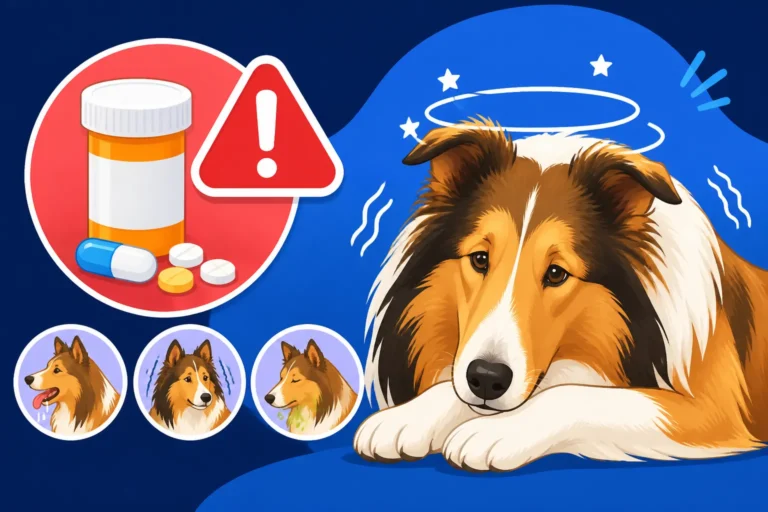
Whether a Collie’s Seizures Can Be Controlled
Watching your beloved Collie suffer through a seizure is one of the most frightening experiences a dog owner can face. The feeling of helplessness as their body convulses, or they appear disoriented and unresponsive, is truly terrifying. This comprehensive guide will walk you through what seizure control means for Collies, the diagnostic journey, treatment options, and how to work with your vet to give your furry family member the best possible quality of life despite this challenging condition.
Understanding Canine Epilepsy in Collies
Canine epilepsy in Collies, like in many breeds, isn't a single condition but a symptom that can stem from various underlying causes. The sudden, uncontrolled electrical activity in the brain is always alarming, and understanding what you're seeing is the first step toward effective management.
The Different Types of Seizures Collies Experience
When your Collie has a seizure, it can manifest in several ways, and recognizing the type can be incredibly helpful for your veterinarian. The most commonly recognized type is the generalized seizure, often called a "grand mal" seizure. This is what most people picture: your dog loses consciousness, collapses, and their limbs paddle rigidly, often accompanied by drooling, chewing, vocalization, and loss of bladder or bowel control. These episodes are profoundly distressing to witness, and it feels like an eternity, even if they only last a minute or two.
Beyond generalized seizures, there are also focal seizures, which are often subtler and can be easily missed or misinterpreted. These involve abnormal electrical activity in only a localized part of the brain. Your Collie might exhibit twitching in one part of their face or a single limb, dilated pupils, repetitive licking, or even peculiar, uncharacteristic behaviors like staring blankly or snapping at imaginary flies. These can sometimes progress into a generalized seizure. Then there's status epilepticus, which is a continuous seizure lasting more than five minutes, or multiple seizures without a full recovery of consciousness in between. This is a life-threatening emergency that requires immediate veterinary intervention to prevent brain damage and organ failure.
Idiopathic Epilepsy vs. Symptomatic Epilepsy in Collies
When a Collie experiences seizures, veterinarians work diligently to determine the cause, categorizing them broadly into two types: idiopathic and symptomatic. Idiopathic epilepsy is a diagnosis of exclusion, meaning it's diagnosed when all other potential causes have been ruled out. In Collies, this form of epilepsy is often genetic, passed down through generations, and is typically characterized by recurrent seizures with no identifiable structural brain lesion or metabolic cause. It's frustrating because there's no "fix" for the underlying genetic predisposition, only management of the symptoms. For many Collie owners, this is the most common form they will encounter.
In contrast, symptomatic epilepsy, also known as secondary epilepsy, means the seizures are a symptom of another underlying condition. This could be anything from a brain tumor, inflammation or infection of the brain (encephalitis), a stroke, head trauma, or even metabolic imbalances like severe liver disease, kidney failure, or dangerously low blood sugar. The approach to symptomatic epilepsy is to treat the primary condition, which, if successful, can often resolve or significantly reduce the seizure activity. The journey to differentiate these can be long and emotionally taxing, as you hope for a treatable cause but often land on the hereditary nature of idiopathic epilepsy.
Diagnosing Epilepsy and Its Causes in Collies
Embarking on the diagnostic journey for seizures in your Collie can feel like navigating a maze. It requires patience, careful observation, and a strong partnership with your veterinary team. The goal is always to rule out reversible causes before settling on a diagnosis of idiopathic epilepsy.
The Diagnostic Process for Seizures
When your Collie first experiences a seizure, your veterinarian will start with a thorough physical examination, a detailed neurological exam, and a comprehensive blood panel. The blood tests are crucial for checking organ function, looking for metabolic imbalances, or signs of infection that could be triggering seizures. They'll assess liver and kidney values, blood sugar levels, and electrolyte balance. It's often a relief if a metabolic cause is found, as these can sometimes be managed with diet or medication, offering a clear path forward.
If initial blood work is normal, the next step often involves advanced imaging, specifically an MRI of the brain. This can be nerve-wracking and costly, but it's the gold standard for ruling out structural abnormalities like tumors, cysts, inflammation, or prior strokes. Performing an MRI requires general anesthesia, which always carries its own risks, especially for a dog already experiencing a neurological event. Sometimes, a cerebrospinal fluid (CSF) tap is performed during the same anesthetic event to check for inflammatory or infectious conditions of the central nervous system. This process of elimination can be financially draining, and it's during these times that many owners are grateful for pet insurance providers like Healthy Paws, which can help alleviate the burden of diagnostic costs.
Why Collies Are Prone to Epilepsy
Collies, unfortunately, carry a genetic predisposition to idiopathic epilepsy, meaning seizures often occur without any apparent external cause. This form of epilepsy typically manifests in dogs between six months and five years of age. If your Collie starts having seizures within this age window and all other causes have been ruled out, it’s highly probable they have idiopathic epilepsy. It's not something you did wrong; it's simply part of their genetic makeup.
Understanding that this is often a hereditary condition can be a bitter pill to swallow, as it means there’s no cure, only management. If you're considering breeding your Collie, or if you've purchased a puppy from a breeder, it's vital to discuss the history of epilepsy in their lines. For more information on when this condition typically begins, you might find The Age Epilepsy Starts in a Collie helpful. This genetic link is a key reason why responsible breeders carefully screen their breeding stock and share health information.
The Goal of Seizure Management: Control, Not Cure
When facing a diagnosis of epilepsy in your Collie, it's essential to adjust your expectations. For the vast majority of Collies with idiopathic epilepsy, the goal isn't to eliminate seizures entirely, but to control them effectively. This means reducing their frequency, severity, and duration, and preventing life-threatening cluster seizures or status epilepticus.
Setting Realistic Expectations for Treatment
It's common for owners to hope that medication will completely stop all seizures, but with idiopathic epilepsy, this is rarely the case. Instead, the aim is usually to achieve a significant reduction—perhaps going from multiple seizures a month to one every few months, or seeing shorter, less intense episodes. This can be hard to accept, as you naturally want your beloved companion to be completely free of this terrifying condition. It’s important to remember that even partial control can dramatically improve your Collie's quality of life and reduce the stress on both of you.
Your vet will work with you to find the "sweet spot" for medication, where side effects are manageable, and seizure control is optimized. This often involves a delicate balance, as higher doses might offer better control but come with more pronounced side effects. It’s a marathon, not a sprint, and patience and open communication with your vet are crucial.
When to Start Medication for Your Collie
Deciding when to start antiepileptic drugs (AEDs) is a significant decision made in consultation with your veterinarian. It's not always initiated after the very first seizure. Several factors play into this decision, including:
- Frequency: If your Collie is having more than one seizure every 6-8 weeks, medication is usually recommended.
- Severity and Duration: Very severe or prolonged seizures, even if infrequent, can warrant early intervention due to the risk of brain damage.
- Cluster Seizures: If your Collie experiences multiple seizures within a 24-hour period, or status epilepticus, medication is typically started immediately.
- Recovery Period: If your Collie takes an unusually long time to recover after a seizure (the post-ictal phase), that can also be a reason to start treatment.
The goal is to prevent further neuronal damage that can occur with uncontrolled seizures, which can sometimes make the epilepsy harder to control in the long run. Don't hesitate to ask your vet every question you have; this is a partnership in your Collie's health.
Common Antiepileptic Drugs for Collies
Managing epilepsy often involves a lifelong commitment to medication. It's crucial to understand the commonly prescribed drugs, their potential side effects, and how they might interact, especially given the Collie's unique genetic sensitivities.
First-Line Medications and Their Side Effects
Several medications are commonly used as first-line treatments for canine epilepsy.
- Phenobarbital: This is often one of the first choices due to its effectiveness and relatively low cost. It works by depressing the central nervous system. However, it requires careful monitoring as it can cause significant side effects, including sedation, increased thirst (polydipsia), increased urination (polyuria), and increased appetite leading to weight gain. Long-term use necessitates regular blood work to monitor liver function, as it can be taxing on the liver.
- Potassium Bromide (KBr): Often used in conjunction with phenobarbital or as an alternative if phenobarbital isn't tolerated, KBr has a longer half-life, meaning it takes longer to reach therapeutic levels but also lasts longer in the system. Side effects are similar to phenobarbital, including sedation, hind limb weakness, and increased thirst and appetite. It's generally safer for the liver than phenobarbital.
- Zonisamide: This is a newer AED that is often used in combination with other drugs or as a monotherapy. It tends to have fewer serious side effects than phenobarbital, making it a good option for Collies with liver concerns. Common side effects include mild sedation and loss of appetite, which usually resolve as the dog adjusts.
A significant concern for Collie owners is the breed's sensitivity to certain drugs due to the MDR1 mutation. Many Collies carry this genetic variant, which affects how their body processes and eliminates certain medications. While common AEDs like phenobarbital, potassium bromide, and zonisamide are generally considered safe for MDR1-affected Collies, it's absolutely vital to discuss your Collie's MDR1 status with your vet before any medication is prescribed. For more detailed information on this, see Whether an MDR1 Collie's Seizure Drugs Need Adjusting. Some drugs, even if not directly for epilepsy, can interact with AEDs or be problematic for an MDR1-affected dog, so it’s important your vet is fully aware of your Collie’s genetic health panel results. If your Collie requires extensive medication, having robust pet insurance like Healthy Paws can provide peace of mind by covering a substantial portion of these ongoing prescription costs.
Adjunctive and Newer Treatment Options
Sometimes, a single medication isn't enough to control seizures, or the side effects are too severe. In these cases, your vet might consider adjunctive therapy, which means adding a second or even third medication to the regimen.
- Levetiracetam (Keppra): This drug is a popular choice for adjunctive therapy because it has a rapid onset of action and generally fewer side effects, primarily mild sedation. It's also often used in emergency situations or for cluster seizures because it can be given frequently and doesn't rely on liver metabolism as heavily as some other AEDs. This makes it a generally safe option for Collies, even those with MDR1 concerns, though all medications should still be discussed with your vet.
- Gabapentin: While primarily used for neuropathic pain, Gabapentin also has anticonvulsant properties and can be used as an add-on therapy, particularly if anxiety or pain is thought to be exacerbating seizures. It typically causes sedation as a side effect.
- Imepitoin (Pexion): This drug is available in some countries outside the U.S. and is noted for its mild side effect profile and effectiveness, particularly for dogs with mild to moderate epilepsy. It works differently from other AEDs and can be a good option for specific cases where other drugs are not tolerated or effective.
Finding the right combination and dosage is often a trial-and-error process, requiring careful observation of your Collie and consistent communication with your veterinary neurologist. It’s an ongoing process to achieve the best possible seizure control with the fewest adverse effects. The cost of these multiple medications can quickly add up, and this is another area where pet insurance such as Healthy Paws can be a real lifeline, helping manage monthly expenses for these vital prescriptions.
Monitoring and Adjusting Your Collie's Treatment Plan
Effective seizure control isn't about a one-time fix; it's a dynamic process. Your Collie's response to medication can change over time, requiring vigilant monitoring and proactive adjustments to their treatment plan.
The Importance of a Seizure Log
One of the most valuable tools in managing your Collie's epilepsy is a detailed seizure log. This isn't just a casual note; it's a critical piece of data that helps your vet track patterns, assess the effectiveness of medication, and decide when adjustments are needed. It can feel like a chore during such a stressful time, but it truly makes a difference.
Here's what you should record for every seizure your Collie experiences:
| Data Point | What to Record |
|---|---|
| Date and Time | The exact date and time the seizure started. |
| Duration | How long the seizure lasted (from the first sign of abnormal activity to the end of the full seizure, not including the recovery period). Use a timer if possible. |
| Type of Seizure | Describe what you saw (e.g., generalized grand mal, focal twitching, staring spell). Note any specific behaviors like paddling, drooling, vocalizing, loss of bladder/bowel control. |
| Pre-ictal Phase | Any unusual behavior before the seizure (e.g., hiding, seeking attention, restlessness, anxiety). This can help identify potential triggers. |
| Post-ictal Phase | How long it took for your Collie to recover and what they were like during recovery (e.g., disoriented, sleepy, hungry, thirsty, temporarily blind or deaf). |
| Potential Triggers | Anything unusual that happened immediately before the seizure (e.g., loud noise, stress, change in routine, specific food, medication missed or given late). This is incredibly difficult to pinpoint but important to try. |
| Medication Given | If you administered any emergency medication (like rectal diazepam), note the time and dosage. |
This log provides objective data that is far more reliable than memory, especially when you're under stress. It also helps you identify patterns you might otherwise miss.
Working Closely with Your Veterinarian
Managing a Collie with epilepsy requires a dedicated partnership with your veterinarian. Regular follow-up appointments are essential, often including blood tests to monitor the therapeutic levels of your Collie's antiepileptic drugs. This is crucial because dogs metabolize these drugs differently, and what's a therapeutic dose for one Collie might be toxic for another or ineffective for a third. These blood tests also monitor liver and kidney function, especially with medications like phenobarbital that can impact these organs over time.
Don't be afraid to ask questions or voice concerns. This journey is continuous, and your vet needs your input to make informed decisions about dosage adjustments or changes in medication. You might be interested in reading Whether an Epileptic Collie Can Take Standard Medication for more context on drug choices. Sometimes, switching medications or adding an additional drug is necessary to regain control, particularly if seizures become more frequent or severe. This constant vigilance and adjustment are key to managing your Collie’s condition effectively and helping them live their best possible life.
Lifestyle Adjustments and Supportive Care
Beyond medication, there are several lifestyle adjustments and supportive care strategies that can significantly contribute to managing your Collie's epilepsy and overall well-being. These measures aim to reduce potential triggers and create a stable, calming environment.
Identifying and Avoiding Potential Triggers
While idiopathic epilepsy means there's no single external cause, many Collies have specific triggers that can precipitate a seizure. These are often individual to each dog and can be incredibly challenging to pinpoint, adding to the frustration of managing the condition. Common triggers can include:
- Stress and Excitement: Any highly stressful or overstimulating situation, like a trip to the groomer, a new visitor, or even an intense play session, can sometimes trigger a seizure. For a sensitive breed like the Collie, maintaining a calm and predictable routine is often beneficial.
- Environmental Changes: Sudden shifts in light, sound, or routine can sometimes upset a dog's neurological balance. Try to keep your Collie's environment consistent and introduce changes gradually.
- Certain Foods or Additives: While not scientifically proven for all cases, some anecdotal evidence suggests that certain food ingredients or artificial additives might be seizure triggers for some dogs. Discuss any dietary changes with your vet.
- Hormonal Cycles: For intact female Collies, seizures can sometimes be linked to their heat cycles.
- Medications or Toxins: Always be mindful of any other medications your Collie is on, even over-the-counter supplements, and avoid exposure to household toxins or pesticides. This is especially critical for Collies with the MDR1 mutation, as even seemingly benign drugs can be dangerous. It's helpful to remember The Drug List That Can Kill a Collie and keep your vet informed of everything your dog consumes.
Keeping a detailed seizure log, as discussed earlier, can be instrumental in identifying these subtle patterns. It often feels like detective work, but even minimizing one trigger can make a difference.
Nutrition, Supplements, and Environmental Enrichment
Supportive care for Collies with epilepsy extends to their diet, supplements, and daily environment.
- Nutrition: While there's no universal "anti-seizure diet," some veterinarians and veterinary neurologists advocate for specific dietary approaches. For instance, ketogenic diets (high-fat, low-carb) have shown promise in some human epilepsy cases and are being explored in dogs. Medium-chain triglyceride (MCT) oil, found in coconut oil, is also sometimes suggested as a supplement, but any major dietary change should only be made under the strict guidance of your veterinarian or a veterinary nutritionist.
- Supplements: Omega-3 fatty acids (fish oil) are widely recognized for their anti-inflammatory and neuroprotective properties, potentially supporting brain health. Some owners explore CBD oil, but it's crucial to use only veterinary-specific, third-party tested products and to discuss it thoroughly with your vet due to potential interactions with other medications and variable quality. Never self-medicate with human CBD products.
- Environmental Enrichment and Routine: Collies thrive on routine and a sense of security. Providing consistent meal times, exercise, and quiet rest periods can contribute to their overall stability. Mental stimulation through puzzle toys, scent work, or short, positive training sessions can be beneficial. It's about providing a calm, enriching life that minimizes stress. Understanding Whether a Collie's Seizure Is an Emergency is also crucial, as prompt action can save your dog's life during an acute event.
Living with an epileptic Collie requires vigilance, patience, and a deep commitment. It’s about building a strong support system with your veterinary team and adapting your life to meet your Collie’s unique needs, ensuring they can enjoy as full and happy a life as possible.
Disclaimer
The information provided in this article is for general educational purposes only and is not a substitute for professional veterinary advice. Always consult with a qualified veterinarian or veterinary neurologist for any health concerns or before making any decisions related to your Collie's medical care, diet, or treatment plan.