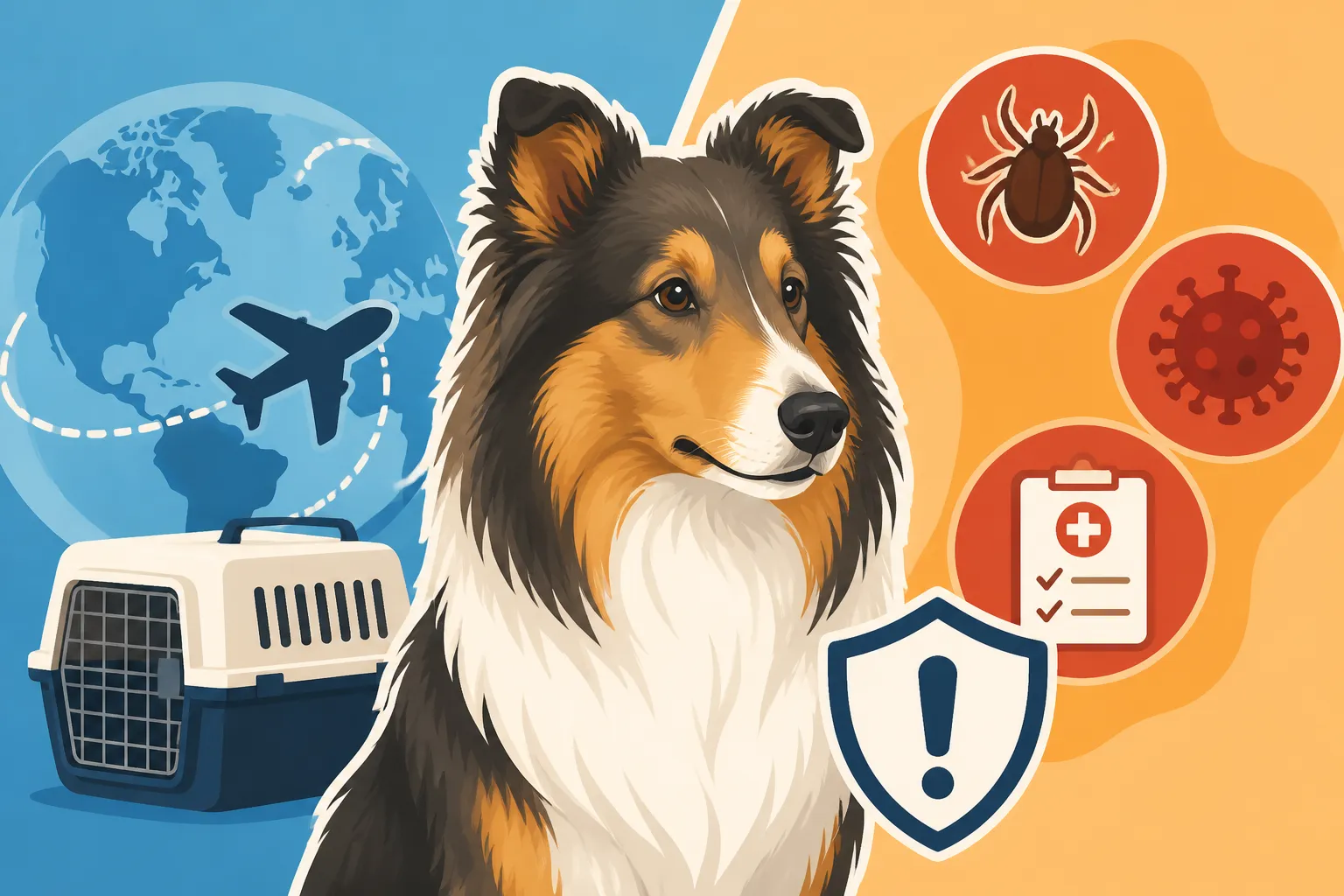
Whether an Imported Collie Has Different Risks
Bringing a Collie into your life, especially one from another country, comes with a unique set of questions and anxieties. Many prospective owners are charmed by the idea of a specific lineage or a particular look they've seen online, but often overlook the substantial differences in health screenings, disease prevalence, and even cultural approaches to dog rearing that vary wildly from one nation to another. This guide aims to thoroughly explore the distinct risks associated with importing a Collie, providing you with a realistic perspective and actionable advice to navigate these challenges.
The Initial Lure of Importing a Collie and Its Hidden Complexities
It’s easy to get swept away by the romantic notion of importing a Collie. Perhaps you've fallen in love with a particular bloodline from Europe, known for its exquisite conformation or exceptional working drive, or maybe a breeder across the pond offers a color pattern that’s rare in your region. The internet, with its boundless imagery of beautiful dogs, makes the world feel small and accessible. But beneath this surface allure lies a labyrinth of complexities, from disparate health standards to the sheer logistics of international animal transport, that can quickly turn a dream into a daunting reality.
The Dream Versus the Reality of an International Puppy
Many aspiring Collie owners envision a seamless process: find a stunning puppy, arrange transport, and welcome a perfectly healthy, well-adjusted companion. The reality, however, often involves a significant amount of paperwork, numerous vet visits on both ends, and a substantial financial outlay that can far exceed the initial purchase price of the puppy itself. You might be buying into a pedigree, but you’re also buying into an entirely different system of veterinary care, breeding ethics, and regulatory oversight that may not align with what you're accustomed to. The dog you see in pictures might be from a country where early socialization practices are different, or where certain health tests are not as routine as they are in your home country.
Unexpected Hurdles in Health and Temperament
Beyond the paperwork, there are tangible risks to the dog's well-being. An imported Collie may arrive with a temperament shaped by different socialization experiences, potentially leading to shyness, anxiety, or unexpected behavioral quirks in its new environment. More critically, health standards can vary dramatically. What is considered standard genetic screening in one country might be entirely overlooked in another. This isn't to say foreign breeders are inherently less responsible, but rather that their priorities or regional disease burdens might differ. You could unknowingly acquire a Collie predisposed to a genetic condition that is rare or well-controlled in your own country, simply because it wasn't a focus of their local breeding programs.
Critical Health and Safety Considerations for Imported Collies
When you bring a Collie across international borders, you're not just moving a dog; you're potentially introducing it to a new epidemiological landscape, and integrating it into a veterinary system that may not have all the historical context of its origins. This can lead to significant health challenges that domestic Collies might not face.
Varied Genetic Health Priorities and Screening Standards
Collies, like many purebred dogs, are predisposed to certain genetic conditions, such as the MDR1 gene mutation, Collie Eye Anomaly (CEA), and Dermatomyositis. While responsible breeders worldwide strive to minimize these risks, the specific genetic tests performed and the emphasis placed on them can differ significantly between countries. For example, some regions might prioritize screening for particular genetic conditions that are more prevalent in their local gene pool, while others might have less stringent testing requirements or even different definitions of what constitutes a "passing" health clearance.
You might find that a breeder in one country consistently tests for The Genetic Testing a Collie Breeder Has Already Paid For, including the Assume Your Collie Has the MDR1 Mutation, while a breeder in another might only focus on basic physical exams. This disparity means an imported Collie could carry genes for conditions like What the MDR1 Mutation Actually Does to a Collie that are well-managed or nearly eradicated in local lines, potentially introducing new health challenges or increasing the risk for future generations if you ever decide to breed. Always inquire about a complete Collie DNA health panel and request verifiable results from reputable labs.
Regional Disease Risks and Parasite Exposure
Every geographical region has its own set of endemic diseases and parasites. A Collie imported from a different country might have been exposed to, or even be a carrier for, diseases not common in your home area. For instance, dogs from Mediterranean climates might be at higher risk for Leishmaniasis, while those from certain tropical or sub-tropical regions could carry diseases like Ehrlichiosis or Babesiosis, which are transmitted by ticks and can be challenging to diagnose and treat if your local vets are unfamiliar with them.
Even common parasites like heartworm can have varying prevalence rates and species in different parts of the world. While import regulations typically require certain vaccinations and parasite treatments, these are often minimum standards. A dog might pass these checks but still harbor a less common pathogen that only manifests later, or that requires specialized diagnostics not routinely performed in your country. This can lead to a diagnostic odyssey for you and your vet, incurring significant costs and stress for both you and your new companion.
Different Vaccination Schedules and Acclimation Challenges
Vaccination protocols can also vary globally. While core vaccines (like distemper, parvovirus, and rabies) are universal, the specific strains used, the timing of boosters, and the range of non-core vaccines recommended can differ. An imported Collie might arrive with a vaccination history that doesn't perfectly align with your country's standard schedule, potentially leaving gaps in protection or requiring additional boosters shortly after arrival.
Furthermore, the stress of international travel itself can suppress a dog's immune system, making them more susceptible to illness in the immediate aftermath of their journey. A new environment, new diet, new water, and new social dynamics all contribute to physiological stress. This period of acclimation is critical, and any underlying health issues, whether genetic or infectious, can be exacerbated. It's vital to work closely with your local veterinarian to establish a proper health monitoring plan and ensure any unique health considerations for your imported Collie are addressed promptly and effectively.
Understanding Behavioral and Logistical Impacts
Beyond the purely medical aspects, the journey and integration of an imported Collie carry significant behavioral and logistical challenges that often go underestimated. These can profoundly affect a Collie's well-being and its ability to thrive in its new home.
The Psychological Toll of Travel and New Environments
Imagine being uprooted from everything familiar and transported thousands of miles to a new world where the language, sights, smells, and routines are completely alien. This is often the experience of an imported Collie. The long flights, changes in climate, unfamiliar handlers, and confinement can be incredibly stressful, especially for a sensitive breed like the Collie. This stress can manifest in various ways, from temporary shyness and withdrawal to more significant issues like separation anxiety or aggression, even in dogs that were reportedly well-adjusted beforehand.
A Collie's early life experiences, including its socialization, heavily influence its temperament. If a puppy comes from a country with different dog-rearing practices or less emphasis on early exposure to diverse environments, it might struggle to adapt to the hustle and bustle of a suburban home or crowded city park. Harsh Handling Breaks a Collie and It Does Not Come Back, and the stress of travel combined with an abrupt change in handling style can compound any existing sensitivities. It takes immense patience and understanding to help How a Rescue Collie Learns to Trust, and an imported dog often needs a similar level of dedicated support to overcome its initial anxieties and build confidence in its new surroundings.
Navigating International Regulations and Bureaucracy
The logistical maze of importing a pet can be overwhelming. Each country has its own set of complex regulations governing the entry of animals, designed to prevent the spread of disease and protect domestic livestock. These can include mandatory microchipping, specific vaccination requirements (especially for rabies, with strict timelines), health certificates endorsed by government veterinarians, and sometimes even quarantine periods upon arrival. The exact requirements depend on the origin and destination countries and can change frequently.
Failure to comply with even one small detail can result in your Collie being denied entry, sent back to its country of origin, or held in expensive quarantine for an extended period. For instance, the USDA (United States Department of Agriculture) or DEFRA (Department for Environment, Food & Rural Affairs in the UK) outlines precise steps and timelines that must be followed. These regulations are not just suggestions; they are strictly enforced and can cause immense stress and financial burden if overlooked. Understanding these rules fully is crucial before committing to an imported Collie, as the cost of getting it wrong can be incredibly high, not just in money but in emotional toll. This administrative hurdle often adds significantly to What a Collie Puppy Costs in 2026, making the initial price seem like only a small part of the total investment.
The Financial and Emotional Investment in an Imported Collie
The cost of a Collie puppy is just the tip of the iceberg, and this is especially true for an imported one. The journey across borders adds layers of expense and emotional strain that are crucial to consider.
Unanticipated Veterinary and Insurance Costs
Once your imported Collie arrives, its health journey isn't over. It's highly recommended to schedule a thorough veterinary check-up immediately upon arrival. This initial visit might involve re-vaccinations, additional parasite screenings specific to your region, and comprehensive bloodwork to establish a baseline and check for any latent infections. If the Collie has come from a country with less transparent health records, you might opt for additional genetic testing to confirm its status for conditions like MDR1 or CEA, even if the breeder provided some documentation. These tests and follow-up visits can add up quickly.
Pet insurance becomes an invaluable tool, but even here, there are nuances. Providers like Healthy Paws often have waiting periods for certain conditions, and if your Collie develops issues soon after arrival, it might be considered a "pre-existing condition" if the symptoms were present before the policy kicked in. It's critical to understand that Insuring a Collie Against Inherited Disease might require a policy with strong genetic coverage, and even then, some conditions might be excluded if there's any indication they started prior to insurance. Therefore, securing pet insurance early and understanding its coverage for imported animals is paramount. While Whether Pet Insurance Is Worth It on a Collie is a common question, for an imported dog, it can be a financial lifeline if things go sideways. Dealing with What an MDR1 Reaction Costs to Treat in a Collie or other complex health issues can easily run into thousands of dollars, a burden that insurance can significantly lighten, provided the policy is robust.
The Deep Emotional Stakes of Bringing a Collie Home
The decision to import a Collie is often driven by a deep desire for a specific type of companion, and the emotional investment begins long before the dog sets paw in your home. The months of planning, anticipation, and the sheer joy of finally welcoming your new family member create a powerful bond. However, this high emotional stake also makes any unexpected challenges profoundly difficult to handle.
If your imported Collie develops significant health issues, perhaps due to different genetic predispositions or exposure to unfamiliar diseases, the emotional toll can be immense. Not only are you facing potentially high veterinary bills and a sick pet, but you might also grapple with guilt or regret, wondering if you made the right decision. Similarly, if behavioral issues arise from the stress of travel or inadequate socialization, the emotional effort required for rehabilitation can be exhausting. Knowing Whether an MDR1 Collie Recovers From a Reaction is one thing, but dealing with chronic health or behavioral problems can test the limits of even the most dedicated owner. It’s important to approach this journey with eyes wide open, prepared for both the incredible joys and the potential heartaches that can accompany bringing an international dog into your life.
Here's a quick overview of some differences between acquiring a domestic versus an imported Collie:
| Feature | Domestic Collie | Imported Collie |
|---|---|---|
| Health Records | Often easily verified through local vets/registries | Can be difficult to verify; language barriers possible |
| Genetic Screening | Typically aligns with national breed club recommendations | Varies widely by country; may miss local concerns |
| Disease Exposure | Generally familiar to local veterinarians | Potential exposure to exotic diseases/parasites |
| Travel Stress | Minimal, usually car or short flight | Significant, long-haul flights, multiple transitions |
| Regulations | Straightforward buyer-seller contract, local laws | Complex international pet import laws, customs |
| Quarantine | Rare, unless specific disease risk | Possible, depending on origin country/destination rules |
| Veterinary Costs | Predictable initial exams, known local costs | Unanticipated costs for re-screening, specialized care |
| Temperament | Local socialization norms | May have different socialization experiences, more stress |
| Insurance | Easier to get full coverage early | Pre-existing conditions risk, may need specific policies with Healthy Paws or other providers |
Prudent Steps When Considering an Imported Collie
While the risks are real, importing a Collie can still be a rewarding experience if approached with meticulous planning and an abundance of caution. It's about being proactive and leaving no stone unturned.
Due Diligence with International Breeders and Health Records
The single most important step you can take is to conduct extremely thorough due diligence on any prospective international breeder. This goes far beyond just looking at their website or exchanging a few emails. Request comprehensive health clearances for both parents, including verifiable DNA test results for common Collie ailments like MDR1, CEA, and DM, as well as hip and elbow evaluations from recognized registries in their country (e.g., FCI, OFA equivalents). Ask for references from other international buyers if possible, and don't hesitate to contact those individuals to hear about their experiences.
Insist on video calls to see the puppies and their environment, and observe the dam's temperament. Understand the breeding practices, the socialization protocols for the puppies, and the overall living conditions. A reputable breeder will be transparent, eager to answer your questions, and willing to share extensive documentation. They should also be knowledgeable about the import process to your country and be willing to work with you on the necessary steps. Remember, an excellent breeder is often more concerned about the welfare of their puppies than making a quick sale, and their answers should reflect this.
Essential Pre-Import Health Checks and Preparedness
Before any international travel arrangements are finalized, your chosen Collie must undergo a rigorous veterinary examination by a trusted veterinarian in its home country. This exam should be explicitly tailored to the requirements of your destination country and include specific screenings for any endemic diseases prevalent in the Collie's country of origin but rare in yours. Ensure all vaccinations are up-to-date according to your country's import regulations and that all necessary microchipping and paperwork are in order.
Request copies of all veterinary records, including vaccine certificates, parasite treatments, and any genetic test results. Don't be afraid to ask for a copy of What the Collie DNA Health Panel Covers for the parents. Upon arrival, schedule an immediate appointment with your local veterinarian. Provide them with all the documentation you've collected. This allows your vet to establish a complete health profile, perform any additional recommended screenings, and develop a tailored wellness plan. Be prepared for the possibility of a period of adjustment where your Collie might need extra veterinary attention, and ensure your pet insurance, like Healthy Paws, is active and understood before your Collie even touches down. Having a financial buffer, perhaps an emergency fund alongside your pet insurance, is always a wise decision when bringing an animal from afar, safeguarding against those unexpected twists and turns.
Disclaimer
The information provided in this article is for general informational purposes only and does not constitute veterinary or legal advice. Always consult with a qualified veterinarian regarding your specific pet's health and with relevant government authorities or pet import specialists for the most up-to-date import regulations.