Whether a Collie Gets Progressive Retinal Atrophy
As Collie owners, we pour our hearts into these magnificent dogs, and nothing is more worrying than the thought of them losing their precious sight. We're often very aware of Collie Eye Anomaly (CEA) because it's so common, but what about other serious eye conditions? It’s completely natural to wonder if your beloved Collie could face Progressive Retinal Atrophy (PRA), a condition that can slowly steal their vision. This guide is here to shed light on PRA, explain its relevance to Collies, and help you understand what to watch for and how to prepare.
Understanding Progressive Retinal Atrophy (PRA) in Dogs
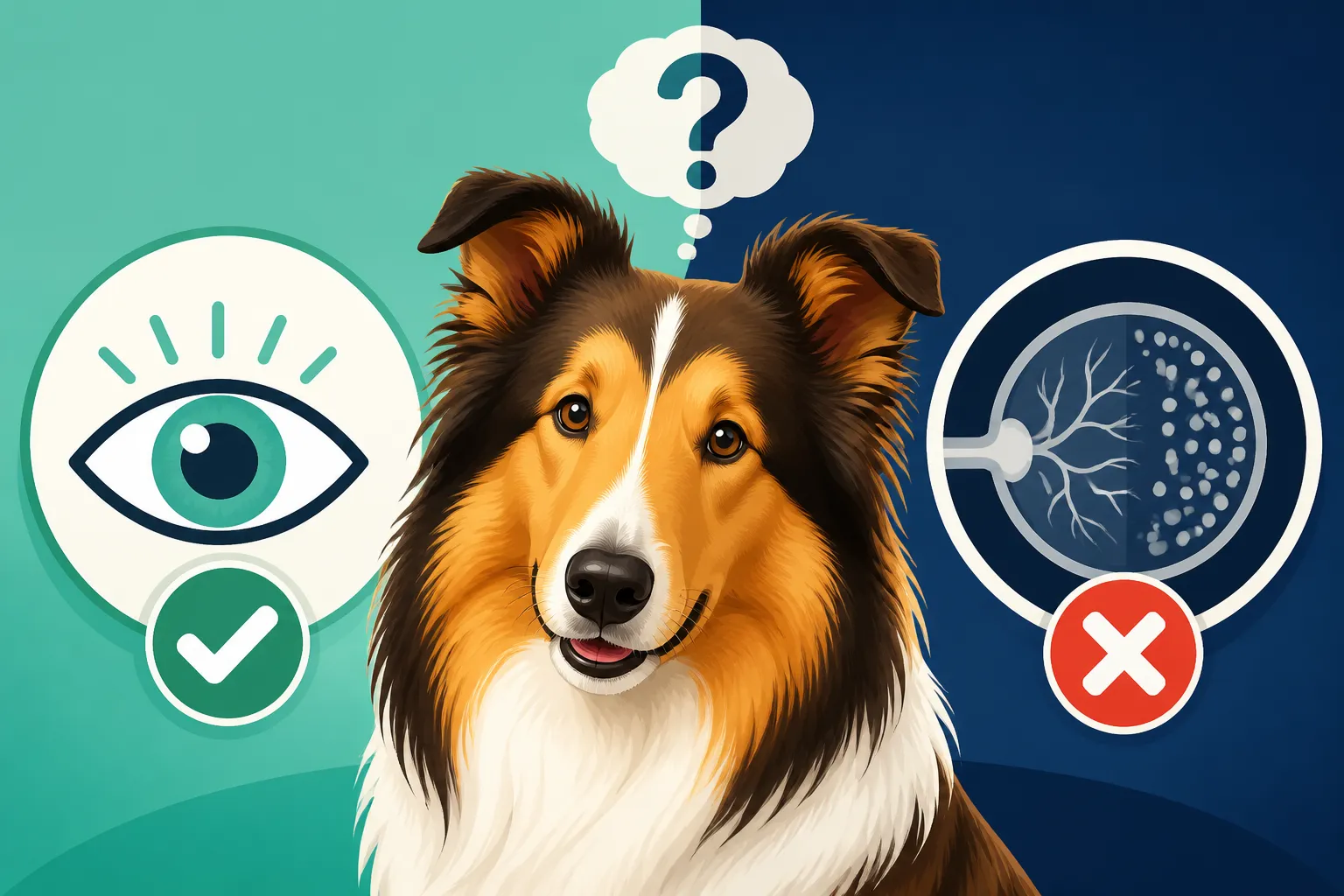
The very mention of "atrophy" can send a shiver down an owner's spine, especially when it concerns something as vital as sight. Progressive Retinal Atrophy, or PRA, isn't a single disease but rather a blanket term for a group of inherited degenerative diseases affecting the retina in both eyes. It's a cruel condition because it typically leads to eventual blindness, slowly diminishing your dog's world one flicker at a time. It’s a process, not a sudden event, which can be both a blessing and a curse for owners as they witness the gradual decline.
What is PRA and How Does It Affect Vision?
At its core, PRA targets the photoreceptor cells in the retina – those incredible rods and cones that are responsible for detecting light and color. Think of your dog's retina like the film in an old camera; it's where the images are captured. In PRA, these photoreceptor cells, which develop normally at first, slowly begin to break down and die. Initially, it often affects the rods, which are responsible for night vision and vision in low light. This means one of the first things you might notice is your Collie becoming hesitant in dimly lit rooms or bumping into furniture after dusk. As the disease progresses, the cone cells, which handle daytime and color vision, also degenerate. Eventually, this widespread retinal degeneration leads to complete blindness. It’s a progressive loss, meaning it steadily worsens over time, and sadly, there is no known cure.
Imagine your Collie, who loves to watch squirrels scamper across the yard or track a tossed toy, slowly losing the ability to see these things. Their world becomes fuzzy, then gray, then dark. It’s a heartbreaking process for both dog and owner, as you try to navigate a world that is becoming increasingly challenging for your canine companion. The emotional toll can be significant, prompting us to seek as much information as possible to understand and mitigate potential risks.
Types of PRA and Genetic Basis
PRA isn't a one-size-fits-all diagnosis; it comes in several forms, each with its own genetic signature and typical age of onset. Some forms, like generalized PRA, affect all photoreceptor cells, while others might initially target specific areas. The crucial thing to understand is that PRA is an inherited disease. This means it's passed down from parents to puppies through specific genes. Different breeds are predisposed to different types of PRA, and identifying the specific genetic mutation responsible is vital for breeders hoping to eliminate the disease from their lines. For instance, some PRA variants manifest very early in a puppy's life, while others might not show symptoms until middle age or even later.
The genetic component is why responsible breeders are so diligent about health testing. Many genetic tests are available for various forms of PRA across different breeds. These tests can identify carriers (dogs that carry the gene but don't show symptoms) and affected dogs. Understanding the specific genetic tests a breeder has already paid for can give you a lot of confidence in a puppy's future health. A positive test result for a specific PRA gene means a dog is at risk of developing the condition or passing it on, even if their eyes appear perfectly normal to the naked eye. This is a huge step forward from previous generations when breeders could only react to clinical signs.
Is Progressive Retinal Atrophy Common in Collies?
When we talk about eye issues in Collies, one condition almost always jumps to the forefront: Collie Eye Anomaly (CEA). It's so prevalent that many owners don't realize there are other ocular conditions to consider. This focus on CEA can sometimes overshadow awareness of other potential hereditary eye problems, like PRA. While Collies certainly aren't immune to PRA, it’s important to understand how it ranks among their genetic predispositions.
The Collie's Predominant Eye Concern: Collie Eye Anomaly (CEA)
Let's be clear: Collie Eye Anomaly Affects Most Collies, So Ask How Badly. It's a congenital, inherited condition affecting the development of the choroid, an important layer of tissue beneath the retina. Unlike PRA, which is progressive degeneration, CEA is a developmental defect that is present from birth, although its severity can vary greatly. In mild cases, it might be an incidental finding during a puppy eye exam with no impact on vision. In severe cases, however, it can lead to retinal detachment, hemorrhages, and significant vision loss, even blindness. This condition is so widespread in the breed that it often becomes the primary focus of breeders and veterinary ophthalmologists when discussing Collie eye health. Understanding What Collie Eye Anomaly Does to the Back of the Eye is key to appreciating why it’s such a major concern for the breed. The good news is that DNA tests are available for CEA, allowing breeders to make informed decisions and work towards reducing its prevalence.
While CEA is a huge concern, it doesn't mean we should ignore other potential eye issues. It's simply the most common genetic eye problem you'll likely encounter in a Collie. Always ask your breeder about their protocols and certifications, specifically regarding eye health checks. Why a Collie Puppy Is Eye Checked at Five to Seven Weeks is directly related to detecting CEA before the tapetum (a reflective layer in the eye) develops, which can obscure the milder signs of the anomaly.
Specific PRA Variants Identified in Collies
While not as common as CEA, Collies can indeed get Progressive Retinal Atrophy. The primary form of PRA that has been identified in Collies is called Progressive Rod-Cone Degeneration (PRCD-PRA). This is a specific genetic mutation that causes the rods and cones to degenerate over time. It's the same form of PRA found in many other breeds, including Labrador Retrievers, American Eskimo Dogs, and Portuguese Water Dogs, among others. The good news about PRCD-PRA is that a widely available DNA test can identify affected, carrier, and clear dogs. This empowers breeders to test their breeding stock and avoid producing affected puppies.
For potential Collie owners, this means that while PRA is a possibility, there are tools to screen for it. If you're looking for a puppy, asking about parental DNA testing for PRCD-PRA is just as important as inquiring about CEA results. A comprehensive health panel from a reputable breeder should ideally include testing for both conditions. Even if PRA isn't as widespread as CEA in the breed, knowing that a particular genetic test exists to minimize risk can provide immense peace of mind. Remember, The Three Genetic Tests a Collie Breeder Owes You should definitely include those for eye conditions.
Recognizing Symptoms and Diagnosis of PRA in Your Collie
It's a tough pill to swallow, but sometimes, despite all the best efforts, a health issue might still arise. Knowing what to look for and how a diagnosis is reached can make a world of difference in managing your Collie's health journey. Early detection, while not curing PRA, can certainly help you prepare and adapt.
Early Signs to Watch For
The insidious nature of PRA is that its onset is usually subtle, making early detection a challenge for the untrained eye. Since rod cells (night vision) are often affected first, the earliest signs you might notice in your Collie relate to their ability to see in low light. Have you noticed them hesitating on stairs in the evening? Are they bumping into furniture that's been in the same spot for years when the lights are dim? Perhaps they're reluctant to go outside at night, or their recall isn't as sharp when the sun sets, simply because they can't see you as well. This "night blindness" is often the first red flag. You might also notice their eyes reflecting light more intensely in photographs or when a light shines on them in the dark, giving them a more pronounced "eye shine" than usual. This is due to the tapetum lucidum becoming more exposed as the retina thins.
As the disease progresses and cone cells also degenerate, your Collie's daytime vision will start to suffer. They might become more clumsy, misjudge distances, or become startled easily by sudden movements from their blind spots. A common observation is that the pupils appear more dilated than usual, even in normal light, as the eye tries to let in more light to compensate for the failing retina. Your Collie might also become more dependent on you or exhibit increased anxiety in new environments where they can't rely on familiar landmarks. Any of these changes warrant a prompt visit to your veterinarian, who might then refer you to a veterinary ophthalmologist.
The Diagnostic Process for PRA
If you suspect your Collie might be experiencing vision problems, the diagnostic journey typically begins with your primary care veterinarian, who will perform a general eye examination. If concerns remain, a referral to a board-certified veterinary ophthalmologist is the next crucial step. These specialists have advanced equipment and expertise to thoroughly evaluate your dog's eyes. They will perform a comprehensive eye exam, which includes dilating the pupils to get a good look at the retina at the back of the eye. They'll look for changes like retinal thinning or changes in the blood vessels that might indicate PRA.
Beyond a visual examination, an electroretinogram (ERG) is the gold standard for diagnosing PRA. This test measures the electrical activity of the retinal cells in response to light. It's much like an EKG for the heart but for the eyes. The dog is usually sedated, and electrodes are placed near the eyes to record the retina's response to flashes of light. A characteristic pattern of reduced or absent electrical activity confirms PRA. Additionally, for breeds where specific genetic mutations for PRA are known, a DNA test can be performed. In Collies, specifically, a DNA test for PRCD-PRA can definitively identify whether your dog is clear, a carrier, or affected. This genetic testing is invaluable for confirming the diagnosis and for breeding management. Organizations like Healthy Paws, an experienced pet insurance provider, often cover diagnostic tests like these, offering some financial relief during an emotionally challenging time. A detailed ophthalmology exam can be costly, so insurance can be very helpful.
Living with a Collie Diagnosed with PRA
Receiving a diagnosis of PRA for your beloved Collie can be devastating, but it’s far from a death sentence. While the vision loss is irreversible and progressive, many dogs adapt remarkably well, especially with a little help and understanding from their human companions. Your Collie will still be the same loving dog, just with a different way of navigating the world. It’s a journey that requires patience, consistency, and a whole lot of love from you.
Adapting Your Home for Vision Loss
The key to helping your Collie thrive after a PRA diagnosis is to create a safe, predictable, and comfortable environment. Their world is shrinking, so stability is paramount. Start by trying not to rearrange your furniture or their feeding and sleeping areas too often. Consistency in their environment allows them to map out their surroundings mentally. Use scent markers, like essential oils (diluted and safe for pets) on doorframes or corners, to help them identify different rooms or obstacles. Lay down textured rugs at the top and bottom of stairs to signal changes in elevation. Blocking off dangerous areas like pools or steep drops is also crucial.
Maintain clear pathways in your home, removing clutter that your Collie might trip over. You might also consider placing baby gates at the top and bottom of stairs to prevent accidental falls, especially during their "night blindness" phase. Speaking to your vet about a medical tag can also be a good idea for a Collie experiencing vision loss, to alert others if they ever get lost. When outside, always keep your Collie on a leash in unfamiliar areas, or within a securely fenced yard that they know well. Remember, Whether a Blind Collie Copes Well is largely dependent on the consistency and adaptations you provide. They rely on their other senses – hearing, smell, and touch – which become incredibly heightened.
Support and Care for Your Collie
Beyond physical adaptations, your Collie will need emotional support as they adjust to their new reality. Speak to them often, using a calm and reassuring tone, especially before approaching them or touching them, to avoid startling them. Establish verbal cues for everything: "step up," "step down," "wait," "danger," "find your bed." These verbal cues become their new eyes. Engaging their other senses with scent games, puzzle toys that make noise, and different textures can keep them mentally stimulated and happy. Many owners find that even just going for a walk, where they can sniff all the interesting smells, remains a highlight of their dog's day.
Routine is your best friend when caring for a visually impaired Collie. Consistent feeding times, walk schedules, and play sessions help them feel secure and confident. It’s important to continue with regular vet check-ups, even if just to monitor their overall health and ensure their comfort. While there's no cure for PRA, managing any secondary issues, like potential anxiety or bumps and scrapes from misjudging things, is important. Pet insurance providers such as Healthy Paws understand the complexities of managing long-term conditions and can be a valuable partner in covering ongoing care. Learning How a Blind Collie Learns a House involves a combination of your patient guidance and their incredible ability to adapt through their other senses, making a fulfilling life very possible.
Disclaimer
This article is for general informational purposes only and does not constitute professional advice. Laws, prices and regulations vary by location and change over time. Consult a qualified professional for guidance on your specific situation.