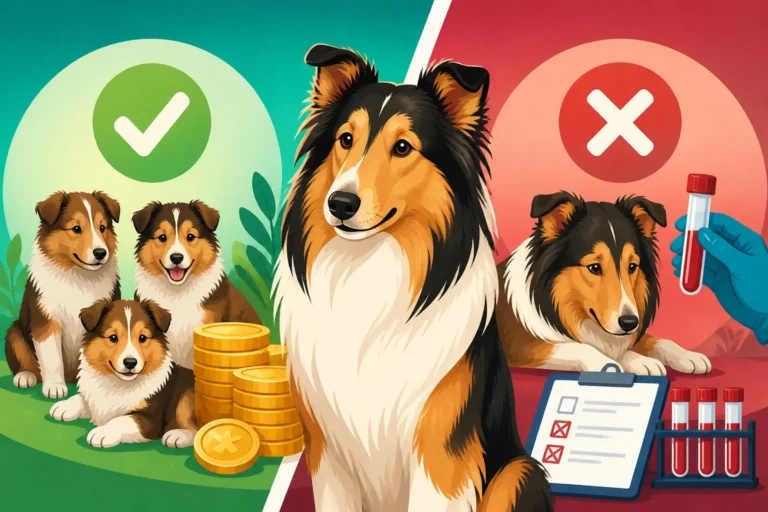
Whether an MDR1 Collie Costs More at the Vet
Many Collie owners bring home their beautiful, intelligent dogs with a quiet worry lurking in the back of their minds: the MDR1 gene mutation. This genetic quirk can make routine vet visits feel like walking on eggshells, and it naturally leads to the question, "Will my MDR1 Collie cost me more at the vet?" It's a completely understandable concern, and one we'll dive into, exploring the financial realities and practical ways to manage your Collie's health care without breaking the bank.
Understanding MDR1 and Its Baseline Impact on Vet Care
The MDR1 (Multi-Drug Resistance 1) gene mutation is a significant health consideration for Collies, affecting their ability to properly metabolize and eliminate certain drugs. While it might sound intimidating, knowing your Collie's status is the first, most empowering step. If your Collie tests positive for even one copy of the mutation, it means you, and more importantly, your veterinary team, need to exercise caution with a specific list of medications. This isn't about more vet visits necessarily, but about smarter vet visits.
The Initial Cost of Knowledge
Before you even worry about ongoing vet expenses, there's the initial investment in knowing your Collie's MDR1 status. This usually involves a simple DNA test, often done via a cheek swab. Many reputable breeders will have already performed this test on the parents and often the puppies, providing you with documentation. However, if you've adopted a rescue Collie or if the breeder didn't provide results, getting this test done yourself is paramount.
The cost of this test is generally quite reasonable, a one-time expense that offers a lifetime of crucial information. Think of it as an essential diagnostic tool that prevents potentially catastrophic, and far more expensive, emergency situations down the road. It's truly a foundational step in responsible Collie ownership, setting the stage for all future medical decisions. You can learn more about this initial step by reading What an MDR1 Test Costs for a Collie and Whether an Adult Collie Can Be Tested for MDR1.
Routine Care Considerations
For routine care, like annual check-ups, vaccinations, or minor issues, an MDR1 Collie might not incur significantly higher costs than a non-MDR1 Collie. The main difference lies in the vet's awareness and diligence. Your vet simply needs to be mindful of the drug list. This means they might opt for alternative medications for common issues, or adjust dosages for sensitive drugs.
For example, if your Collie needs pain relief after a minor procedure or sprain, your vet will choose a painkiller known to be safe for MDR1 dogs, rather than one on the "avoid" list. This selection process doesn't usually add to the bill; it's simply a different choice from the same pharmacy shelf. The key here is clear communication with your vet, ensuring they understand your Collie's specific needs, and ideally, that their practice has flagged your dog's chart. This proactive approach can prevent adverse reactions that would certainly lead to higher costs. You might find it helpful to read How a Collie Owner Tells the Vet About MDR1 and Whether a Collie's Chart Should Be Flagged at the Clinic for guidance on communicating with your vet.
Navigating Medication Choices and Their Costs
This is where the MDR1 mutation can sometimes lead to different financial pathways. While many common medications are perfectly safe, some essential treatments have MDR1-sensitive versions that need to be avoided. This requires your vet to choose alternatives, which can occasionally come with a different price tag.
Finding Safe Alternatives
The good news is that for almost every drug on the MDR1 "caution" or "avoid" list, there's usually a safe and effective alternative available. This isn't about compromising on care but selecting the right tool for the job. For instance, common parasite preventives often come in various formulations. Your vet will select one that is known to be safe for MDR1-affected dogs. This ensures your Collie gets the protection they need without the risk.
Sometimes, the safe alternative might be a slightly different brand or formulation, which could have a marginal price difference. However, these differences are typically small in the grand scheme of veterinary care costs and are a small price to pay for your Collie's safety. For a detailed look at which drugs to watch out for, check out Which Drugs an MDR1 Collie Must Never Have. Many owners also find that sourcing specialized preventives or supplements through online pet pharmacies or retailers like Chewy can sometimes offer competitive pricing compared to in-clinic purchases, so it's always worth comparing.
Compounded Medications and Special Considerations
In some cases, particularly for very specific dosages or if a commercial alternative isn't readily available, your vet might prescribe a compounded medication. Compounding pharmacies can create drugs in specific strengths or forms (like a liquid for easier administration) that are not mass-produced. While incredibly useful, compounded medications can sometimes be more expensive than standard commercial pills because they are custom-made.
Another area where costs might fluctuate is with certain types of anesthesia or chemotherapy drugs. While many anesthetic protocols are safe, your vet might choose specific agents or adjust dosages for an MDR1 Collie to minimize risk, especially if your dog is particularly sensitive. This might involve a more specialized anesthetic agent or closer monitoring during the procedure, which could marginally increase the cost of a surgery or dental cleaning. Similarly, chemotherapy drugs often require careful handling and precise dosing, and for an MDR1 Collie, even more meticulous adjustments might be needed. This is not necessarily an "extra" cost but reflects the higher level of specialized care required for these situations. You can read Whether an MDR1 Collie Needs Compounded Medication for more details on this specific cost.
The Impact on Emergency and Specialty Care
This is perhaps the area where MDR1 has the most significant potential to impact vet costs. While routine care often has safe alternatives, an emergency situation or a need for specialty consultation can bring unique challenges and, consequently, unique financial considerations.
Emergency Situations and Accidental Exposure
The biggest cost risk for an MDR1 Collie comes from accidental exposure to a contraindicated drug. Imagine your Collie somehow ingests ivermectin, a common dewormer for livestock that is highly toxic to MDR1 dogs. The resulting emergency treatment can be extensive and expensive, involving hospitalization, intravenous fluids, activated charcoal, supportive care, and round-the-clock monitoring. These emergency vet bills can quickly soar into the thousands, far outweighing any small savings from choosing a cheaper, but risky, medication in the first place. This is why awareness and prevention are absolutely critical. For more information on the severe consequences, see What Happens When an MDR1 Collie Gets Ivermectin and Signs an MDR1 Collie Is Having a Drug Reaction.
It's not just about what you give your dog; an emergency vet or a new vet who isn't aware of your Collie's MDR1 status could inadvertently administer an unsafe drug. This underscores the importance of carrying relevant medical information with you, especially during travel or emergency visits. You can find useful advice on this in What a Collie Owner Should Carry to an Emergency Visit. The faster the vet knows about the MDR1 status, the quicker they can tailor treatment, potentially saving both your dog's life and a substantial portion of your emergency fund.
Specialist Referrals and Advanced Diagnostics
While not always a direct consequence of MDR1, some complex health issues might require a specialist consultation, where your Collie's MDR1 status adds an extra layer of complexity to treatment planning. For example, if your Collie develops a condition requiring advanced medication that could interact with MDR1, a veterinary internist or neurologist might need to be consulted to devise a safe and effective treatment plan. These specialist visits and their associated diagnostic tests (blood work, imaging, etc.) are inherently more expensive than general practice visits.
An MDR1 Collie's specific drug sensitivities mean the specialist needs to be even more meticulous in their selection of therapies, possibly exploring rarer or more nuanced drug combinations. This careful, individualized approach ensures the best outcome for your dog but can sometimes involve a more complex diagnostic journey or a longer period of trial-and-error to find the perfect therapeutic regimen, each step adding to the overall cost.
Proactive Planning: Managing Costs and Ensuring Peace of Mind
Understanding that an MDR1 Collie can incur higher vet costs in specific situations isn't meant to cause panic. Instead, it's an opportunity to plan ahead and implement strategies that protect both your Collie's health and your wallet.
Pet Insurance: A Financial Safety Net
One of the most effective ways to mitigate unexpected veterinary expenses, particularly for an MDR1 Collie, is pet insurance. A good pet insurance policy can be a lifesaver, covering a significant portion of costs for accidents, illnesses, and even emergency care. While existing MDR1 status might be considered a pre-existing condition by some insurers if diagnosed before coverage starts, many policies will cover subsequent illnesses or injuries, even if they happen to an MDR1 Collie, as long as they aren't directly linked to that pre-existing condition. Some providers, like Healthy Paws, are known for their comprehensive plans, and it's always worth exploring different options to find one that suits your budget and your Collie's specific needs.
It's crucial to read the fine print and understand what is covered, especially concerning genetic conditions. Enrolling your Collie when they are young and healthy is usually the best approach, as it helps avoid pre-existing condition exclusions. Pet insurance might seem like an added monthly expense, but it can provide immense peace of mind, knowing you won't have to make difficult financial decisions during a medical crisis. Learn more by reading Whether Pet Insurance Is Worth It on a Collie.
Building a Strong Relationship with Your Vet
Having a primary veterinarian who is familiar with Collies and, crucially, with the MDR1 mutation, is invaluable. This strong relationship fosters trust and ensures consistent, informed care. A vet who knows your Collie's history and genetic status will be proactive in selecting safe medications and treatment protocols, minimizing risks and potentially avoiding costly adverse reactions. They can also advise on the most cost-effective yet safe options for preventives and routine care.
Don't hesitate to openly discuss your financial concerns with your vet. Many clinics offer various payment options, and some may be able to recommend generic alternatives to brand-name drugs where appropriate and safe for an MDR1 Collie. A good vet partnership is truly your best asset in managing your Collie's health and associated costs.
Preventive Health and Smart Shopping
Beyond specific MDR1 considerations, maintaining your Collie's overall health through good nutrition, regular exercise, and consistent preventive care can naturally reduce vet bills. A healthy dog is less likely to face other common ailments that could complicate an MDR1 diagnosis or lead to additional vet visits. Investing in high-quality food, perhaps even exploring fresh food services such as Ollie, can contribute to your Collie's robust health. Similarly, purchasing routine preventives from reputable online retailers like Chewy can sometimes offer savings compared to buying them directly from your vet, provided your vet approves the specific product and you ensure it's safe for an MDR1 dog.
Always keep your Collie's environment safe to prevent accidents that could necessitate emergency care. Simple measures like securing medications, storing toxic substances out of reach, and supervising your Collie outdoors can go a long way in preventing unforeseen and expensive emergencies.
An MDR1 Collie can cost more at the vet in specific, high-risk scenarios, primarily due to the need for specialized drug selection, potential compounded medications, or emergency treatment for accidental exposure. However, with proactive testing, open communication with a knowledgeable vet, a commitment to preventive care, and strategic financial planning like pet insurance, these potential additional costs can be effectively managed. The biggest investment is your awareness and diligence, which ultimately protects your beloved Collie and your peace of mind.
| Scenario for an MDR1 Collie | Potential Cost Implication | Mitigation Strategy |
|---|---|---|
| Initial MDR1 Testing | One-time, moderate cost for DNA panel | Essential investment, often covered by breeders or affordable via labs |
| Routine Vet Visits | Generally similar, but vet needs to select safe medications | No direct extra cost, relies on vet's knowledge & careful prescribing |
| Specific Medication Alternatives | Some alternative drugs or compounded medications may cost slightly more | Discuss options with your vet; compare prices from reputable sources like Chewy |
| Anesthesia for Surgery/Dental | Potentially slightly higher for specific agents or increased monitoring | Choose a vet experienced with MDR1 Collies; discuss anesthetic protocol beforehand |
| Accidental Drug Exposure (Emergency) | High, potentially thousands for hospitalization and intensive care | Critical: Strict prevention, clear communication with ALL vets, pet insurance |
| Specialist Consultations (Complex cases) | Higher fees for specialized expertise, especially with drug sensitivities | Pet insurance helps; choose a specialist with MDR1 experience if possible |
| Preventative Medications (Heartworm, Flea/Tick) | Costs similar, but must be MDR1-safe formulations | Vet guidance is key; careful selection from reputable sources |
Disclaimer
This article is for general informational purposes only and does not constitute professional advice. Laws, prices and regulations vary by location and change over time. Consult a qualified professional for guidance on your specific situation.