Whether a Collie Needs a Job to Be Content
It's a common misconception, particularly with herding breeds like our beloved Collies, that they need a demanding "job" to be truly happy and well-behaved. Many prospective owners get intimidated, imagining they'll need sheep or vast fields to keep their intelligent, energetic Collie from turning their home upside down. But the reality is far more nuanced; this guide will dive deep into what truly makes a Collie content, exploring their unique blend of intelligence, sensitivity, and desire for companionship, and how to meet those needs without feeling like you need a farm.
Understanding the Collie's Herding Instinct
When we talk about Collies and their "job," we're often thinking about their historical role as invaluable herders of livestock. It's in their DNA, no doubt about it. But what that means for a modern pet Collie living in a suburban home or even a city apartment isn't always what people expect.
The Historical Role of the Collie
For centuries, the Collie was bred and valued as a working dog in the Scottish Highlands. Their primary role was to gather and move sheep, often working independently or with minimal guidance from a shepherd. This wasn't just about raw physical exertion; it demanded incredible intelligence, problem-solving skills, keen observation, and an innate understanding of livestock behavior. A good working Collie had to be thoughtful, responsive, and able to make decisions on the fly, often over vast, challenging terrain. They weren't just running around; they were thinking, strategizing, and communicating. This history is why Collies are often described as intelligent and sensitive, traits that are very much still present in our companion Collies today. They thrived on purpose, yes, but that purpose was deeply intertwined with mental engagement and partnership.
How a Modern Collie's Instinct Manifests
While most Collies today won't see a sheep in their lifetime, that deep-seated herding instinct doesn't just vanish. It simply finds other outlets, sometimes to our amusement, sometimes to our frustration. You might notice your Collie gently nudging family members into a group, especially children, or circling them during playtime in the yard. They might have an uncanny ability to "read" the room, anticipating your movements or those of other pets, and positioning themselves to "manage" the situation. Chasing squirrels or even the vacuum cleaner can be a manifestation of this drive. It's rarely aggressive; it's more about control and gathering. Understanding that these behaviors stem from an ancient, natural drive helps us respond with patience and redirection rather than annoyance. It's not defiance; it's instinct trying to find a place in a modern world.
The Difference Between a "Job" and "Engagement"
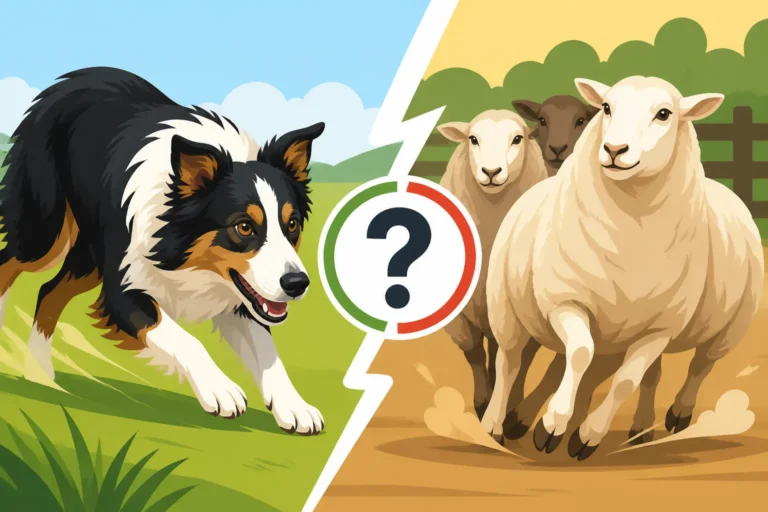
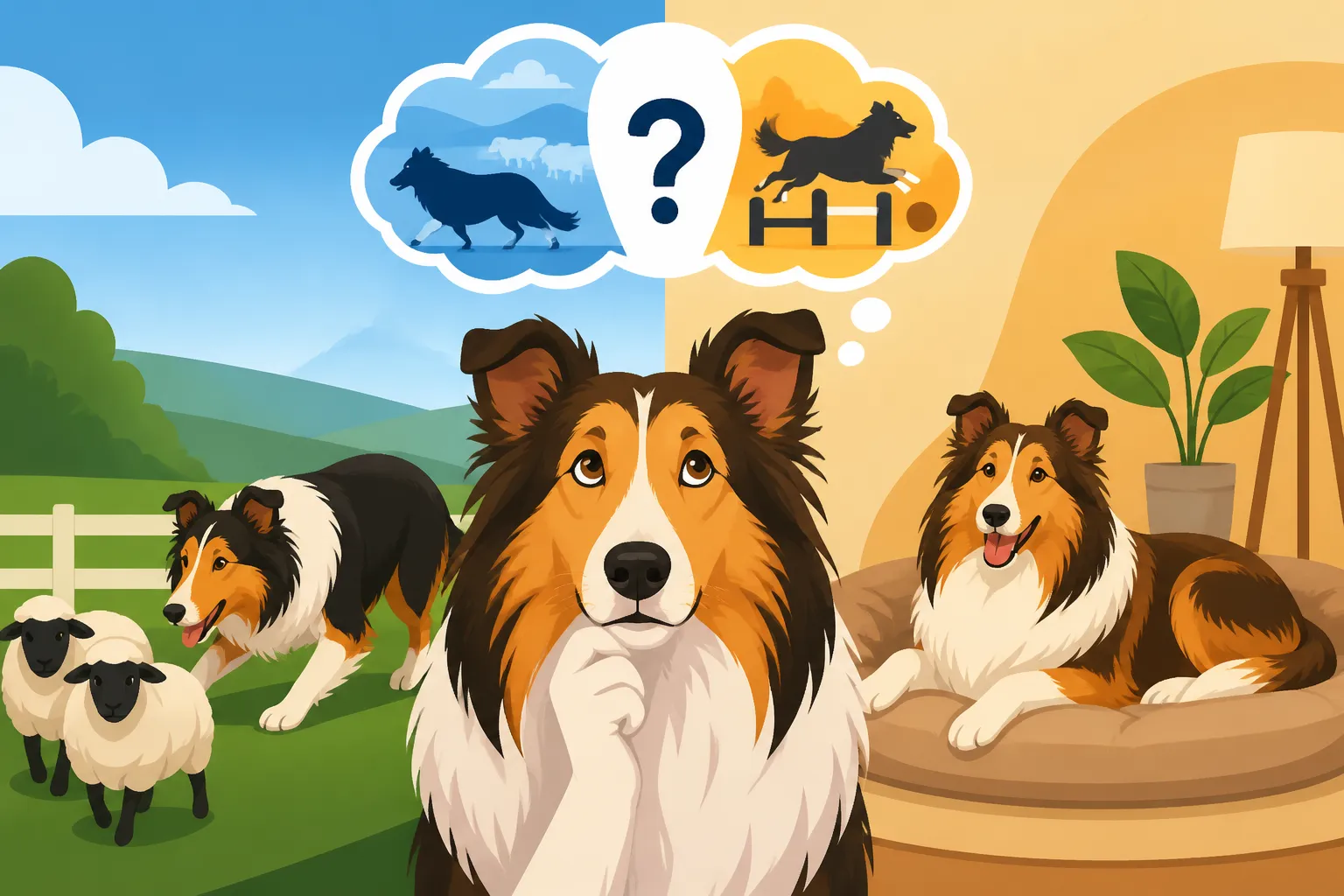
This is where many owners get hung up. The word "job" conjures images of demanding, non-stop activity, like a Border Collie working livestock for hours. For a Collie, however, the need isn't so much for a perpetual, high-intensity "job" as it is for consistent, varied engagement. It's about tapping into their intelligence and their desire for partnership. Think of it less as a factory line and more as a stimulating office environment. They want to be involved, to use their brains, and to feel like a contributing member of the "pack"—which is your family. This means providing opportunities for mental challenges, gentle physical activity, and plenty of quality interaction. It’s a shift in perspective that can make all the difference to a Collie's contentment.
Beyond the Fields: Mental Stimulation for Collies
Since most Collies aren't going to be herding sheep, their sharp minds need to be exercised in other ways. Mental stimulation is often more tiring and satisfying for a Collie than endless physical exercise, though a healthy balance of both is ideal.
Puzzle Toys and Interactive Games
This is a fantastic way to engage your Collie's problem-solving abilities without needing vast open spaces. There are so many wonderful options available now! From simple treat-dispensing balls that your Collie rolls around to get kibble, to complex multi-step puzzles requiring them to lift, slide, and sniff out rewards, these toys can provide significant mental enrichment. Brands like KONG offer durable options that can be stuffed and frozen, extending the challenge. Even a snuffle mat, where your Collie uses their nose to find hidden treats, provides valuable brain work. I often recommend rotating these toys to keep things fresh and interesting. You can find a huge variety of these on Amazon, making it easy to experiment and see what your Collie loves best. These tools can turn mealtime into a stimulating activity, making them work for their food a bit, just as their ancestors might have.
Training for Enjoyment, Not Just Obedience
While basic obedience is crucial for any well-adjusted dog, for a Collie, training can be so much more than just "sit" and "stay." They truly enjoy learning and working alongside their person. Think about teaching fun tricks like "weave through my legs," "spin," or "play dead." Explore dog sports like Rally Obedience, which is less about precision and more about a joyful partnership between dog and handler, or even beginner Agility, which combines physical and mental challenges. Scent work, where they use their incredible noses to find hidden items, is another fantastic option that tires them out mentally in a way that running around never could. These activities build confidence, strengthen your bond, and fulfill their innate desire to work with you. Many online platforms, like BAXTER & Bella, offer structured courses that can guide you through various training levels and activities, perfect for Collies. Remember, the goal isn't just a perfectly obedient dog, but a happily engaged one.
The Importance of Routine and Predictability
Collies are generally sensitive souls, and while they can adapt, they often thrive on a predictable routine. Knowing when walks, meals, and playtime are going to happen can provide a sense of security and reduce anxiety. It allows their intelligent minds to relax, as they aren't constantly trying to predict what's next or feeling uncertain about their day. Of course, life happens, and routines will occasionally shift, but striving for consistency in their daily schedule goes a long way. This predictability, combined with stimulating activities, creates a calm, confident Collie. A dog that knows what to expect is often a dog that is less prone to anxiety or destructive behaviors born out of uncertainty. This isn't about rigid scheduling, but rather creating a rhythm to their day that they can rely on.
Physical Exercise: Quality Over Quantity
While mental stimulation is paramount, we certainly can't forget about physical exercise. Collies are active dogs, and they need to stretch their legs and burn off energy. However, it's often the quality and type of exercise, rather than just raw mileage, that truly satisfies them.
Daily Walks and Outdoor Exploration
Regular walks are non-negotiable for a Collie. These aren't just potty breaks; they're opportunities for exploration, sniffing, and engaging with the world. Vary your routes when possible to offer new smells and sights. A leisurely sniffy walk through a park or along a nature trail can be far more mentally enriching than a brisk jog around the same block every day. Allow your Collie time to investigate interesting scents; it's like reading the newspaper for them! These walks don't necessarily need to be hours long, but consistent, engaging outings are key. How Much Exercise a Collie Needs Daily often surprises people, as it's not always as demanding as some might assume for a herding breed. Remember to always use a secure leash and harness, especially in areas with potential distractions, to keep your curious Collie safe.
Safe Off-Leash Opportunities
If you have access to a safely fenced area, like a private yard or a designated off-leash dog park, allowing your Collie some free-running time can be wonderful. This gives them the chance to gallop, chase a ball, or simply explore at their own pace. For many Collies, a good 20-30 minutes of energetic off-leash play can be incredibly satisfying. However, always ensure the environment is truly safe and secure, as even the best-trained Collie might have their attention captured by a distant squirrel or a novel scent. Whether a Collie Can Be Off Leash Safely is a big concern for many owners, and it truly depends on the individual dog, their training, and the environment. Some Collies, with their strong herding drive, might be prone to chasing, so a truly secure space is vital.
How Weather Affects Collie Exercise
A Collie's beautiful, dense coat, particularly that of a Rough Collie, means they handle colder weather quite well, often enjoying romps in the snow. However, hot weather is a different story. Their double coat can cause them to overheat quickly. During summer months, adjust your exercise schedule to early mornings or late evenings when temperatures are cooler. Shady walks, access to cool water, and even cooling mats at home become essential. Never push a Collie in the heat. Whether a Collie Overheats in Its Coat is a serious consideration, and owners must be vigilant to prevent heatstroke. On scorching days, even short, slow walks on grass or dirt (to protect their paws from hot pavement) might be all they can comfortably manage, with indoor mental games making up the difference.
Social Connection: A Collie's Deepest Need
Perhaps more than any specific "job," a Collie's contentment is inextricably linked to their bond with their human family. They are, at heart, companion dogs who thrive on connection and involvement.
Family Integration and Companionship
Collies were historically bred to work with people, not just for them. This means they form very strong bonds with their families and genuinely want to be a part of daily life. They aren't the kind of dog to be happy relegated to the backyard or left alone for extended periods. They want to be where the action is, whether that's curled up at your feet while you read, observing you cook dinner, or joining you for a movie night. Their sensitive nature means they are often attuned to the moods and activities of their family members. Ignoring this need for companionship can lead to deep unhappiness and behavioral issues. Whether a Collie Follows You From Room to Room is a common trait, showing just how much they crave being near their people.
Interactions with Other Dogs and People
Most Collies are naturally friendly and enjoy appropriate interactions with other dogs and people. Socialization from a young age is crucial to ensure they develop into confident, well-adjusted adults. Well-managed playdates with other polite dogs can provide both physical exercise and valuable social stimulation. While they might be reserved with strangers initially, a well-socialized Collie usually warms up quickly, enjoying a gentle pet and kind words. They thrive in environments where they feel secure and have positive interactions. This isn't to say every Collie needs a dog park, but regular, positive social exposure is highly beneficial. Whether a Collie Gets On With Other Dogs is generally true, making them good multi-dog household candidates if properly introduced.
Avoiding Isolation and Boredom
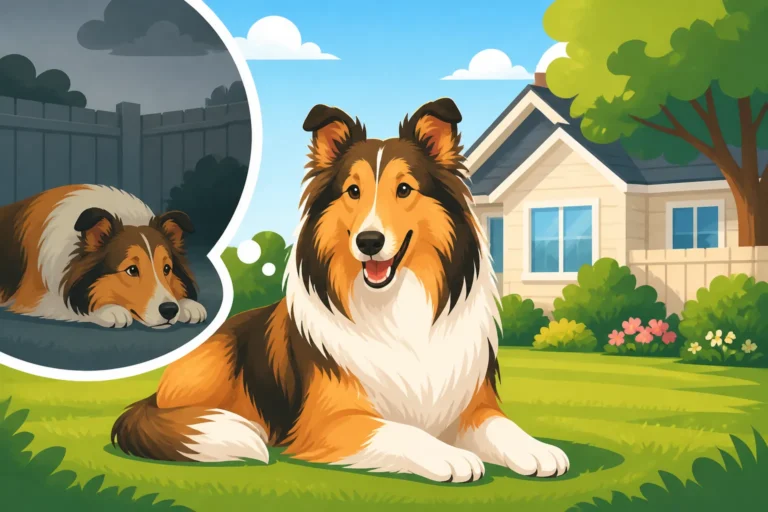
The opposite of contentment for a Collie is often isolation and boredom. A Collie left alone for too long, without sufficient physical or mental outlets, can quickly become anxious, stressed, or destructive. They might start barking excessively, chewing inappropriate items, or developing other unwanted behaviors simply because they're under-stimulated and lonely. Think of their high intelligence and deep need for connection; without a positive outlet, those traits can manifest negatively. How Long a Collie Can Be Left Alone is a crucial question for prospective owners, and while individual tolerance varies, consistent, prolonged isolation is rarely good for this breed. They genuinely want to be engaged in the rhythm of your life.
Signs Your Collie Isn't Content
It's not always obvious when a dog isn't truly content, especially with a breed like the Collie, known for its stoicism. However, they do show signs, and learning to read them is key to ensuring their well-being.
Destructive Behaviors and Nuisance Barking
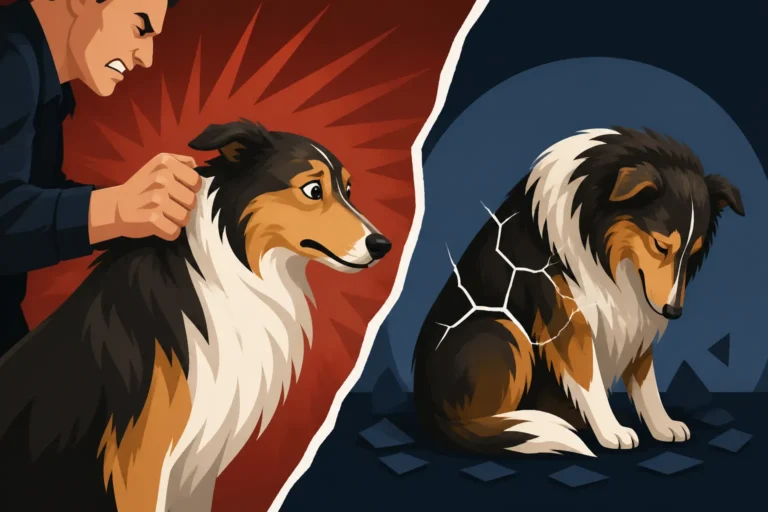
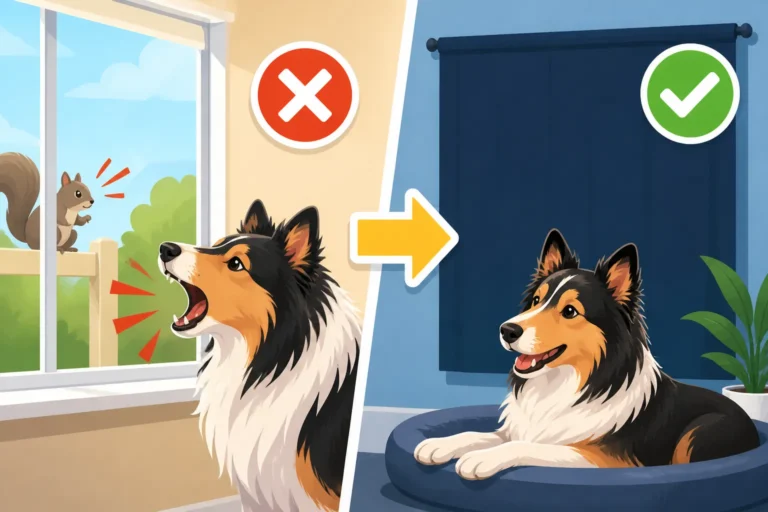
If your Collie suddenly starts chewing on furniture, shoes, or scratching at doors and walls, it's a huge red flag. This isn't usually spite; it's often a sign of underlying anxiety, boredom, or under-stimulation. They're trying to relieve their stress or find an outlet for their pent-up energy, and destructive chewing can be incredibly self-soothing. Similarly, excessive or nuisance barking, especially if it seems to be "at nothing" or goes on for prolonged periods when you're absent, can indicate stress or a lack of mental engagement. Why a Collie Barks is a complex question, but boredom and anxiety are significant contributors. Before reaching for punishment, consider what need your Collie is trying to express through these behaviors.
Pacing, Restlessness, and Anxiety
A Collie who paces aimlessly around the house, can't settle down, or seems constantly vigilant might be experiencing anxiety or insufficient mental and physical exercise. They might follow you from room to room with a worried expression or pant excessively even when not hot. This restlessness indicates an unmet need. For some Collies, this can escalate to full-blown separation anxiety when left alone, manifesting as panic, house-soiling, or intense vocalization. Whether a Collie Gets Separation Anxiety is a possibility for this sensitive breed, especially if their need for companionship and engagement isn't adequately met. Observe their body language carefully; a truly content Collie will exhibit relaxed postures and settle easily.
Lethargy or Withdrawal
While destructive behaviors are often visible signs of discontent, sometimes a Collie might express unhappiness through withdrawal or lethargy. If your usually engaged Collie suddenly seems disinterested in walks, playtime, or even interacting with family members, it's a cause for concern. They might sleep more than usual, appear depressed, or shy away from touch. Of course, any sudden change in energy levels or behavior warrants a vet visit to rule out medical issues first. However, once health problems are excluded, persistent lethargy or withdrawal can be a sign that their environment isn't providing the mental and emotional richness they need to thrive. A content Collie is typically an active, curious, and involved family member.
Here's a quick comparison of what a "job" mentality versus an "engagement" mentality looks like for a Collie owner:
| Aspect | "Job" Mentality (Traditional Herding) | "Engagement" Mentality (Modern Pet Collie) |
|---|---|---|
| Primary Focus | Task completion, moving livestock, continuous work. | Mental stimulation, partnership, emotional connection, varied activities. |
| Key Activities | Herding trials, farm work, intense physical output. | Puzzle toys, trick training, scent work, obedience, long walks. |
| Daily Time Demand | Hours of structured work, often demanding physical stamina. | Consistent bursts of activity (20-30 min walks, 10-15 min training sessions). |
| Space Requirement | Open fields, livestock access. | Secure yard, local parks, indoor space for games. |
| Owner Role | Shepherd directing and working with the dog. | Companion, teacher, playmate, providing enriching environment. |
| Outcome for Collie | Deep satisfaction from fulfilling innate drive through traditional work. | Contentment from mental challenge, social bond, and appropriate outlets for instinct. |
Ultimately, a Collie doesn't necessarily need a literal "job" in the traditional sense of herding livestock all day to be content. What they do need is a deep sense of belonging, consistent mental engagement, appropriate physical activity, and a partnership with their human family. They thrive when their intelligent minds are challenged, their sensitive spirits are nurtured, and they feel like an integral part of the household. Provide them with these essentials, and you'll find yourself with a truly happy, well-adjusted, and devoted Collie companion.
Disclaimer
This article is for general informational purposes only and does not constitute professional advice. Laws, prices and regulations vary by location and change over time. Consult a qualified professional for guidance on your specific situation.