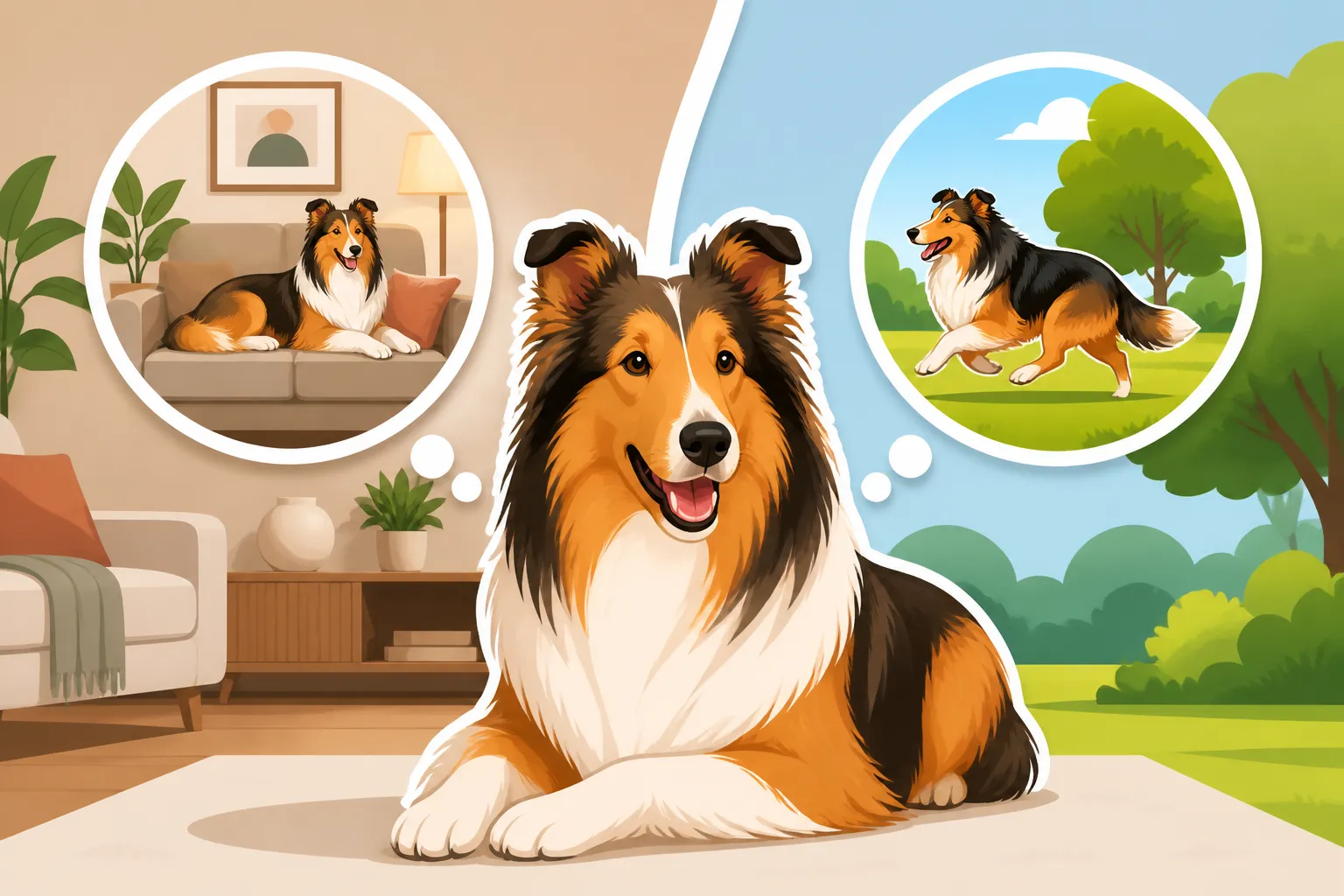
Whether a Collie Settles Indoors
One of the biggest worries many potential Collie owners have, especially if they’ve only ever seen them tearing across a field or starring in action-packed movies, is whether these magnificent dogs can actually settle down and be calm inside a typical family home. It's a completely valid concern; nobody wants a dog bouncing off the walls and creating chaos when they're simply trying to relax. This guide will dive deep into the Collie's temperament, shed light on what truly influences their indoor demeanor, and offer practical strategies to help your beloved Collie become the serene housemate you're dreaming of.
Understanding the Collie's Natural Disposition
Let's get one thing straight: Collies, both Rough and Smooth, are deeply intelligent, sensitive creatures. They were bred for centuries to work closely with humans, herding sheep, which required not just physical endurance but also keen observation, problem-solving, and a strong desire to please. This heritage shapes who they are today, and it absolutely influences how they behave within the four walls of your home. They aren't just pretty faces; they come with a rich history ingrained in their very being.
Herding Instinct Versus Home Life
The quintessential Collie trait, their herding instinct, is perhaps the most misunderstood aspect when it comes to their indoor behavior. Many people imagine a herding dog constantly running circles, nipping at heels, and demanding a flock of sheep to manage. While that instinct is certainly there, especially in younger or less exercised Collies, it manifests differently in a home environment than it does on a farm. Instead of actual sheep, your Collie might try to "herd" family members, especially children, by nudging them or circling them gently. This isn't aggression; it's just their ingrained wiring at play.
This instinct means they are highly observant of movement and changes in their environment. A shadow, a rustle of leaves outside, or a new person walking past the window can trigger their alert system. This hyper-awareness, while fantastic for a working dog, can sometimes translate into a dog that struggles to truly switch off indoors if not properly managed. They want to know what's going on, and they see it as their job to keep tabs on their "flock" – you and your family. Understanding this intrinsic drive is the first step toward helping them relax within the confines of your living room, rather than constantly feeling the need to patrol.
The Collie's Sensitivity to Environment
Collies are renowned for their gentle and sensitive nature. They are not dogs that respond well to harsh corrections or chaotic, unpredictable environments. Imagine a highly tuned instrument; if you bash it, it won't produce a beautiful sound. Similarly, a Collie thrives in a stable, consistent, and calm household where they feel secure and understood. Loud arguments, sudden loud noises, or an inconsistent routine can create anxiety and lead to a restless dog, even if they are physically exhausted.
Their sensitivity also means they are incredibly attuned to their owner's mood and the general atmosphere of the home. If you're stressed, your Collie is likely to pick up on that and may become agitated themselves. This isn't just an anecdotal observation; it's a deeply ingrained trait that makes them wonderful, empathetic companions but also means they require a thoughtful approach to their care and training. They truly want to be part of the family unit, but they need that unit to be a harmonious one to feel truly settled. A calm environment fosters a calm Collie. How Long a Collie Remembers a Bad Session highlights just how impactful even small negative experiences can be on these sensitive dogs.
Factors Influencing Indoor Settling
It's tempting to think a dog's ability to settle indoors is purely innate, but for a Collie, it's very much a product of their daily experiences and how their needs are met. Just like a child needs proper stimulation and a nurturing environment to thrive, a Collie needs a specific blend of physical and mental engagement to truly find peace within your home. Overlooking these factors is a sure path to a perpetually restless dog.
Exercise and Mental Stimulation Requirements
This is arguably the most critical factor for a Collie to settle happily indoors. While they are herding dogs, the idea that they need to run for hours on end every single day is a bit of a myth, particularly for show-bred lines. However, they absolutely do need consistent, moderate exercise. A good solid walk, a vigorous game of fetch, or some off-leash time in a secure area for about 45 minutes to an hour a day is a good starting point. How Much Exercise a Collie Needs Daily elaborates on this point, emphasizing quality over just distance. Without this physical outlet, that pent-up energy has to go somewhere, and it often manifests as restlessness, pacing, or destructive chewing indoors.
Beyond physical exercise, mental stimulation is paramount for a Collie. Their intelligent minds crave work, even if that work isn't herding sheep. Puzzle toys, scent work games, short training sessions, and even just novel environments during walks can engage their brains significantly. A mentally tired Collie is often far calmer indoors than a physically exhausted but bored one. Think about it: a crossword puzzle tires your brain, not your legs. The same applies to our clever Collies. If they aren't given a job for their brain, they'll invent one, and that job might not be to your liking, like reorganizing your shoe collection or Whether a Collie Chews When Bored. Investing in mental enrichment is an investment in your indoor peace. Products from Amazon, like snuffle mats or slow feeders, can be great for this.
Training and Socialization's Role
Effective training isn't just about obedience; it's about building a clear line of communication and trust between you and your Collie. A well-trained Collie understands boundaries and expectations, which drastically reduces anxiety and fosters a sense of security. Knowing what's allowed and what isn't, and having a reliable "place" or "settle" command, can be revolutionary for indoor manners. Positive reinforcement methods work beautifully with their sensitive nature; harsh corrections will only lead to a shut-down or anxious dog. For comprehensive guidance on building these foundational skills, online programs like BAXTER & Bella offer excellent resources for new puppy owners, covering everything from basic cues to managing tricky adolescent phases.
Early and ongoing socialization is equally vital. A Collie that has been exposed to a variety of sights, sounds, people, and other dogs in a positive way is far more likely to be confident and relaxed in different situations, including new experiences within the home. If a dog is fearful or overly reactive to everyday household sounds or visitors, they will never truly settle. A well-socialized Collie understands that the world isn't a constant threat, and that translates directly into a dog that can calmly observe rather than frantically react. How a Rescue Collie Learns to Trust can offer additional insights into helping dogs build confidence, regardless of their past.
Creating an Ideal Indoor Environment for Your Collie
Once you understand the Collie's fundamental needs, the next step is to consciously design your home environment to support their natural tendencies towards calmness and security. It’s not just about what you do with your Collie, but also about the space you provide for them.
Designated Safe Spaces and Comfort
Every Collie, regardless of how well-adjusted they are, benefits immensely from having their own designated "safe space" indoors. This isn't a punishment area, but rather a personal haven where they can retreat when they feel overwhelmed, tired, or just need some quiet time away from the hustle and bustle of family life. For many Collies, a crate is an excellent option, especially if introduced positively from a young age. It becomes their den, a comfortable, secure spot. Equip it with a soft bed or blanket, a favorite chew toy, and perhaps even a familiar-smelling item. The crate shouldn't be a place for endless confinement, but a sanctuary they can go to on their own.
Alternatively, a comfortable dog bed in a quiet corner of a main living area can serve the same purpose. The key is that it's theirs and they feel undisturbed there. Teaching a "place" command, reinforced positively, can help them learn to go to their bed and relax when asked. This not only gives them a sense of security but also gives you a tool to manage their energy levels and provide boundaries when needed, promoting a more harmonious indoor existence. Crate Training a Collie Puppy explains the benefits of this approach from an early age.
Managing Stimuli and Routine
Remember the Collie's sensitive and observant nature? This means managing the constant influx of stimuli in a home is crucial for their ability to settle. If your Collie is constantly barking at every passerby outside the window, consider using privacy film or simply closing curtains during certain times of the day. If they react strongly to the doorbell, work on desensitization exercises. The goal isn't to remove all stimuli, but to manage overwhelming ones and teach them how to respond calmly, rather than with frantic alertness.
Establishing a predictable daily routine is another powerful tool. Collies thrive on consistency. Knowing when meals are, when walks happen, and when quiet time is expected helps them anticipate events and reduces anxiety. An erratic schedule can leave them feeling constantly on edge, wondering what's coming next, which makes settling impossible. A routine doesn't have to be rigid to the minute, but having a general flow to the day provides comfort and predictability, allowing their minds to relax. This predictability is especially comforting for a breed like the Collie, which values order and a sense of purpose.
Addressing Common Challenges to Indoor Calmness
Even with the best intentions and efforts, Collies can present specific challenges when it comes to settling indoors. These often stem from their breed traits but can be managed with understanding and consistent training. It's about recognizing the root cause and addressing it constructively.
Barking and Alertness in the Home
Ah, the Collie bark. It's a hallmark of the breed, often described as a beautiful, resonant sound when used appropriately, but absolutely ear-splitting when it’s incessant. Collies are natural watchdogs; they see it as their duty to alert you to anything out of the ordinary, and sometimes, anything that's ordinary but new to them. This can be anything from a squirrel dashing across the yard to the mail carrier's distant approach, or even just the subtle shift of light outside. This inherent alertness, coupled with their strong voices, often makes indoor settling a noisy affair. Why a Collie Barks is a must-read for any Collie owner struggling with this.
The key to managing indoor barking isn't to punish the bark itself, but to address the underlying cause and teach an alternative, more appropriate behavior. Is it boredom? Increase mental stimulation. Is it anxiety? Work on confidence building and desensitization. Is it territorial? Manage visual access to outside stimuli. Training a "quiet" cue is incredibly effective. Reward silence, and gradually increase the duration of quiet time. Consistency is vital here; everyone in the household needs to be on the same page. While you can't erase their natural inclination to be aware, you can certainly channel it into appropriate responses. Remember, a quick alert bark is often fine; sustained, frantic barking is what needs attention. Whether a Collie Can Be Taught a Quiet Cue offers specific strategies.
Restlessness and Destructive Behaviors
A Collie that cannot settle indoors often displays symptoms like pacing, incessant nudging for attention, or, in more severe cases, destructive chewing or digging at furniture. These behaviors are rarely malicious; they are almost always a sign of unmet needs – typically insufficient physical exercise, inadequate mental stimulation, or underlying anxiety, such as Whether a Collie Gets Separation Anxiety. If your Collie is constantly pacing, it's a clear signal that they have too much pent-up energy, either physical or mental, and haven't learned how to relax.
Addressing these behaviors requires a multi-pronged approach. First, re-evaluate their daily exercise and enrichment routine. Are they truly getting enough outlets for their energy and intelligence? Introduce new puzzle toys, try scent work in the house or yard, or even enroll in an online positive reinforcement training course from providers like BAXTER & Bella to teach new tricks. For destructive chewing, ensure they have plenty of appropriate chew toys available (you can find a wide variety on Amazon), and redirect them firmly but gently to these toys when they try to chew on something inappropriate. If separation anxiety is suspected, professional help from a certified dog behaviorist is often the best course of action, as this requires a structured plan to rebuild their confidence when left alone.
Practical Tips for Encouraging a Settled Collie
It's one thing to understand the theory, and another to put it into practice. Making a Collie a calm indoor companion requires consistent effort and a dedicated approach, but the rewards are immeasurable. A relaxed Collie is a happy Collie, and a happy Collie makes for a happy home.
Structured Daily Routine
As mentioned earlier, routine is a Collie's best friend. They thrive on predictability, so aim for a consistent schedule for feeding, potty breaks, exercise, training, and downtime. This doesn't mean you need to be a clock-watcher to the minute, but having a general flow to the day reduces uncertainty for your dog. For example:
- Morning: Potty break, brisk walk or playtime, breakfast, followed by quiet chew time or nap.
- Midday: Short potty break, a quick mental game or training session.
- Afternoon: Longer walk, another play session, or a trip to a dog-friendly park.
- Evening: Dinner, a relaxing chew or cuddle, and then calm downtime with the family.
- Before Bed: Final potty break.
This structure allows your Collie to anticipate what's next, making it easier for them to wind down during designated quiet times. When they know a stimulating activity is coming, they're often more willing to settle patiently until then. How Long a Collie Can Be Left Alone touches on how a routine can support a Collie's ability to cope with solitude.
Utilizing Enrichment Tools
Never underestimate the power of engaging your Collie's mind. Enrichment tools are not just for when you're busy; they are integral to a Collie's overall well-being and ability to relax indoors.
- Puzzle Feeders: Instead of just putting food in a bowl, use puzzle feeders or snuffle mats for meals. This turns mealtime into a mental exercise, tiring their brains and satisfying their natural foraging instincts. Brands found on Amazon offer a vast selection.
- Chew Toys: Provide a variety of durable chew toys. Chewing is a natural, stress-relieving behavior for dogs, and having appropriate outlets can prevent destructive chewing on furniture. Consider different textures and types to keep it interesting.
- Scent Games: Hide treats around the house and encourage your Collie to "find" them. This engages their powerful sense of smell and provides a fantastic mental workout. Even 10-15 minutes of scent work can be more tiring than a 30-minute walk. Whether Puzzle Feeders Tire a Collie delves into this benefit.
- Interactive Toys: Toys that move unpredictably or dispense treats can keep a Collie engaged for periods, giving you a chance to relax or get things done.
By consistently integrating these tools and practices into your Collie's daily life, you'll be well on your way to fostering a calm, well-adjusted indoor companion.
| Aspect of Indoor Settling | Promotes Calmness By… | Potential Challenges | Solutions to Implement |
|---|---|---|---|
| Physical Exercise | Draining excess energy, preventing restlessness. | Insufficient activity leading to pacing, destructive behavior. | Daily walks (45-60 mins), fetch, secure off-leash play. |
| Mental Stimulation | Tiring the brain, reducing boredom. | Boredom leading to self-appointed "jobs" (barking, chewing). | Puzzle toys, scent games, short training sessions, new environments. |
| Training & Boundaries | Creating clear communication, reducing anxiety. | Lack of understanding, inconsistent rules leading to confusion. | Positive reinforcement, "place" command, consistent household rules. |
| Safe Space | Providing a retreat from overstimulation. | No designated quiet zone, constant interaction leading to overwhelm. | Crate training, comfortable bed in a quiet corner, teach "go to bed." |
| Routine & Predictability | Fostering security and reducing uncertainty. | Erratic schedule causing anxiety and inability to relax. | Consistent feeding, exercise, and quiet times; general daily flow. |
| Environmental Management | Reducing overwhelming triggers. | Constant barking at outside stimuli, reactivity to household noises. | Window films, desensitization to sounds, "quiet" command, management of triggers. |
Disclaimer
This article is for general informational purposes only and does not constitute professional advice. Laws, prices and regulations vary by location and change over time. Consult a qualified professional for guidance on your specific situation.