Whether a Collie Makes a Watchdog
The worry that your home isn't quite as secure as you'd like is a common one, and many people look to their canine companions to offer an extra layer of peace of mind. While Collies might not be the first breed that springs to mind when you think of a traditional "guard dog," they absolutely possess qualities that can make them excellent watchdogs, alerting you to anything out of the ordinary. This guide will delve into what makes a Collie bark, how they perceive strangers, and how you can nurture their natural alerting instincts to make them a truly helpful home alarm system.
Understanding the Collie's Natural Instincts
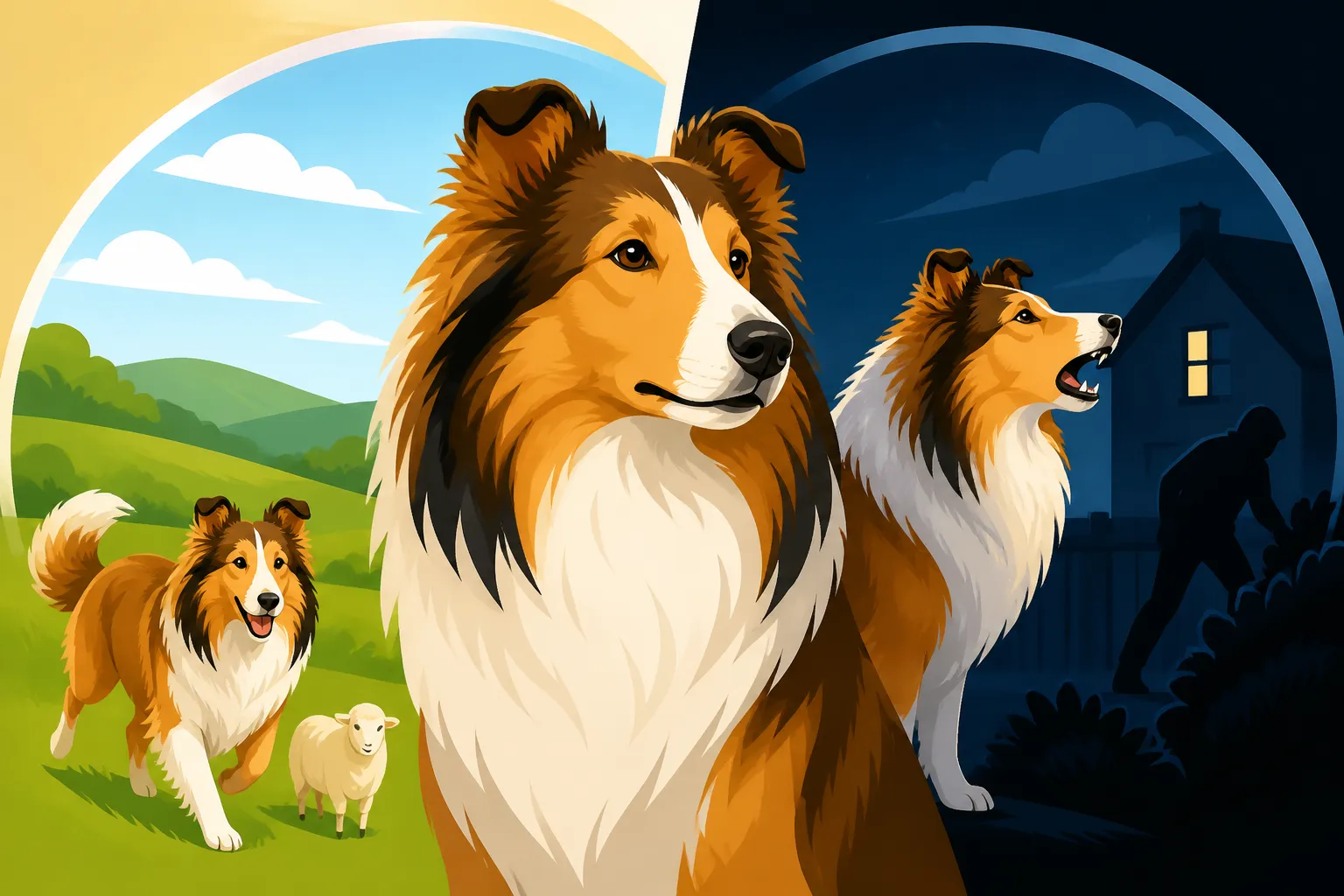
When considering any dog for a role like a watchdog, it's essential to understand their foundational instincts. Collies were bred for centuries in Scotland, not to guard property with aggression, but to herd sheep. This historical role ingrained in them a keen observational sense, a strong protective instinct towards their flock (which is now your family), and a reliable vocalization to communicate.
Herding vs. Guarding Behaviors
Let's clear something up right away: there's a big difference between a herding dog and a guarding dog. A true "guard dog" breed, like a German Shepherd or a Rottweiler, often possesses an innate drive to physically deter threats. They might patrol a perimeter, confronting intruders with a powerful presence and, if necessary, physical force. This isn't the Collie's M.O. Their heritage is about managing and protecting a flock, often by moving them away from danger or alerting the shepherd to a problem, rather than directly attacking a predator.
What this means for your home is that a Collie isn't likely to charge a perceived intruder. Instead, their herding instinct manifests as a strong awareness of their "flock's" safety and location. They'll notice when someone or something doesn't belong or is out of place. This makes them superb at sounding the alarm, often before you even realize there's an issue. They're keen observers of their territory and the people within it, quickly picking up on anomalies. They aren't looking to engage in a physical confrontation, but rather to notify you that one might be brewing.
The Collie's Sensitivity to Environment
Collies are renowned for their sensitivity and intelligence. They are very attuned to their human companions' moods and the general atmosphere of their home. This isn't just a charming trait; it's a crucial component of their watchdog potential. A Collie notices subtle shifts: a car pulling up that isn't yours, a unfamiliar shadow moving past the window, or even a change in the usual rhythm of the neighborhood. Their highly developed senses – especially hearing and sight – are always on alert for anything that deviates from the norm.
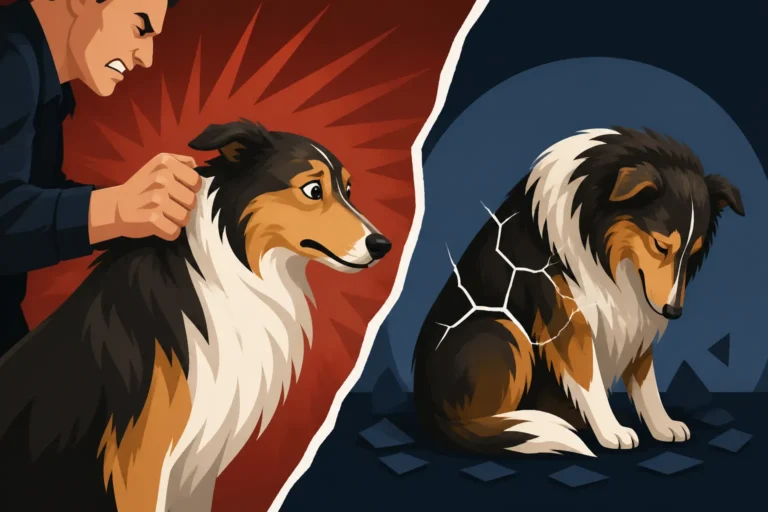
Think of it this way: your Collie is constantly processing information about their environment. They learn the regular sounds of the mail carrier, the neighborhood kids playing, and the usual delivery trucks. When an unfamiliar sound or sight occurs, it registers immediately. This acute awareness, coupled with their inherent desire to keep their family safe, means they are quick to react vocally when something feels "off." It’s less about aggression and more about an urgent need to communicate a potential threat to their beloved humans. This sensitivity also means they are not dogs to be handled harshly, as discussed in Harsh Handling Breaks a Collie and It Does Not Come Back. A positive, gentle approach nurtures their confidence, which is vital for any dog you want to be a reliable alerter.
The Collie's Barking Tendencies
Ah, the bark! This is where the Collie truly shines as a watchdog, and also where some owners might find themselves needing to manage their dog's vocal expressions. Collies are known for being rather vocal, which is a double-edged sword when it comes to being a watchdog.
Why Collies Bark (It's Not Always an Alarm)
Collies bark for a myriad of reasons, and not all of them are "watchdog" related. They bark to express excitement, to greet you, to demand attention, to announce their displeasure, and yes, to alert you to something. Understanding the nuances of their barks can help you distinguish between a genuine alert and a demand for a walk or a chew toy. As we've explored in Why a Collie Barks, their vocalizations are a primary form of communication.
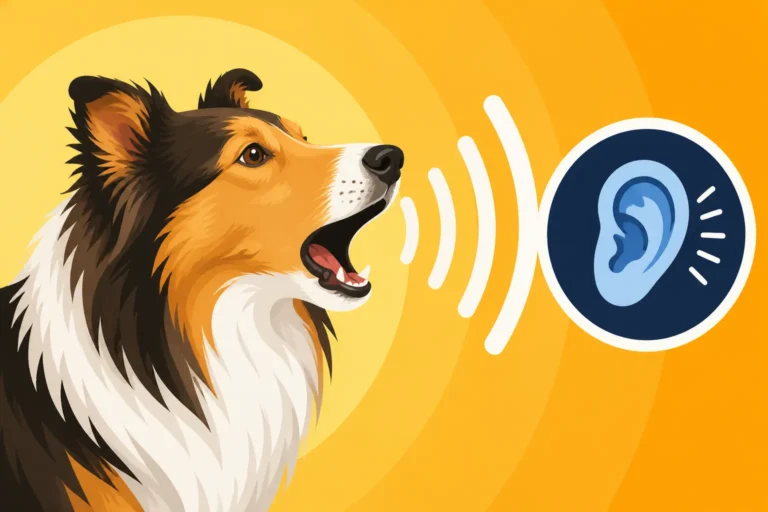
When it comes to watchdog duties, a Collie's bark often has a specific tone and urgency. It's usually a series of deep, sustained barks, sometimes accompanied by intense staring at the perceived threat, whether it's the front door or a squirrel on the fence. This isn't the playful "hello" bark or the "I'm bored" bark. It's a "listen up, something is happening!" bark. This natural tendency to vocalize when something is amiss is what makes them effective watchdogs. They don't need to be trained to bark at a stranger; it's often an ingrained reaction. The challenge, then, becomes teaching them what to bark at and when to stop. They have a tendency to alert to everything outside, as detailed in Whether a Collie Alerts to Everything Outside, which can be a bit much without proper management.
Managing a Collie's Vocal Nature
While a Collie's bark is a great asset for a watchdog, an excessive barker can be a nuisance for you and your neighbors. The key is to channel their natural vocal tendencies, not suppress them entirely. You want them to tell you when someone is at the door, but not to carry on barking for ten minutes after the person has left. Training is absolutely paramount here. Start young, especially during The First Year With a Collie Puppy, by teaching a "quiet" cue. Reward them heavily when they bark once or twice at an appropriate stimulus (like the doorbell) and then quiet down on command.
You can use positive reinforcement tools, like high-value treats or favorite toys, to encourage the desired behavior. When they alert, acknowledge their bark (a quick "Thank you, I hear you!"), investigate the cause, and then give the "quiet" command, rewarding them when they settle. Consistency is critical. Without management, their barking can quickly escalate, leading to frustrated owners and potentially annoyed neighbors. Products available on platforms like Amazon, such as puzzle feeders or durable chew toys, can also help redirect some of their energy and vocal tendencies when boredom sets in. Remember, a tired Collie is often a quieter Collie; regular exercise, about How Much Exercise a Collie Needs Daily, and mental stimulation are crucial for managing their energy and barking.
Collie Temperament Towards Strangers
The way a dog interacts with unfamiliar people is central to its role as a watchdog. Collies are generally not aggressive, but they are certainly not universally effusive towards strangers either.
Reserved, Not Aggressive
Collies are typically described as reserved or aloof with strangers, rather than openly hostile or overtly friendly. When someone new enters their home or approaches their property, a Collie will usually observe them cautiously. They won't likely rush up for pets like a Golden Retriever, nor will they typically challenge them aggressively like some traditional guard breeds. Instead, they will assess the situation, often from a slight distance, taking cues from their human family. This reserved nature means they are less likely to invite trouble and more likely to maintain a watchful stance.
This reserved temperament is actually ideal for a watchdog. It means they're not easily won over by a stranger's charm, nor are they prone to misplaced aggression. They are discerning. If a stranger is calm and your family is relaxed, the Collie will likely remain calm, perhaps offering a polite sniff before retreating. However, if they sense any tension or perceive a threat to their family, their protective instincts kick in, primarily expressed through their bark and watchful posture. This behavior is a direct extension of How a Collie Greets a Stranger, which tends to be more about observation than immediate interaction.
The Importance of Early Socialization
To ensure your Collie's reserved nature doesn't tip into shyness or fear-based reactivity, early and consistent socialization is absolutely critical. A well-socialized Collie understands that most strangers mean no harm. They learn to differentiate between a friendly visitor, a delivery person, and someone who might pose a genuine threat. Without proper socialization, a naturally reserved Collie might become overly fearful or timid, which isn't effective for a watchdog and can lead to anxiety for the dog itself.
Introduce your Collie puppy to a wide variety of people, sights, and sounds in a positive way. Puppy classes, walks in busy (but not overwhelming) public areas, and supervised interactions with different people (men, women, children, people with hats, people with umbrellas) are all vital. Training programs like those offered by BAXTER & Bella, which focus on positive reinforcement and early exposure, can be invaluable. The goal isn't to make them love everyone, but to teach them that most people are safe and that their family is there to handle interactions. This builds their confidence, enabling them to be a more effective and discerning watchdog. A confident dog is a reliable dog, and understanding How to Build Confidence in a Nervous Collie is key to success.
Practical Watchdog Scenarios with a Collie
Let's get down to the brass tacks: what does a Collie's watchdog duty look like in real life? It's often subtle, but undeniably effective.
Alerting to Unfamiliar Sounds and Sights
Imagine you're engrossed in a book or working on your computer, and suddenly your Collie lifts their head, ears swiveling, and lets out a deep, resonant "Woof! Woof! Woof!" They're staring intently out the window or at the front door. You might not have heard a thing, but your Collie did. Perhaps it was an unfamiliar car slowing down on your street, or someone walking past your yard later than usual. This is where their keen senses and attentive nature truly shine. They're telling you, "Hey, something's up! You might want to check this out."
Their alerts are often a combination of vocalization and body language. They might stand at attention, hackles slightly raised, or position themselves between you and the perceived threat (like the door). They are communicating information to you, using their voice and their entire presence. This immediate and consistent alerting is one of the most valuable aspects of having a Collie as a watchdog. You get an instant heads-up, giving you time to assess the situation and react, whether it's simply pulling back the curtain to see who's there or taking a more cautious approach. It's truly a testament to how well A Collie Reads a Room Better Than It Reads a Command, as they're often responding to subtle environmental cues before you are.
Deterrent Factor and Limitations
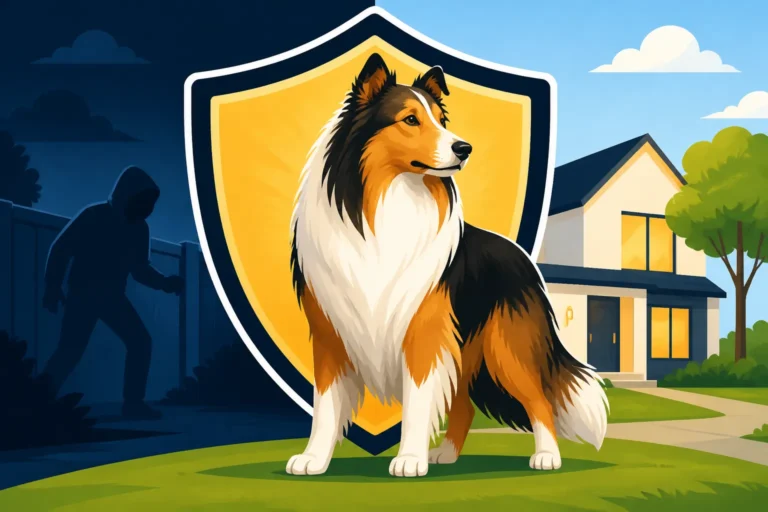
While a Collie isn't built to be an attack dog, their sheer size and imposing bark can be a significant deterrent. A well-grown Rough Collie, with its impressive coat, can look quite large and formidable, especially to someone who doesn't know the breed. The sound of a deep, insistent bark coming from inside a house is often enough to make an opportunistic intruder think twice and move on to an easier target. The visual of a large dog, even a friendly one, through a window can be a powerful disincentive. Most burglars are looking for an easy mark, and a barking dog often signals that the "mark" isn't so easy after all.
However, it's crucial to understand their limitations. A Collie will not physically engage with a determined intruder. If someone manages to get inside, their primary response will likely continue to be barking and seeking to protect their family by staying close to them, not by attacking the intruder. They are not trained in bite work or personal protection. Their strength lies in their early warning system and their visual/auditory deterrent. If you're looking for a dog to physically guard your property against an active threat, a Collie is not the right choice. They are watchdogs, not guard dogs.
Here's a quick comparison of general watchdog vs. guard dog traits:
| Trait | Watchdog (e.g., Collie) | Guard Dog (e.g., German Shepherd) |
|---|---|---|
| Primary Function | Alerting, Deterring with bark | Physical deterrence, protection |
| Temperament | Reserved, observant, family-focused | Confident, territorial, protective |
| Response to Threat | Vocalization, body language, seek owner | Confrontation, physical engagement, bite work |
| Aggression Level | Low to Moderate (if untrained/fearful) | Moderate to High (when trained/provoked) |
| Size/Appearance | Often large/imposing (due to coat) | Large, muscular, powerful |
| Training Focus | Alerting, "quiet" command, socialization | Obedience, protection work, bite inhibition |
| Ease of Socialization | Generally good with proper exposure | Requires extensive, ongoing socialization |
Enhancing a Collie's Alerting Abilities (Without Guard Training)
You don't need to turn your gentle Collie into a fierce guard dog to maximize their potential as a watchdog. It's all about nurturing their natural abilities and giving them the right tools and confidence.
Positive Reinforcement for Alert Barks
The goal isn't to stop your Collie from barking at everything, but to teach them what is worth barking at and how to "report" it to you effectively. Positive reinforcement is key here. When your Collie barks at a genuine, unfamiliar stimulus – a knock at the door, an unexpected person walking by – acknowledge it. Go to the door or window, look, and then calmly say "Thank you" or "Good alert" and give them a treat or praise. Then, give your "quiet" command and reward them again when they settle. This teaches them: "You bark, I check, then we're quiet."
Avoid scolding them for barking unless it's truly excessive or inappropriate. Scolding can confuse them and might make them hesitant to alert you even when it's important. Instead, focus on rewarding the desired sequence of alert-then-quiet. You can even practice this with a friend knocking at the door or ringing the doorbell. Over time, your Collie will learn to differentiate between important alerts and everyday sounds, becoming a more discerning and less annoying watchdog. It's about teaching them Whether a Collie Learns to Bark on Cue and, more importantly, how to stop on cue.
Tools and Training for a Confident Canine Citizen
Beyond direct training, several things can contribute to your Collie being a more effective watchdog. A well-adjusted, confident dog is always going to be a better partner. Firstly, ensure they are physically and mentally stimulated. A bored Collie often finds their own entertainment, which can include excessive barking. Regular walks, play sessions, and mental puzzles (like those you can find on Amazon or through BAXTER & Bella training exercises) help keep their minds engaged and reduce anxiety.
Consider basic obedience training, not for aggression, but for control and confidence. A Collie who knows and responds to commands is a dog who feels more secure in their place and understands their role. This control allows you to manage their alerting behavior more effectively. For instance, a "place" command can be invaluable if you need them to settle down after an alert. Furthermore, a sturdy fence around your yard not only keeps your Collie safe but also clearly defines their territory, which they are naturally inclined to watch over. Your Collie wants to protect you and your home, and by providing them with consistent training, clear boundaries, and plenty of positive reinforcement, you'll have a discerning, vocal, and incredibly loyal watchdog.
Disclaimer
This article is for general informational purposes only and does not constitute professional advice. Laws, prices and regulations vary by location and change over time. Consult a qualified professional for guidance on your specific situation.