Whether a Collie Excels at Rally and Obedience
Many Collie owners wonder if their intelligent, sensitive companions are truly suited for competitive dog sports beyond their traditional herding roots, especially when the demands of disciplines like Rally and Obedience seem so precise and structured. It's a valid concern, given the breed's unique blend of thoughtfulness and occasional stubbornness. This comprehensive guide will explore the Collie's natural aptitudes and challenges in both Rally and Obedience, offering insights into how these wonderful dogs can not only participate but truly excel, enriching their lives and strengthening the bond with their human partners.
Understanding the Collie Temperament in Training
Before diving into the specifics of Rally and Obedience, it’s crucial to understand the inherent traits that define the Collie. These dogs were bred for centuries to work alongside shepherds, making complex decisions and responding to subtle cues in vast, open landscapes. This history has shaped a dog that is intelligent, observant, and highly sensitive, which can be both a blessing and a challenge in a structured training environment.
The Collie's Intelligence and Sensitivity
Collies are undeniably smart. They pick up new commands with surprising speed and can often anticipate what you're asking before you even finish the verbal cue. However, their intelligence comes with a significant degree of sensitivity. A harsh word, a sudden movement, or even a perceived unfair correction can deeply affect a Collie. They don't respond well to heavy-handed methods; in fact, such approaches can cause them to shut down, become anxious, or lose confidence. You’ll find that Harsh Handling Breaks a Collie and It Does Not Come Back. They are keen observers of human emotion and body language, often "reading a room" or their handler's mood far better than they might immediately respond to a specific command. This means that successful training hinges on building a strong, trusting relationship where the Collie feels safe and understood.
This sensitivity also translates into how they perceive their environment. Loud noises, busy venues, or new people and dogs can sometimes be overwhelming for a Collie, especially if they haven't been properly socialized from a young age. Their highly attuned senses, which were once vital for spotting stray sheep or sensing weather changes, can make them hyper-aware of distractions. A rustling leaf, a distant car horn, or the movement of a judge might capture their attention more readily than your carefully practiced command. It's not defiance; it's often an overstimulation of their natural observational instincts, and understanding this is key to patient, effective training.
Motivation and Training Approach
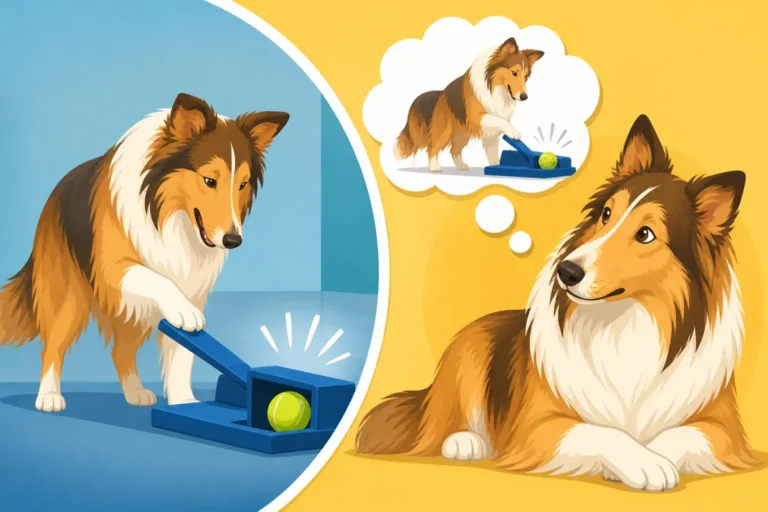
Collies thrive on positive reinforcement. They want to please, but they need to feel that the effort is worth their while and that the interaction is positive. Food treats, enthusiastic verbal praise, and engaging play are powerful motivators. For many Collies, the ultimate reward is simply spending focused time with their person, feeling like a valued partner in an activity. They enjoy problem-solving and mental stimulation, which makes concept training and trick work particularly appealing. Remember, What Motivates a Collie is often a combination of connection and fun.
A session with a Collie is best kept upbeat, fair, and relatively short. Long, repetitive drills can quickly bore or frustrate them. Instead, break down complex behaviors into smaller, achievable steps, celebrating each success. Variety in training locations and exercises also helps keep their minds engaged. Many Collie owners find that incorporating elements of play, such as a quick game of fetch or tug, between formal exercises helps maintain their dog's enthusiasm. Consistency in your cues and expectations, delivered with a calm and confident demeanor, will build their trust and willingness to participate.
Rally Obedience with a Collie
Rally Obedience is often described as a more relaxed and communicative version of traditional obedience. It’s a fantastic entry point for Collies and their owners into the world of dog sports, allowing for plenty of positive interaction and movement.
What Rally Obedience Entails
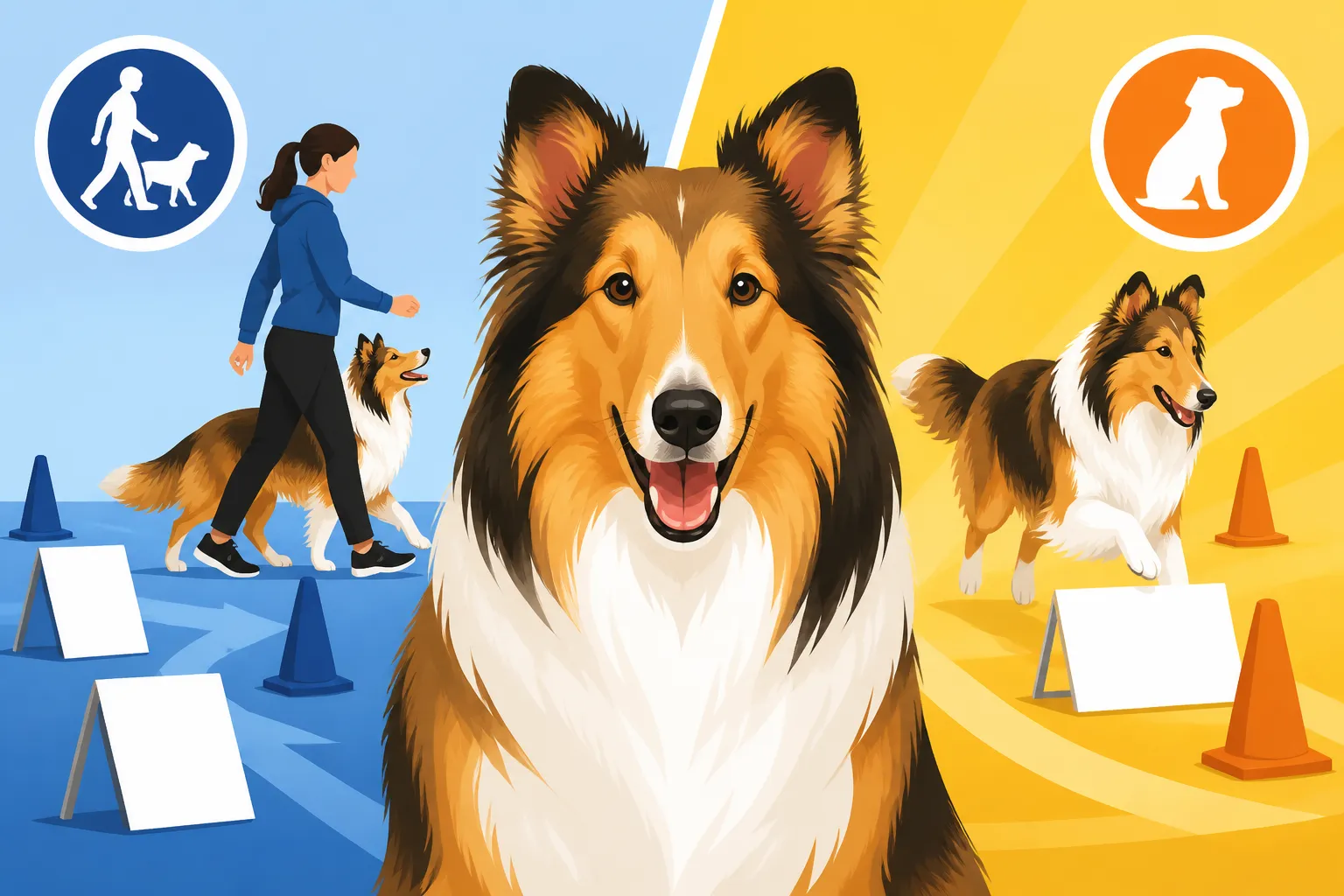
In Rally Obedience, dog and handler navigate a course with numbered stations. Each station has a sign indicating an exercise to perform, such as "Sit, Stay, Walk Around Dog," "Spiral Left, Dog Outside," or "Figure 8." Unlike traditional obedience, handlers are allowed, and even encouraged, to talk to their dogs, offer praise, and use multiple commands during the course. This constant communication makes it less formal and often more enjoyable for both dog and handler. The emphasis is on teamwork, enthusiasm, and a flowing performance.
A typical Rally course might include 10-20 stations, depending on the level (Novice, Advanced, Excellent, etc.). Time limits are generous, and points are deducted for mistakes or lack of enthusiasm, but not for handler errors in verbal cues or encouragement. The atmosphere is generally supportive and less intimidating than traditional obedience. For a Collie, this environment allows their natural desire to work with their handler to shine, without the pressure of absolute silence or rigid body positions. It's an opportunity for them to demonstrate their intelligence and willingness to cooperate in a dynamic setting.
Why Collies Often Shine in Rally
Collies truly excel in Rally Obedience for several reasons that align perfectly with their temperament. First, the continuous communication and encouragement from the handler play directly into their desire for connection and approval. A Collie thrives on knowing they are doing well, and being able to tell them "Good job!" or "Yes, that's it!" frequently keeps them engaged and motivated. This differs significantly from the often silent, stoic performance required in traditional obedience, which can feel quite unnatural to a Collie.
Second, the flowing nature of Rally, with its varied exercises and constant movement, suits the Collie's active mind and body. They enjoy the challenge of figuring out the next station and executing a new maneuver. The requirement for focused attention, but not necessarily rigid precision, allows their natural athleticism and grace to come through. Imagine a Collie gracefully weaving through cones or performing a series of pivots with their tail wagging – this is often the scene in a Rally ring. The supportive environment also helps shy or sensitive Collies build confidence, as they learn to navigate new spaces and perform tasks with their trusted human by their side. It's a sport that celebrates the partnership, which is where the Collie truly shines.
Competitive Obedience and the Collie
Traditional competitive obedience, while more demanding than Rally, is also a sport where Collies can achieve great success with the right training approach and a patient handler. It requires a high level of precision and control.
The Demands of Traditional Obedience
Competitive obedience involves a series of exercises performed both on and off-leash, judged on accuracy, enthusiasm, and the dog's willingness to perform. These exercises typically include heeling (walking precisely by the handler's side), recalls (coming when called), stays (remaining in a sit or down position for extended periods, sometimes out of sight of the handler), and retrieves. As dogs advance, exercises become more complex, involving scent discrimination, broad jumps, and directed retrieves. Handlers are generally limited in verbal cues and body language, aiming for a smooth, seemingly effortless performance.
The precision required in obedience can be challenging for any breed, but particularly for a sensitive, thinking dog like the Collie. They might question the necessity of holding a perfect heel position for an extended period or why they can't offer a little extra enthusiasm with a bouncy jump. The strict rules about handler communication can also feel restrictive, as Collies often rely on subtle cues and encouragement from their person. It's a sport that demands a deep level of trust and consistency from both ends of the leash, pushing the boundaries of their partnership.
Challenges and Strengths for Collies
One of the primary challenges for Collies in traditional obedience is their independent nature, often misinterpreted as stubbornness. They are not naturally inclined to execute rote behaviors without understanding the "why" or without constant feedback. Holding a perfect "long down" while the handler is out of sight, for instance, requires immense self-control and confidence, which must be carefully built. Distractions in the ring can also be more problematic due to the lack of continuous handler support. Whether a Collie Barks at Other Dogs on Leash or other distractions in the environment can become a significant hurdle in obedience trials, where barking results in point deductions.
However, Collies bring significant strengths to competitive obedience. Their intelligence means they learn the exercises quickly. Their desire to please, once tapped into through positive methods, drives them to work hard for their handler. Their natural grace and flowing movement make their heeling beautiful to watch when performed correctly. Furthermore, their intense bond with their owner can translate into a strong desire to stay connected and perform, even under challenging conditions. Handlers who focus on making training a rewarding game, utilizing high-value treats and praise between formal exercises, and patiently building confidence, often find their Collies rise to the occasion. The BAXTER & Bella online puppy school program, for instance, often emphasizes positive reinforcement and building a strong foundation, which is exactly what a Collie needs to thrive in obedience, even before they step into a formal class.
| Feature | Rally Obedience | Competitive Obedience |
|---|---|---|
| Communication | Handler can talk, praise, and encourage freely. | Handler typically limited to one command per exercise. |
| Course Structure | Navigating a numbered course of stations. | Set exercises performed in a specific sequence. |
| Pace | More flowing and dynamic, often brisk. | Precise, often slower and more controlled. |
| Precision | Focus on successful completion, less on absolute exactness. | High emphasis on exact execution and position. |
| Atmosphere | Generally relaxed, supportive, and social. | More formal, quiet, and intense. |
| Collie Fit | Excellent, leverages communication and movement. | Good, but requires more patience and motivational work. |
Getting Started: From Puppyhood to the Ring
Embarking on the journey of dog sports with your Collie is a rewarding experience. The foundation for success begins long before you step into a trial ring, starting right from puppyhood.
Early Socialization and Foundation Skills
The importance of early socialization for a Collie cannot be overstated. Exposing your puppy to a wide variety of sights, sounds, people, and other well-behaved dogs in a positive way will build a resilient and confident adult. Attending puppy classes is a fantastic way to introduce them to new environments and learn basic manners. Focus on creating positive associations with new experiences. A well-socialized Collie is less likely to be overwhelmed by the busy atmosphere of a dog show. This early exposure helps them learn that new situations can be fun and safe, especially when you are there to guide them.
Beyond socialization, building solid foundation skills is paramount. This includes a reliable "sit," "down," "stay," and a strong recall. Practice these commands in various locations, gradually increasing distractions. Loose-leash walking is another crucial skill, as both Rally and Obedience involve extensive heeling. Start teaching these behaviors with generous positive reinforcement, making every session fun and engaging. Programs like BAXTER & Bella offer structured online courses that can guide you through these critical early stages, ensuring your Collie puppy develops a solid understanding of basic cues in a positive, encouraging way. Building a strong foundation also includes teaching your Collie to focus on you amidst distractions, a skill that will serve them well in any competitive venue.
Finding the Right Training Class and Instructor
Choosing the right training class and instructor is perhaps the most critical step for a Collie owner. Look for instructors who prioritize positive reinforcement methods and understand the nuances of working with intelligent, sensitive breeds. Avoid any trainer who advocates harsh corrections, fear-based tactics, or equipment like prong or shock collars, as these methods can be detrimental to a Collie's confidence and willingness to work. You want someone who builds confidence and enthusiasm, not suppresses it.
A good instructor will be patient, clear in their communication, and capable of adapting their methods to suit individual dogs. They should be able to offer solutions for common Collie challenges, such as managing barking or building focus. Before committing to a class, observe a session if possible, or speak with current students. Many community dog training clubs offer introductory Rally or Obedience classes that are perfect for beginners. Don't be afraid to try a few different places until you find the right fit for both you and your Collie. Remember, this journey is about partnership, and the right learning environment fosters that bond. Online resources, books from Amazon, or reputable training blogs can also supplement your in-person classes.
Overcoming Common Hurdles in Collie Training
Even with the best intentions and methods, you might encounter specific challenges unique to the Collie breed when training for Rally and Obedience. Understanding these and having strategies to address them will pave the way for a more successful and enjoyable experience.
Managing the Collie Bark
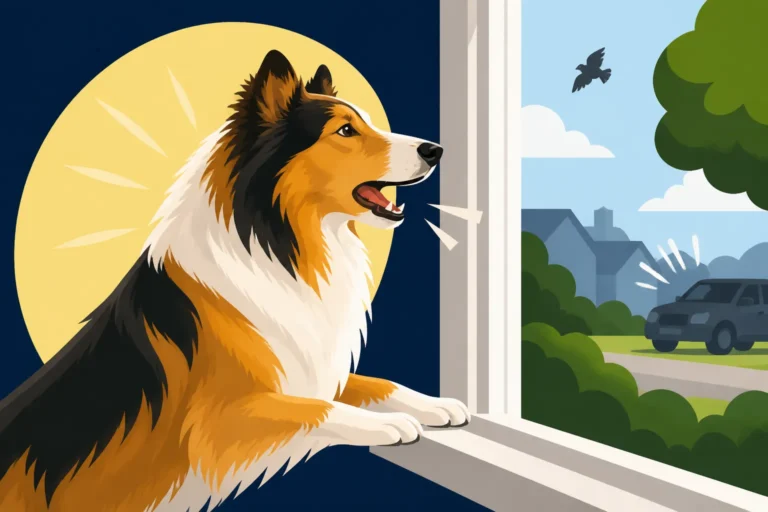
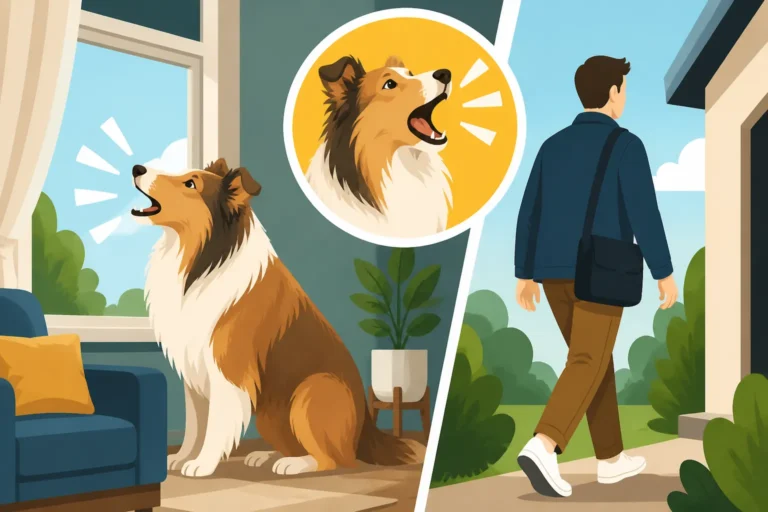
Ah, the Collie bark! The Bark Is the Trait Collie Owners Underestimate. Collies are vocal dogs by nature. They bark to alert, to express excitement, to engage in play, and sometimes, it seems, just to hear themselves. In a Rally or Obedience ring, excessive barking can lead to point deductions or, in extreme cases, disqualification. This can be incredibly frustrating for handlers who have put in countless hours of training. The key is to address barking proactively and consistently, understanding why your Collie is barking.
One common reason for barking in a trial setting is over-excitement or anxiety due to the novelty of the environment or the presence of other dogs. Desensitization and counter-conditioning are your best friends here. Start practicing in mildly distracting environments, rewarding quiet behavior generously. If your Collie barks at other dogs, work on focus exercises at a distance where they can still remain calm, gradually decreasing the distance over time. Teach a "quiet" cue by rewarding silence after a bark. It's not about stopping them from barking entirely, but teaching them when and where it's appropriate. Managing their energy levels before a session or trial can also help; a tired Collie is often a quieter Collie.
Building Focus in a Sensitive Dog
Collies, with their keen observational skills, can easily become distracted by everything happening around them. A judge moving, a dog scratching, a spectator shifting in their seat – all can draw a Collie's attention away from their handler. Building and maintaining focus in a competitive environment is crucial for success. This isn't about forcing eye contact but about teaching your Collie to be engaged with you, even when there are other interesting things to observe.
Start by practicing in low-distraction environments, like your quiet backyard. Use high-value rewards (treats your Collie absolutely loves) to make yourself the most exciting thing around. Gradually introduce controlled distractions, such as a family member walking by or a toy rolling past. Short, frequent training sessions are more effective than long, arduous ones. Incorporate games that build focus, like "watch me" exercises or hiding treats for them to find near you. Forty Five Minutes a Day, and Half of It in Its Head is a great reminder that mental stimulation is as important as physical exercise for a Collie. Keep your energy positive and enthusiastic, and avoid punishing for distraction; instead, gently redirect their attention back to you and reward them for re-engaging. Remember, Whether a Collie Needs a Predictable Routine can also help them feel more secure and focused in new environments.
Beyond the Ribbons: The Benefits for You and Your Collie
While ribbons and titles are a nice recognition of your hard work, the true value of participating in Rally and Obedience with your Collie extends far beyond competitive success. These activities offer profound benefits for both ends of the leash.
Strengthening Your Bond
There's something magical about working together as a team towards a common goal. Rally and Obedience training foster a deeper understanding and communication between you and your Collie. You learn to read their subtle cues, anticipate their needs, and motivate them effectively. They, in turn, learn to trust your guidance, respond to your commands, and rely on you in new and challenging situations. This shared experience builds an incredibly strong bond, transforming your relationship from mere ownership into a true partnership. Imagine the pride you'll feel when your Collie, despite their initial shyness or sensitivity, confidently navigates a course with you, their eyes frequently checking in for your approval. That's the essence of the Collie-owner bond, elevated.
This strengthened bond extends into everyday life. A Collie who has learned to focus and work with you in a structured environment will likely be a more responsive and well-behaved companion at home and in public. Their confidence will grow, making them more adaptable to new situations. The consistent positive interaction required for training also keeps your Collie mentally stimulated and happy. Many Collie owners report that the time spent training makes their dogs more settled and content at home, demonstrating that Whether a Collie Is Happy in a Suburban Yard or any environment often depends on their mental engagement.
Mental and Physical Enrichment
Collies are intelligent working dogs, and while most pet Collies no longer herd sheep, their minds and bodies still crave purpose. Rally and Obedience provide excellent outlets for both mental and physical enrichment. The various exercises challenge their problem-solving skills, requiring them to think, learn, and adapt. This mental workout can be just as tiring, if not more so, than physical exercise. Plus, the physical demands of heeling, sitting, standing, and moving with precision keep them active and agile. For a breed prone to being a little "too smart for their own good" when bored, these activities are a godsend.
Think about it: instead of pacing or finding mischief out of boredom, your Collie is engaged in a sport that taps into their natural intelligence and desire to cooperate. It's a healthy way to channel their energy and build self-control. Participating in these sports also offers opportunities for learning to trust new people and places, expanding their comfort zone. Whether a Collie Understands Household Rules is easier when they've learned to follow directions in a consistent, rewarding way. Plus, it's a great way for you to stay active and meet like-minded dog enthusiasts who understand the joys and quirks of owning a Collie.
Disclaimer
This article is for general informational purposes only and does not constitute professional advice. Laws, prices and regulations vary by location and change over time. Consult a qualified professional for guidance on your specific situation.