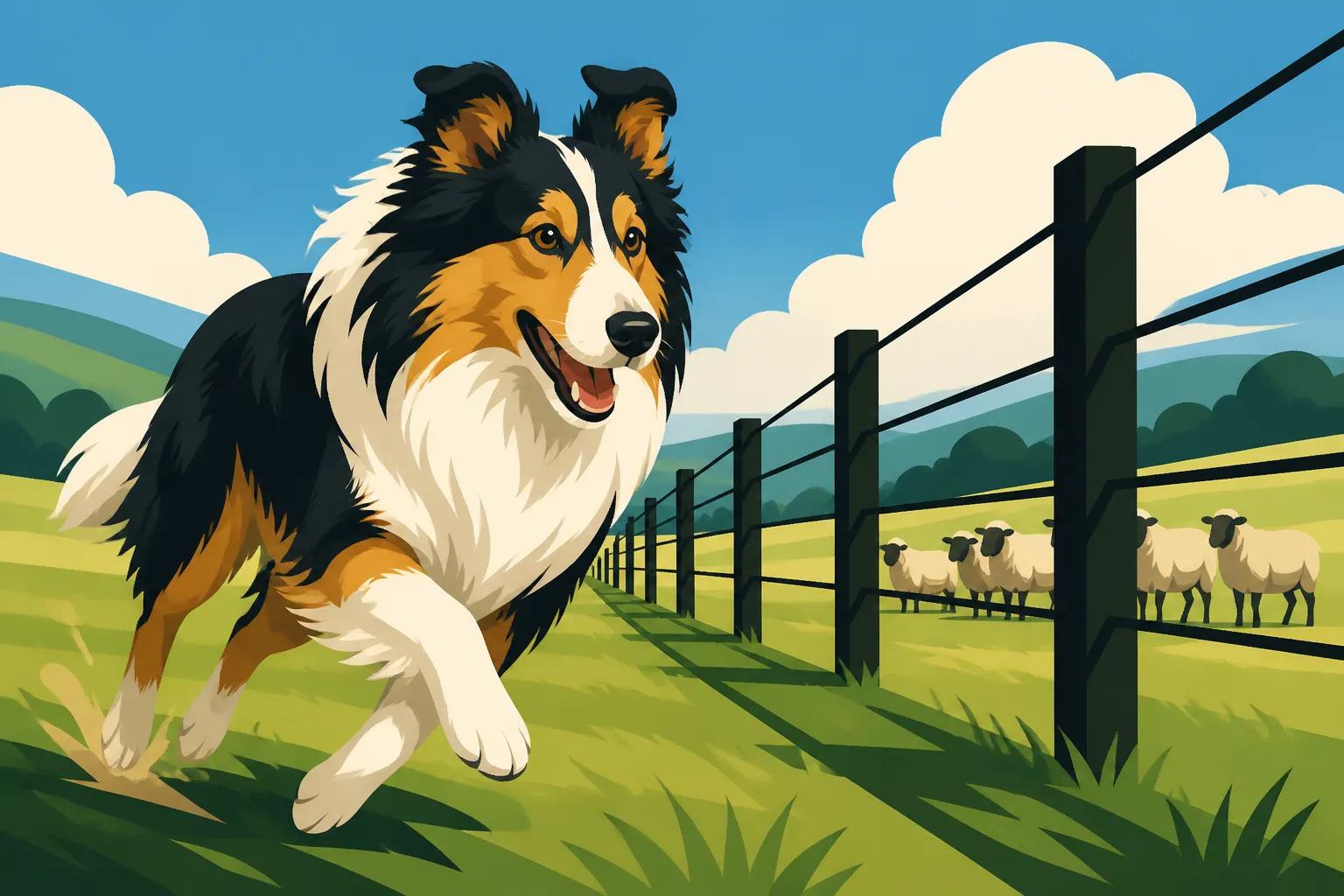
Whether a Collie Runs the Fence Line
Oh, the fence line dance. If you've ever owned a Collie, or spent any time around one with a yard, you've likely seen it: that dedicated, sometimes frantic, patrol of the perimeter. It’s a behavior that can range from a charming quirk to an absolute nightmare, leading to incessant barking, damaged fences, and frazzled nerves for both you and your beloved companion. This guide dives deep into why Collies often develop this habit, the very real problems it can cause, and how you can gently and effectively redirect your thoughtful, sensitive dog's energies into more positive outlets.
Understanding the "Why" Behind Fence Line Running in Collies
When your Collie seems to be on a never-ending patrol of your yard's boundaries, it's rarely just for the fun of it. There are deep-seated reasons, often a blend of instinct, environment, and individual temperament, that drive this behavior. Understanding these roots is the first crucial step in helping your dog. Without addressing the underlying motivation, you're just putting a band-aid on a bigger issue.
Instinctual Drives and the Herding Heart
Collies, at their very core, are herding dogs. For centuries, their ancestors were bred to manage livestock, keep them contained, and protect their flock from perceived threats. This innate drive doesn't vanish just because they now live in a suburban home rather than on a vast Scottish hillside. That fence line can become a substitute boundary, and anything on the other side – a squirrel, a passing car, a neighbor walking their dog – can trigger that powerful herding and protective instinct. They might feel compelled to "round up" the perceived intruders, or simply to keep an eye on their "flock" (your family, your property) within the defined space. This vigilance is hardwired, and for many Collies, it manifests as a constant need to survey their territory. It's not defiance; it's just being a Collie.
Another layer of this instinct is their keen observation skills. Collies are incredibly intelligent and observant dogs, often described as "reading a room" better than they read a command. This applies to their outdoor environment too. They notice every rustle in the bushes, every shadow that shifts, every distant sound. This heightened awareness can make them feel like they need to investigate or deter anything that crosses their sensory threshold near their perceived territory. They’re not being overly dramatic; they're fulfilling what they believe is their very important job.
Boredom, Under-stimulation, and the Unoccupied Mind
While instinct plays a huge role, boredom is perhaps the single biggest accelerant for fence line running. Collies are smart cookies, and a bored Collie is a destructive or obsessive Collie. If your dog isn't getting enough mental and physical exercise, that boundless energy and sharp mind need an outlet. Pacing the fence line provides both. It’s physical movement, and the constant stimulation of external sights, sounds, and smells offers a form of entertainment, albeit a potentially unhealthy one.
Imagine being a brilliant strategist stuck in a cubicle with nothing to do. You'd likely find ways to occupy your mind, even if it's staring out the window or doodling incessantly. For a Collie, that cubicle might be a yard, and the fence line is their only "project." They need more than just a place to eliminate; they need engagement. If you're wondering What a Collie Does With an Empty Afternoon, the answer might very well be: runs the fence line. Many owners underestimate how much their Collie actually needs Forty Five Minutes a Day, and Half of It in Its Head of quality engagement, not just solitary yard time.
Territoriality, Reactivity, and the Need to Communicate
Collies are generally friendly dogs, but they are also territorial to a degree, and they certainly possess a watchdog instinct. Running the fence line often goes hand-in-hand with barking, a communication method that for Collies, is practically an art form. The Bark Is the Trait Collie Owners Underestimate, and when coupled with fence running, it can become a serious problem. They might be barking to alert you to something, to deter a perceived threat, or simply to announce their presence to the world.
This behavior can quickly escalate into reactivity. A Collie constantly patrolling and barking at anything that moves on the other side of the fence can become overstimulated and genuinely stressed by these encounters. They learn that their barking and running sometimes make the "intruder" (a person, another dog, a mail carrier) move away, reinforcing the behavior. This creates a vicious cycle where the dog becomes more and more agitated, and the fence line becomes a source of endless anxiety and frustration, rather than just a boundary.
The Risks and Realities of a Collie Running the Fence Line
While it might seem like just a harmless habit, a Collie habitually running the fence line can lead to a cascade of problems, impacting their physical health, mental well-being, your relationship with your neighbors, and even your wallet. It's a behavior that truly requires intervention, not just tolerance.
Physical Dangers and Escape Hazards
Constant pacing along a fence line puts repetitive stress on your Collie's joints and paw pads. Over time, this can contribute to premature arthritis or chronic discomfort, especially as they age. They might develop raw or worn paw pads, suffer scrapes or cuts from uneven ground or fence materials, and generally experience unnecessary wear and tear on their bodies. Think of it like a human constantly running laps on concrete – it takes a toll.
More alarmingly, fence line running significantly increases the risk of escape. An excited Collie, driven by instinct or high arousal, might dig under, jump over, or even find weak points to push through a fence they wouldn't normally breach. Once out, the dangers are numerous: traffic accidents, getting lost, encountering aggressive dogs, or even being mistaken for a stray and picked up by animal control. The emotional toll and potential costs of a lost or injured dog are immense, making addressing this behavior a priority for safety. If your Collie gets out, the worry about Whether a Collie Runs Off becomes a terrifying reality.
Behavioral Repercussions and Nuisance Barking
A Collie that spends its days patrolling the fence line is often a stressed and overstimulated Collie. This constant state of vigilance can lead to a host of behavioral issues beyond just the fence line itself. They might become more anxious indoors, struggle to settle, or develop new compulsive behaviors. The adrenaline spikes from constant "alerts" take a toll on their nervous system, making it harder for them to relax and enjoy quiet time with their family.
And then there's the barking. Oh, the barking. A Collie's bark can be quite insistent, and when it's directed at everything that moves along the fence line, it becomes profoundly disruptive. Neighbors often have a very low tolerance for incessant dog barking, and rightfully so. This can lead to complaints, strained relationships, and even legal repercussions depending on local noise ordinances. It’s not just a minor annoyance; it can seriously impact your quality of life and your standing in the community. You might find yourself constantly apologizing or having to bring your dog in, restricting their yard time altogether. It's a significant cause of Collies being rehomed because owners simply can't cope with the constant noise.
Strain on Neighborly Relations and Your Own Peace of Mind
Let's be honest, living next door to a dog that barks and paces constantly along the shared fence line isn't pleasant. It can feel aggressive, intrusive, and certainly noisy. This behavior can create serious friction with your neighbors, transforming friendly greetings into terse nods, or worse, outright confrontations. You might start to feel self-conscious every time your Collie goes outside, or anxious about receiving another complaint.
Your own peace of mind is also at stake. Instead of enjoying your yard, you might find yourself constantly monitoring your dog, trying to interrupt the behavior, or feeling guilty that your Collie isn't happy or settled. The stress of managing the barking, worrying about escapes, and dealing with neighborly issues can turn dog ownership into a source of constant anxiety, rather than joy. It’s exhausting to always be on high alert for your dog's next "patrol."
Strategies to Discourage Fence Line Running in Your Collie
Once you understand why your Collie is running the fence line, you can start implementing strategies to help them. This isn't about punishment, but rather about redirection, management, and meeting their needs in a healthier way. Collies are intelligent and sensitive; Harsh Handling Breaks a Collie and It Does Not Come Back. We want to work with their nature, not against it.
Environmental Enrichment and Management
The first step is to make the fence line less appealing and the rest of the yard more engaging. If your Collie is running the fence because there's nothing else to do, give them something else to do!
- Block the View: Visual barriers can significantly reduce the triggers for fence line running. Planting dense shrubs, installing privacy slats in chain-link fences, or even hanging durable tarps can limit what your Collie sees outside the yard. Less visual stimulation means fewer reasons to patrol.
- Create Engaging Zones: Turn your yard into an adventure park for your Collie. Bury scent trails with treats (hide-and-seek games are fantastic for their clever noses), set up puzzle toys, or create a designated digging pit (away from the fence line, of course). Offer varied textures and heights with safe platforms or tunnels. The goal is to make the interior of the yard far more interesting than the boundary.
- Rotate Toys: Keep things fresh! Don't leave all toys out all the time. Rotate a selection of sturdy, engaging toys daily or weekly to maintain novelty and interest. Some toys available through retailers like Amazon can be excellent for this, offering mental stimulation or a challenge your Collie can sink their teeth into.
- Supervised Play: Simply being out there with your Collie, actively engaging them with a ball, a flirt pole, or a training session, can redirect their focus. When you're present and interacting, they're less likely to revert to fence patrolling.
Training and Mental Stimulation
Remember, a tired Collie is a good Collie, but a mentally tired Collie is even better. Physical exercise alone often isn't enough for these clever dogs.
- Increase Intentional Exercise: Ensure your Collie gets enough physical activity outside the yard. Two good walks a day, playtime at a dog park if appropriate, or even some safe off-leash time in a secured area can make a huge difference. An under-exercised Collie has pent-up energy that will find an outlet, and the fence line is an easy target.
- Obedience and Brain Games: Collies thrive on learning. Enroll in obedience classes, try rally, agility, or even scent work. These activities tap into their natural intelligence and drive, providing immense mental satisfaction. Even short, daily training sessions at home can be incredibly stimulating. Teach new tricks, practice complex commands, or engage them in problem-solving games. Many owners find structured online programs, such as those offered by BAXTER & Bella, incredibly helpful for providing consistent, positive reinforcement training strategies that address specific behaviors like excessive barking or pacing.
- "Quiet" Cue Training: If barking is part of the fence line running, actively train a "quiet" cue. Reward silence and calm behavior, teaching your Collie that not reacting to external stimuli is more rewarding than barking.
- Reinforce Calmness Near the Fence: When your Collie is near the fence but not reacting, reward them. Toss a treat, offer praise, or engage them in a brief play session away from the boundary. You want to teach them that the fence is a neutral place, not a trigger.
Professional Help and Tools
Sometimes, despite your best efforts, the behavior persists or is deeply ingrained. Don't hesitate to seek professional help.
- Certified Professional Dog Trainer (CPDT): A good trainer can observe your Collie's specific triggers and behaviors, offering tailored advice and techniques. They can help you implement a consistent training plan and provide support.
- Veterinary Behaviorist: For severe cases of anxiety, reactivity, or compulsive fence running, a veterinary behaviorist can be invaluable. They are veterinarians with specialized training in animal behavior, able to diagnose underlying medical conditions that might contribute to the behavior and, if necessary, prescribe medication in conjunction with behavior modification.
- Consider a "Flirt Pole": This can be a fantastic tool for Collies. It's essentially a long stick with a rope and a lure (toy) at the end, allowing you to mimic prey movement and give your Collie an intense, short burst of exercise and mental engagement. It directs their herding and chase instincts into a controlled, positive activity.
- "No-Bark" Solutions (with caution): While anti-bark collars are often discouraged due to their punitive nature, some vibration-only or citronella spray collars might offer temporary interruption in conjunction with positive training. Never use shock collars with a sensitive breed like a Collie, as they can cause fear and aggression. A better solution is a security camera that allows you to monitor and intervene, perhaps with a remote treat dispenser, before barking escalates.
Creating a Secure and Stimulating Environment for Your Collie
Beyond directly addressing the fence line running, cultivating an overall secure and enriching home environment is paramount to your Collie's happiness and good behavior. A content Collie is less likely to feel the need to obsessively patrol.
Fence Improvements for Safety and Deterrence
Let's face it, if your fence isn't up to snuff, your Collie will find its weaknesses. Prevention is key.
- Digging Barriers: For the persistent diggers (and Collies, with their earth-moving ancestry, can definitely be diggers), consider burying chicken wire or a similar mesh horizontally along the bottom of the fence line, extending inward about 12-18 inches. This creates an uncomfortable barrier that deters digging attempts. Another option is to pour a concrete footer along the base of the fence, making digging impossible.
- Height and Visibility: If your Collie is a jumper, you might need to increase the height of your fence. For persistent leapers, special "coyote rollers" can be installed along the top, making it impossible for them to get a grip and climb over. As mentioned earlier, blocking visibility with privacy screens or dense plantings significantly reduces the visual triggers for running the fence, making it less interesting for your Collie.
- Regular Maintenance: Routinely inspect your fence for any weak spots, loose boards, or gaps. A Collie's intelligence means they'll quickly discover and exploit any vulnerability. Tighten screws, replace damaged sections, and ensure all gates are securely latched. A well-maintained fence is your first line of defense against escapes and frustrating behaviors.
Designated Play Areas and Retreats
Think about your yard not just as one big space, but as different "rooms" with different purposes.
- Shaded Rest Spots: Collies, with their magnificent coats, can overheat. Providing ample shade is crucial, especially in warmer climates. This could be a natural shade tree, a sturdy canopy, or even a doghouse. A cool, comfortable spot gives them an alternative to pacing in the sun.
- Water Access: Always ensure fresh water is available in multiple spots in the yard. Dehydration can exacerbate stress and encourage frantic behaviors. A large, tip-proof bowl or even a simple kiddie pool for splashing on hot days can be a welcome addition.
- "Zen" Zones: Consider creating a quiet, low-stimulus area within the yard, perhaps away from the most active fence line, where your Collie can simply relax and observe without feeling the pressure to react. This could be a cozy bed under a tree, or a covered patio area. This encourages them to calm down and choose relaxation over constant vigilance.
Routine, Consistency, and the Power of Predictability
Collies are creatures of habit and thrive on predictability. A chaotic or inconsistent routine can contribute to anxiety, which in turn can fuel behaviors like fence line running.
- Structured Schedule: Implement a consistent daily schedule for meals, walks, training sessions, and playtime. Knowing what to expect can significantly reduce anxiety and help your Collie feel more secure. If they know a fun game or a walk is coming, they might be less inclined to seek stimulation at the fence line. Whether a Collie Needs a Predictable Routine is a resounding yes!
- Consistent Expectations: Ensure everyone in the household is on the same page regarding how to interact with the Collie, especially concerning fence line behavior. Consistent commands, rewards, and deterrents prevent confusion and reinforce desired actions. If one family member lets the barking go, but another corrects it, your Collie will struggle to understand the rules.
- Early Intervention: The younger you address fence line running, the easier it will be to correct. Collie puppies are incredibly impressionable. Introducing positive training and a stimulating environment early can prevent the behavior from becoming ingrained. Consider tools like interactive feeders from Amazon or the structured puppy training resources from BAXTER & Bella to set your young Collie up for success from the start.
By taking a holistic approach – understanding the root causes, mitigating risks, implementing thoughtful training, and creating an enriching environment – you can help your Collie move past the obsessive fence line patrol and truly enjoy their yard time. It takes patience and consistency, but the result is a happier, calmer Collie and a more peaceful home for everyone.
Disclaimer
This article is for general informational purposes only and does not constitute professional advice. Laws, prices and regulations vary by location and change over time. Consult a qualified professional for guidance on your specific situation.