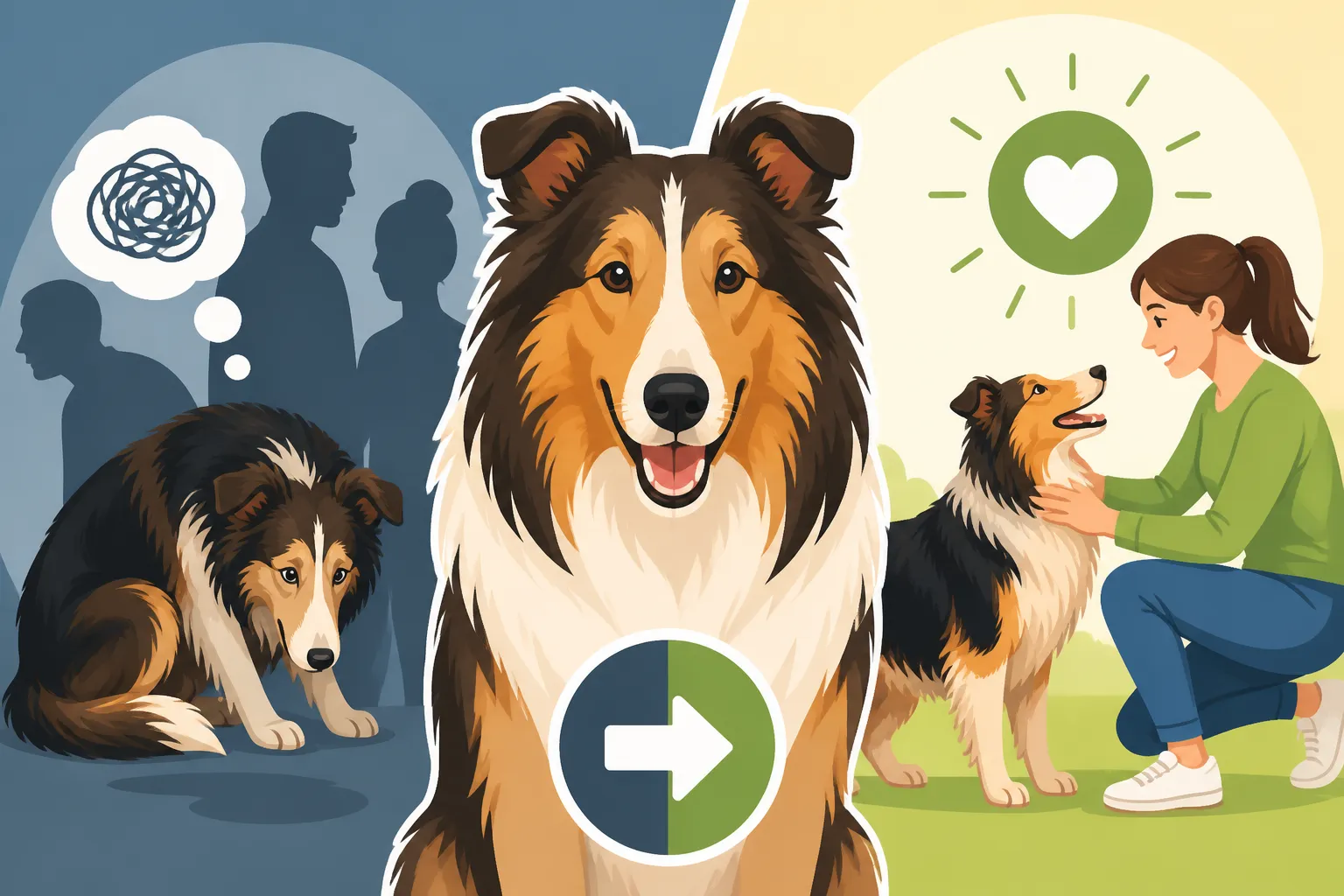
Whether an Undersocialized Collie Can Be Fixed
It's incredibly disheartening and often quite frustrating when you realize your beloved Collie, who you imagined as a confident, outgoing companion, is actually shrinking from new experiences or reacting poorly to things that should be everyday occurrences. Many Collie owners find themselves in this exact position, wondering if the shy, fearful, or reactive behaviors born from undersocialization can ever truly be overcome. The good news is that while there's no magic wand, an undersocialized Collie can absolutely learn to navigate the world with greater confidence and comfort through consistent, patient, and informed intervention. This guide will walk you through what undersocialization entails, what realistic progress looks like, and the practical steps you can take to help your Collie blossom.
Understanding Undersocialization in Collies
Undersocialization isn't just about a dog being "shy." It's a profound lack of positive exposure to the world during critical developmental periods, leading to fear, anxiety, and sometimes aggression when confronted with novel situations, people, dogs, or environments. For a breed as sensitive and intelligent as the Collie, this can manifest in particularly nuanced and sometimes challenging ways.
What Undersocialization Looks Like
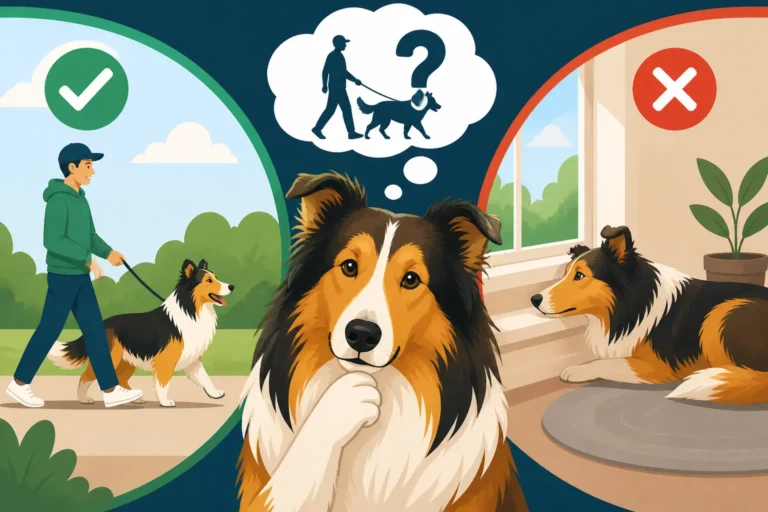
An undersocialized Collie might display a range of behaviors that stem from fear or anxiety. Imagine taking your Collie for a walk in a bustling park. Instead of happily trotting along, they might try to bolt away from strangers, tuck their tail between their legs at the sight of another dog, or cower behind your legs when a child runs past. At home, they might be incredibly clingy, startle easily at unfamiliar sounds, or be wary of new objects like a vacuum cleaner or a dropped pan lid. These reactions aren't willful disobedience; they are genuine expressions of discomfort and a lack of coping mechanisms.
You might also see more subtle signs. Perhaps your Collie refuses to make eye contact, displays excessive panting in a novel situation, or avoids engaging with toys in an unfamiliar room. They might struggle to settle in a new place, constantly scanning their surroundings for threats. In more severe cases, fear can escalate to reactivity, where they bark, lunge, or snap out of desperation to make the scary thing go away. It’s a heartbreaking sight for any owner, witnessing their gentle Collie so overwhelmed.
Why Collies Are Prone to Specific Social Challenges
Collies, by their very nature, are a sensitive and intelligent herding breed. They are incredibly attuned to their environment and their human companions. While this makes them wonderfully empathetic and biddable dogs in the right hands, it also means they can be more susceptible to the negative impacts of undersocialization. Their inherent desire to keep their "flock" (you and your family) safe can sometimes translate into suspicion or vigilance towards outsiders if they haven't learned otherwise.
Their protective instincts, combined with a lack of proper early exposure, can lead them to become overly cautious or even fearful of new people or situations. They aren't inherently aggressive, but a sensitive Collie who hasn't been properly socialized can quickly become overwhelmed by the sheer volume of stimuli in the modern world. Their natural intelligence means they absorb and remember experiences, both good and bad, which is why How Long a Collie Remembers a Bad Session can be particularly impactful for this breed. Without a solid foundation, their well-meaning caution can morph into anxiety or reactivity, making life difficult for both dog and owner.
The Impact of Early Experiences
The period between 3 and 16 weeks of age is often referred to as the critical socialization window for puppies. During this time, a puppy's brain is like a sponge, soaking up every experience and forming foundational impressions of the world. Positive exposure to a wide variety of sights, sounds, smells, people, and other dogs during this window is absolutely paramount. Puppies who miss out on this crucial period, perhaps because they were kept isolated, came from a puppy mill, or spent too long in a shelter, often develop lasting behavioral challenges.
For a Collie, missing out on this early social education can mean they never learn how to appropriately greet strangers, interpret canine body language, or cope with the unpredictable nature of daily life. Even seemingly minor omissions—like not being exposed to children, men with beards, or different floor textures—can create significant anxieties later on. It’s not about overwhelming them, but about providing controlled, positive, and varied experiences that build confidence. Many of the issues we see in adult undersocialized Collies are directly traceable to gaps in this vital early learning phase, making a strong case for proactive Where to Socialize a Collie Puppy.
The Road to "Fixing" an Undersocialized Collie
When people ask if an undersocialized Collie can be "fixed," what they often mean is, "Can my dog become a perfectly confident, outgoing dog who loves everyone and everything?" The reality is a bit more nuanced. While you can make incredible strides, it's more about rehabilitation, building confidence, and managing triggers rather than erasing their past.
Realistic Expectations and the Power of Patience
It's vital to set realistic expectations when working with an undersocialized Collie. You might not turn a severely fearful dog into a social butterfly who thrives in crowded dog parks overnight, or ever. The goal is often to help your Collie feel safe, comfortable, and confident enough to navigate their daily life without excessive stress or reactivity. This means they might learn to tolerate situations they once feared, or simply avoid them calmly, rather than actively seeking them out.
Progress will likely be slow, nonlinear, and require immense patience. There will be good days and bad days, breakthroughs and setbacks. Celebrating small victories, like your Collie looking calmly at a stranger from a distance, or choosing to investigate a new object rather than hide, is crucial. Remember, you are essentially rewriting years of learned fear and anxiety, and that takes time, consistency, and a deep well of empathy. Rushing the process or getting frustrated will only hinder progress, and as we know, Whether Shouting at a Collie Sets Training Back is particularly true for sensitive breeds.
The Importance of a Structured Approach
Helping an undersocialized Collie requires a methodical and structured approach. You can't just throw them into a busy situation and expect them to "get over it"—that will almost certainly make things worse. Instead, you need to systematically introduce them to the world in a way that allows them to succeed and build positive associations. This often involves techniques like desensitization (gradually exposing them to a trigger at a low intensity) and counter-conditioning (changing their emotional response to a trigger).
For example, if your Collie is fearful of other dogs, you wouldn't start by going to a dog park. You'd begin by observing other dogs from a safe distance, rewarding your Collie for remaining calm, and slowly decreasing the distance over many sessions, always staying below their "threshold" of reactivity. A predictable routine can also be incredibly calming for an anxious Collie. Whether a Collie Needs a Predictable Routine can provide the security they desperately need, allowing them to feel more in control of their environment and less on edge. This structured, step-by-step method helps them learn that the world isn't as scary as they once believed.
Professional Guidance and Support
While you can achieve a lot on your own, working with a qualified professional can be invaluable, especially for Collies with significant fear or reactivity issues. A certified professional dog trainer (CPDT) or a veterinary behaviorist can assess your Collie's specific triggers and reactions, help you develop a personalized training plan, and teach you the skills to implement it effectively. They can spot subtle signs of stress you might miss and ensure you're not inadvertently making things worse.
Look for trainers who use positive reinforcement methods exclusively, avoiding any harsh or aversive techniques that could further traumatize a fearful Collie. Many professionals offer private sessions, which are ideal for undersocialized dogs who might struggle in a group class environment. Some, like the BAXTER & Bella online puppy program, offer structured approaches that can be adapted for older dogs needing resocialization, providing a wealth of resources and support from the comfort of your home, which can be less intimidating for a sensitive Collie. They can be your guide, offering expertise and much-needed support as you navigate this challenging but rewarding journey.
Practical Strategies for Resocialization
Now that we've set the stage, let's dive into some practical, actionable strategies you can employ to help your undersocialized Collie feel more comfortable and confident in the world.
Creating a Safe and Controlled Environment
The first step in any resocialization effort is to ensure your Collie feels safe in their immediate environment. This means minimizing stressors at home and providing them with a secure "den" where they can retreat. A crate, if introduced positively, can serve this purpose beautifully. Make sure they have a comfortable bed, quiet space, and that they are never disturbed when inside. This safe haven allows them to decompress after any potentially stressful interactions or training sessions.
When introducing new stimuli, always do so in a controlled manner. For example, if your Collie is afraid of children, don't invite a group of loud kids over for a playdate. Instead, start by letting them observe a single, calm child from a distance, perhaps through a window or across a park. Use a long line on walks (like those found on Amazon) to give them freedom to explore safely without feeling trapped, while still allowing you control to prevent overwhelming encounters. The goal is to set them up for success, ensuring every new experience is a positive or at least neutral one, rather than a terrifying ordeal.
Gradual Exposure and Positive Reinforcement
This is the cornerstone of resocialization. The idea is to gradually expose your Collie to their triggers at a level they can comfortably handle, pairing each exposure with something positive. This changes their emotional association from fear to pleasure or neutrality.
Here's how you might approach it:
- Identify Triggers: What specifically makes your Collie anxious? Other dogs, specific types of people, loud noises, strange objects?
- Establish a Baseline: Find the distance or intensity at which your Collie can observe the trigger without reacting negatively. This is their threshold. For instance, if another dog 50 feet away causes them to stiffen, your starting point might be 70 feet.
- Positive Association: Once at that safe distance, immediately give your Collie high-value treats (think cooked chicken, cheese, or hot dogs) or praise whenever they notice the trigger but remain calm. The moment the trigger disappears, stop the treats. This teaches them: "That scary thing predicts good things!"
- Gradual Reduction: Over many, many sessions, slowly decrease the distance or increase the intensity of the trigger, always staying below their threshold. If they start to show signs of stress (lip licking, yawning, stiff body, averting gaze), you've gone too far; back up to a distance where they are comfortable.
- Consistency is Key: This isn't a one-and-done process. It requires daily, consistent work. Imagine an undersocialized Collie needing to learn How to Build Confidence in a Nervous Collie. This systematic pairing of a trigger with positive reinforcement will slowly chip away at their fear.
Building Confidence Through Training
Beyond direct exposure, engaging your Collie in positive reinforcement training can dramatically boost their overall confidence. Teaching basic obedience cues like "sit," "stay," "come," and "down" gives them a sense of predictability and control. When they know what's expected of them, and they are rewarded for responding, it strengthens their bond with you and empowers them to engage with the world.
Consider enrolling in a positive reinforcement obedience class, but ensure the class environment is suitable for a sensitive or undersocialized dog – small class sizes or private lessons are often best. Even working on fun tricks at home can be beneficial. Puzzle toys and scent work activities can also provide mental stimulation and build confidence without requiring direct social interaction, tapping into What Motivates a Collie and channeling their intelligence. The more opportunities they have to succeed and be rewarded, the more confident they will become.
| Strategy | Goal | Key Actions | Expected Outcome |
|---|---|---|---|
| Safe Environment | Reduce baseline stress and provide security | Establish a quiet den/crate, minimize household chaos, use long lines in safe outdoor spaces. | Collie feels more secure, has a retreat from stress. |
| Gradual Exposure | Change emotional response to triggers | Identify triggers, start at a distance where Collie is calm, slowly decrease distance/increase intensity. | Collie learns to tolerate triggers without extreme fear/reactivity. |
| Positive Reinforcement | Create positive associations with triggers & build confidence | Pair triggers with high-value treats/praise, reward calm behavior, use positive training for obedience and tricks. | Collie forms positive associations, gains confidence in self and owner. |
| Professional Guidance | Tailor a plan, ensure safety, provide expertise | Consult a certified trainer or veterinary behaviorist for personalized assessment and ongoing support. | Faster, safer, and more effective progress; owner confidence. |
Long-Term Commitment and Maintenance
Helping an undersocialized Collie is not a short-term project; it's a commitment for their lifetime. Just like managing a chronic health condition, ongoing care and attention are essential to maintain progress and prevent regression.
Continued Socialization Throughout Life
Even after your Collie has made significant progress, continued, positive socialization experiences are crucial. This doesn't mean forcing them into overwhelming situations, but rather providing regular, controlled exposure to the world in a way that reinforces their newfound confidence. Regular walks in varied, yet manageable, environments, calm interactions with known, dog-savvy friends, and consistent training sessions will help keep their skills sharp.
Think of it as ongoing therapy. If you stop the positive experiences, an undersocialized Collie might slowly revert to their old ways, especially if they encounter a particularly scary event. Remember the sensitive nature of the breed; they thrive on consistency and positive reassurance. Continuing to build on the foundation you've established will ensure your Collie remains a comfortable, albeit perhaps still somewhat reserved, member of your family and community.
Recognizing and Managing Triggers
One of the most important aspects of living with a formerly undersocialized Collie is learning to recognize their triggers and managing their environment accordingly. You will become an expert in your Collie's body language, knowing the subtle signs that indicate they are becoming stressed or uncomfortable long before a full-blown reaction occurs. This might include lip-licking, yawning, head turns, stiff posture, or a tucked tail.
Once you identify these early warning signs, you can intervene. This might mean redirecting their attention with a treat, moving away from the trigger, or simply providing comfort and reassurance. Managing triggers often involves making choices about your Collie's lifestyle: perhaps avoiding crowded dog parks, opting for quiet walking trails, or ensuring visitors understand how to interact calmly with your dog. It's about advocating for your Collie and creating a world where they can thrive, even if that world looks a little different from what you originally imagined. It's about providing them with a life of comfort and happiness, acknowledging their past while celebrating their present and future progress.
Disclaimer
This article is for general informational purposes only and does not constitute professional advice. Laws, prices and regulations vary by location and change over time. Consult a qualified professional for guidance on your specific situation.