Whether a Collie Bonds to One Person
It’s a common worry for many prospective or current Collie owners: will this beautiful, intelligent dog become a "one-person dog"? The idea that a Collie might choose one family member and largely ignore the rest can be a real source of anxiety, especially in busy households with children or multiple adults. This guide aims to debunk some myths and illuminate the true nature of a Collie's bond, helping you understand how these sensitive, devoted dogs connect with their entire family.
Understanding the Collie's Bonding Nature
Many breeds develop a strong affinity for one primary caretaker, and it's easy to wonder if your Collie will follow suit. While Collies are known for their deep loyalty and connection, their bonding patterns are often more nuanced than a simple "one-person" designation. They are incredibly observant and intelligent, reading the energy and routines of everyone in the household.
Are Collies Naturally One-Person Dogs?
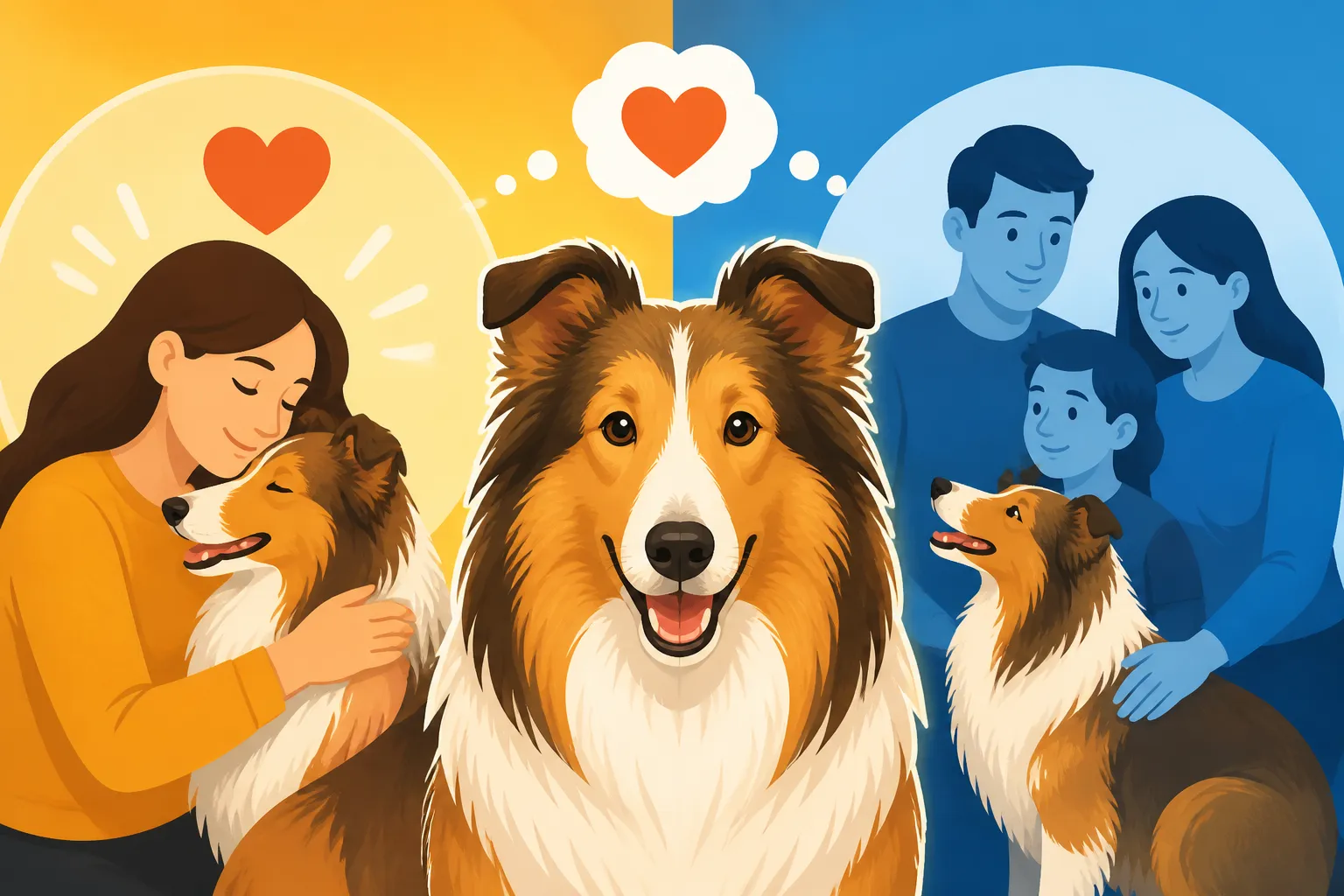
The short answer is, not typically in the way some other breeds might be. Collies are herding dogs at heart, and their instinct is to keep their "flock" (your family) together and safe. This means they often distribute their affection and attention, albeit with varying degrees of intensity, to all members of their immediate family. They thrive on being involved in family activities and appreciate attention from everyone. Think of it less as choosing a favorite, and more about adapting to the roles and personalities within the home.
A Collie might have a preferred person, someone they feel most understood by or who consistently meets their core needs like feeding, walking, or training. This isn't a rejection of others, but rather a recognition of a consistent, positive relationship. If you're that person, you might find your Collie follows you from room to room, settling near your feet, even if they happily greet and interact with everyone else. This preference can be especially noticeable if one person dedicates more time to training or specific activities with the dog. For instance, if one family member consistently works on agility or advanced obedience, the Collie might form a slightly stronger working bond with them.
Factors Influencing a Collie's Primary Bond
Several elements contribute to how a Collie forms its bonds within a household. It’s rarely about a single, unchangeable factor, but rather a dynamic interplay of daily interactions and routines. Understanding these can help ensure your Collie feels connected to everyone.
Consistency in Care and Training
Dogs, especially intelligent breeds like Collies, thrive on routine and predictability. The person who consistently feeds them, takes them for walks, or engages in training sessions often becomes a focal point. This isn't to say other family members are unimportant, but the one who provides consistent positive reinforcement and care builds a strong foundation of trust and reliance. For example, if one parent is always the one to fill the food bowl and take the evening stroll, the Collie learns to anticipate and associate positive experiences with that individual. When you're looking for guidance on setting up those early training foundations, an online resource like BAXTER & Bella can be incredibly helpful for all family members to learn consistent methods together.
Training is particularly impactful. Collies are eager to please and enjoy mental stimulation. If you're the one leading the charge on teaching new cues or reinforcing good manners, your Collie will naturally look to you for direction and approval. This shared activity deepens the bond far beyond simple affection. Remember that Harsh Handling Breaks a Collie and It Does Not Come Back, so consistency in gentle, positive reinforcement is key.
Time Spent and Shared Activities
Simply spending time with your Collie, even if it's just quiet companionship, significantly contributes to bonding. Whether it's cuddling on the couch, playing fetch in the yard, or going on adventures together, these shared moments build a reservoir of positive associations. If one person is home more often, or is more inclined to include the Collie in their daily activities, that bond naturally strengthens. A Collie thrives on interaction, so passive presence isn't quite enough. Active engagement, even just a few minutes of focused play or petting, communicates love and attention.
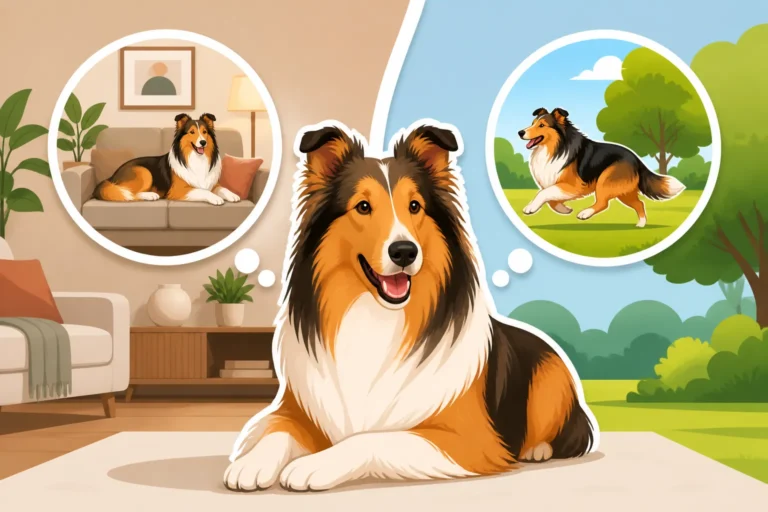
Consider the classic image of a Collie curled up at someone's feet while they work or read. This seemingly passive interaction is still a form of bonding, demonstrating trust and comfort. However, the most robust bonds often come from shared, purposeful activities, whether that's regular walks, trips to the park, or even just a game of tug.
Temperament and Personality Matching
Just like people, dogs can have personality preferences. A Collie might naturally gravitate towards a family member whose energy level or demeanor matches their own. For instance, a calm, sensitive Collie might feel most comfortable with a quiet, gentle individual, while a more playful Collie might adore the family member who's always up for a game. Collies are known for being sensitive dogs, often picking up on subtle cues and emotions. If one person offers a particularly soothing presence or understands their sometimes reserved nature, that connection can feel deeper to the Collie. It’s all about finding that mutual understanding and respect. A Collie Reads a Room Better Than It Reads a Command, so they are constantly assessing the emotional landscape of their home.
Fostering Strong Bonds With All Family Members
Even if your Collie shows a preference, it's absolutely possible to ensure they have strong, healthy bonds with everyone in the family. It takes a conscious effort, but the rewards are well worth it, creating a more harmonious and happy household for both two-legged and four-legged members.
Involving Everyone in Daily Routines
The key to a well-adjusted Collie who loves everyone is to distribute the daily duties and fun evenly among family members. Don't let one person become the sole provider of all good things.
- Feeding Time: Rotate who feeds the Collie. This helps the dog associate positive reinforcement (food!) with multiple people. It also prevents resource guarding issues towards one individual.
- Walks and Exercise: Share the leash! One person can do the morning walk, another the evening stroll. Even if someone can't manage a long walk, a short supervised yard time for potty breaks can still count. How Much Exercise a Collie Needs Daily is significant, so sharing this responsibility not only builds bonds but also eases the workload.
- Play Sessions: Encourage everyone to engage in short, fun play sessions. Fetch, tug-of-war, or even just rolling around on the floor with some favorite toys bought from Amazon can make a huge difference. These interactions are vital for mental stimulation and joy.
- Grooming: Collies require regular grooming. While one person might handle the major brushing sessions, others can take turns with quick daily brush-throughs or ear checks. This gentle handling, coupled with praise, creates positive associations.
Shared Training Experiences
Training is one of the most powerful bonding tools you have. When multiple family members participate, the Collie learns to respect and respond to commands from everyone, reinforcing their role in the "flock."
- Basic Obedience Classes: Enroll in a class where multiple family members can attend. This ensures consistency in commands and expectations. Many modern online training programs, like those offered by BAXTER & Bella, are designed for the whole family to participate, providing structured lessons that everyone can follow.
- "Tricks for Treats" Sessions: Short, fun sessions teaching tricks like "shake a paw" or "rollover" can be done by anyone. Use high-value treats and lots of praise to make it a positive experience.
- Puzzle Toys and Mental Games: Everyone can be involved in setting up puzzle feeders or playing hide-and-seek with treats. These activities engage the Collie's intellect and require interaction, fostering connection. Remember, Forty Five Minutes a Day, and Half of It in Its Head is important for a Collie's mental well-being.
Creating Positive Interactions Beyond Basic Needs
It’s not just about meeting needs; it’s about creating joy and comfort.
- Quiet Cuddle Time: Encourage different family members to have quiet time with the Collie, offering gentle pets and affection. This can be during TV time, reading, or just relaxing.
- Consistent Affection: Teach children how to interact gently and respectfully with the Collie. Supervise interactions to ensure they are always positive. A Collie thrives on gentle praise and a calm environment.
- Novelty and Exploration: Take turns introducing your Collie to new, safe experiences. A walk in a new park, a visit to a dog-friendly store, or even just exploring a different part of the yard can be exciting bonding opportunities. These experiences, when shared, create lasting positive memories.
Recognizing Signs of a Strong Bond
So, how do you know if your Collie has a strong bond with you or with the family, even if they don't overtly "choose" one person? It's all about observing their behavior and understanding their subtle cues.
Indicators of Trust and Affection
A Collie's affection isn't always demonstrated with exuberant jumps and licks. Their herding nature means they often show their devotion through quiet presence and watchful attention.
- Seeking Proximity: Does your Collie choose to lay near you, even if they aren't actively seeking petting? Do they follow you from room to room or settle down nearby while you're engaged in an activity? This proximity-seeking is a huge sign of comfort and trust. Whether a Collie Follows You From Room to Room is a classic sign of their desire to be part of the family "flock."
- Relaxed Body Language: When interacting with you, does your Collie display soft eyes, a relaxed mouth, and a loosely wagging tail (or even just a soft swish)? A relaxed posture, perhaps even exposing their belly, indicates they feel safe and loved.
- Responsive to Your Voice: A bonded Collie will often perk up at the sound of your voice, even if they don't immediately come running. They might turn an ear, look your way, or shift their position, acknowledging your presence.
- Accepting of Handling: A well-bonded Collie will generally be accepting of being handled for grooming, ear checks, or even just a gentle pat. If they offer their head for a scratch or lean into your touch, that’s a clear sign of connection.
- Eye Contact: Collies are incredibly expressive with their eyes. Prolonged, soft eye contact, without being challenging, is a profound sign of connection and affection. It shows they are engaged with you and feel secure in your presence.
The Difference Between Preference and Exclusive Bonding
It’s important to distinguish between a Collie having a preference for one person and truly being a one-person dog. A preference means they might initiate interactions more often with one individual, or seek comfort from them first during a stressful situation. However, if they still happily greet, obey, and show affection to other family members, they are not exclusively bonded.
For instance, your Collie might always choose to sleep by your bed, but they'll still wag their tail and seek pets from your partner when they wake up. Or they might look to you for guidance during a new situation, but will readily accept treats and play with your children. This balance is typical for Collies; they are capable of forming strong, meaningful relationships with multiple people. A Collie's devotion is often wide-reaching within their family unit, reflecting their innate desire to keep their entire "flock" close and connected.
Below is a table summarizing how different family members can actively build strong bonds with a Collie:
| Family Member Role | Recommended Bonding Activities | Benefits for Collie's Bond |
|---|---|---|
| Primary Caregiver | Daily feeding, consistent training, long walks, vet visits, quiet cuddle time. | Builds trust, reliability, and security. Collie views this person as a stable leader. |
| Partner/Spouse | Evening play sessions, grooming, weekend adventures, puzzle toy setup, reinforcing commands. | Expands the circle of positive associations, prevents exclusive reliance on one person. |
| Children (older) | Supervised play (fetch, gentle tug), simple training games, brushing, reading aloud near Collie. | Teaches respectful interaction, deepens comfort level with younger family members. |
| Children (younger) | Gentle petting (supervised), sharing treats, quiet presence, being part of feeding routine. | Early positive association, Collie learns children are safe and gentle providers. |
| Occasional Visitor | Gentle greetings, offering treats (with permission), calm interaction. | Helps Collie generalize trust, reduces anxiety around new people. |
Remember, your Collie is a social creature, and while they might have a favorite cuddle buddy or training partner, their heart is big enough for everyone in their beloved family. By consciously involving everyone in their care and fun, you'll ensure your Collie thrives as a well-loved and well-bonded member of your household. The First Year With a Collie Puppy is particularly crucial for establishing these broad family bonds.
Disclaimer
This article is for general informational purposes only and does not constitute professional advice. Laws, prices and regulations vary by location and change over time. Consult a qualified professional for guidance on your specific situation.