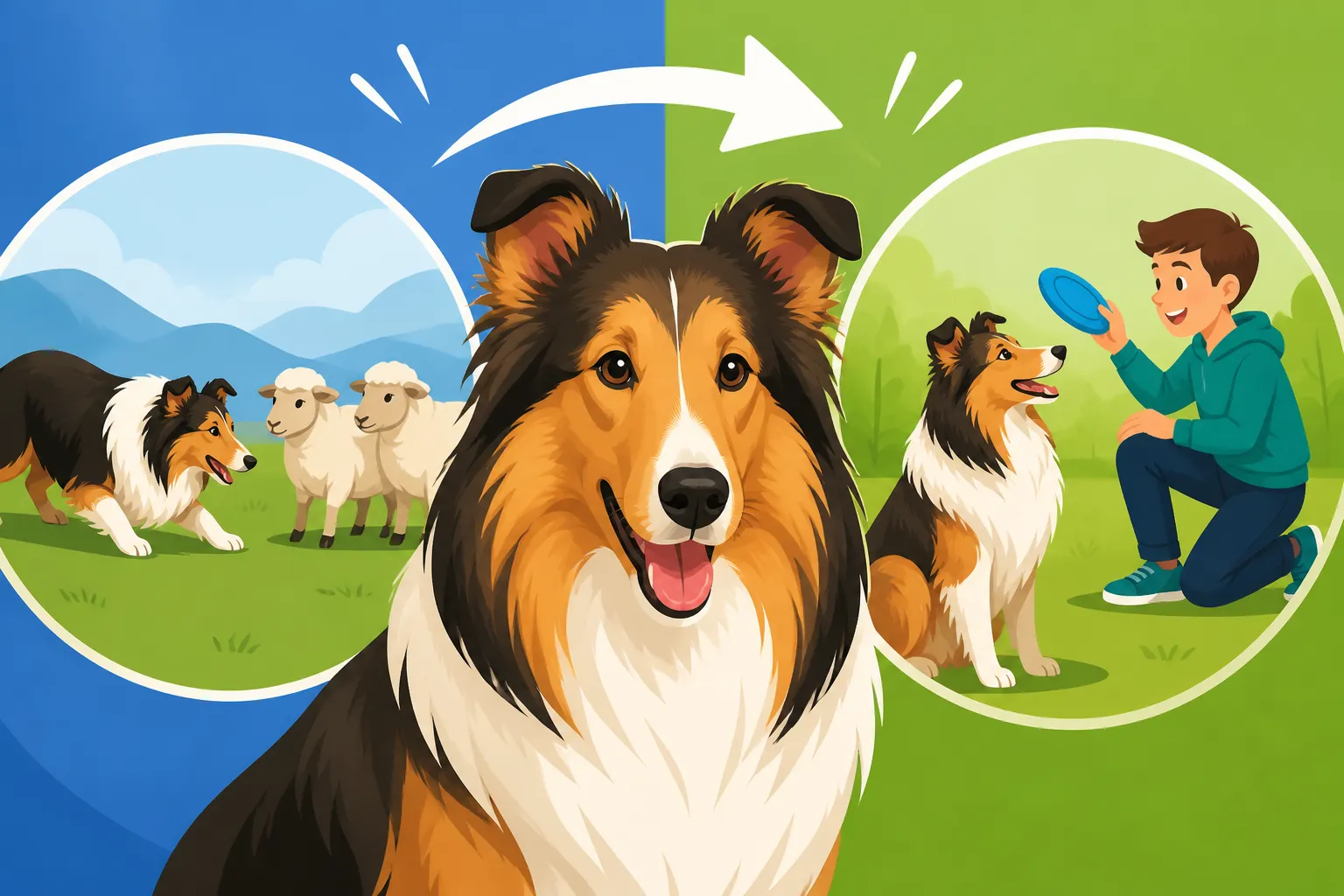
Whether a Collie’s Herding Instinct Can Be Redirected
It’s a common scenario: you’re trying to cook dinner, and your Collie is gently nudging your child away from the kitchen counter, or perhaps circling them with an intense stare. You might even find your beloved dog attempting to "herd" you or other family members from one room to another. This isn't naughtiness; it's the deeply ingrained herding instinct, and it can be quite baffling and frustrating for owners who don't understand its roots. This guide will delve into what drives these behaviors in your beautiful Collie and, more importantly, equip you with practical, empathetic strategies to redirect that powerful instinct into appropriate, safe, and fulfilling outlets for both of you.
Understanding the Collie's Herding Instinct
Our Collies, both Rough and Smooth, carry a rich history as working dogs. Long before they became the beloved family companions and show ring stars we know today, they were indispensable partners to shepherds, deftly guiding flocks of sheep across the Scottish highlands. This heritage is more than just a historical footnote; it’s woven into their very DNA, shaping their instincts, behaviors, and even their unique intelligence. To truly understand why your Collie might be trying to gather your children or "flock" the mail carrier, you have to appreciate the depth of this inherited drive.
The Ancestral Purpose of Herding
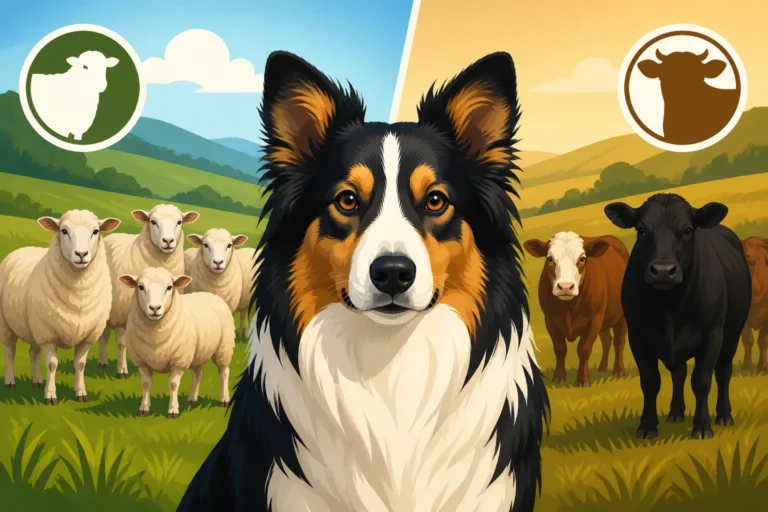
Imagine a shepherd alone on a vast moor, needing to move hundreds of sheep from one pasture to another, or to bring them safely into the fold for the night. This monumental task was made possible by dogs like the Collie, who possessed an innate understanding of how to control and direct a moving flock. They used their intelligence, their presence, and subtle body language – stares, low runs, circles – to influence the sheep without resorting to aggression or harm. This isn't about chasing prey; it's about control and organization, a finely tuned predatory sequence that stops short of the bite.
This instinct isn't just about moving animals; it's about reading their movements, anticipating their direction, and applying just the right amount of pressure to guide them. It requires incredible focus, problem-solving skills, and a deep partnership with their human handler. Your Collie's intense gaze or tendency to position themselves strategically around you or your family members isn't random; it's a diluted, domesticated echo of these ancient working behaviors. They are, in their minds, trying to be helpful, trying to maintain order, or simply fulfilling a deep, genetic imperative.
How Herding Manifests in a Modern Home
In a home environment, with no sheep to manage, that powerful instinct doesn't simply disappear. Instead, it often gets redirected onto the nearest available "flock" – often the family itself. This is why you might see your Collie circling a toddler, Why a Collie Herds Your Children, or trying to gather everyone into one room. They might nip gently at heels, or use their body to block pathways, all in an attempt to control movement, which is, after all, what herding is all about.
It's crucial to remember that these behaviors, while sometimes inconvenient or startling, are not malicious. Your Collie isn't trying to be disobedient or aggressive; they are simply acting on instinct. Understanding this can help you respond with patience and empathy, rather than frustration. Recognizing that this is a deeply rooted behavioral pattern, rather than a training failure on your part, is the first step toward effectively managing and redirecting it.
Recognizing Signs Your Collie is Herding
Identifying when your Collie is engaging in herding behavior is key to managing it effectively. Sometimes it’s obvious, like a full-on circle around the kids in the yard. Other times, it's far more subtle, a quiet intensity that inexperienced owners might easily miss. Learning to read your Collie's body language and the context of their actions will give you a head start in intervening appropriately and redirecting that energy before it escalates.
Common Herding Behaviors in Collies
The classic herding posture in a Collie often involves a low, intense gaze, sometimes referred to as "the eye." They might crouch slightly, their body language coiled and focused, often accompanied by a lowered head. They might circle individuals or groups, especially those who are moving quickly or erratically. This circling motion is a direct translation of how they would gather a flock, maintaining a perimeter. If someone runs, they might run alongside them, or cut them off, trying to "bring them back" to the group.
Another common manifestation is nipping at heels or ankles, especially with children or adults who are walking away from them. This isn't meant to cause harm, but it's a way for the dog to direct movement, much like they would a stubborn sheep. You might also notice barking, particularly short, sharp "yip" barks, used to prompt movement or draw attention. They might also nudge with their nose or body, attempting to steer you in a particular direction. These are all part of their natural herding toolkit, adapted for the living room.
Contexts That Trigger Herding Instinct
Collies are highly sensitive to movement and change, so any activity that mimics the scattered movement of a flock can trigger their herding instinct. Running children are a prime target, as their unpredictable dashes and playful shouts create the perfect "sheep-like" scenario. Think about a game of tag or hide-and-seek – these are practically invitations for your Collie to spring into action. Whether a Collie Herds Running Children will provide even more insight.
Similarly, chaotic situations, multiple people moving in different directions, or even household chores like vacuuming can set off the instinct. Some Collies might even try to herd other pets, like cats or smaller dogs, or even inanimate objects if they are moving (a Roomba might be a particularly fascinating, and frustrating, target!). Understanding these triggers allows you to anticipate when your Collie might try to herd and helps you proactively redirect their focus to something more appropriate.
Practical Strategies for Redirecting Herding Behavior
Once you understand why your Collie herds and when they tend to do it, you can start implementing effective strategies to redirect this powerful instinct. The goal isn't to suppress the instinct entirely – that’s part of who they are – but to channel it into acceptable, productive, and safe outlets. This takes consistency, patience, and a bit of creativity, but it’s entirely achievable.
Providing Appropriate Outlets for Herding Energy
The most effective way to redirect herding behavior is to provide specific, appropriate outlets. Think of it as giving them a "job" that satisfies their innate drive without them resorting to herding family members. This doesn’t necessarily mean you need a flock of sheep in your backyard, although herding clinics and trials are fantastic for those interested! Instead, focus on activities that simulate the mental and physical challenges of herding.
Interactive toys can be incredibly helpful here. Look for toys that your Collie can push, roll, or chase, especially those that dispense treats or require problem-solving. A large, durable herding ball, for example, can be a wonderful outlet. Your Collie can push and maneuver it around the yard, fulfilling that urge to direct something. You can find a great selection of durable puzzle toys or long-lasting chew toys on Amazon that engage their minds and bodies. These items provide a constructive way for them to express their natural tendencies.
Structured Training and Mental Stimulation
Mental stimulation is just as important, if not more so, than physical exercise for a Collie. These are highly intelligent dogs who thrive on learning and problem-solving. Structured training sessions, even short ones, can be incredibly taxing on their minds and help burn off that mental energy that might otherwise be channeled into herding. Teach them new tricks, work on advanced obedience commands, or even try dog sports like Rally, Obedience, or Scent Work. Whether a Collie Enjoys Trick Training is a good resource to explore this further.
Consider enrolling in an online training program if you need guidance. Platforms like BAXTER & Bella offer comprehensive courses that can help you build a solid foundation of obedience and engagement, providing structured ways to interact with your Collie and redirect their focus. These programs often include exercises that naturally tap into a Collie's intelligence and desire to work, making them feel fulfilled. Regular, engaging training gives them a job to do, helping them feel useful and preventing boredom, which can often be a precursor to unwanted behaviors. Forty Five Minutes a Day, and Half of It in Its Head really highlights this need for mental engagement.
Modifying the Environment and Managing Triggers
Sometimes, the simplest solution is to manage the environment to prevent herding behaviors from starting. If you know that running children trigger your Collie, supervise interactions closely. You might create a physical barrier, like a baby gate, to separate your Collie from particularly rambunctious play sessions. You can also teach your children to play in a way that doesn't constantly stimulate the herding instinct, perhaps by teaching them to sit or engage in quieter activities around the dog.
Leash training, even within the home or yard, can also be a valuable tool for management. If your Collie starts to get fixated on someone's movement, a gentle leash correction and redirection to a "place" command can interrupt the behavior. Teaching a solid "leave it" or "wait" command can also be life-savers, allowing you to quickly divert their attention from an impending herding attempt. Remember, consistency is absolutely vital for these strategies to work.
Useful Tools for Redirection
There's a whole world of tools designed to help manage and redirect a Collie's energy. Beyond the herding balls mentioned earlier, think about high-value chew toys that can occupy your dog when you anticipate a trigger. Kongs stuffed with frozen treats, durable Nylabones, or even a good old-fashioned rawhide (if appropriate for your dog) can provide a calming distraction.
Snuffle mats and slow feeder bowls are excellent for mental stimulation during meal times. They force your Collie to engage their brain to get their food, slowing them down and providing a constructive challenge. For training, a clicker and a treat pouch with really delicious, small treats are indispensable. Some owners find that a long line (a very long leash) can be useful for practicing recall and controlled "chase" games in a safe, open area, allowing the dog to run without herding.
Here's a quick comparison of some popular enrichment tools:
| Tool Type | Example | Primary Benefit | How it Helps with Herding | Collie Suitability |
|---|---|---|---|---|
| Herding Ball | Jolly Ball, Chuckit! Kick Fetch Ball | Physical exertion, directional control | Satisfies urge to push/move | High |
| Puzzle Feeder | Kong Wobbler, Snuffle Mat, Outward Hound Treat Maze | Mental stimulation, slow eating | Engages brain, prevents boredom | High |
| Durable Chew Toy | Nylabone, Benebone, West Paw Zogoflex | Stress relief, appropriate chewing | Redirects oral fixations, calms | High |
| Flirt Pole | Squishy Face Studio Flirt Pole | Prey drive outlet, controlled chase | Controlled chase, good exercise | Medium-High |
When to Seek Professional Help
While many herding behaviors can be managed with consistent home training and redirection, there are times when a professional dog trainer or behaviorist can be an invaluable resource. Knowing when to reach out for expert guidance can save you a lot of frustration and ensure that your Collie receives the most appropriate support for their needs. It's not a sign of failure; it's a sign of a responsible owner committed to their dog's well-being.
Recognizing Persistent or Escalating Behaviors
If, despite your best efforts with environmental management, consistent training, and providing outlets, your Collie's herding behaviors persist or even escalate, it might be time for a professional intervention. This is especially true if the nipping becomes harder, more frequent, or if the herding is accompanied by growling or excessive barking that you cannot interrupt. These could indicate that the instinct is stronger than you can manage alone, or that underlying issues are contributing to the behavior.
Another red flag is if the herding becomes dangerous, for instance, if your Collie is consistently tripping children, causing them to fall, or if they are becoming overly protective of "their flock" (i.e., your family members) around strangers or other dogs. A professional can help you understand the nuances of these interactions and devise a safety plan, ensuring everyone, including your Collie, stays safe and happy. Don't wait until someone gets hurt or seriously frightened; early intervention is always best.
The Benefits of a Certified Professional Dog Trainer or Behaviorist
A certified professional dog trainer or a veterinary behaviorist brings a wealth of knowledge and experience to the table. They can assess your Collie’s specific behaviors in detail, identify triggers you might have missed, and help you implement a tailored training plan. They often have experience with a wide range of herding breeds and understand the intricacies of their instincts. Look for trainers who use positive reinforcement methods and who are certified by reputable organizations.
A good professional will not only work with your dog but will also empower you with the skills and understanding needed to manage the behavior effectively. They can guide you on everything from advanced obedience techniques to environmental modifications and enrichment strategies. Sometimes, simply having an objective pair of eyes observe your dog in their natural environment can provide crucial insights that lead to a breakthrough in managing challenging behaviors. This partnership can be truly transformative for both you and your Collie.
Disclaimer
This article is for general informational purposes only and does not constitute professional advice. Laws, prices and regulations vary by location and change over time. Consult a qualified professional for guidance on your specific situation.